Top 40 Hits
| * Pages | Search | Total | Misses | * Today | ||
| Humans | 173246 | 375 | 173621 | 43.7% | 48542 | 47 |
| 71817 | 16 | 71833 | 18.1% | 5647 | 44 | |
| Bing | 57179 | 950 | 58129 | 14.6% | 8547 | 55 |
| Meta | 52881 | 18 | 52899 | 13.3% | 24843 | 158 |
| Apple | 5378 | 3 | 5381 | 1.4% | 557 | 20 |
| DDG | 3801 | 0 | 3801 | 1.0% | 440 | 7 |
| Bots | 31769 | 20 | 31789 | 8.0% | 12426 | 215 |
| Total | 396071 | 1382 | 397453 | 100% | 101002 | 546 |
* includes pages, posts and archives since 2025-12-05
Top Hits
Most-Recent Hits
Recent History
| Date | Day | Hits |
| 2026-10-22 | Thursday | 47 |
| 2026-10-21 | Wednesday | 300 |
| 2026-10-20 | Tuesday | 345 |
| 2026-10-19 | Monday | 513 |
| 2026-10-18 | Sunday | 338 |
| 2026-10-17 | Saturday | 400 |
| 2026-10-16 | Friday | 328 |
| 2026-10-15 | Thursday | 323 |
| 2026-10-14 | Wednesday | 279 |
| 2026-10-13 | Tuesday | 347 |
| 2026-10-12 | Monday | 456 |
| 2026-10-11 | Sunday | 422 |
| 2026-10-10 | Saturday | 435 |
| 2026-10-09 | Friday | 358 |
| 2026-10-08 | Thursday | 352 |
| 2026-10-07 | Wednesday | 488 |
| 2026-10-06 | Tuesday | 686 |
| 2026-10-05 | Monday | 841 |
| 2026-10-04 | Sunday | 478 |
| 2026-10-03 | Saturday | 411 |
| 2026-10-02 | Friday | 306 |
| 2026-10-01 | Thursday | 430 |
| 2026-09-30 | Wednesday | 393 |
| 2026-09-29 | Tuesday | 410 |
| 2026-09-28 | Monday | 498 |
| 2026-09-27 | Sunday | 406 |
| 2026-09-26 | Saturday | 564 |
| 2026-09-25 | Friday | 345 |
| 2026-09-24 | Thursday | 1098 |
| average | 28 days | 448 |


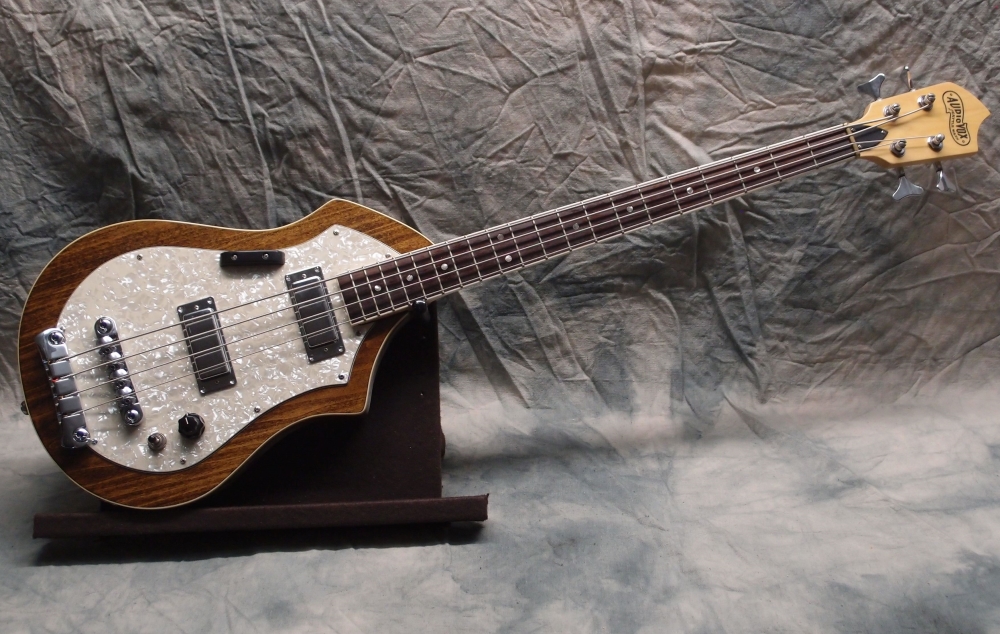
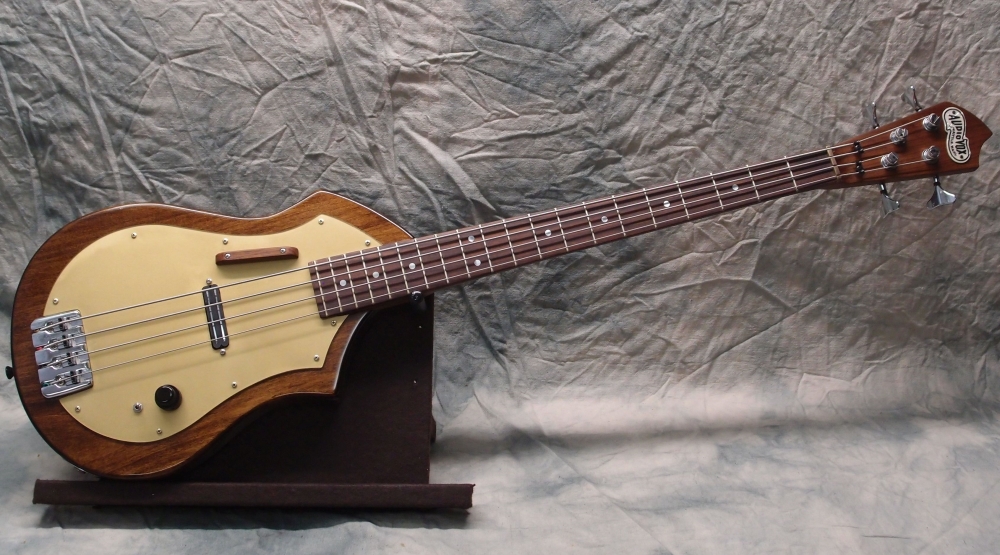
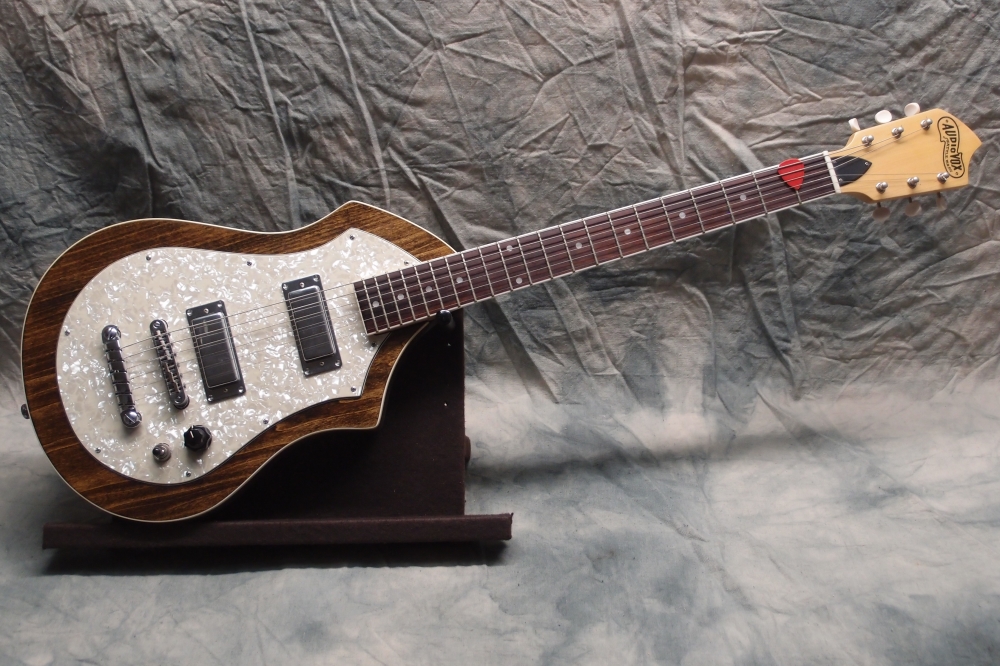
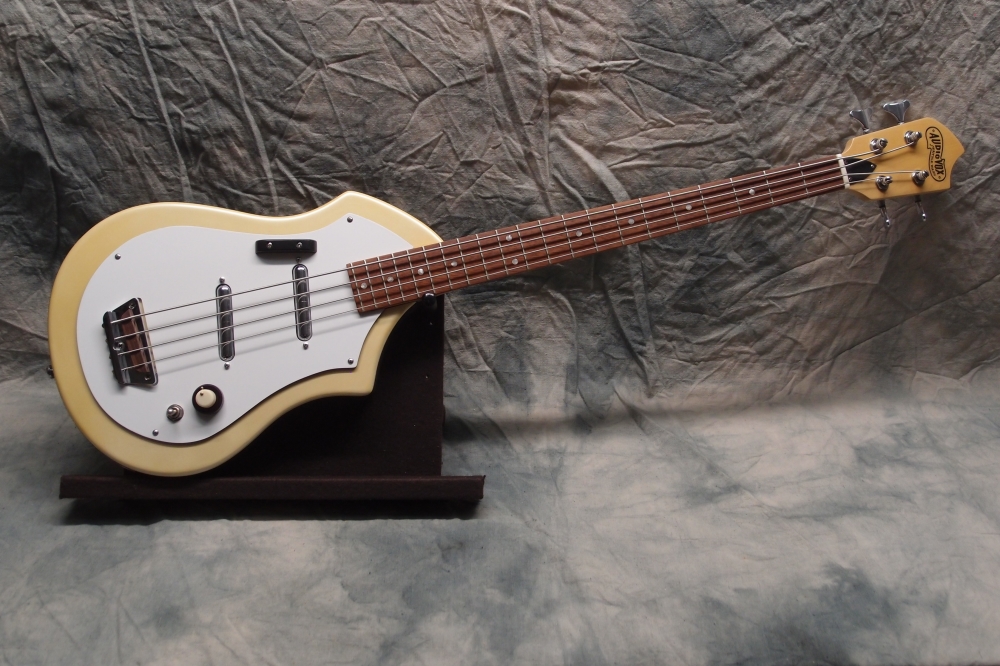
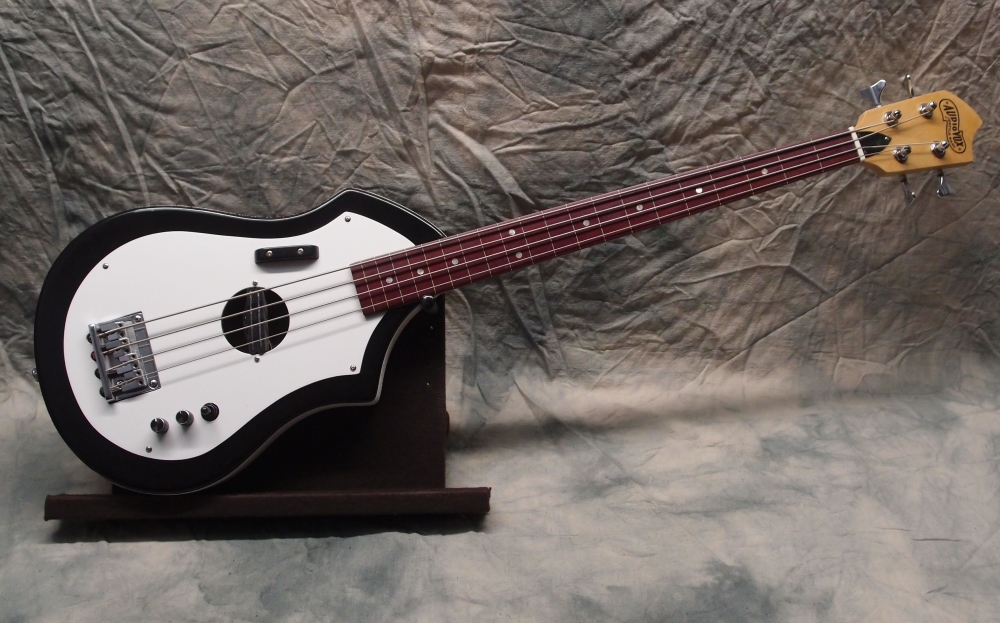
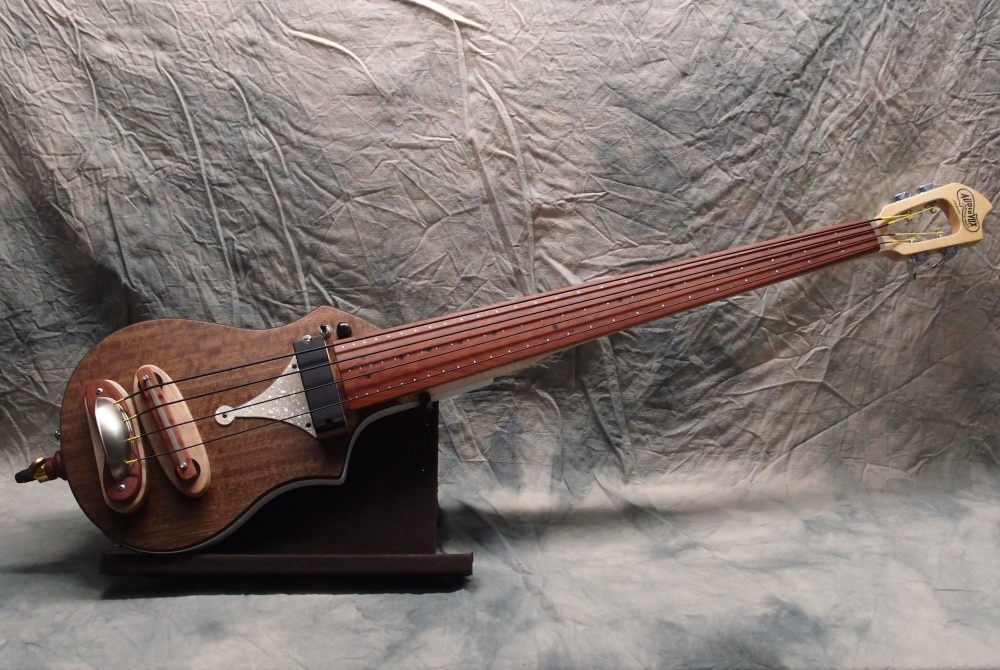
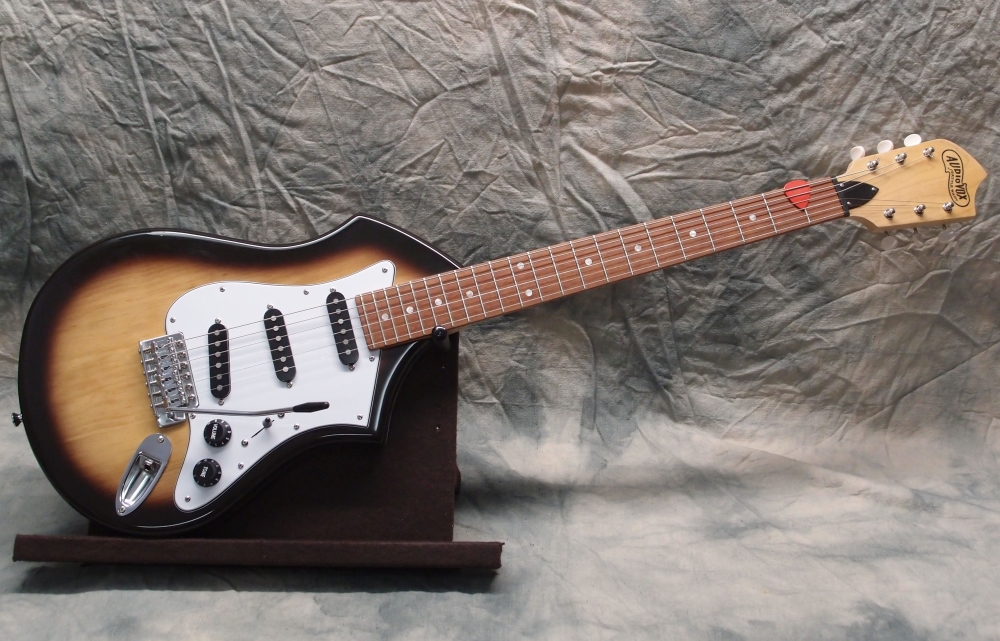
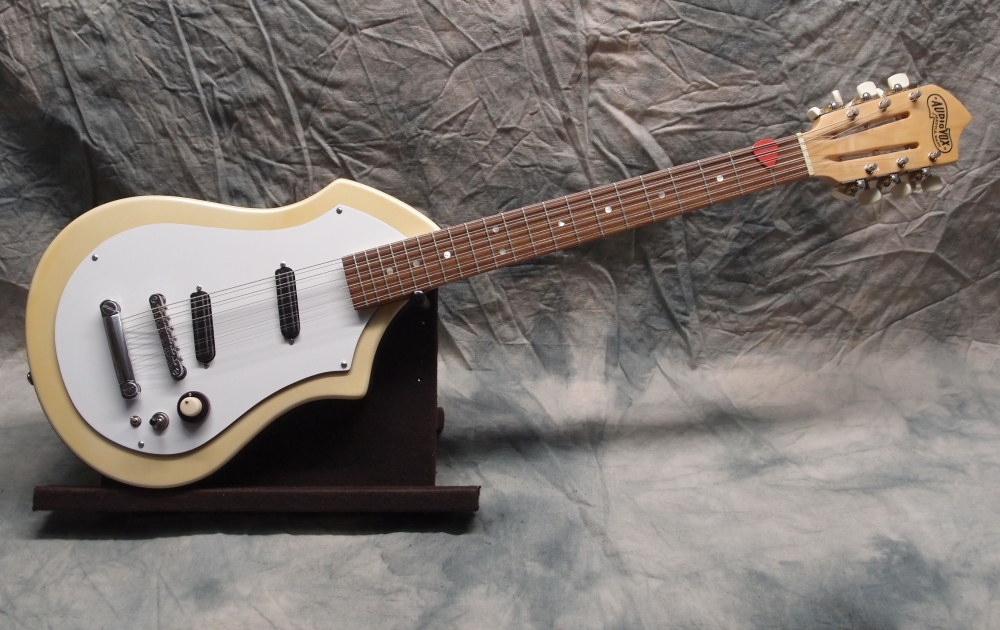
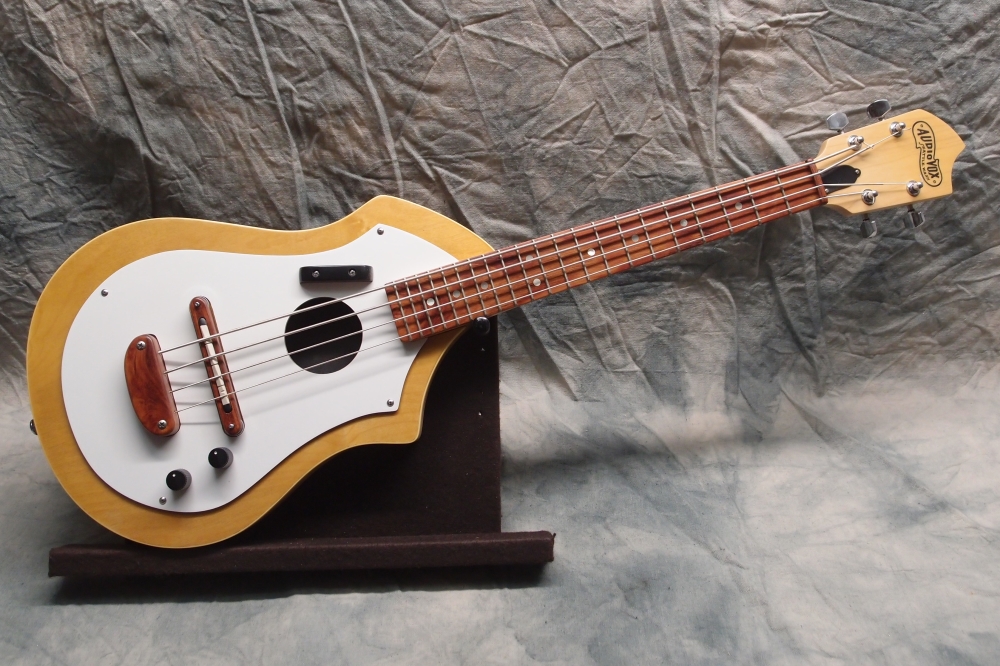
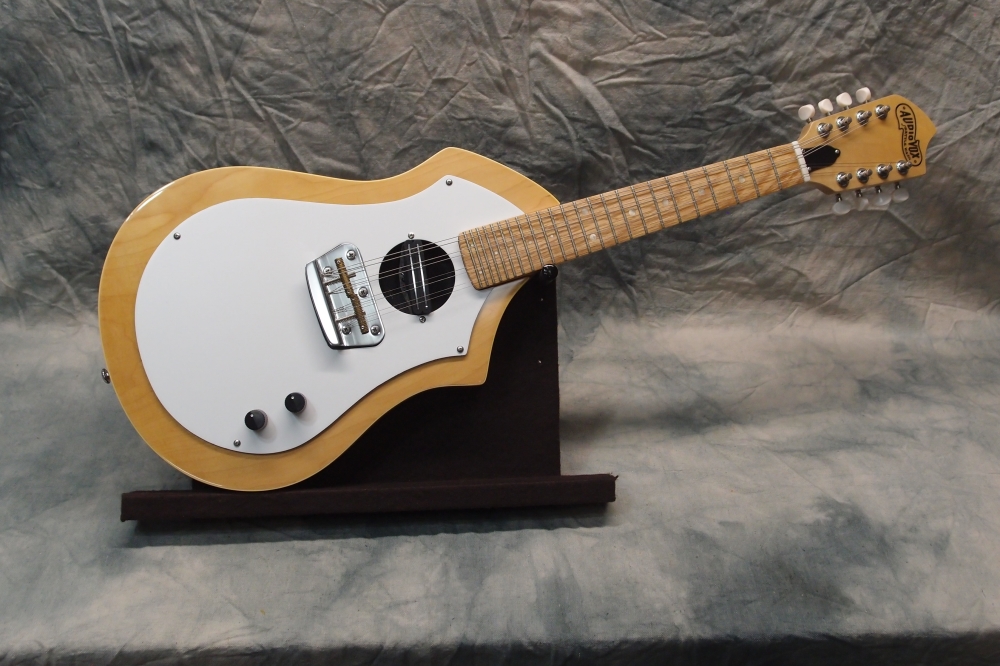
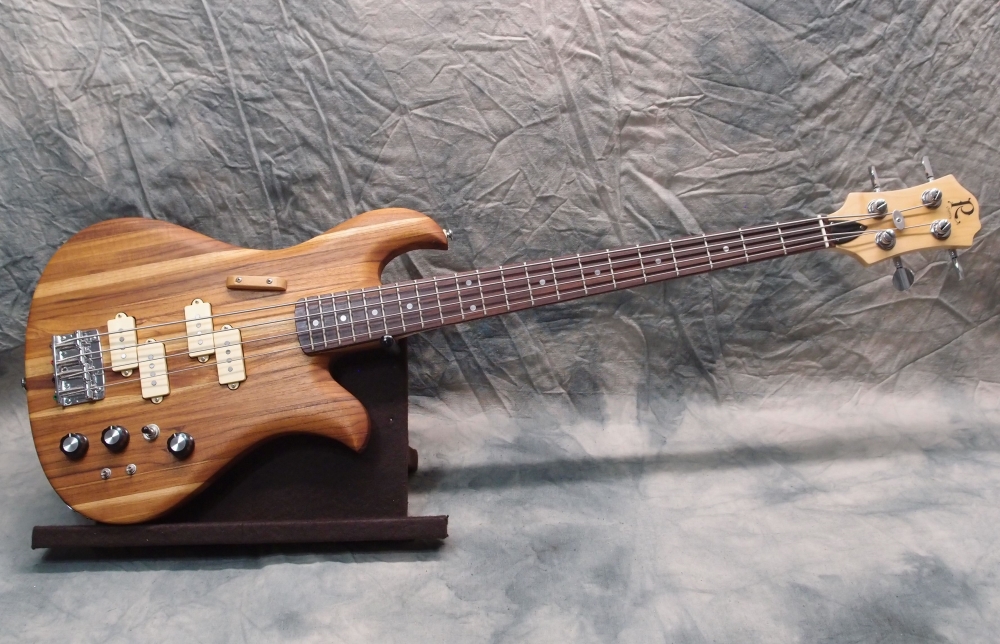
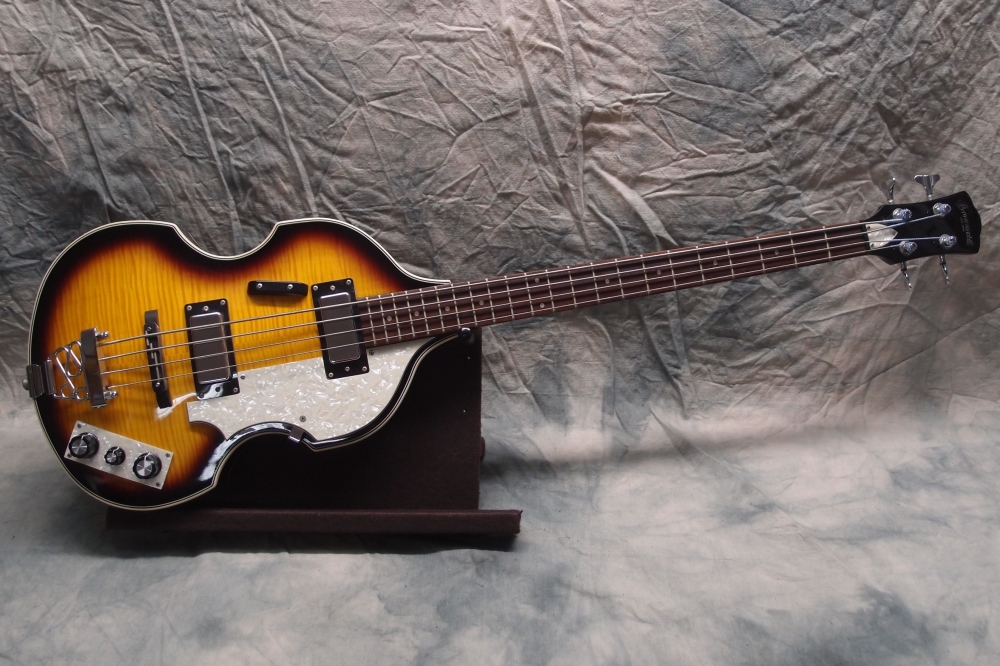
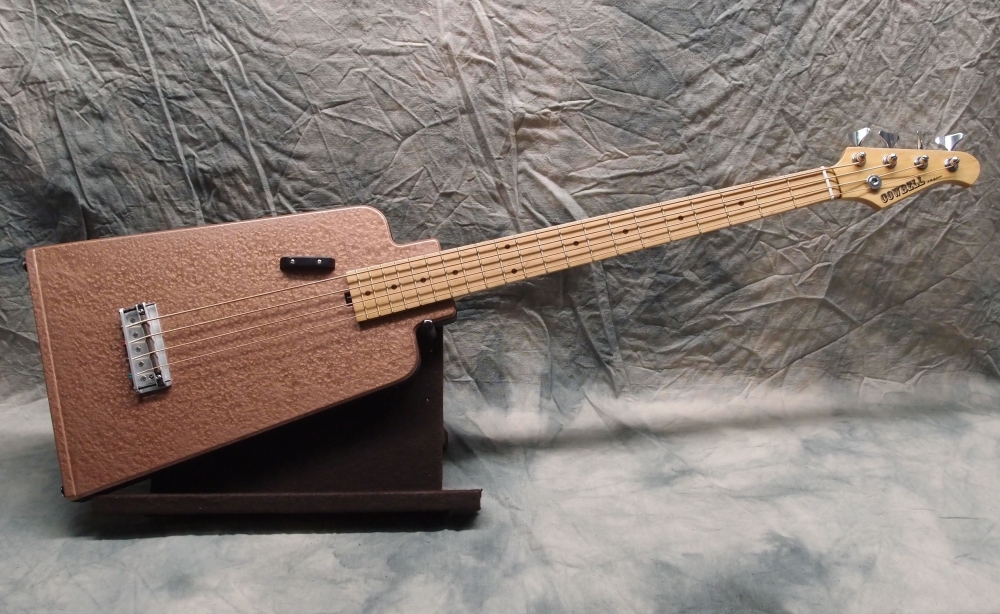
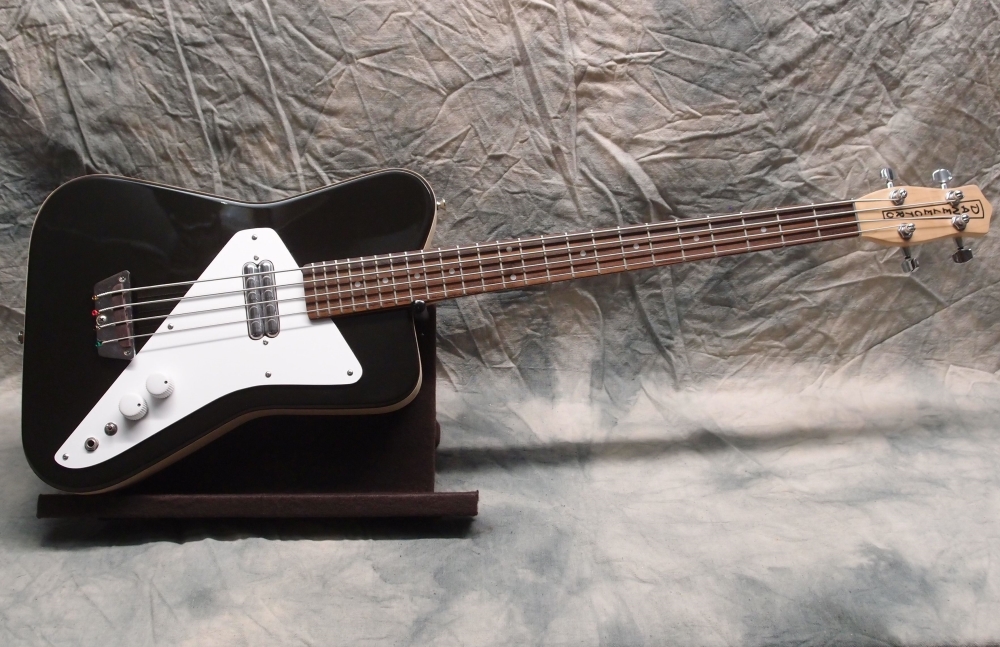
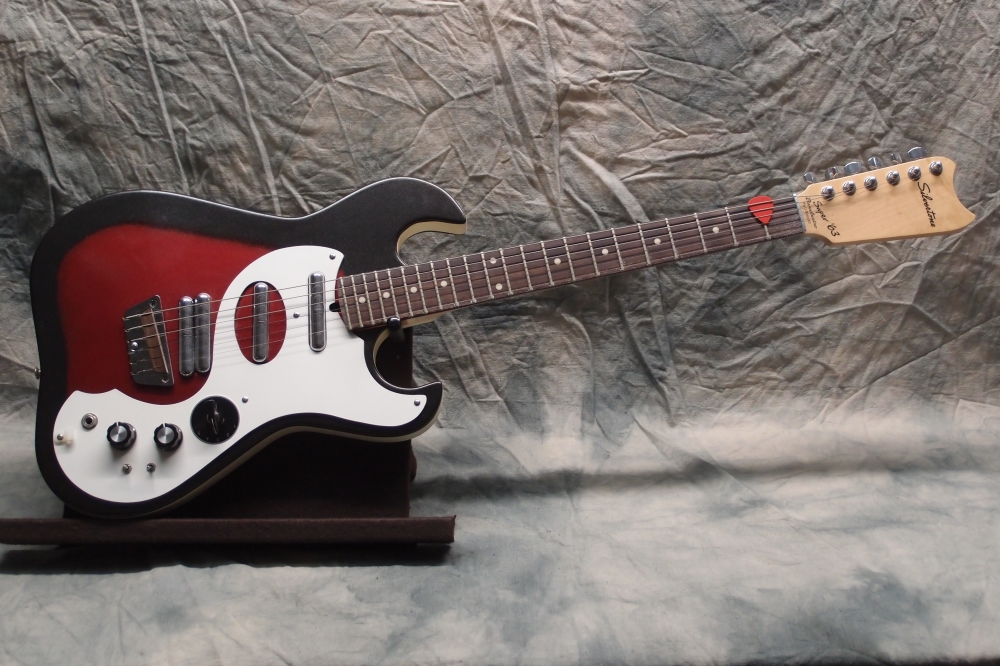
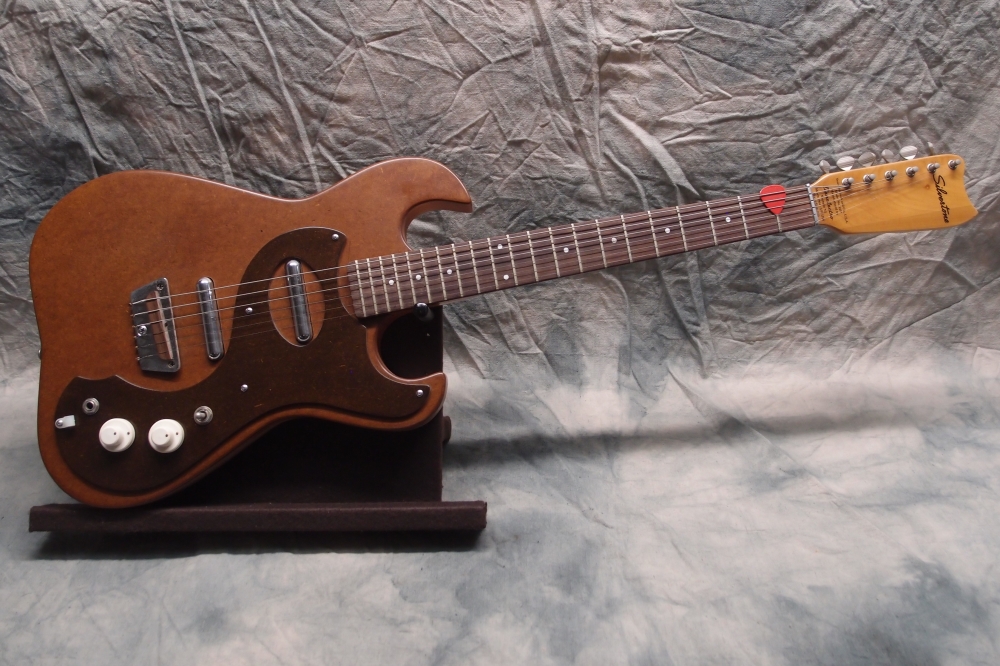
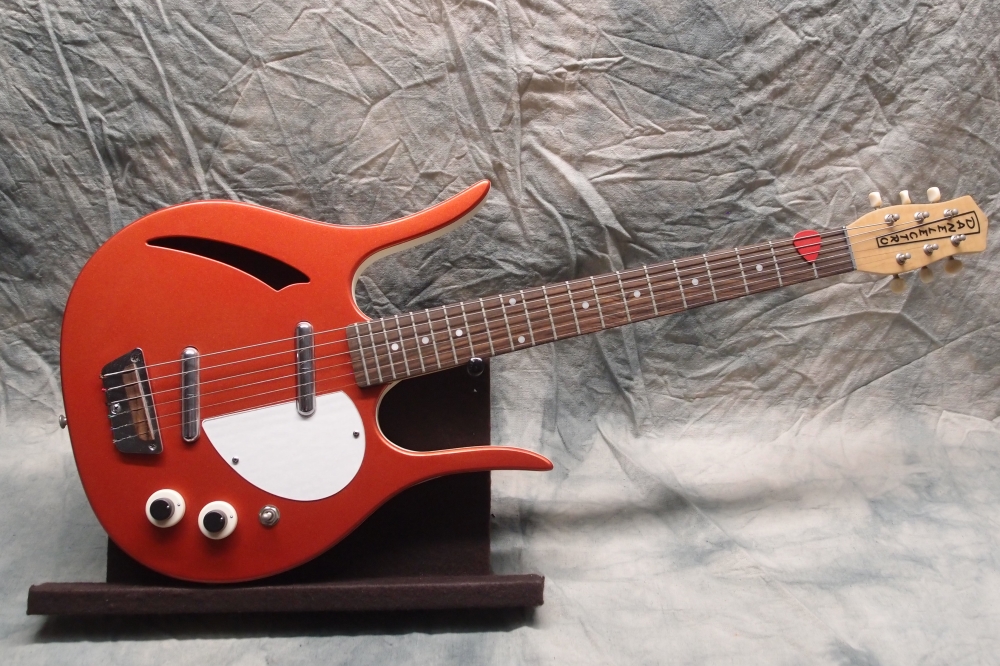
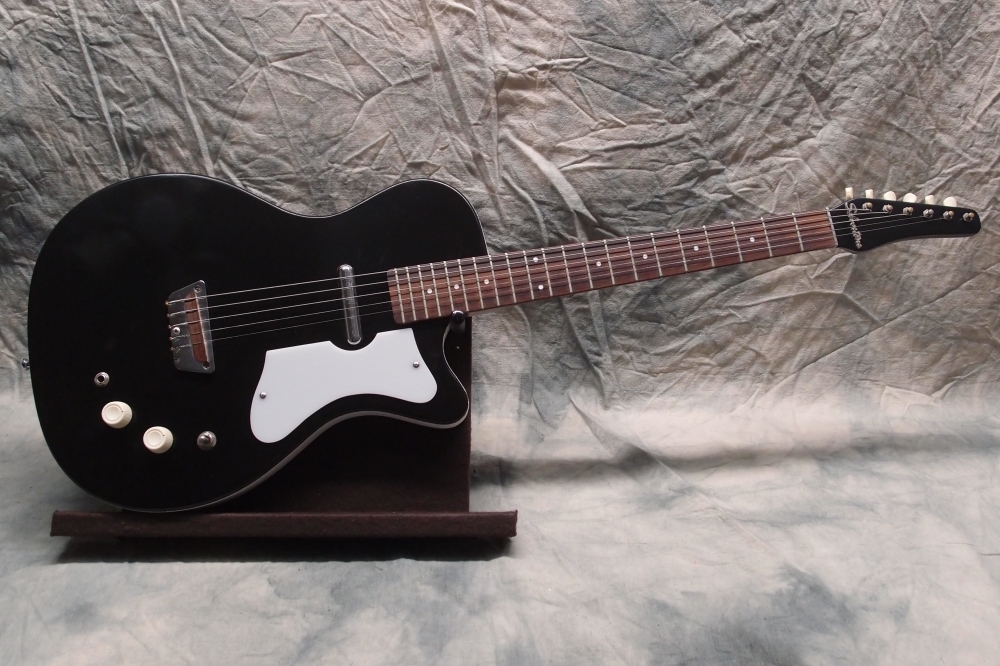
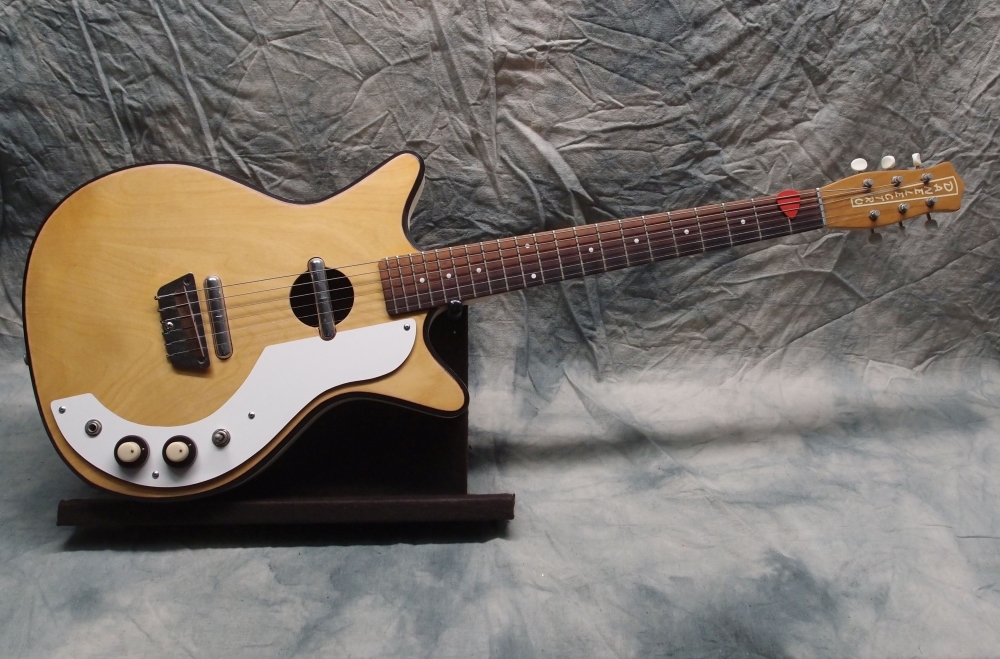
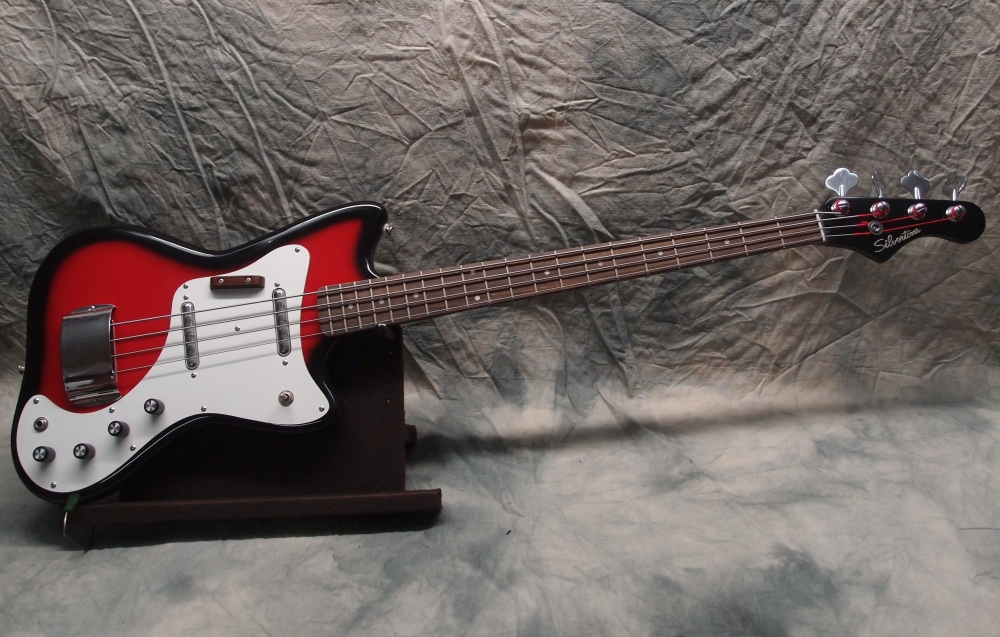
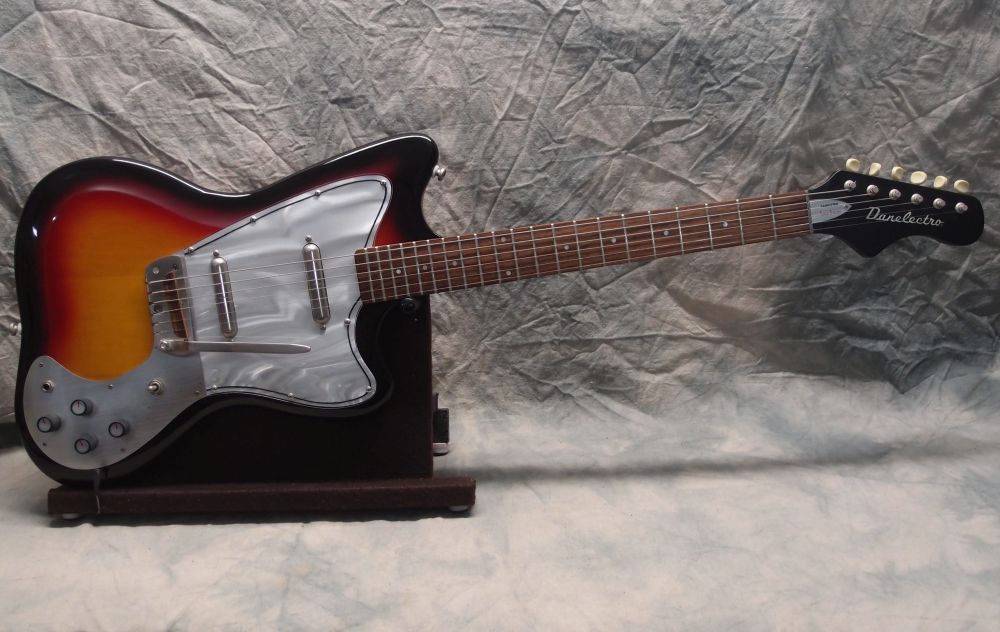
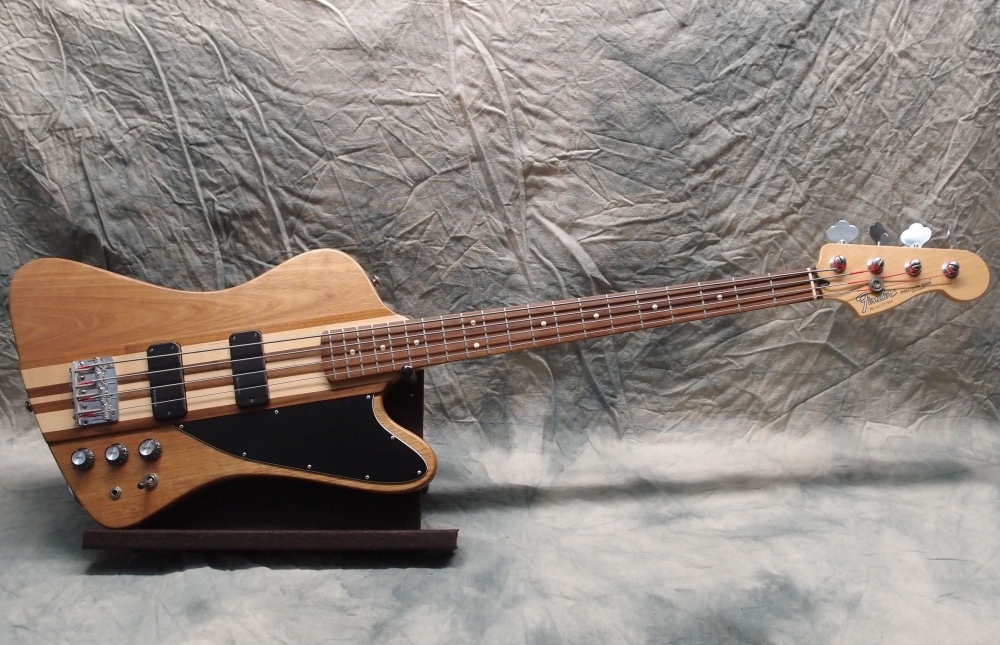
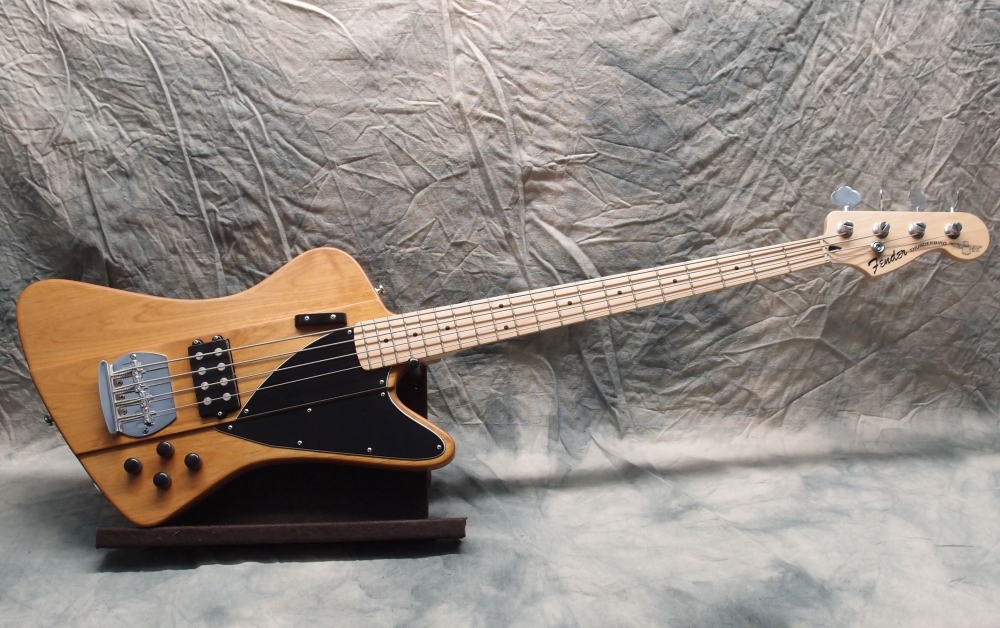
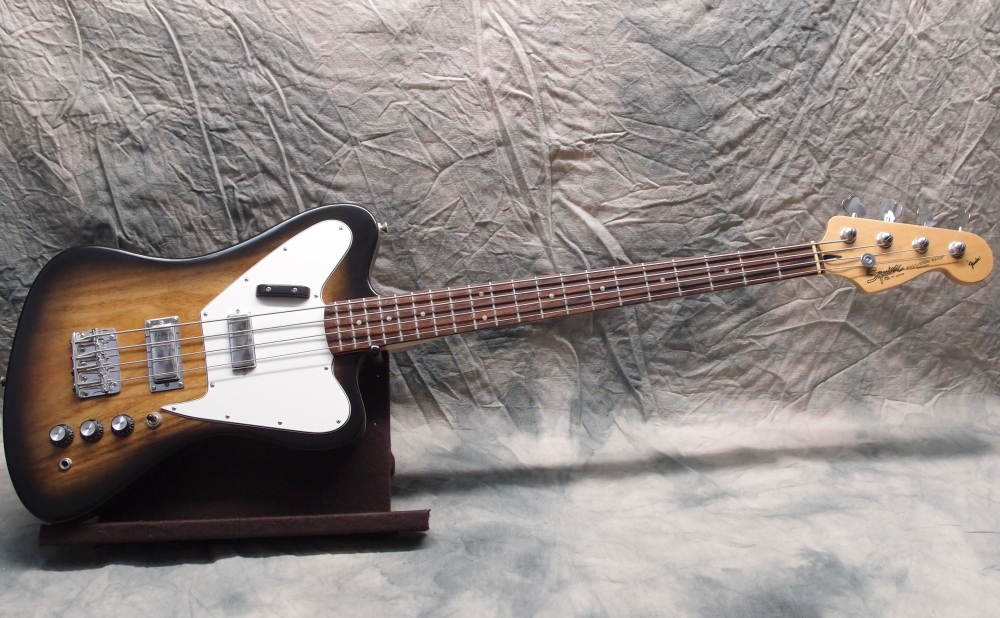
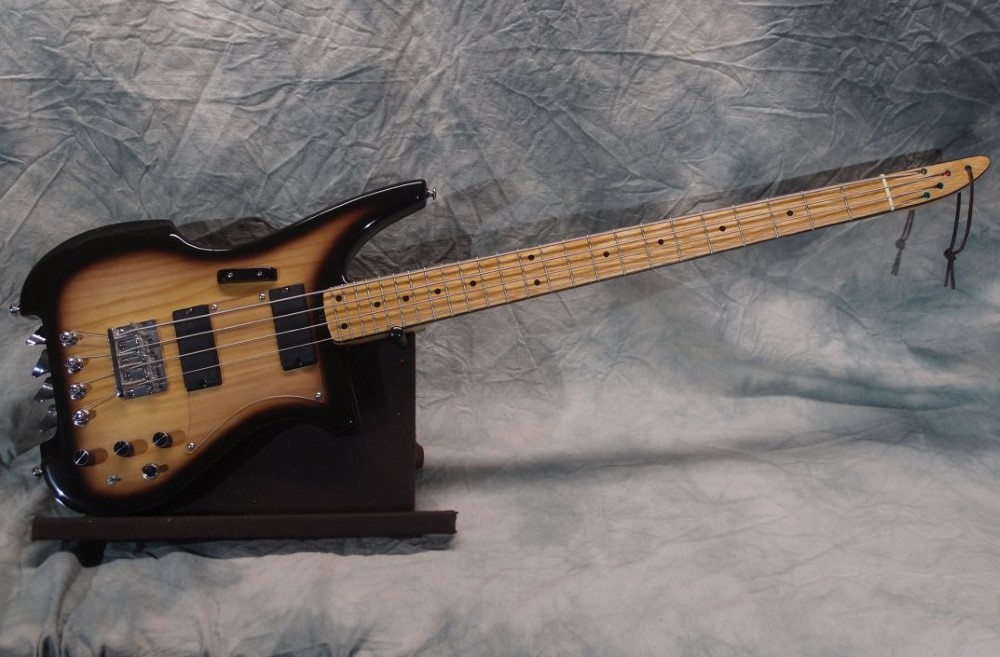
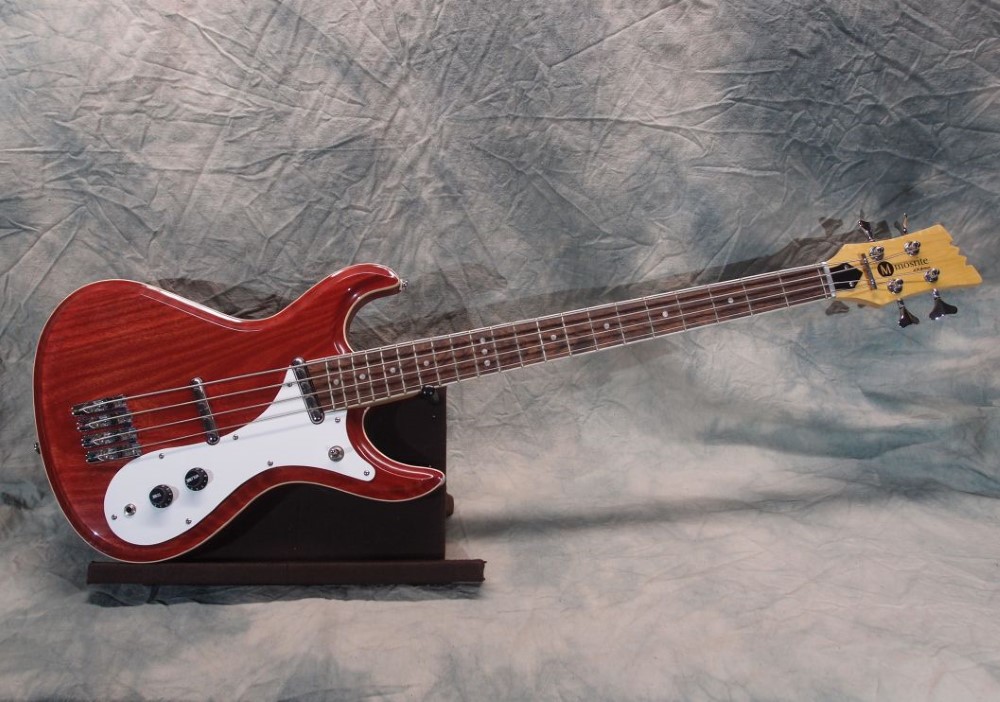
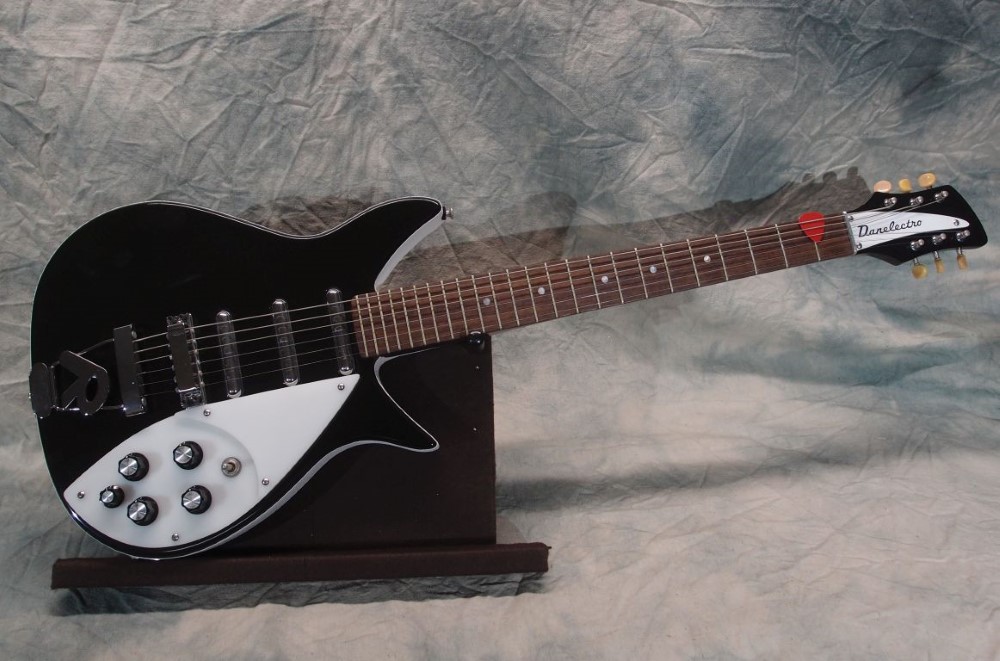
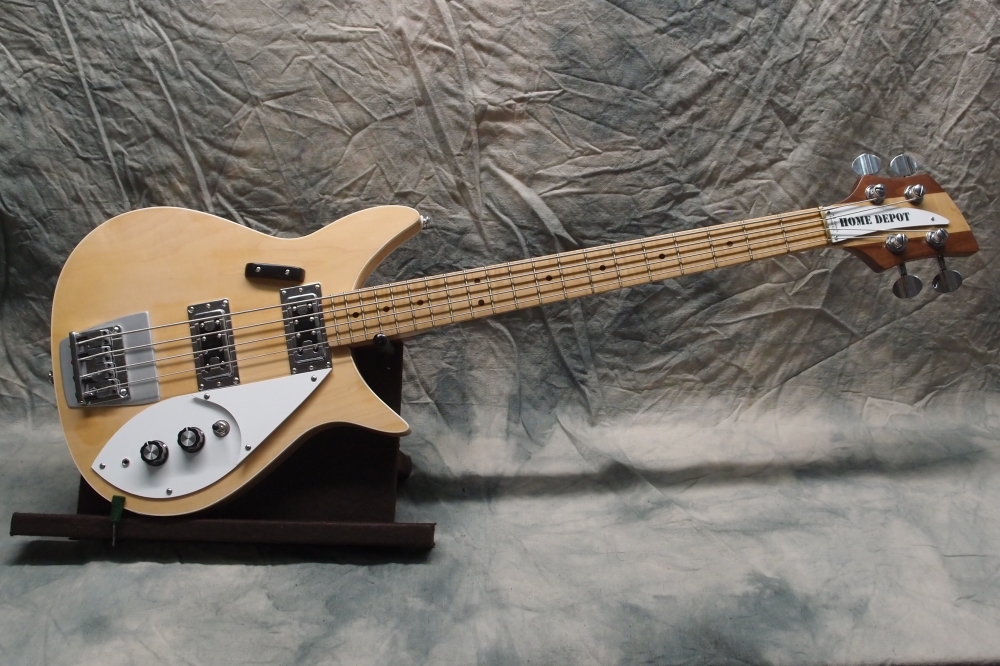
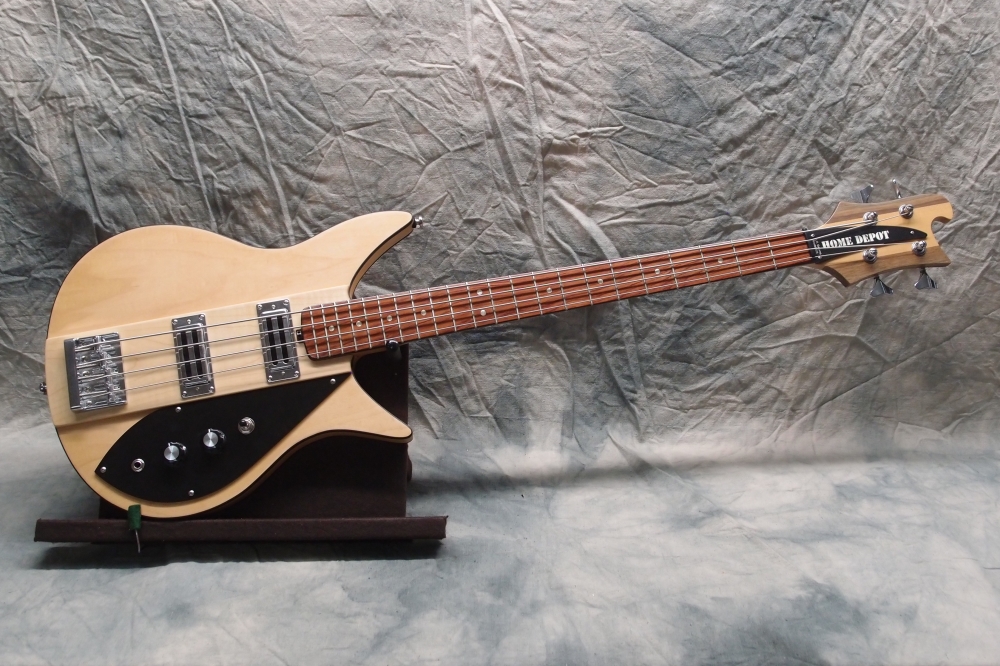
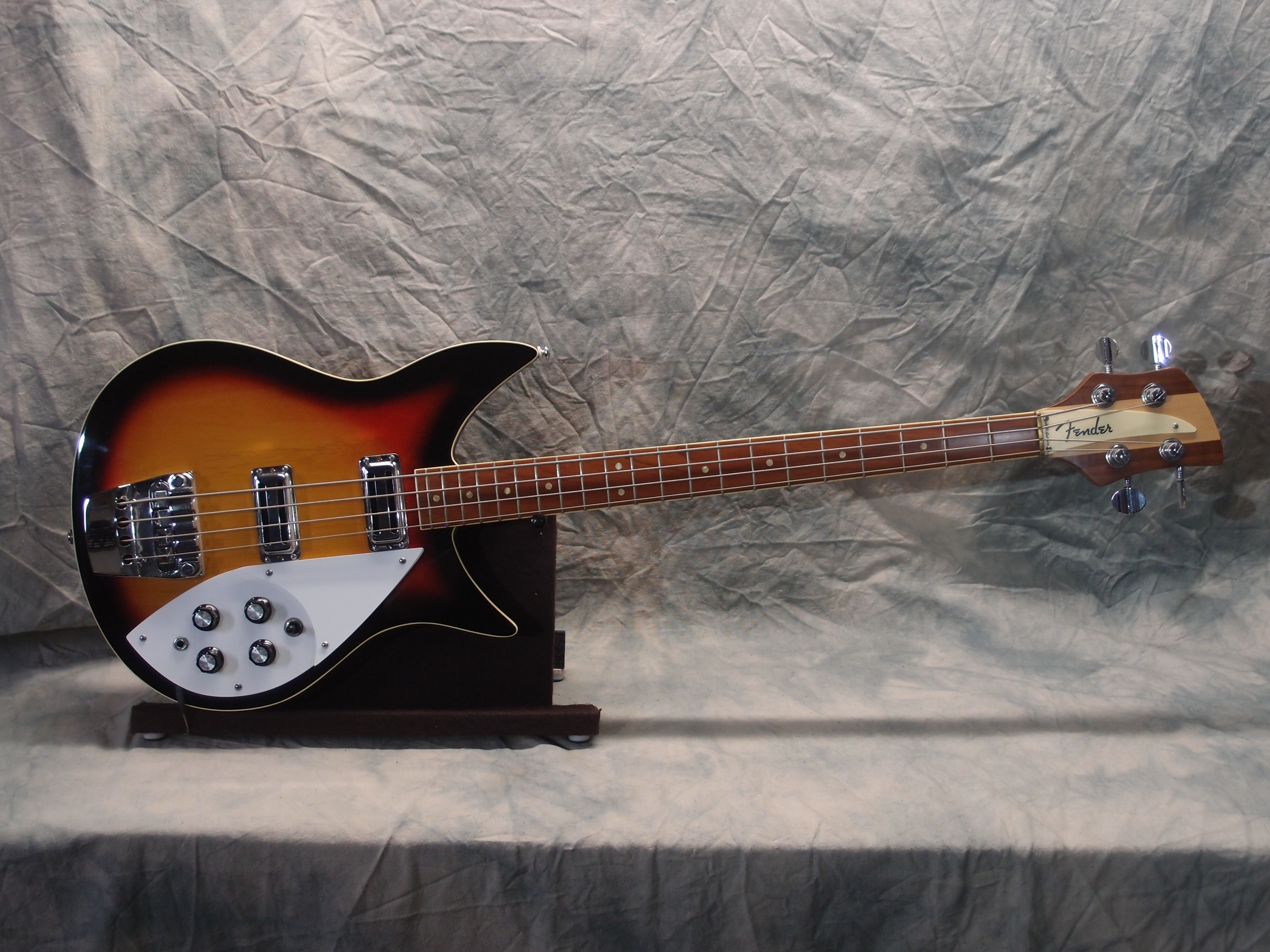
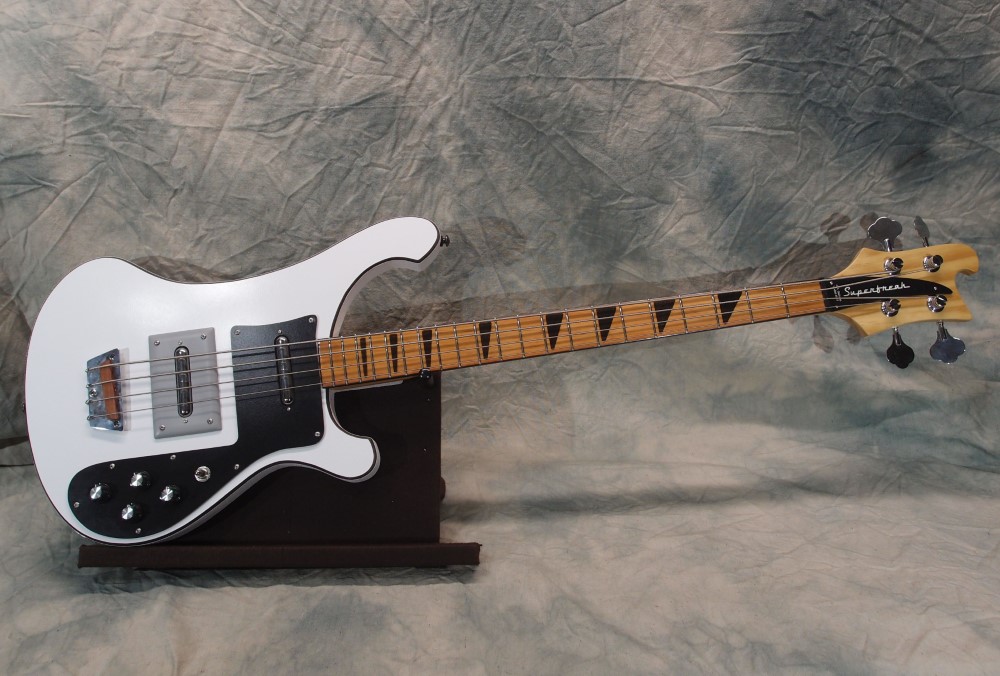
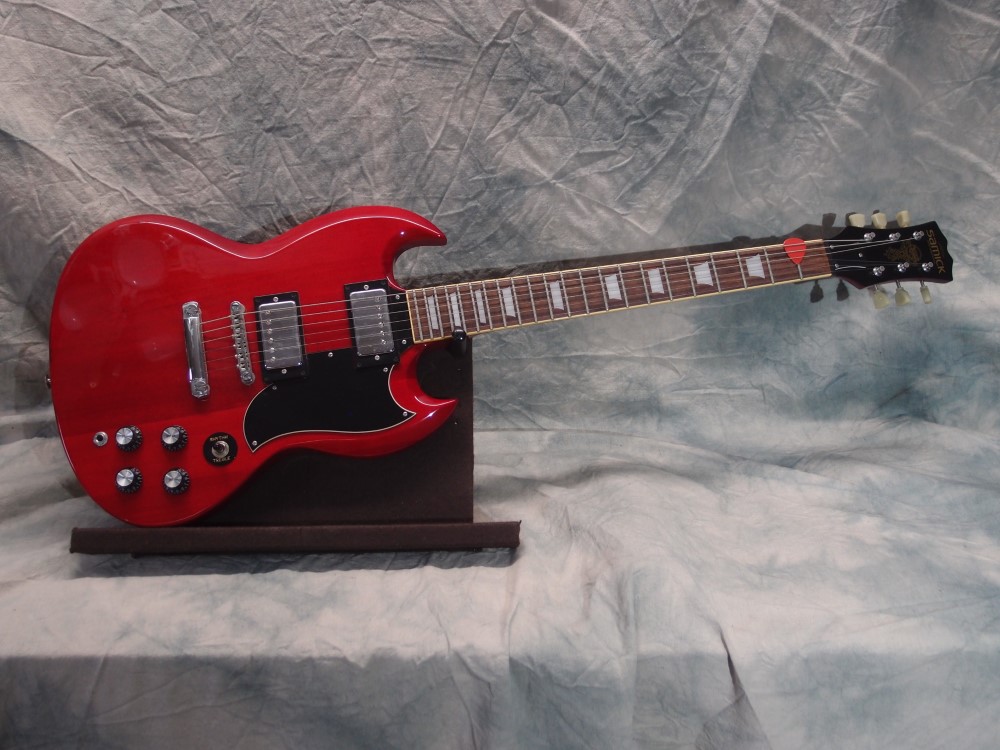
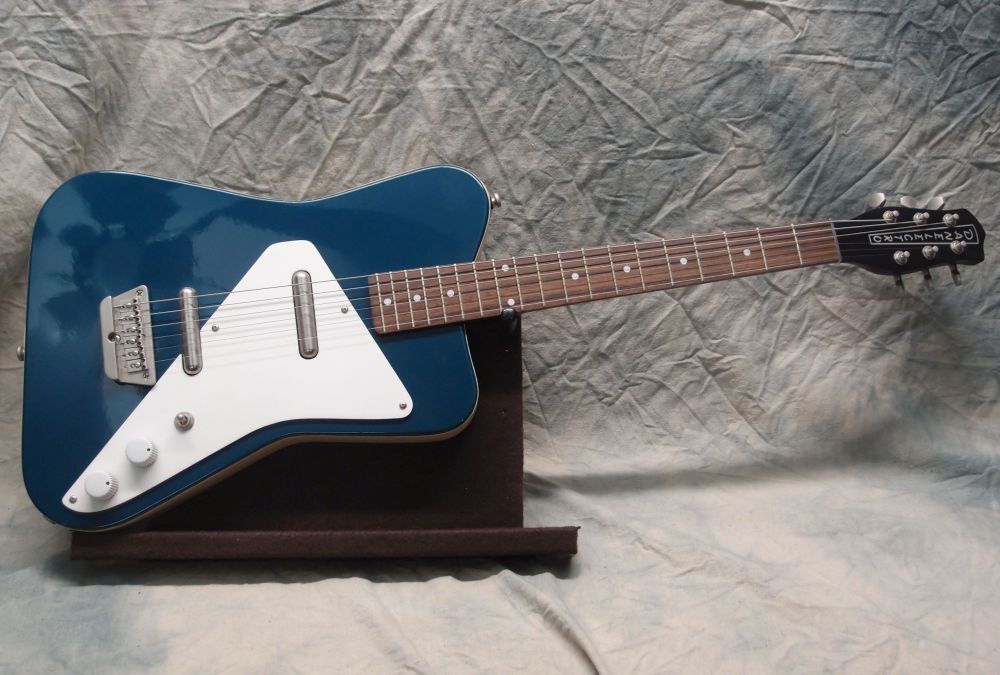
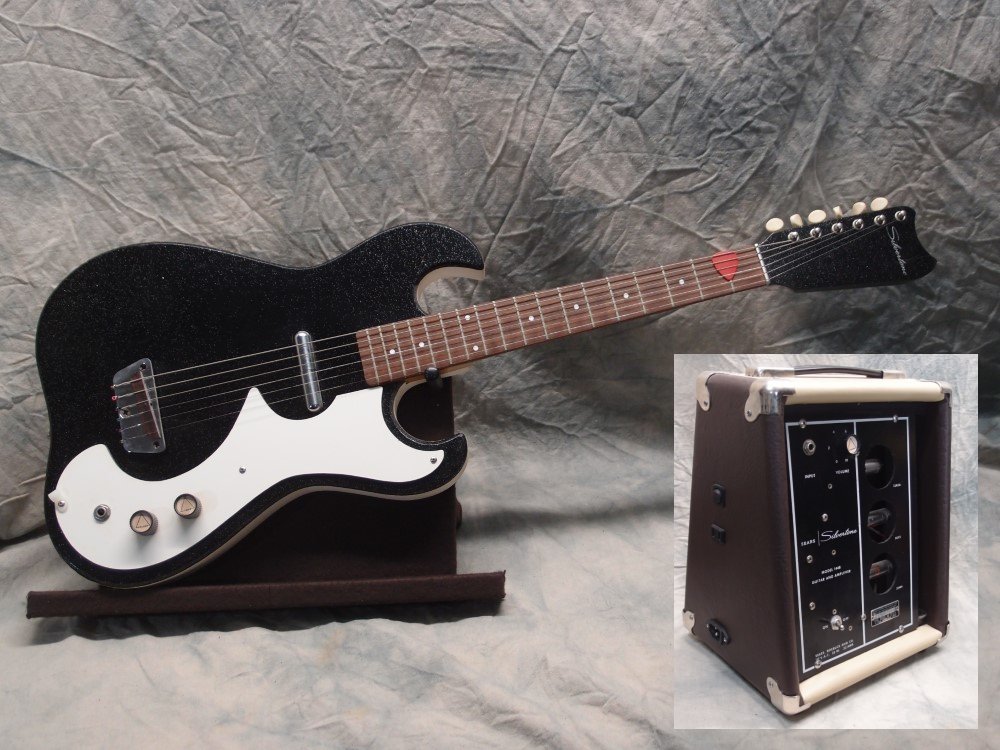
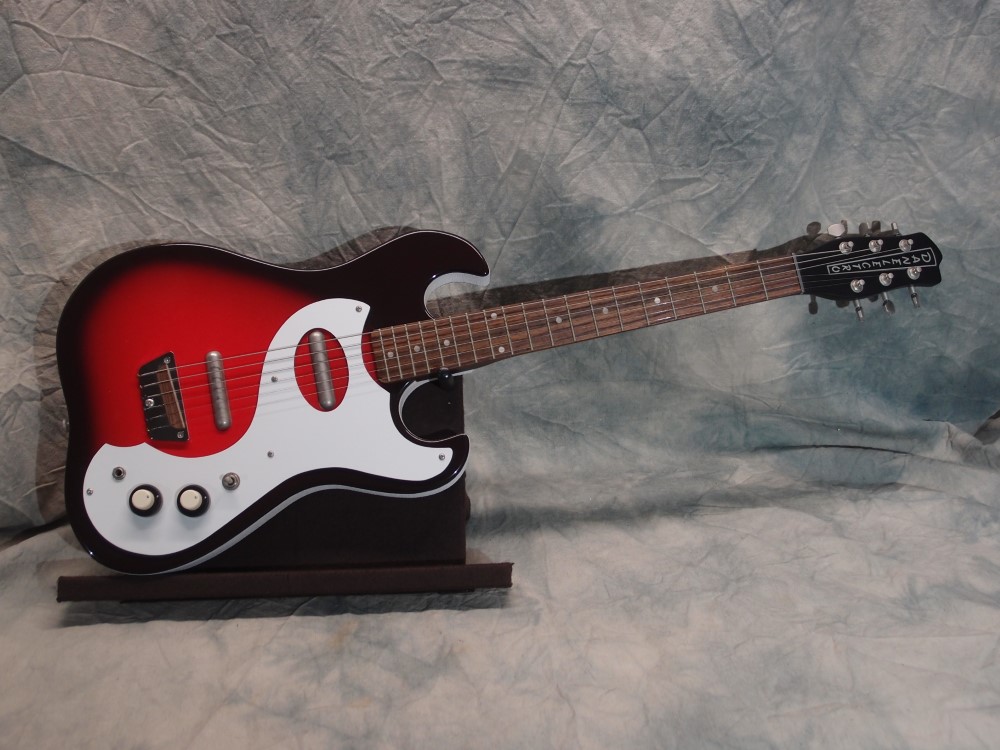
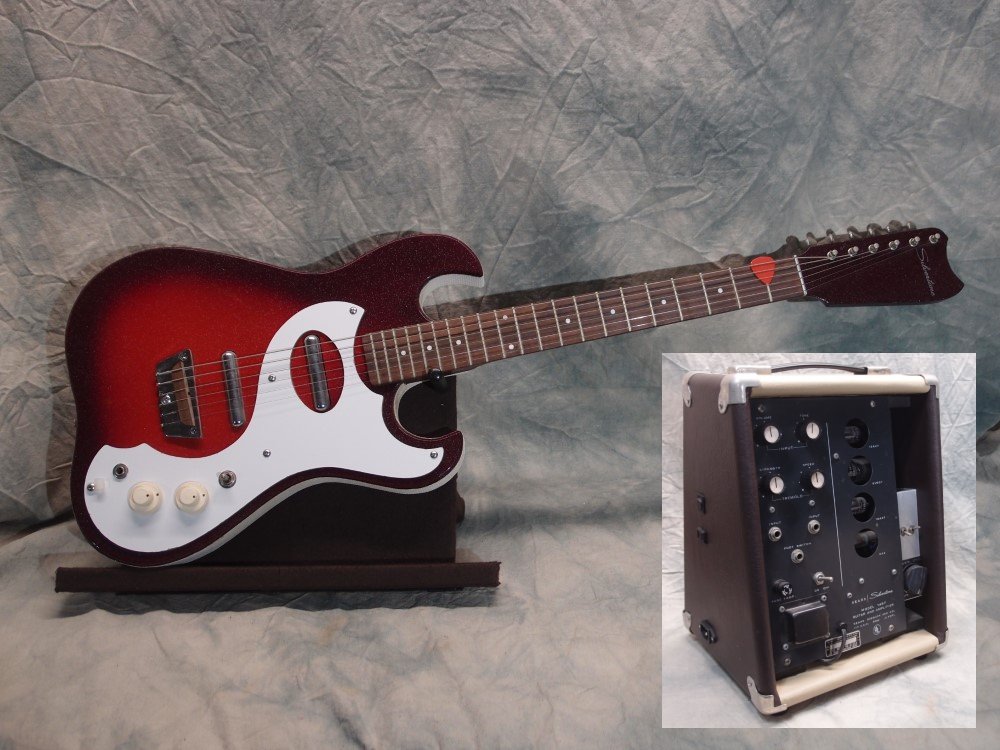
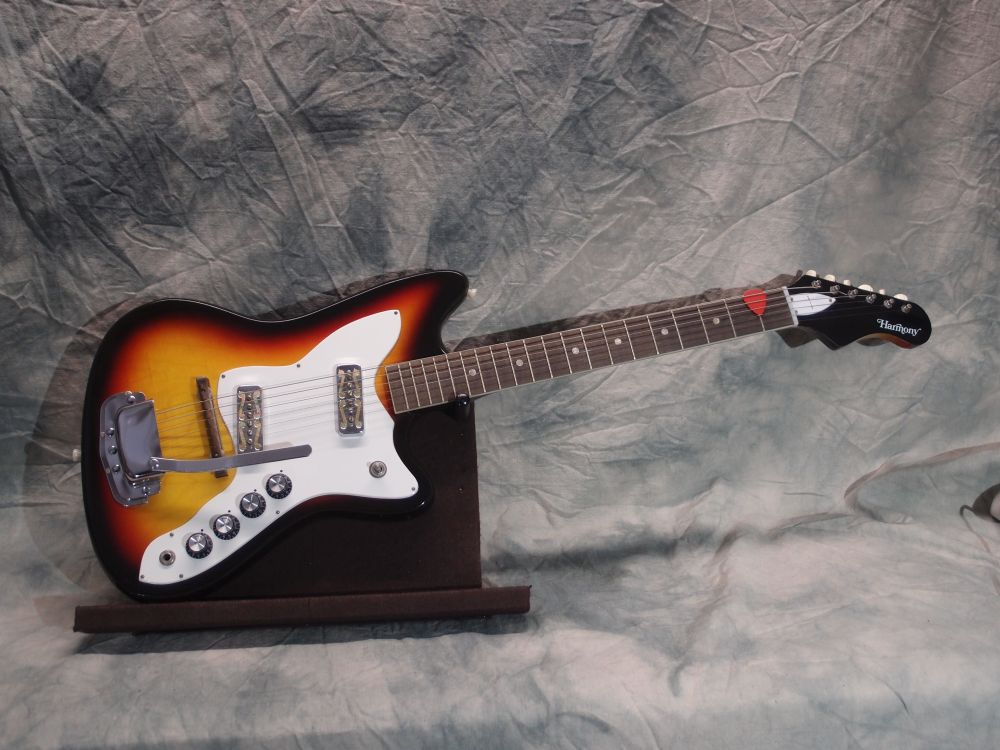
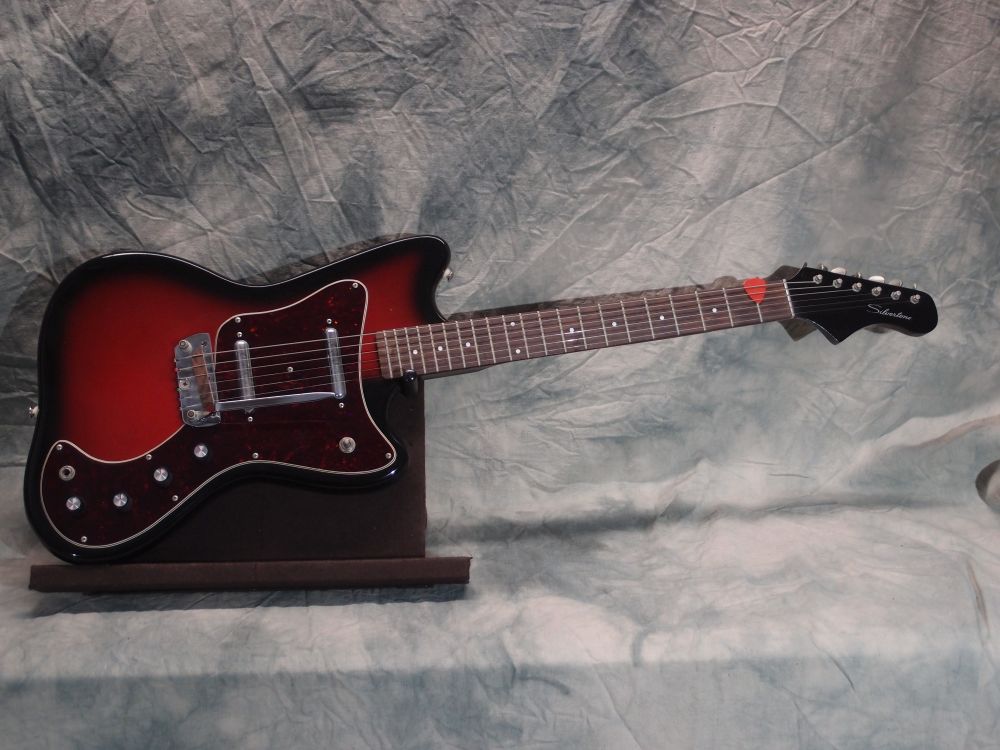
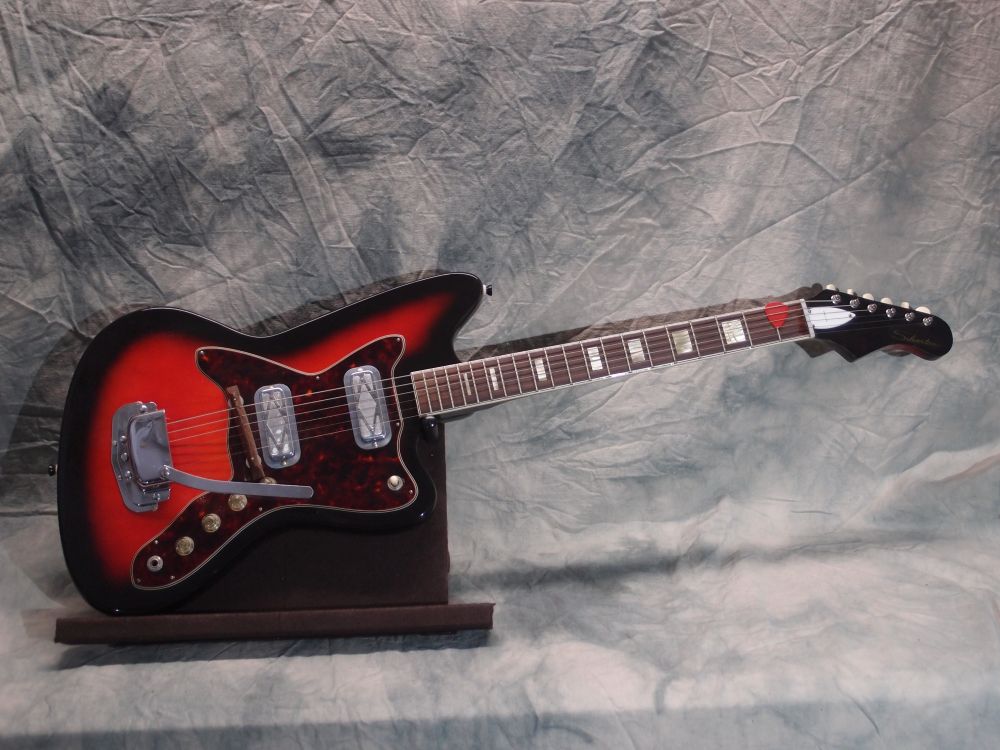
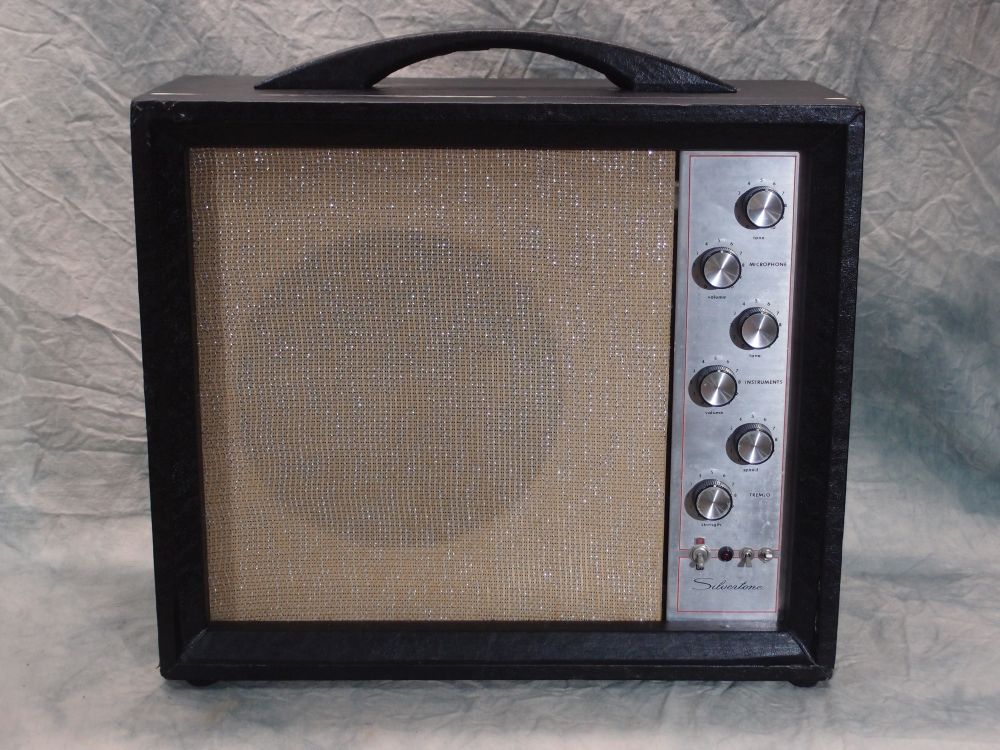
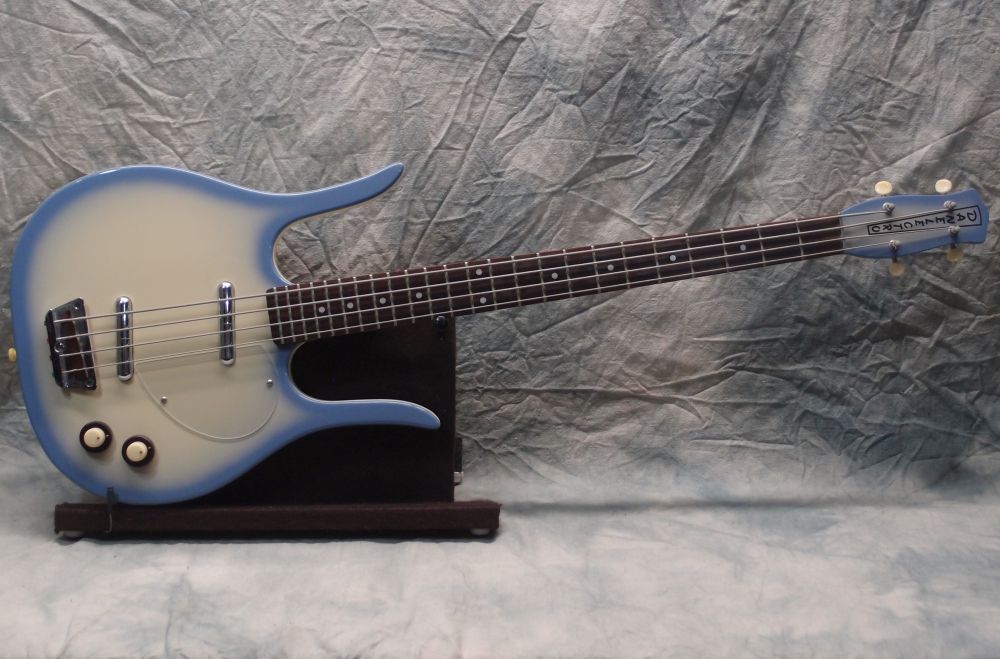
I like to experiment with materials, designs, and techniques outside of conventional luthiery to build low-cost, high-quality, fully-functional, and attractive electric guitars and basses. What I am not interested in is doing the same old thing the same old way it has been done for decades.
More: Home ...
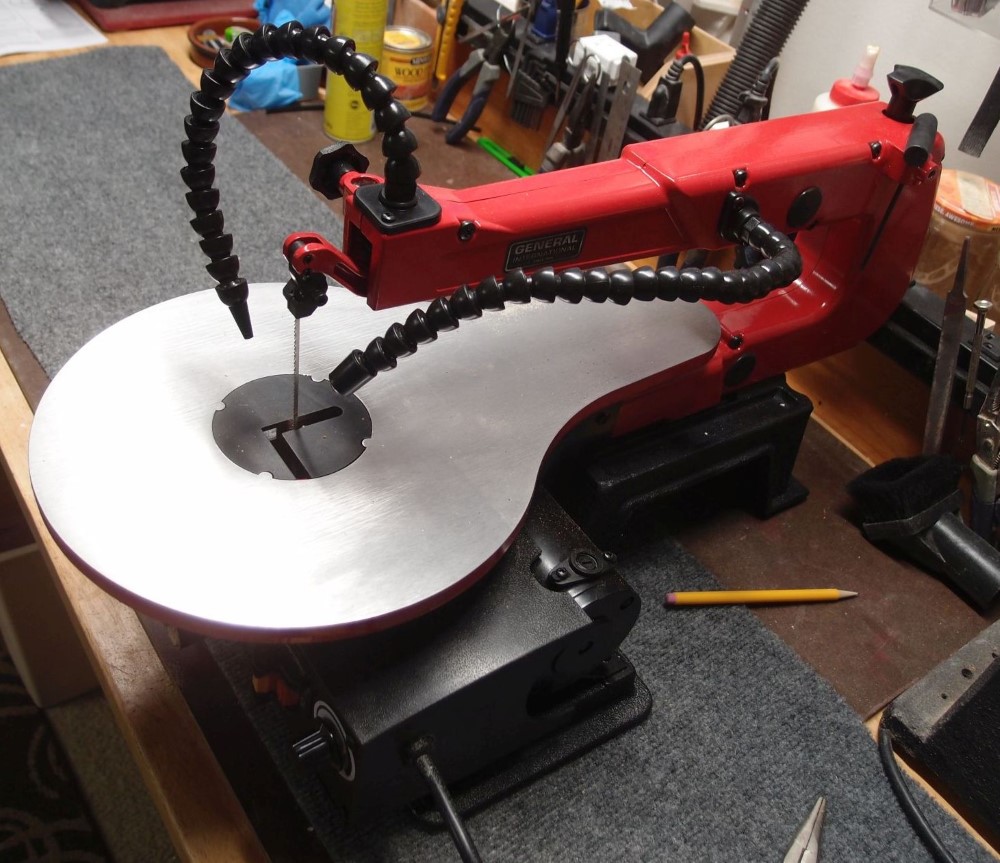
General International 1.2 Amp 16 in. Variable Speed Scroll Saw with Flex Shaft LED Work Light
This is another piece that I got for free for review. Normally it is about $90. I would have soldiered on forever with my ancient Craftsman saw because I am cheap, but free is free and even better than cheap, and this is a nice upgrade. Compared to my antique model, this saw is variable speed, easier to change blades and takes both kinds, adds a work light, dust blower and dust port, and is lighter with a bigger table.
More: A Decent Scroll Saw ...