Doing Things Wrong

Home

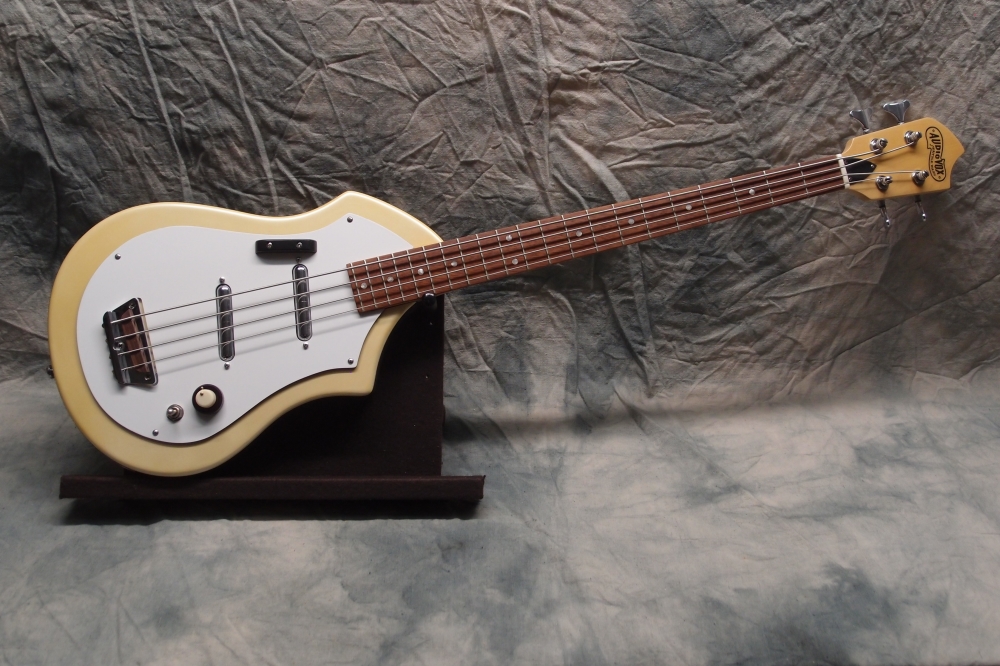
Audiovox Gibson-style Bass
Audiovox 736 Replica Bass
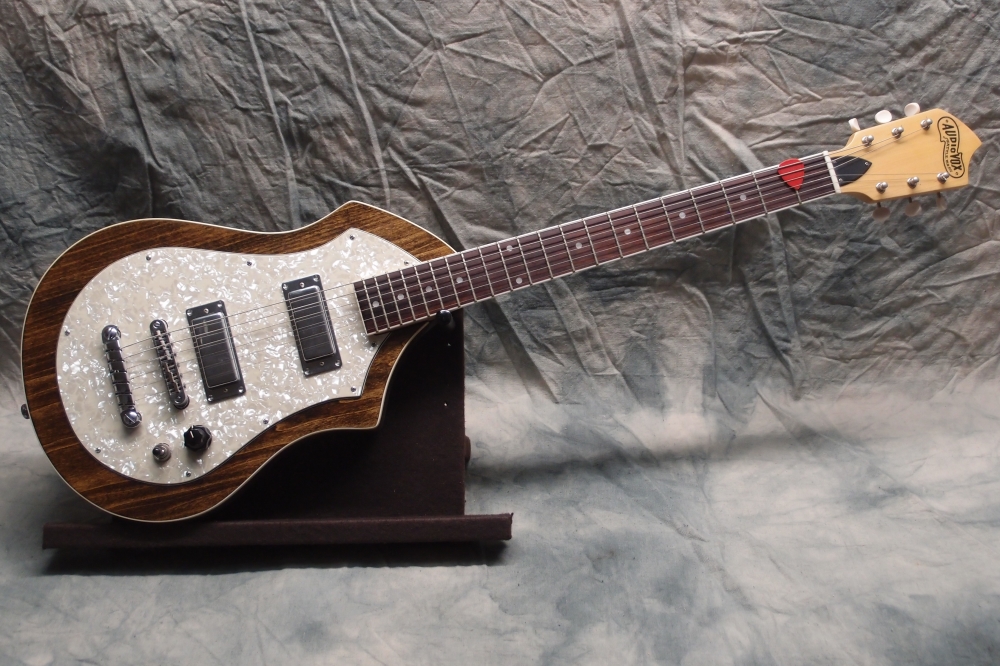
Audiovox Gibson-style Guitar
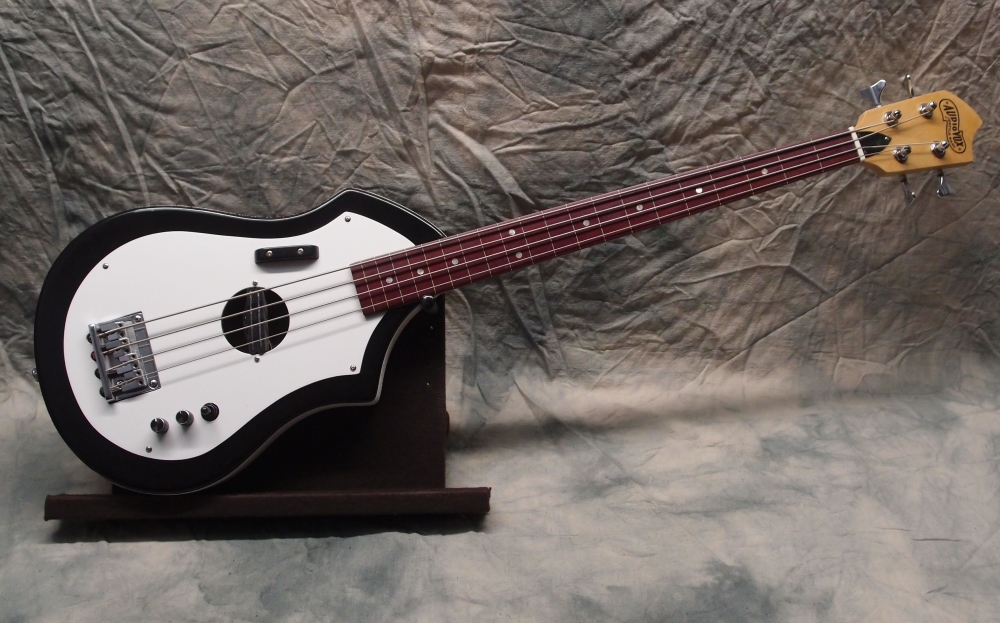
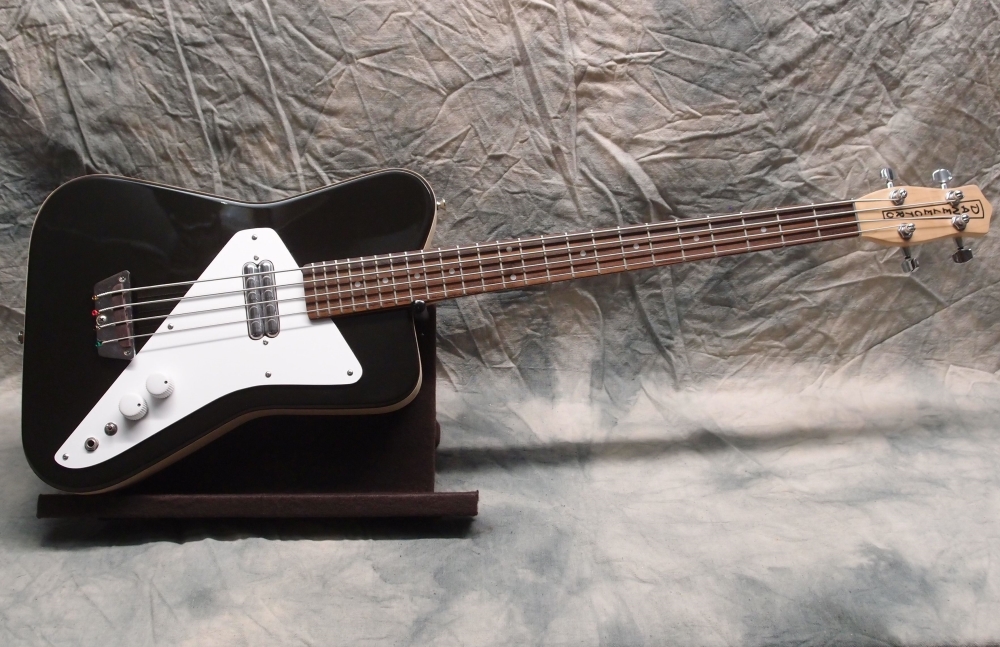
Audiovox Danelectro-style Bass
Audiovox Fretless Bass
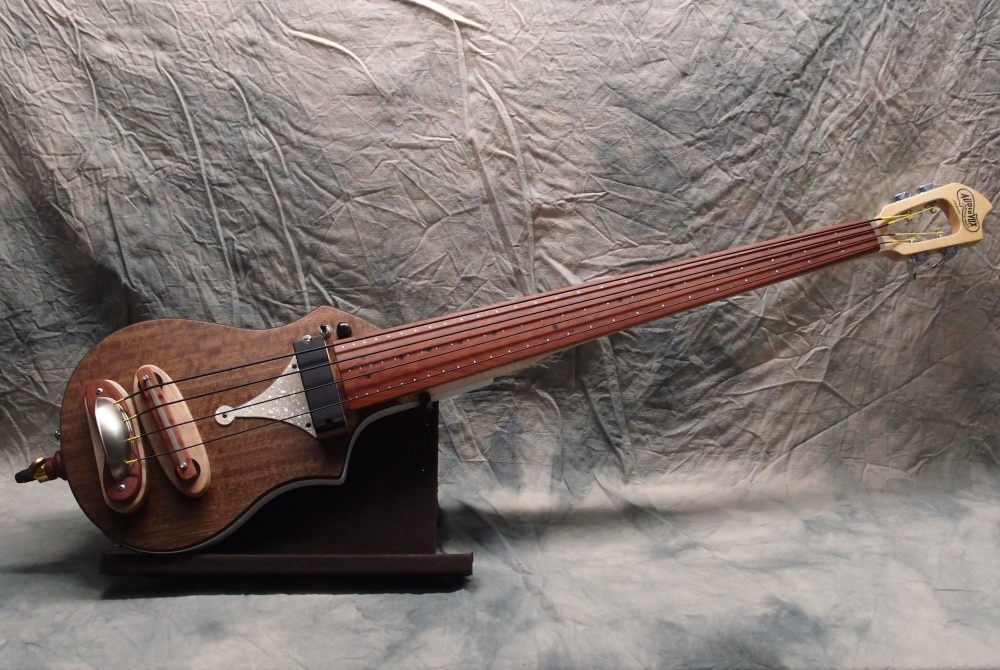
Audiovox Electric Upright Bass
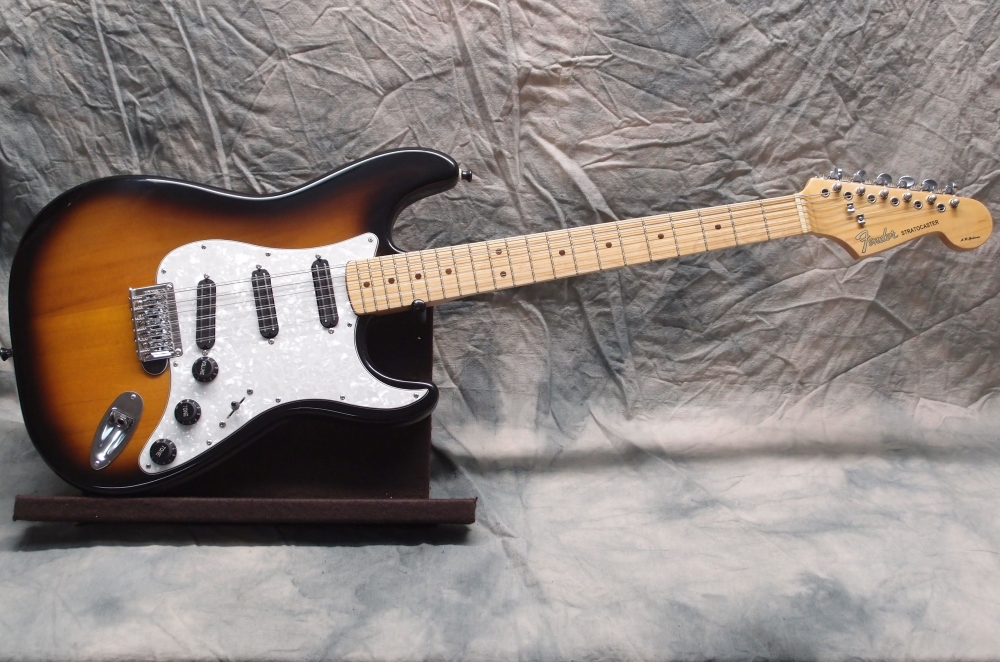
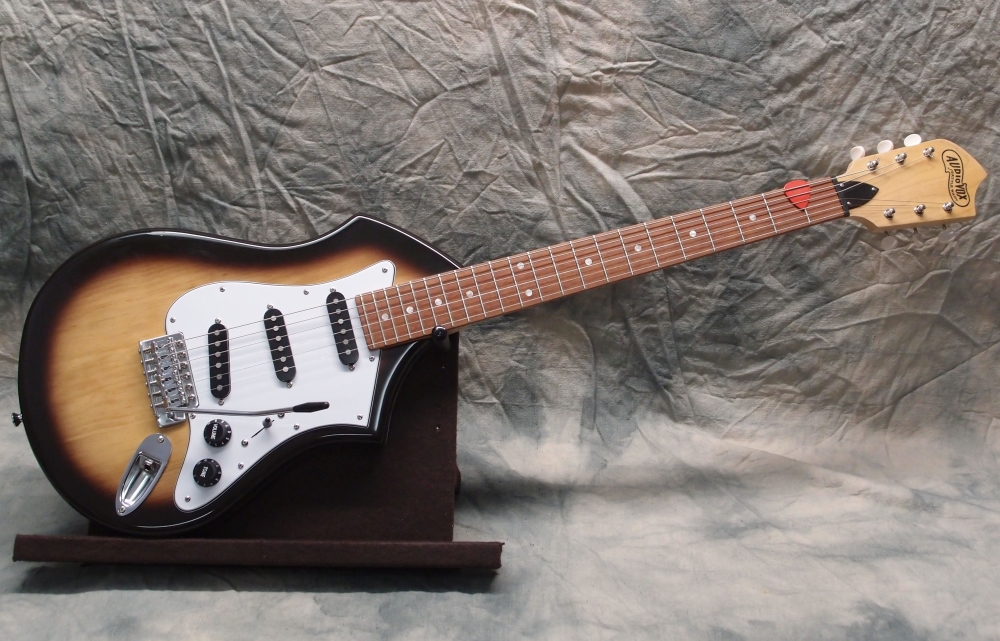
Audiovox Strat-style Guitar
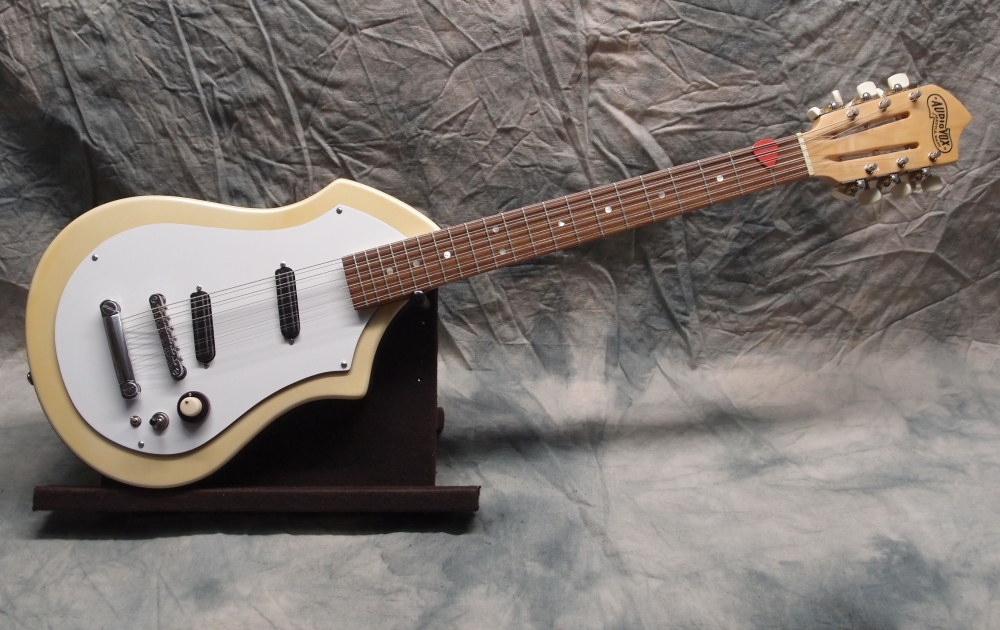
Audiovox 12-string Guitar
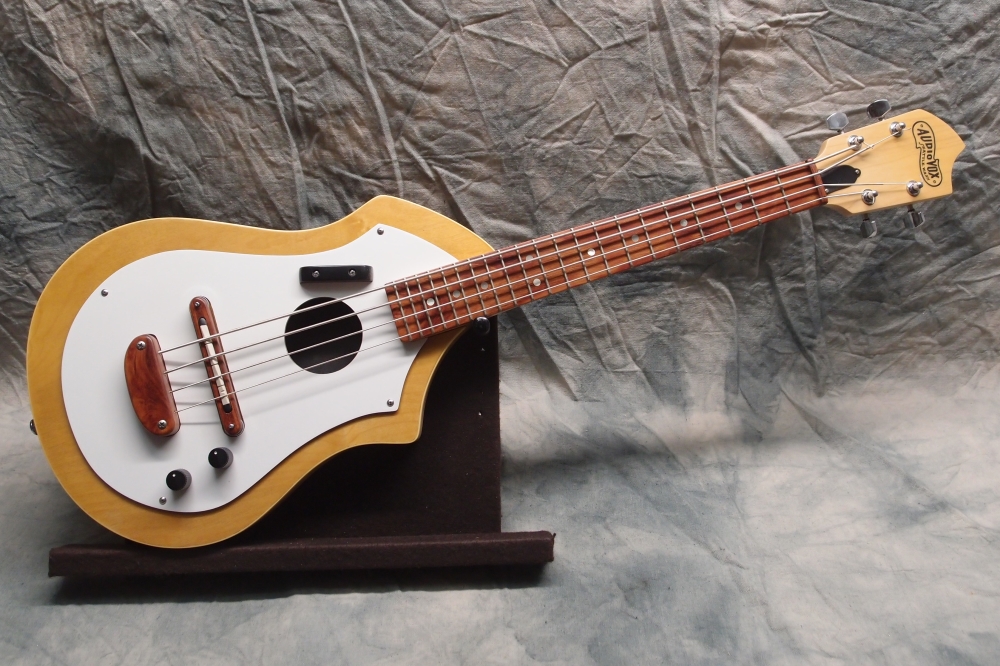
Audiovox Ukulele Bass
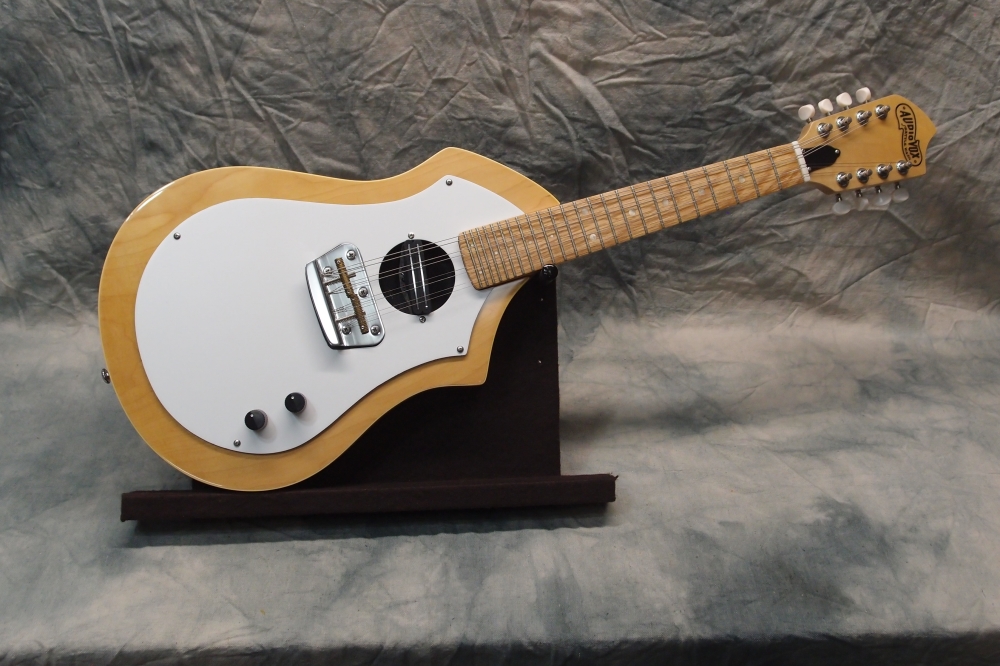
Audiovox Mandolin
BC Rich "Osprey" Bass
Brownsville Violin Bass
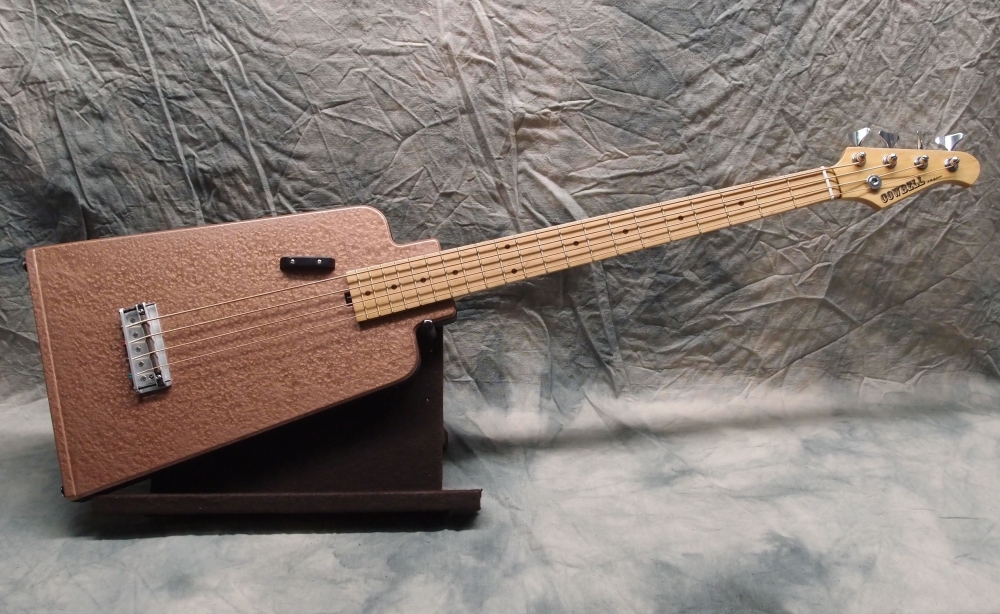
Cowbell Bass
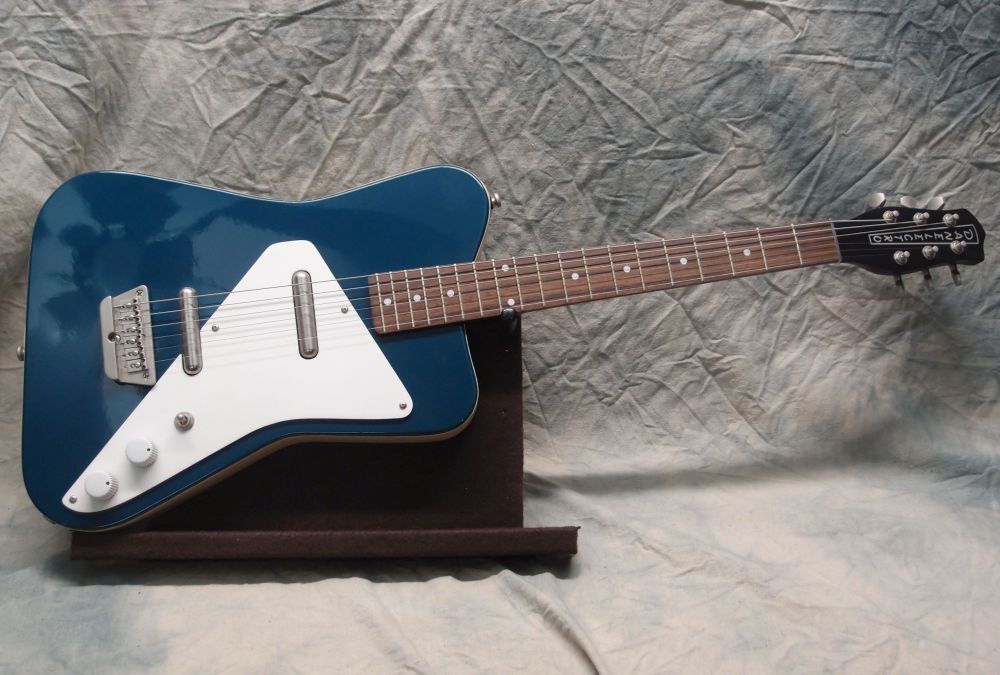
Danelectro Pro-1 Bass
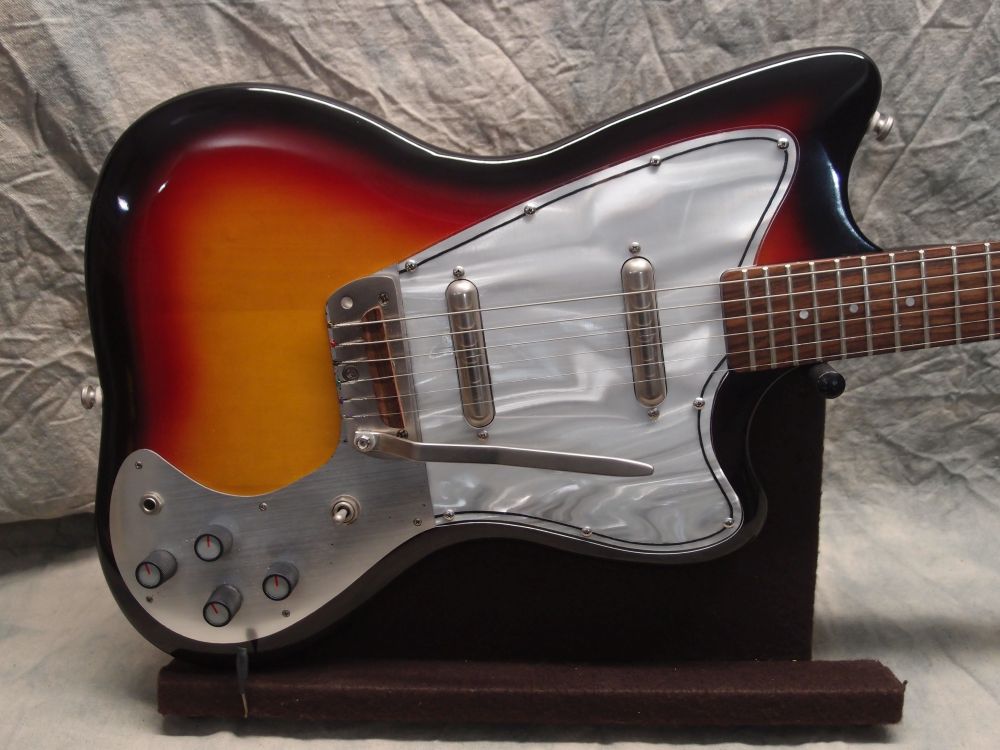
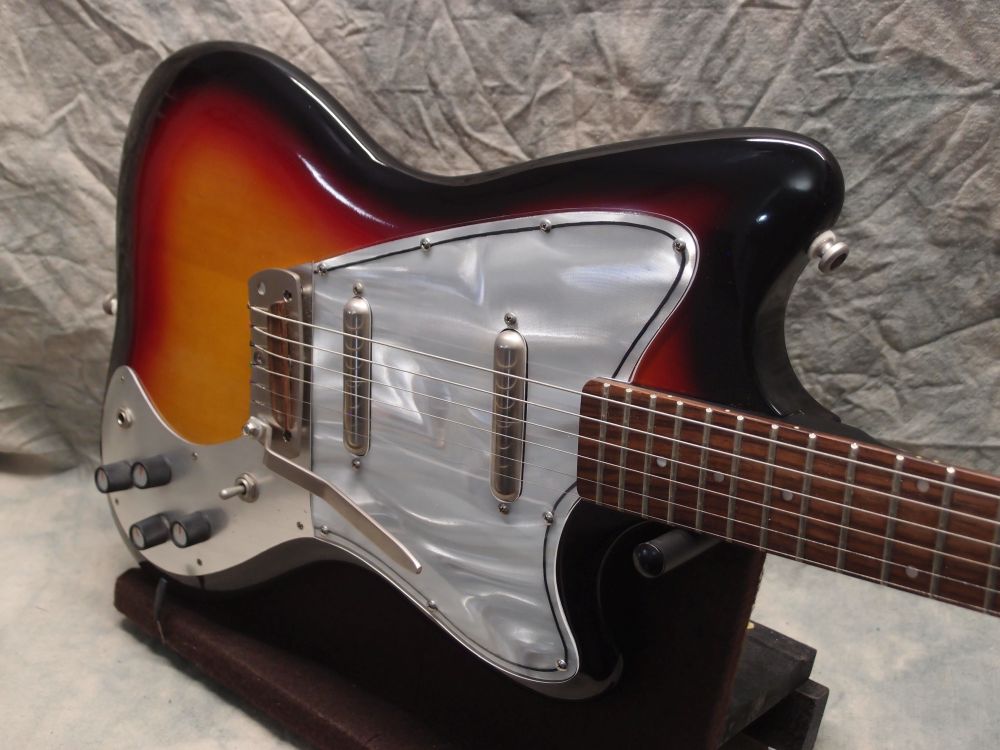
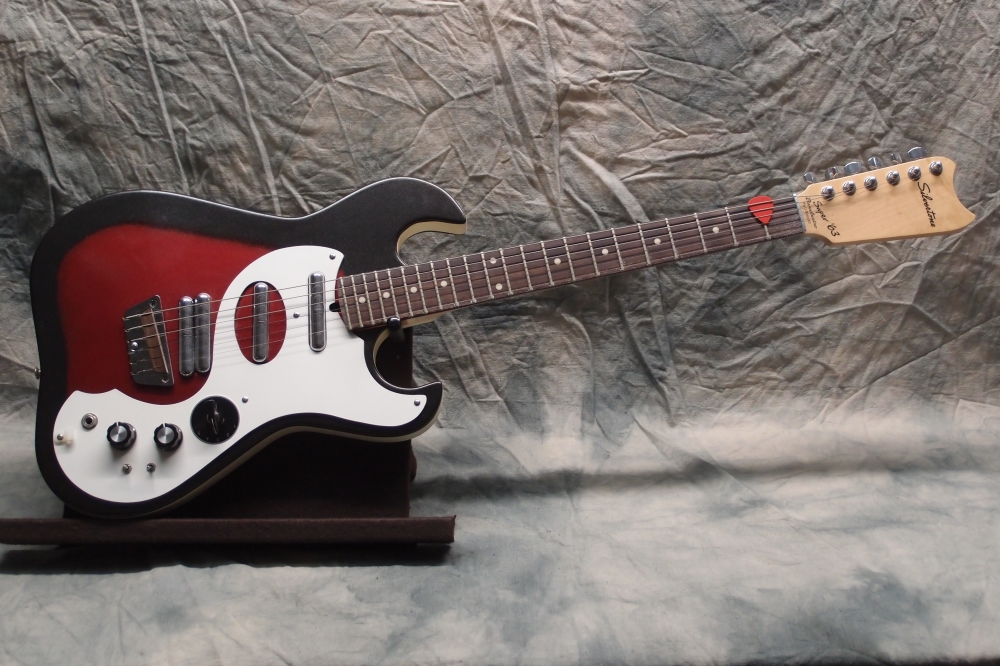
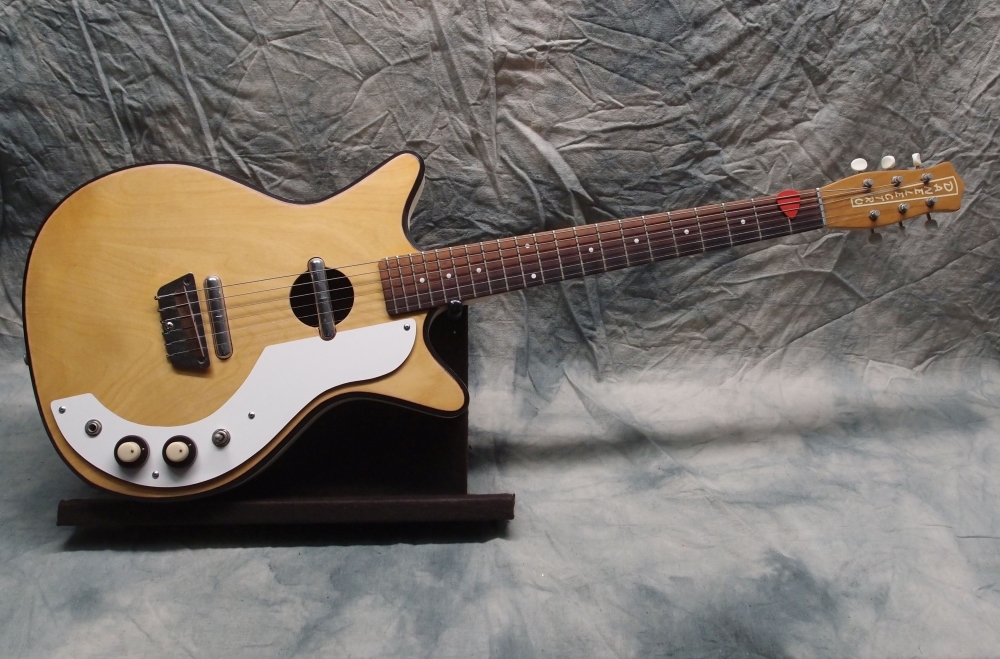
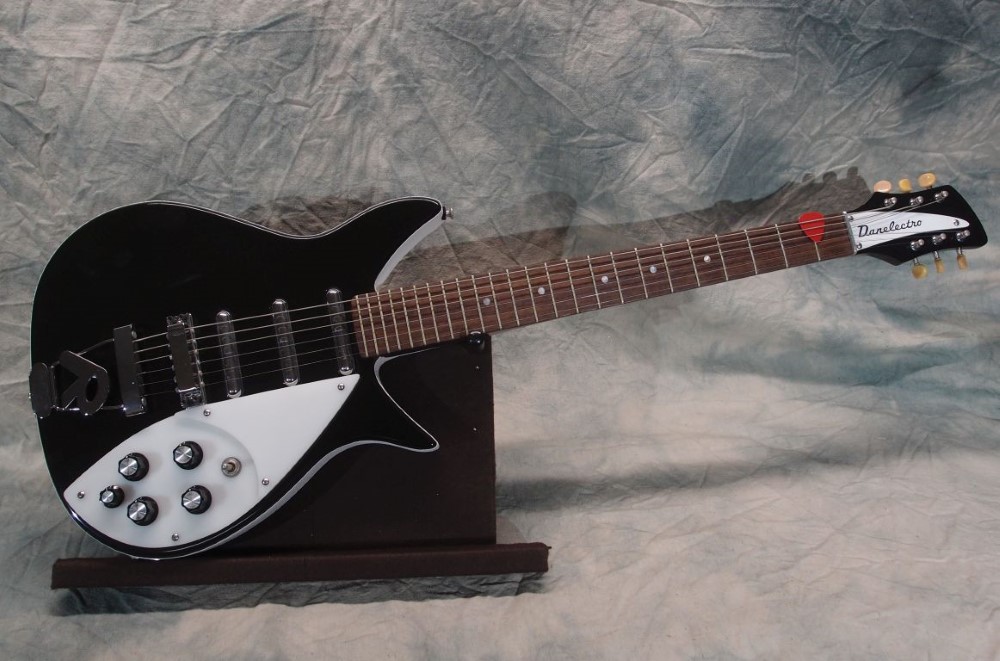
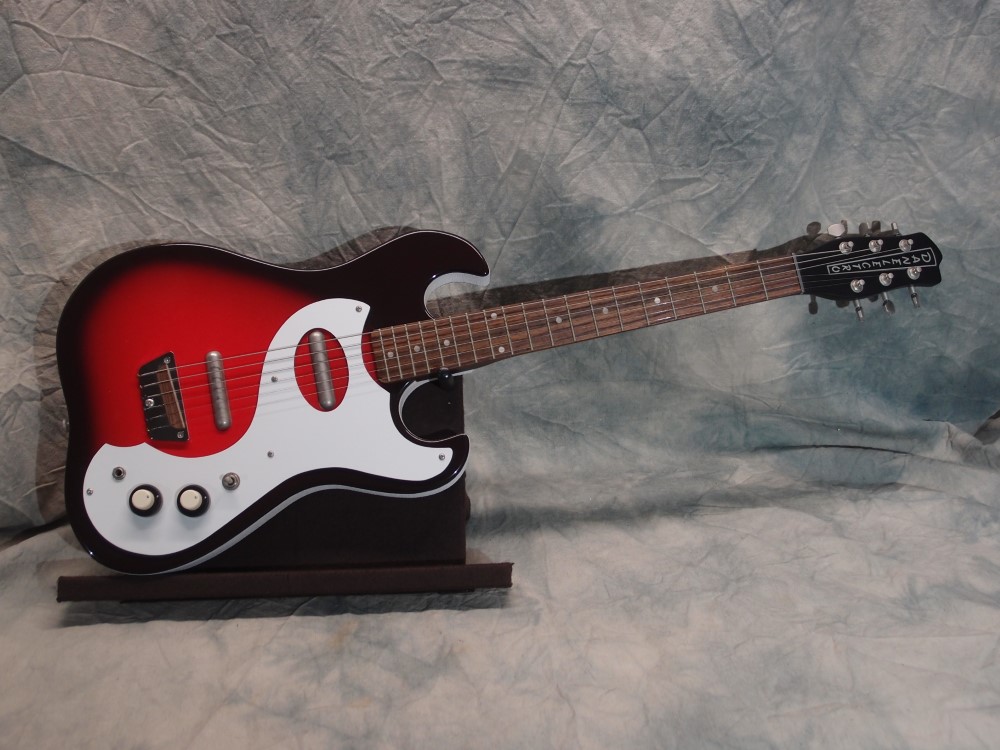
Danelectro "Super-63" Guitar
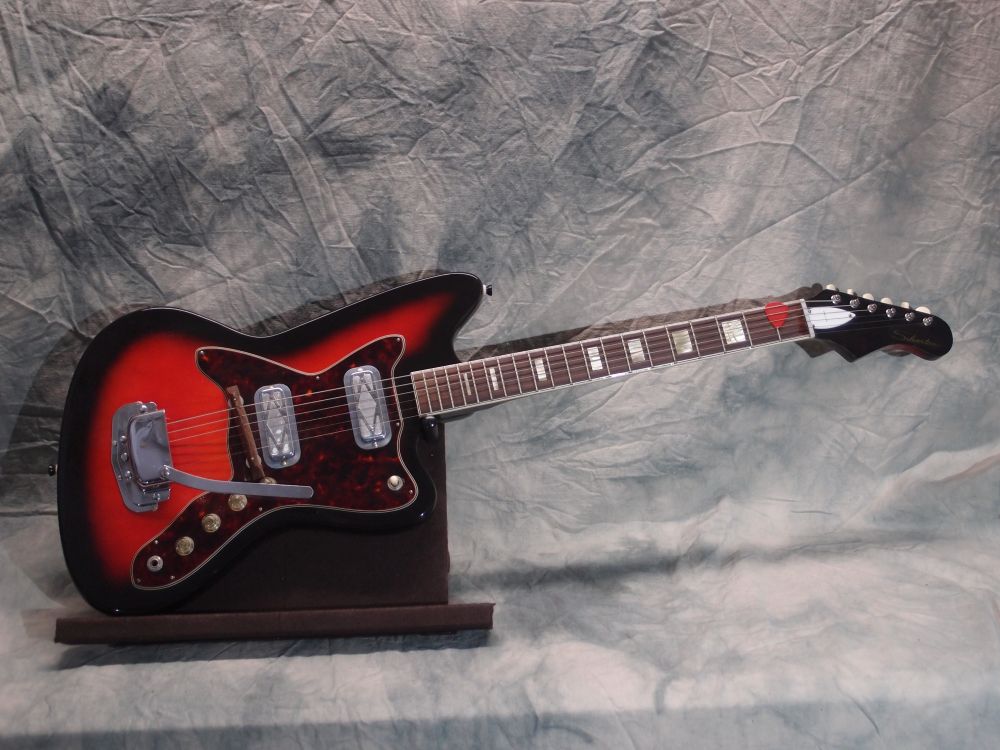
Danelectro Silvertone 1457 Rescue Guitar
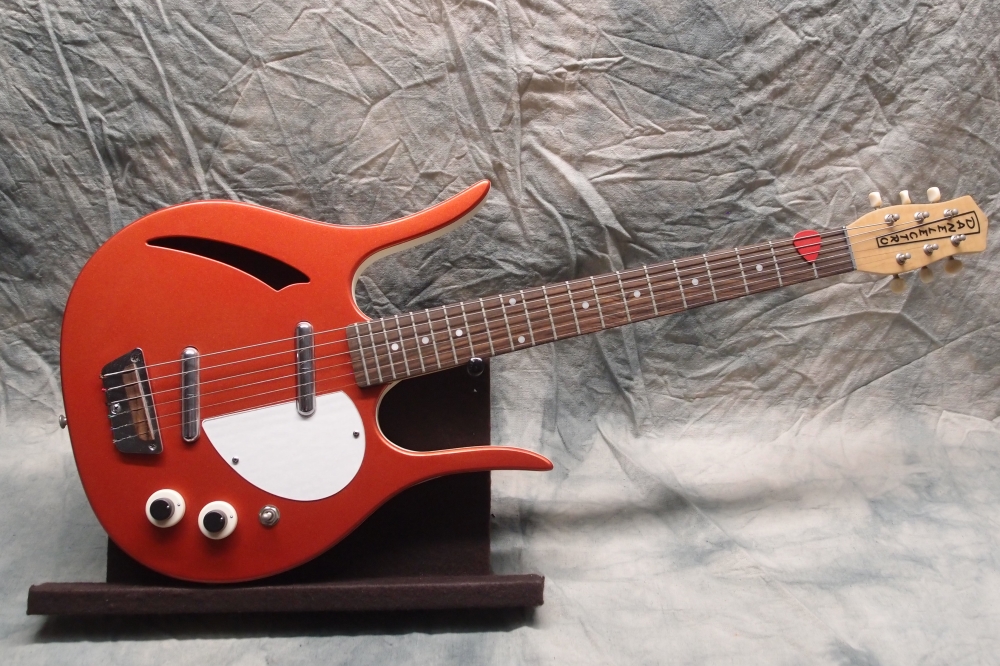
Danelectro Longhorn Guitar
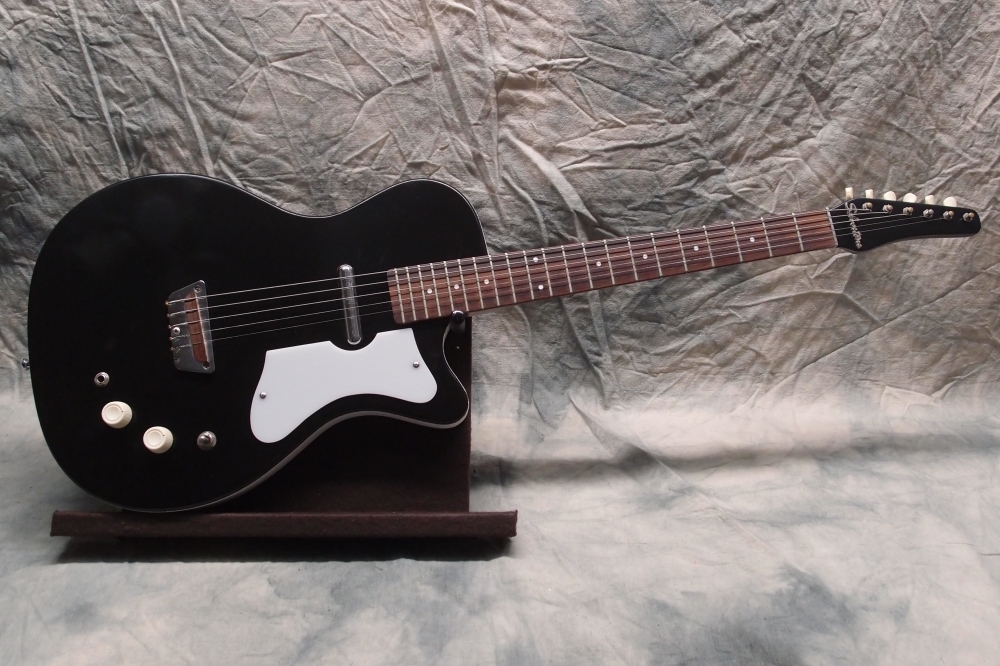
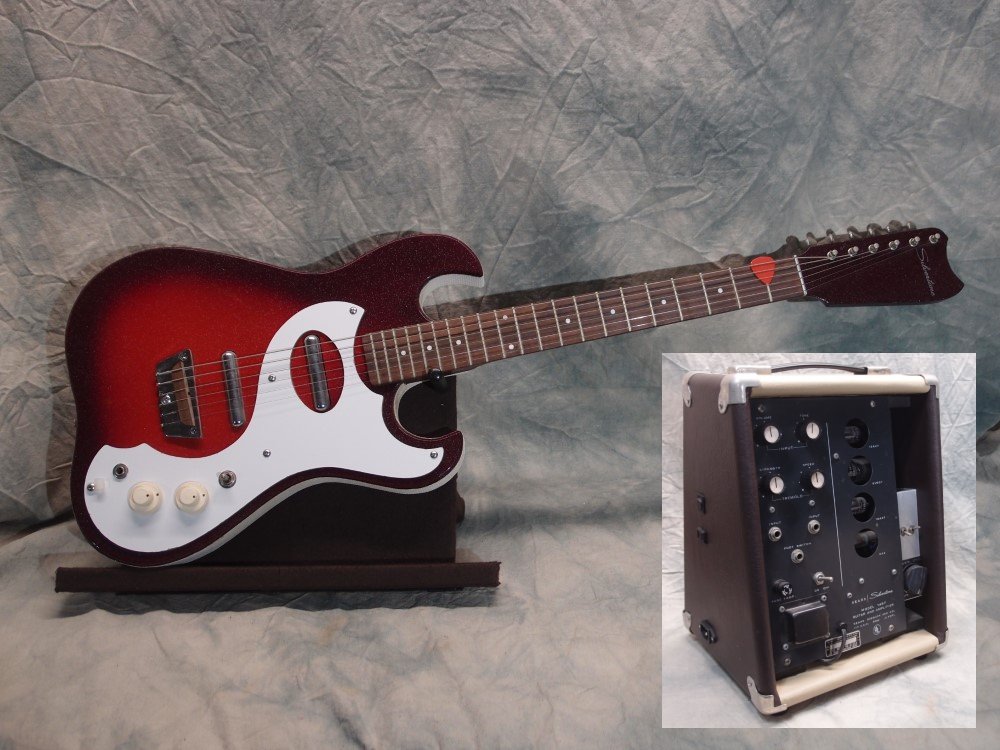
Danelectro Silvertone U-1 Guitar
Danelectro Companion Guitar
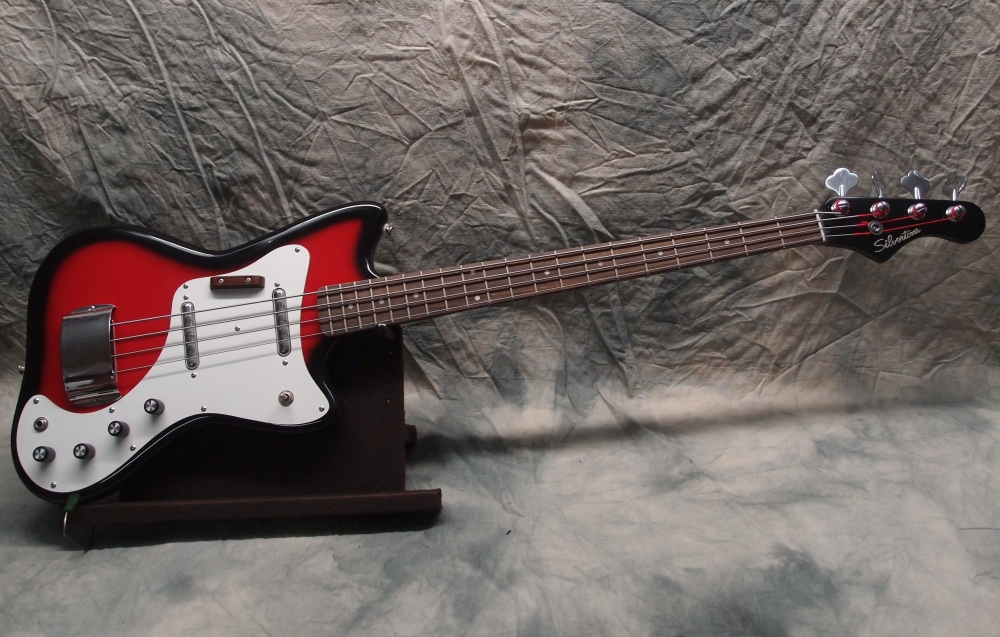
Danelectro Silvertone 1443 Bass
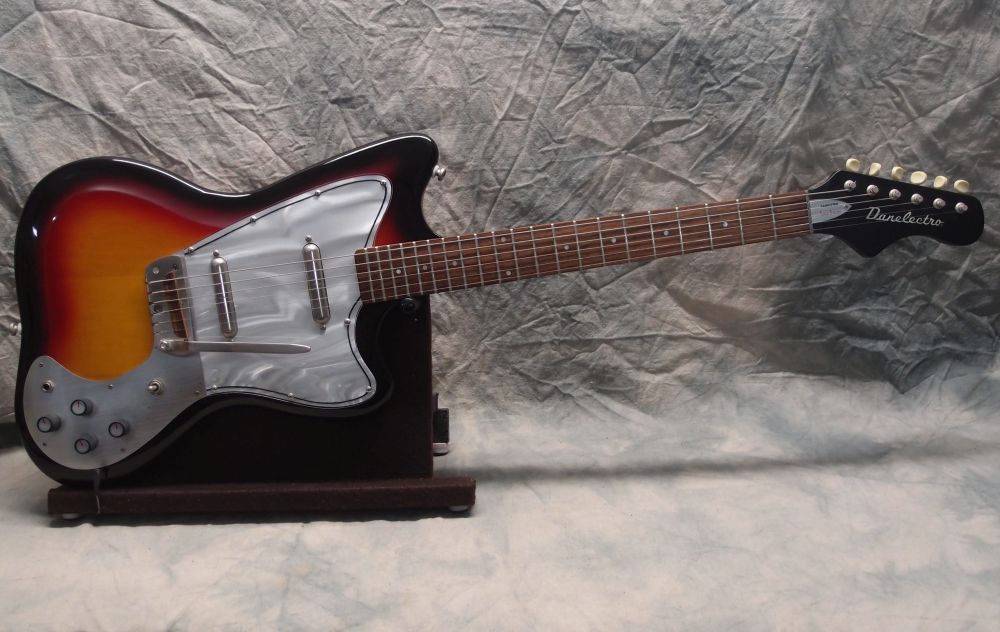
Danelectro '67 Hornet Guitar
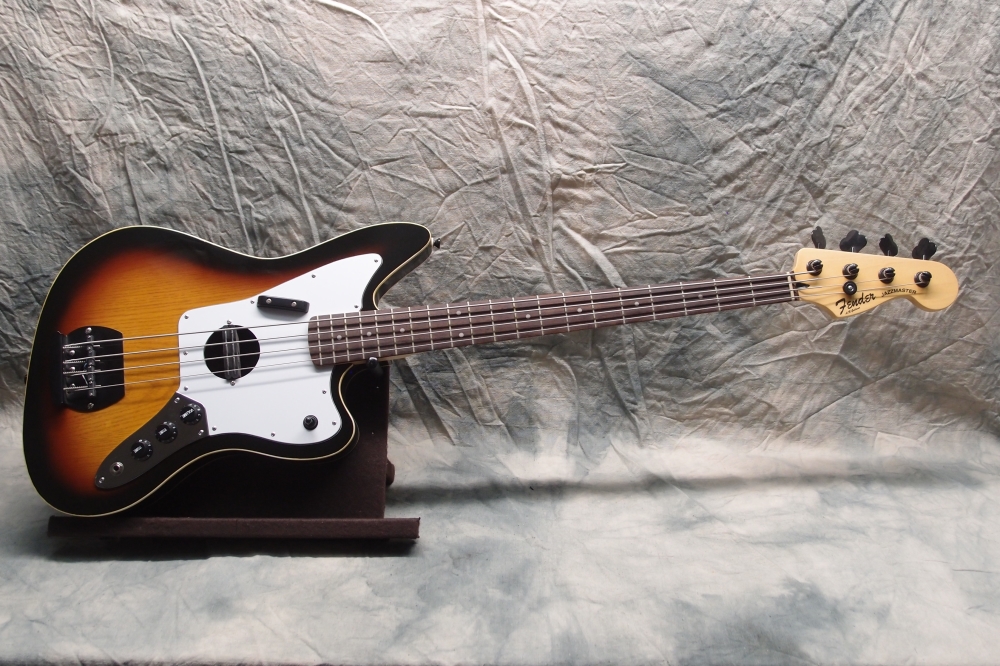
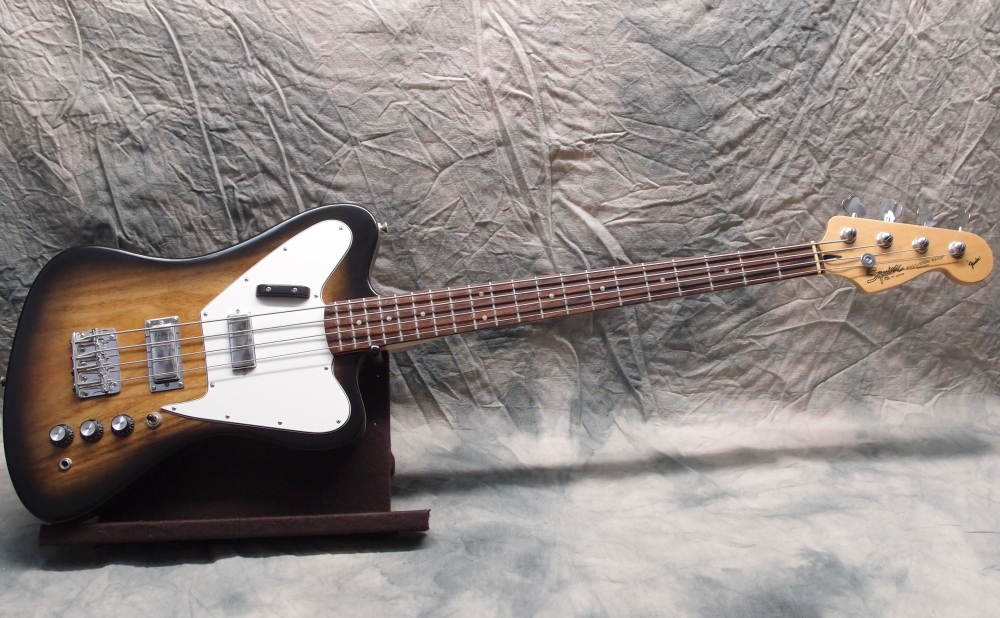
Fender Jazzmaster Bass 1
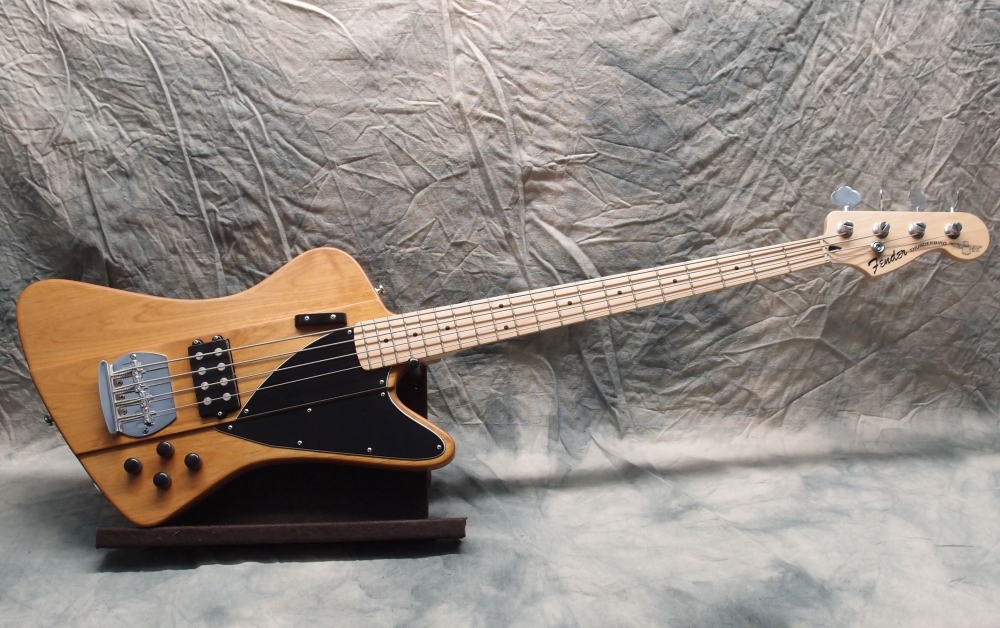
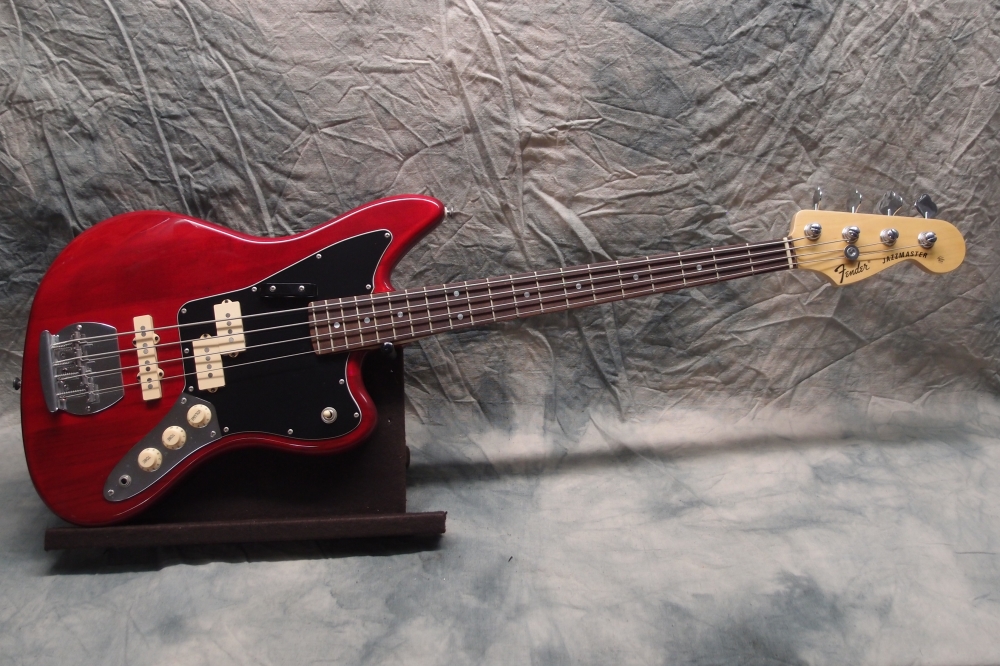
Fender Jazzmaster Bass 2
Fender Jazzmaster Bass 3
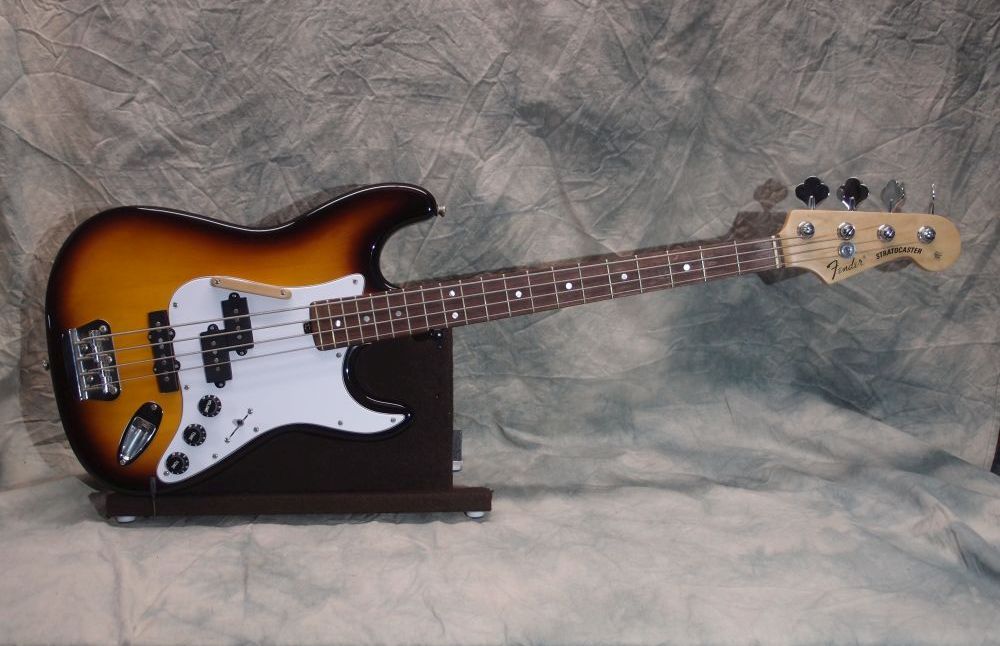
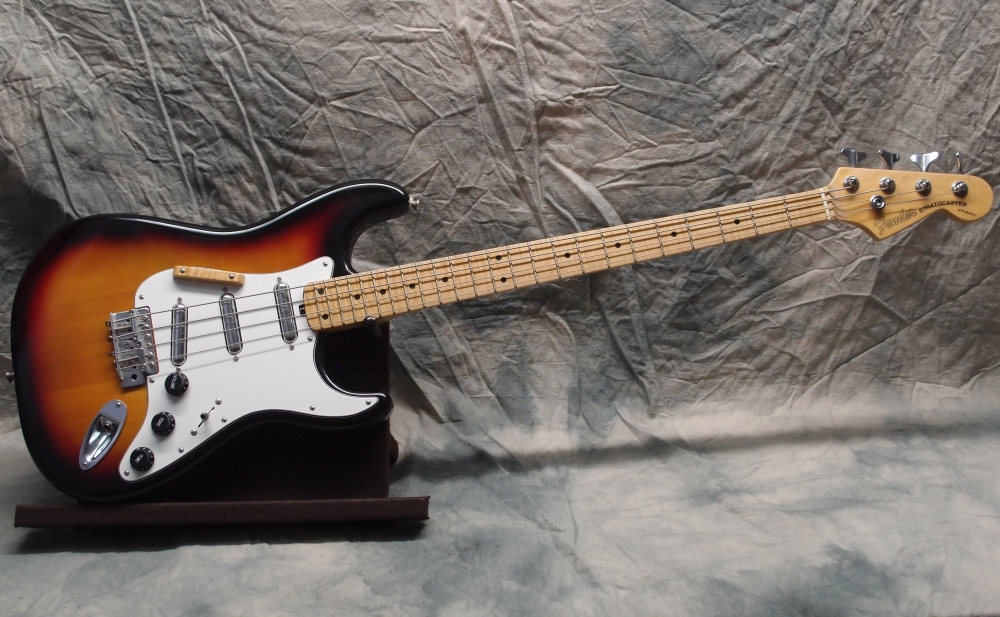
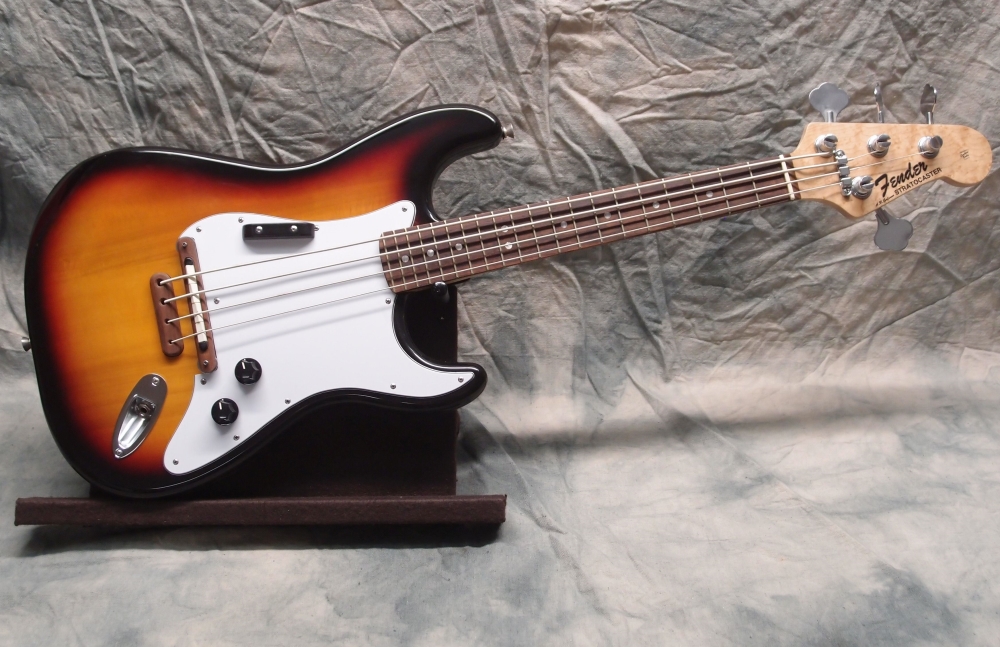
Fender Stratocaster Bass 1
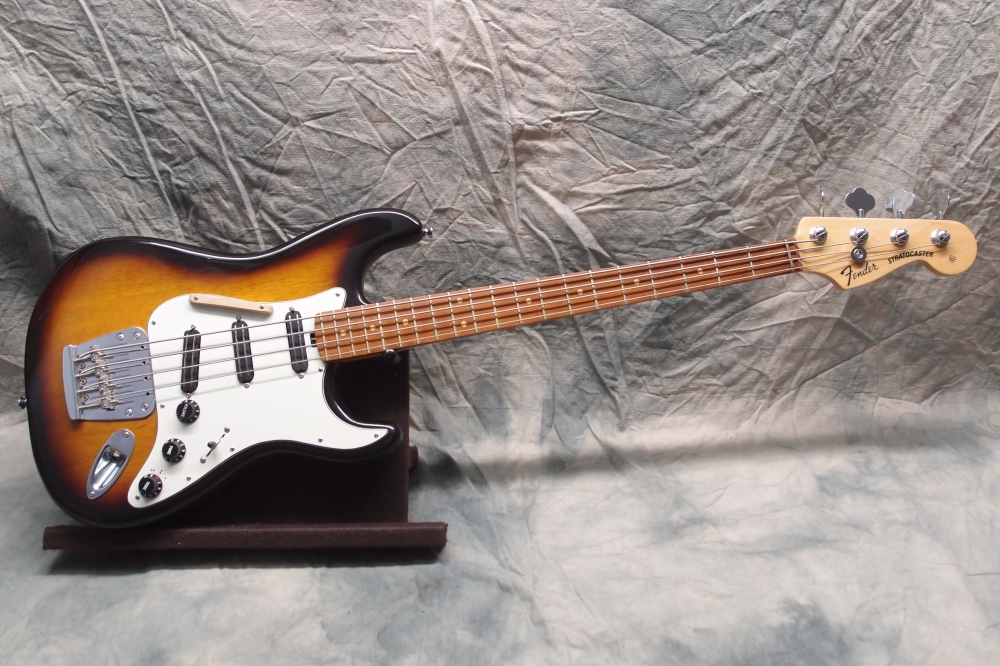
Fender Stratocaster Bass 2
Fender Stratocaster Micro Bass 1
Fender Stratocaster Micro Bass 2
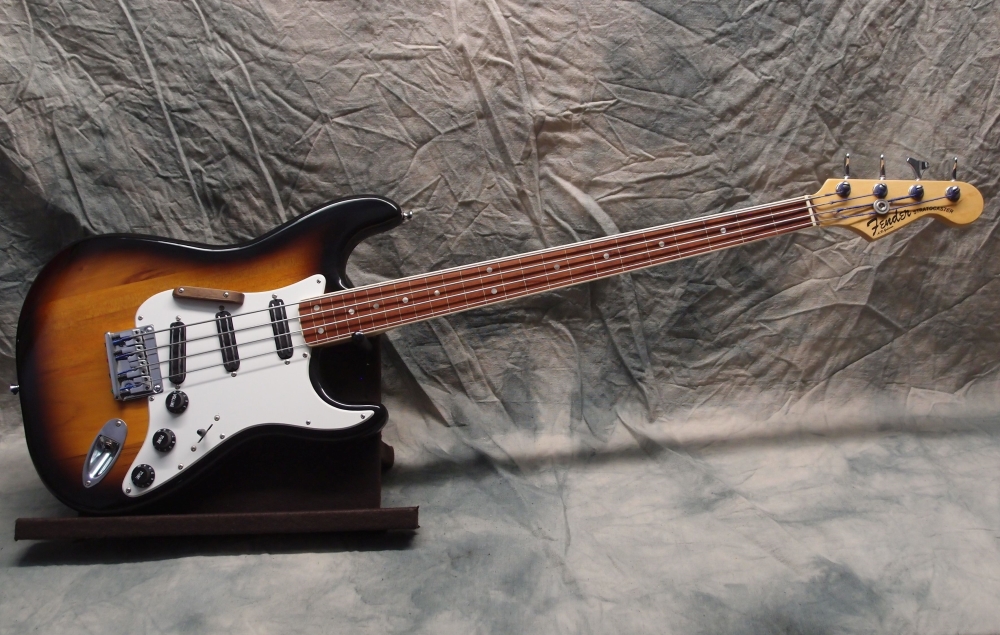
Fender Stratocaster Fretless Bass
Fender Stratocaster Bass VI
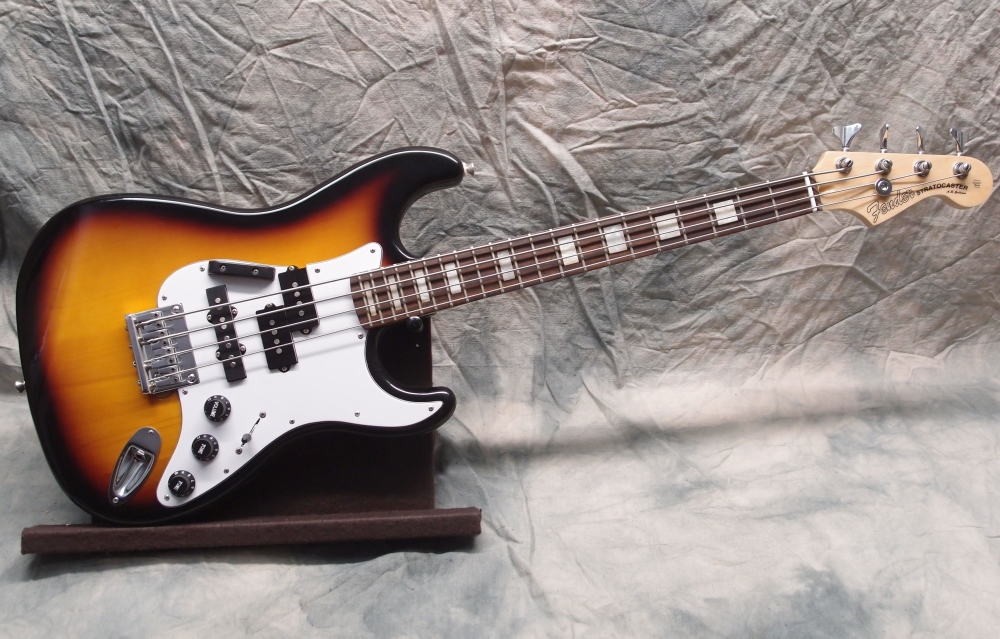
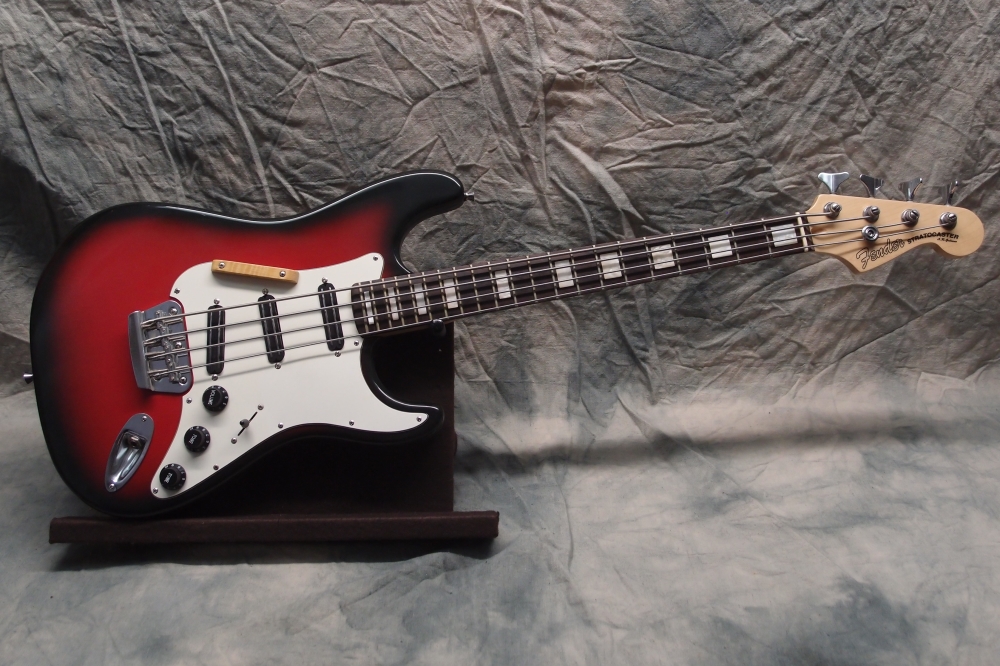
Fender Stratocaster Bass IV
Fender Stratocaster 12-string Guitar
Fender Stratocaster Uke Bass
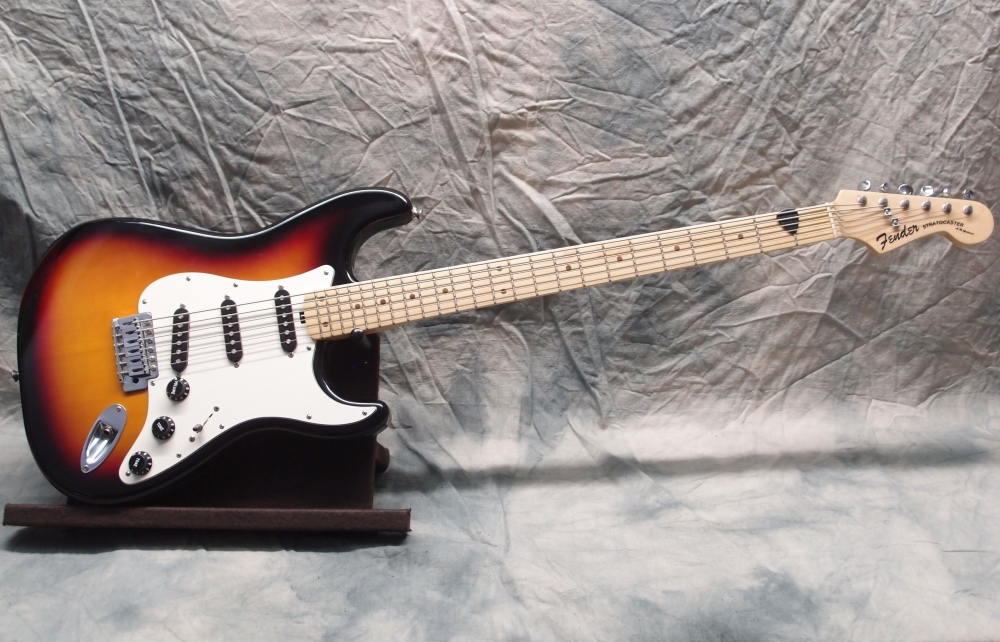
Fender Squier Stratocaster Guitar
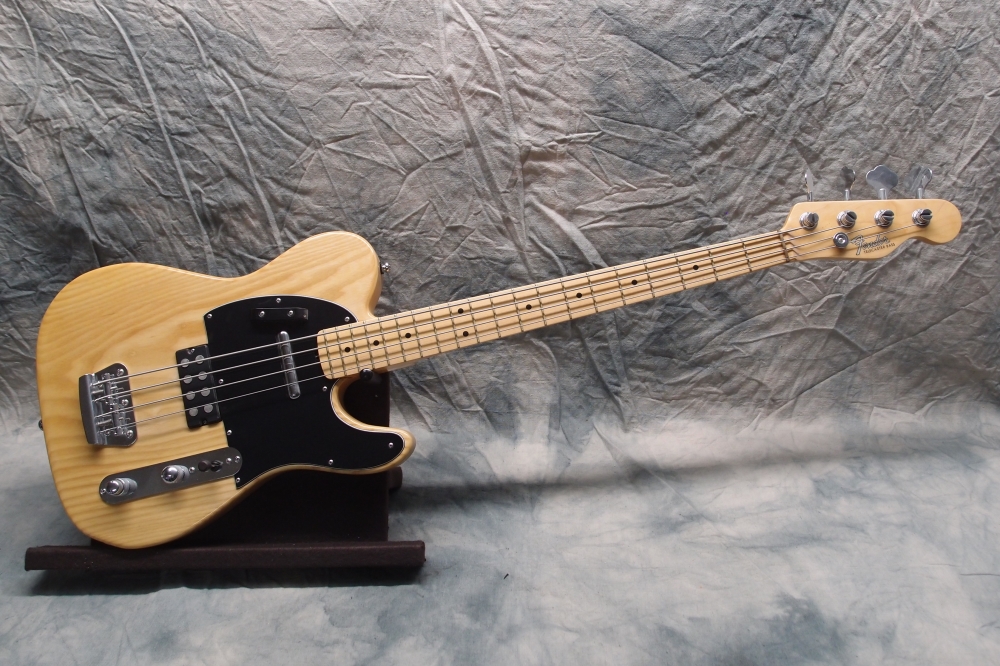
Fender Telecaster Bass
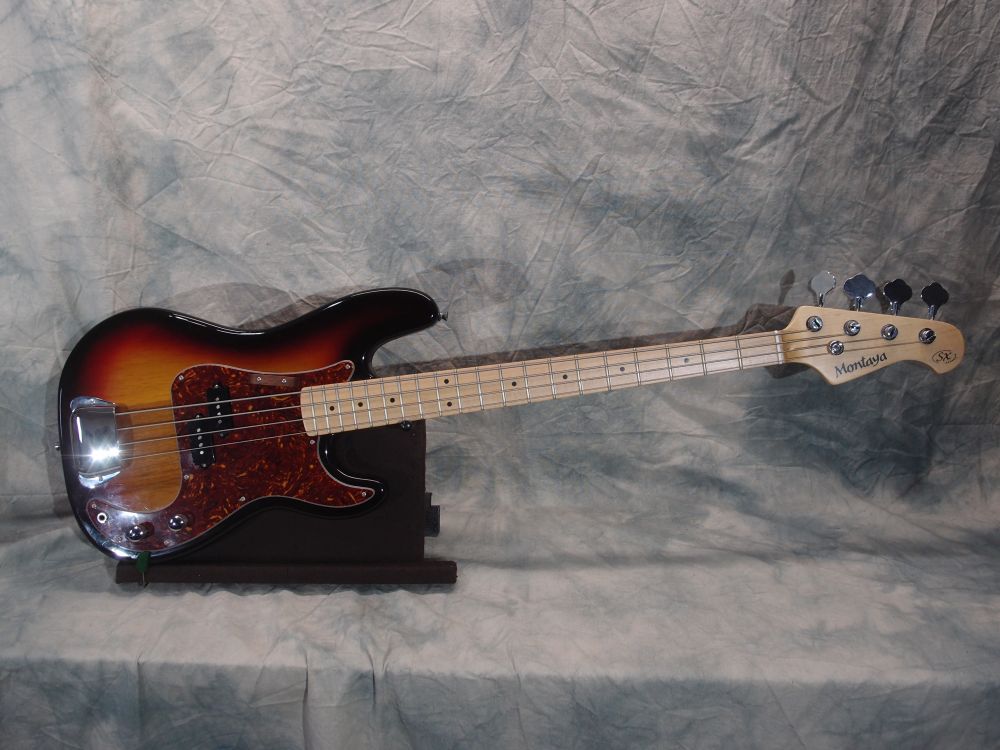
SX Precision Bass
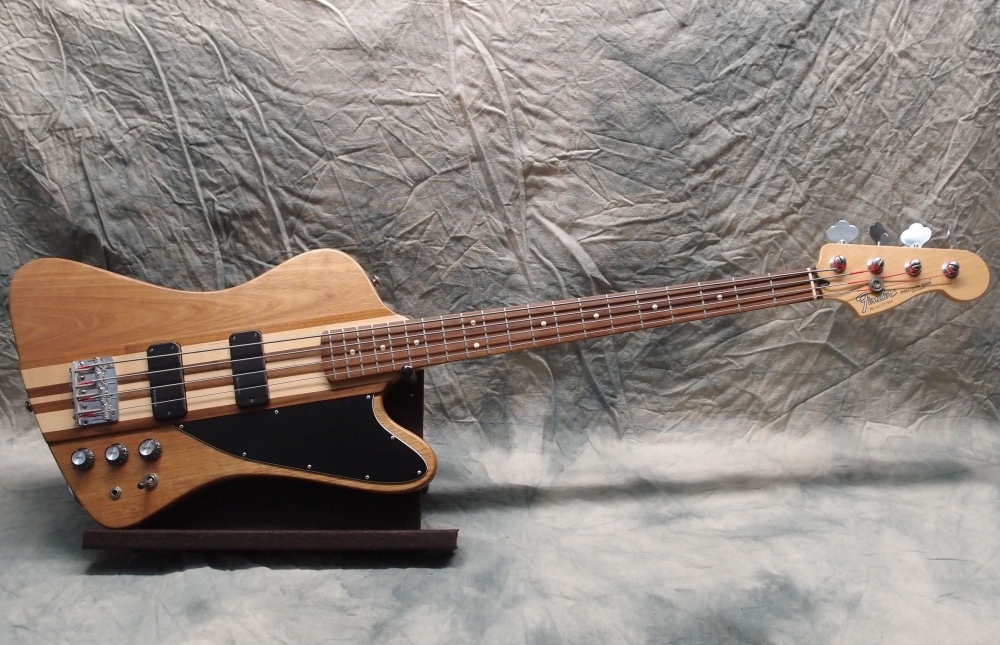
Gibson Fenderbird Bass 1
Gibson Fenderbird Bass 2
Gibson Reverse Fenderbird Bass
Kubicki Bass
Schwinn Stingray Bass
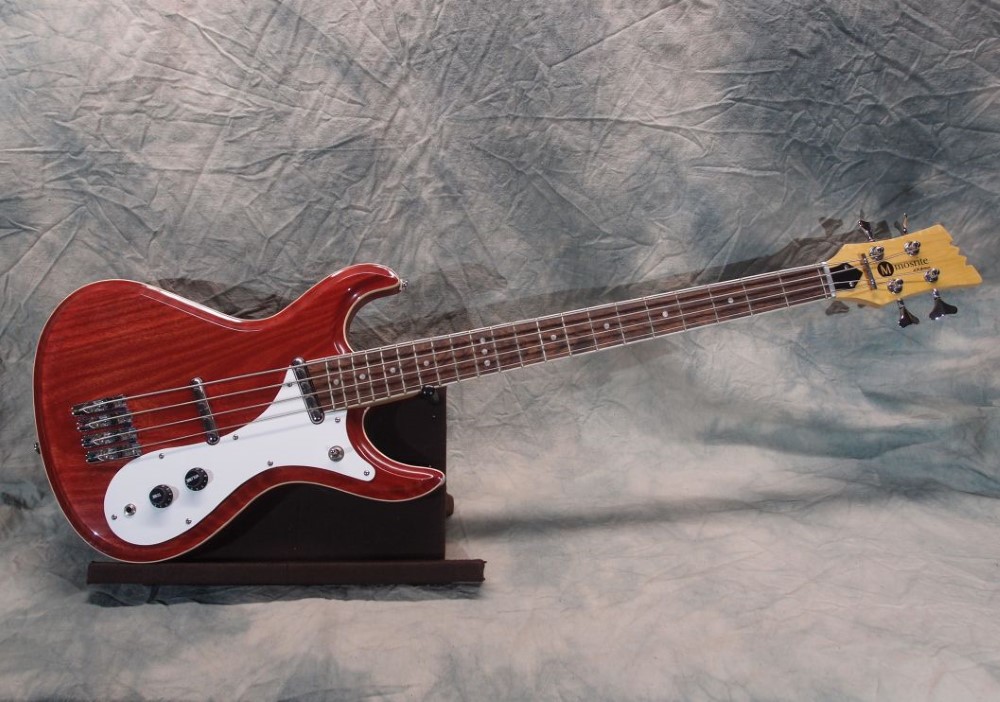
Mosrite Bass
Rickenbacker 325 Guitar
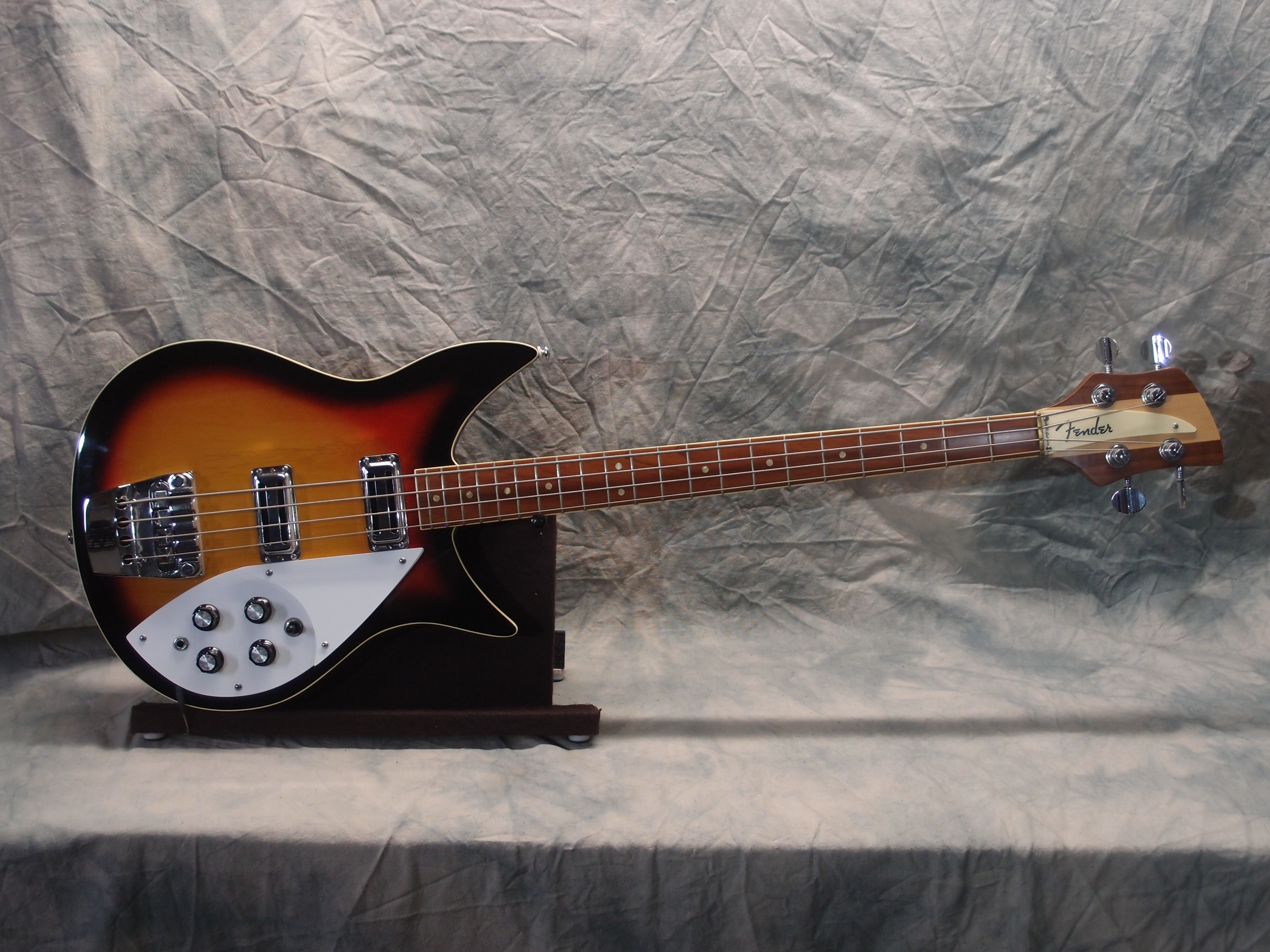
Rickenbacker 325 Bass 1
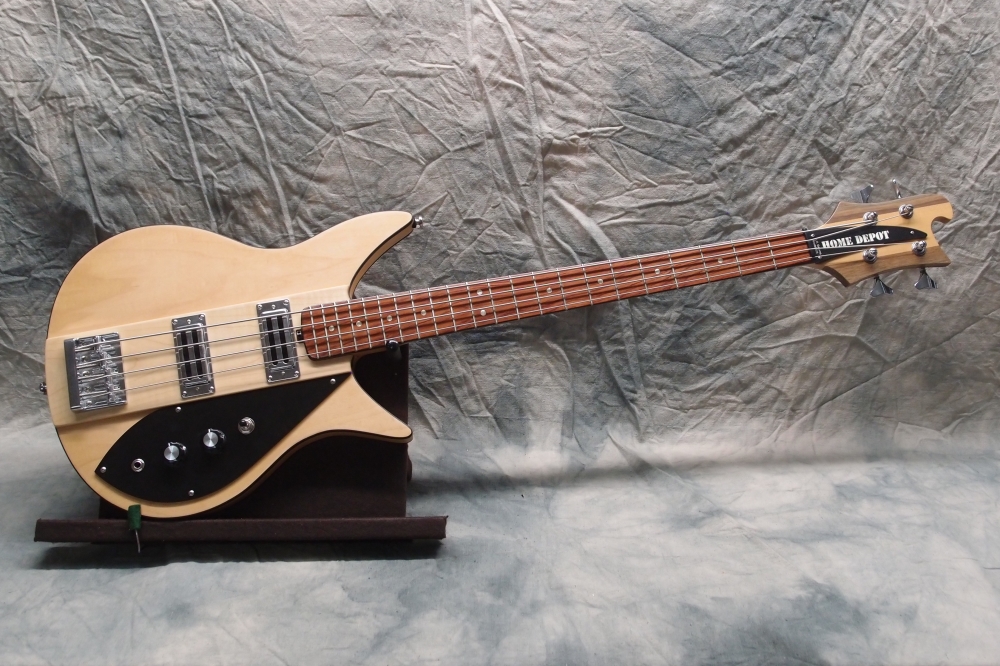
Rickenbacker 325 Bass 2
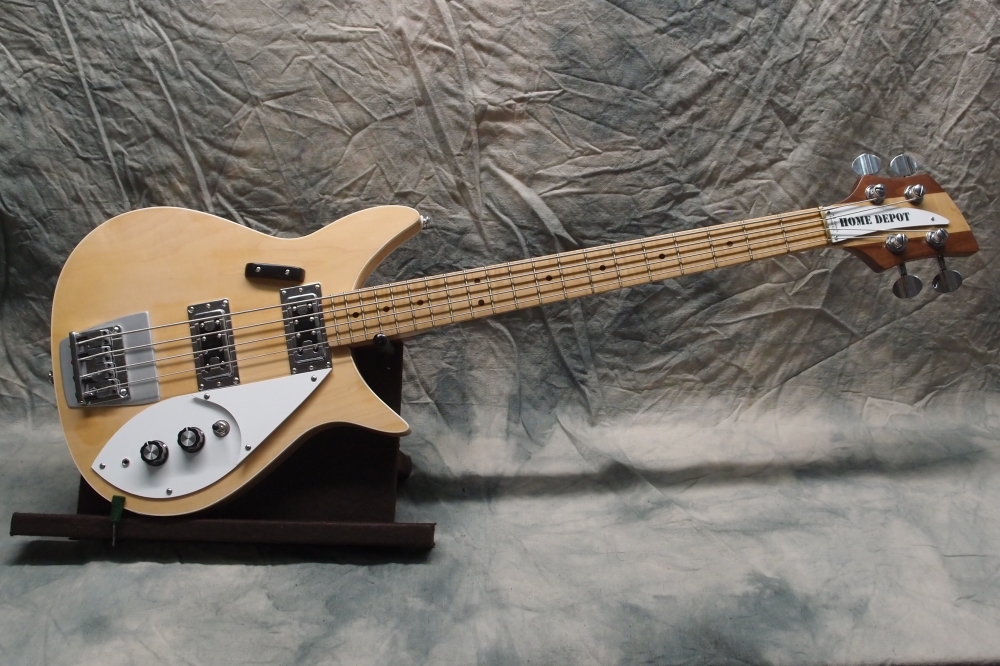
Rickenbacker 325 Bass 3
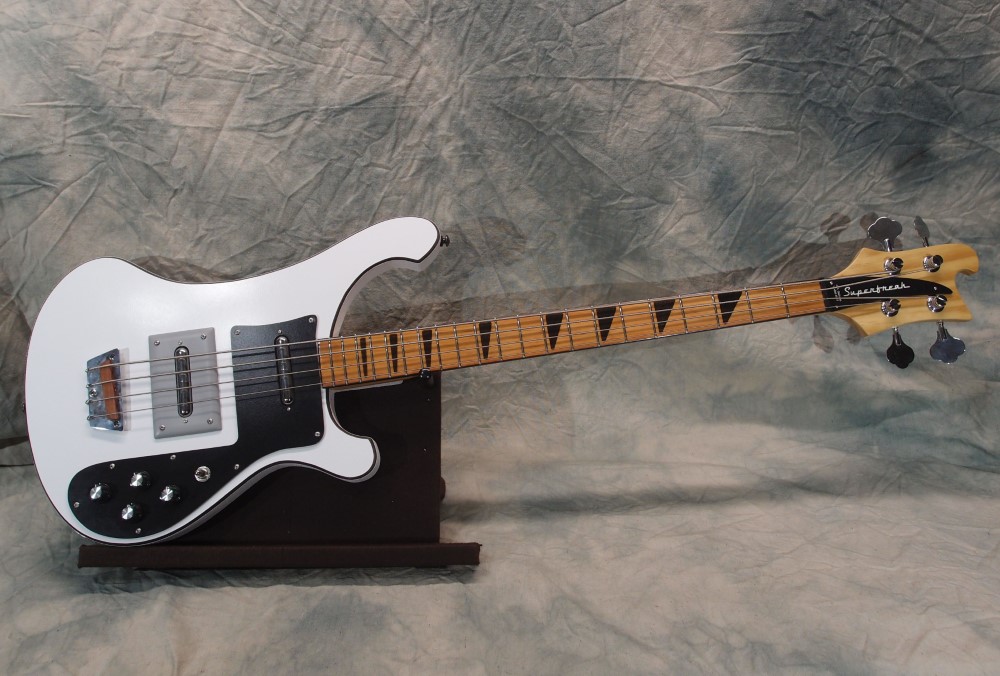
Rickenbacker 4001 Bass 1
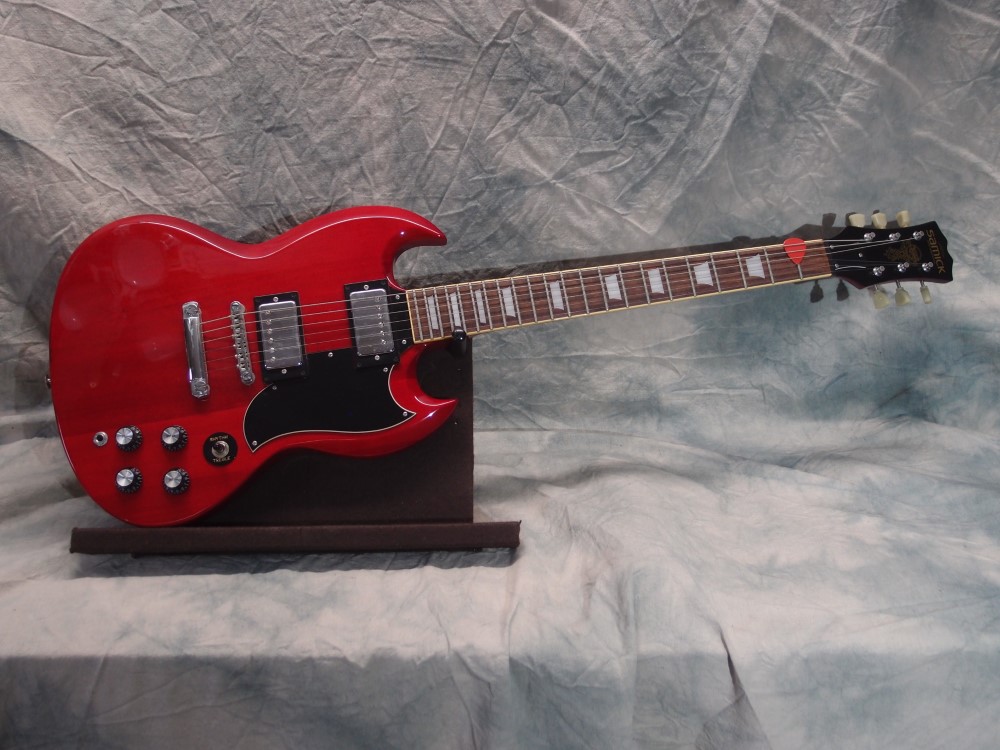
Samick SG450 Guitar
Danelectro Pro-1 Guitar
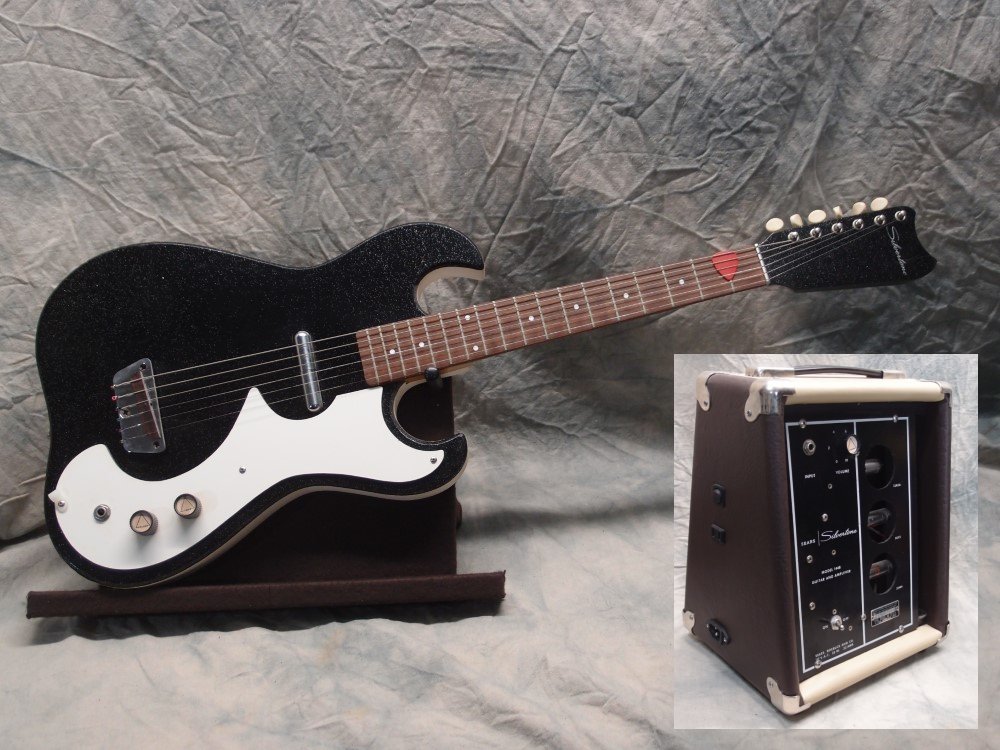
Danelectro Silvertone 1448 Guitar
Danelectro '63 Guitar
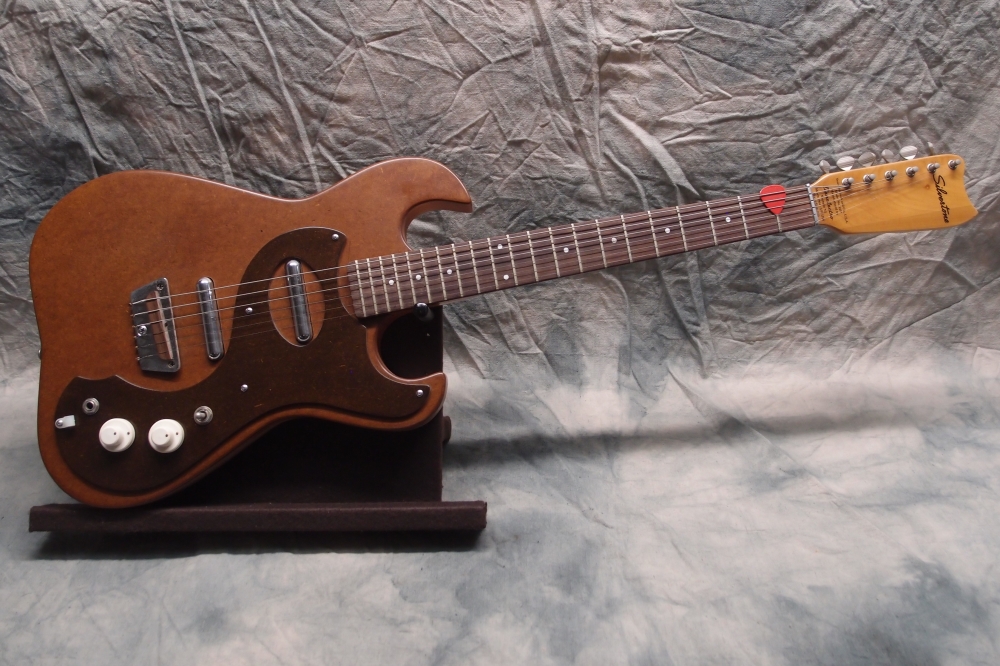
Danelectro Silvertone 1457 Guitar
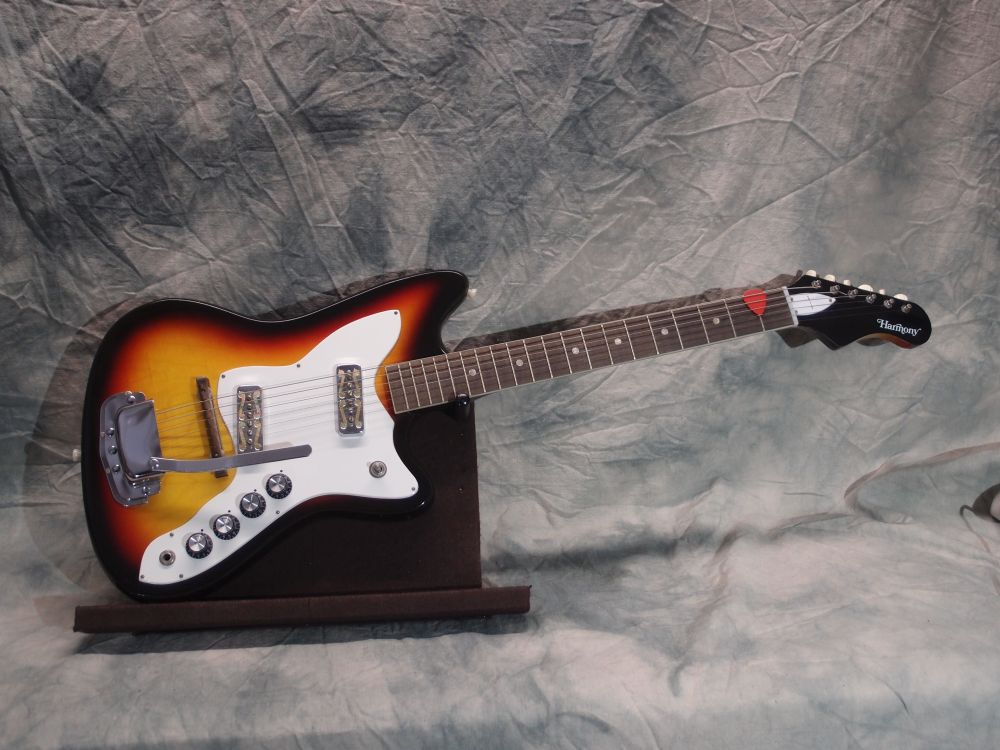
Harmony H617 Bobkat
Danelectro Silvertone 1450 Guitar
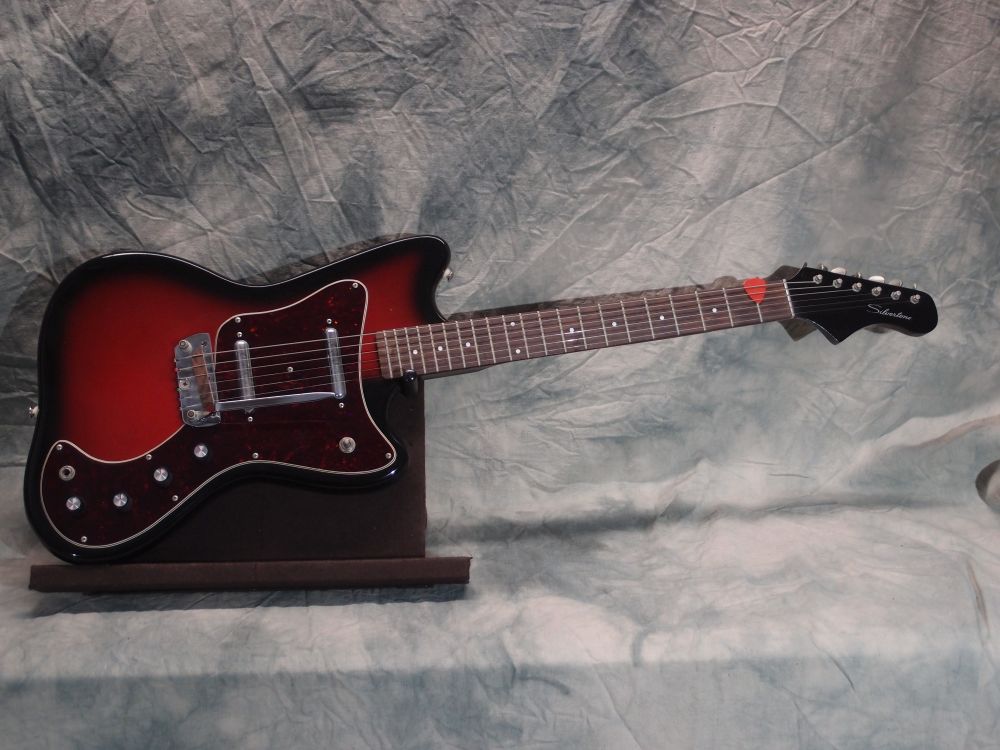
Harmony Silvertone 1478
Danelectro Silvertone 1472 Amplifier
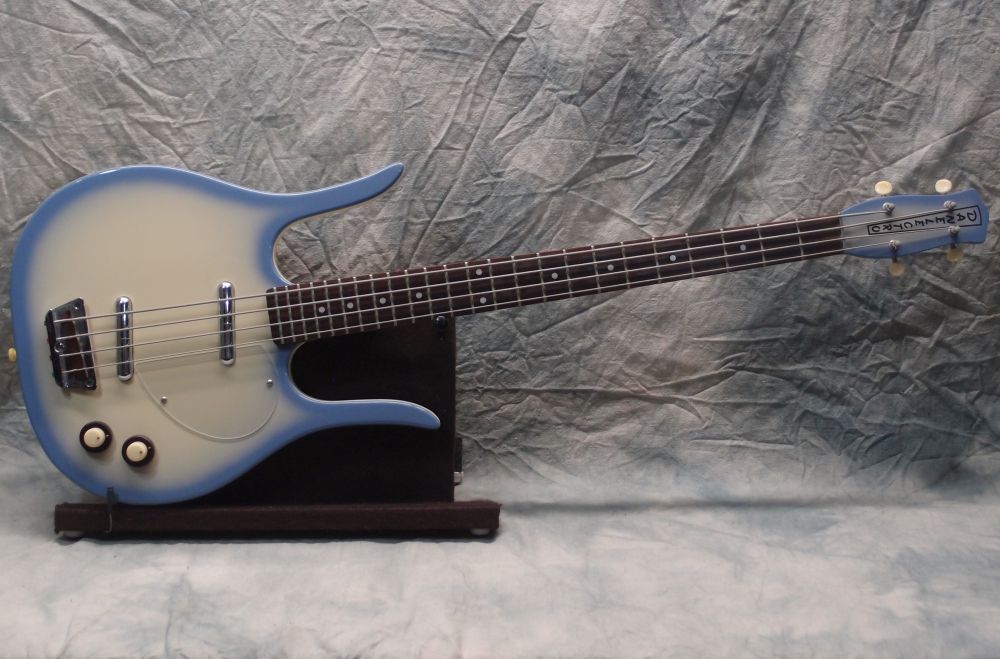
Danelectro Longhorn Bass

I like to experiment with materials, designs, and techniques outside of conventional luthiery to build low-cost, high-quality, fully-functional, and attractive electric guitars and basses. What I am not interested in is doing the same old thing the same old way it has been done for decades.

This site is arranged in four main sections:

  • Home is where you are at now.
  • Projects contains details on all the instruments I have built, and some other related subjects.
  • Laboratory contains tools, techniques, and designs used in my projects.
  • Blog - anything else I feel like writing about: carpentry, programming, music, etc

This site is aimed at the home hobbyist, and particularly the first-time builder. So welcome to the lab. See what's on the slab. I hope you find this site interesting and informative.

Navigating This Site

Main navigation is at the right left around here somewhere. First there is a "breadcrumb trail" showing where you are, with "up-links". This is followed by a list of child pages, or "down-links". Around that is a list of sibling pages, or "side-links". There is also an overall Site Map , as well as indexes for each major section. Finally, the search box works surprisingly well, or just hit the Random link.

If you are on a small 'mobile' device like a phone or tablet, the main navigation collapses to a button at the upper-right, with the rest at the bottom. The button opens a condensed popup menu. The mysterious unlabeled checkbox in the menu is a 'pin' that holds it open as you navigate between pages. You can force 'mobile' mode on a larger device by making the browser window narrow. In any case, the layout is optimized to make the best use of the available screen space.

History

This site was assembled from a mass of material I had previously posted on Talk_ass. This is seven years of material - over 200 pages and a gigabyte of images, and ongoing. Just getting it all back up was a huge task.

The luthier's anthem

OpenAI Says:

Here's what luthierylabs.com appears to be based on what we can find online:

What the site is

Luthiery Laboratories (luthierylabs.com) is a personal/hobbyist website focused on guitar and bass building projects, materials, techniques, and related content for people interested in luthiery (the craft of making stringed instruments). It isn’t a standard online store - it’s more like a builder’s personal lab/blog/archive of projects.

Here’s what the site includes:

Instrument builds and project pages - detailed descriptions of guitar and bass builds (e.g., Audiovox replicas, Strat-style guitars, custom basses).

Laboratory section - write-ups on tools, materials (like tonewoods and hardware), and techniques used in building instruments.

Blog and reviews - the author’s posts about woodworking tools and gear reviews.

Navigation and site structure geared toward hobbyists and first-time builders.

Who it's for

The site is aimed at home hobbyists and aspiring instrument builders, not a typical commercial music instrument retailer or manufacturer. The content emphasizes experimentation, learning, and non-traditional materials/techniques over commercial production.

Notes

It’s not clearly associated with a commercial brand selling instruments (despite some review site entries suggesting “Luthier Labs” sells instruments - those appear to refer to a different entity and aren’t clearly verified).

The site itself is more like a project archive/blog rather than a store or formal company site.


When two pickups are wired in series, the output of one is connected to the ground of the other. The outputs are directly additive, there is no loading effect as with parallel wiring. You get noticeably more output, and usually a much fuller sound. Two pickups may be wired in series with a standard [ON-OFF-ON] switch, available at any hardware store.


my cheap little drill press that does 90% of my drilling

For drilling precisely spaced holes, like guitar tuners, make ( or buy ) a template. I make mine out of scrap maple. If you mess it up, throw it away, NBD. Eventually, you'll get it right, and then forevermore.


This is one of the funniest things on the whole internets. Mark Twain, a mad scientist, and it ends with a great Steely Dan tune. What else could you want? How about the rest of that song:


#1. Single-tier guitar rack

The smaller single-tier guitar racks (above) were a modification of a standard sort of stackable little bookshelf that I have built quite a few of. The larger two-tier racks (below) were based on a similar sort of construction. Unfortunately, I never saved any plans for these things, in fact I never had more than rough sketches to start with, and improvised the rest. Once I worked-out all the dimensions and details for the first one, I just copied it. These racks are now a decade old, and have stood up to humid summers and dry winters perfectly. Nothing has pulled-apart or cracked.


image

The new A500 pots came today USPS a day early - so never say bad things about them. I pulled up the diagram above, heated up the soldering iron, and Presto-Change-o !!! Then I tried to put the pickguard back, and it didn't fit, because, of course. The old mini pots barely cleared the body wall, and the new full-sized ones didn't. So I had to delve back into woodwork and make clearance for them. I had to razor and dremel away about a quarter of an inch, without messing up the 'finish'.