Doing Things Wrong

Rickenbacker 325 Guitar (1/3)

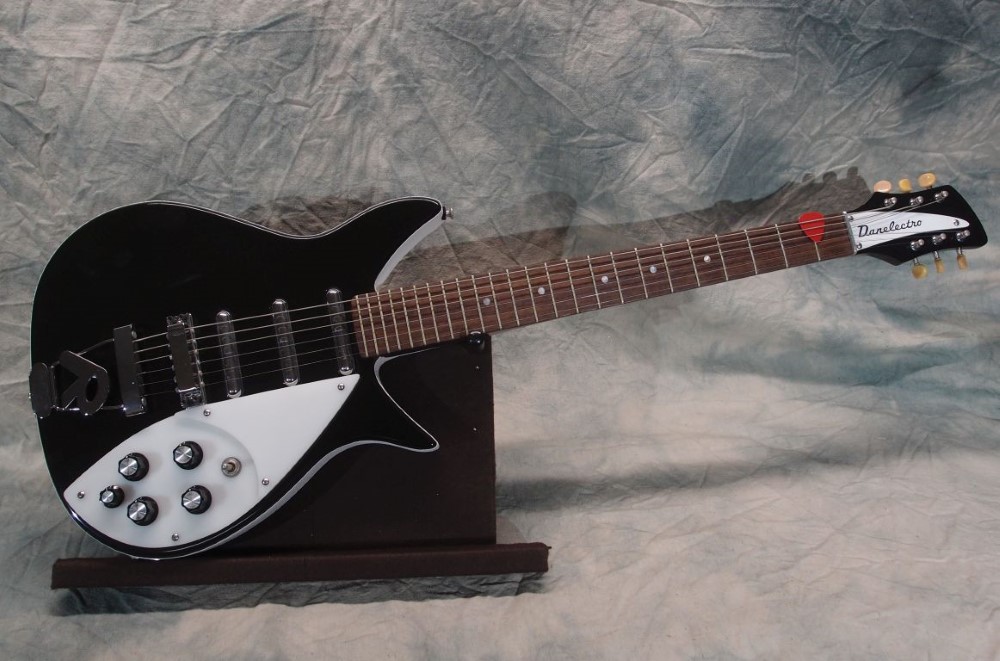
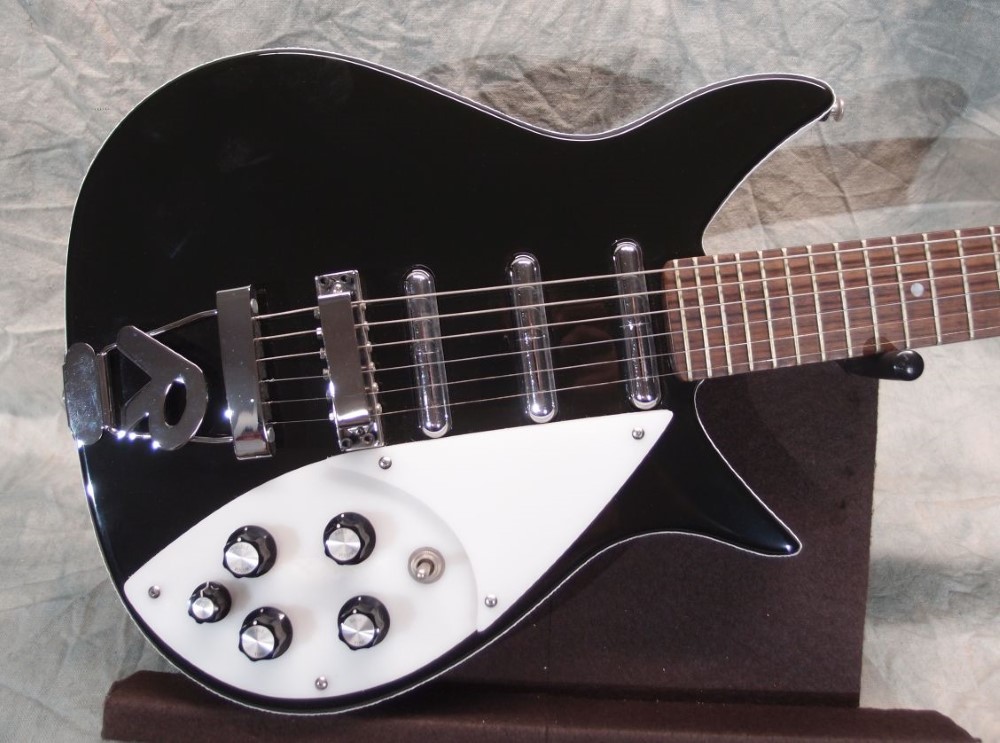
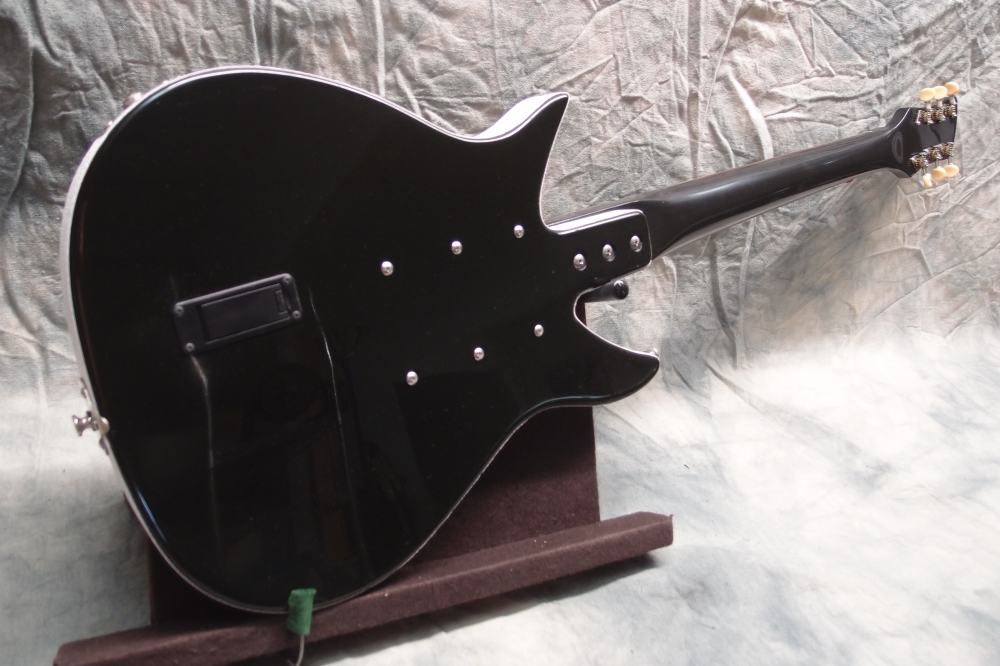
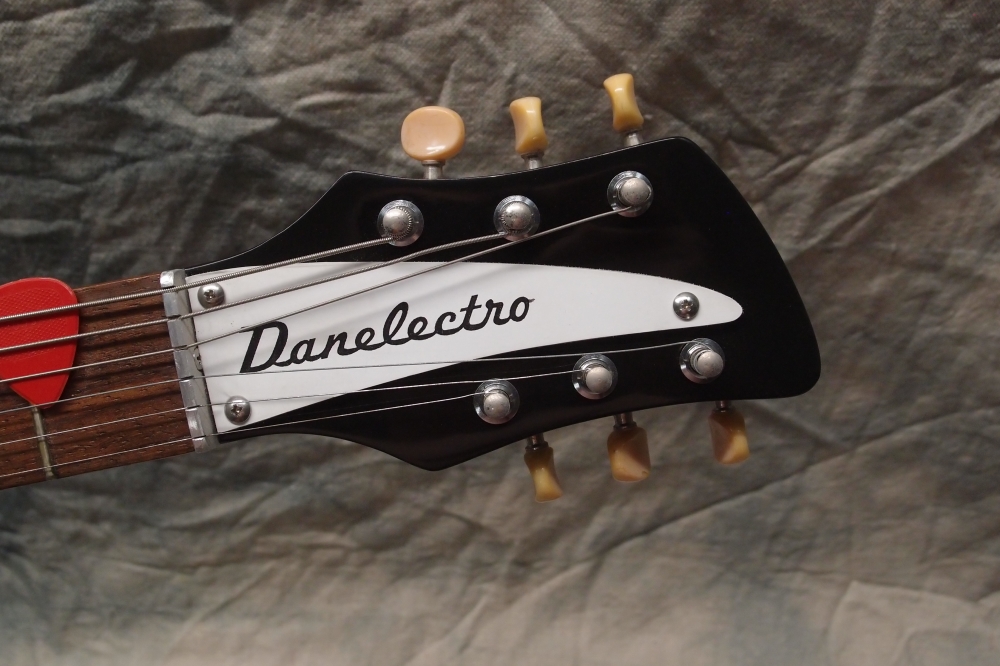
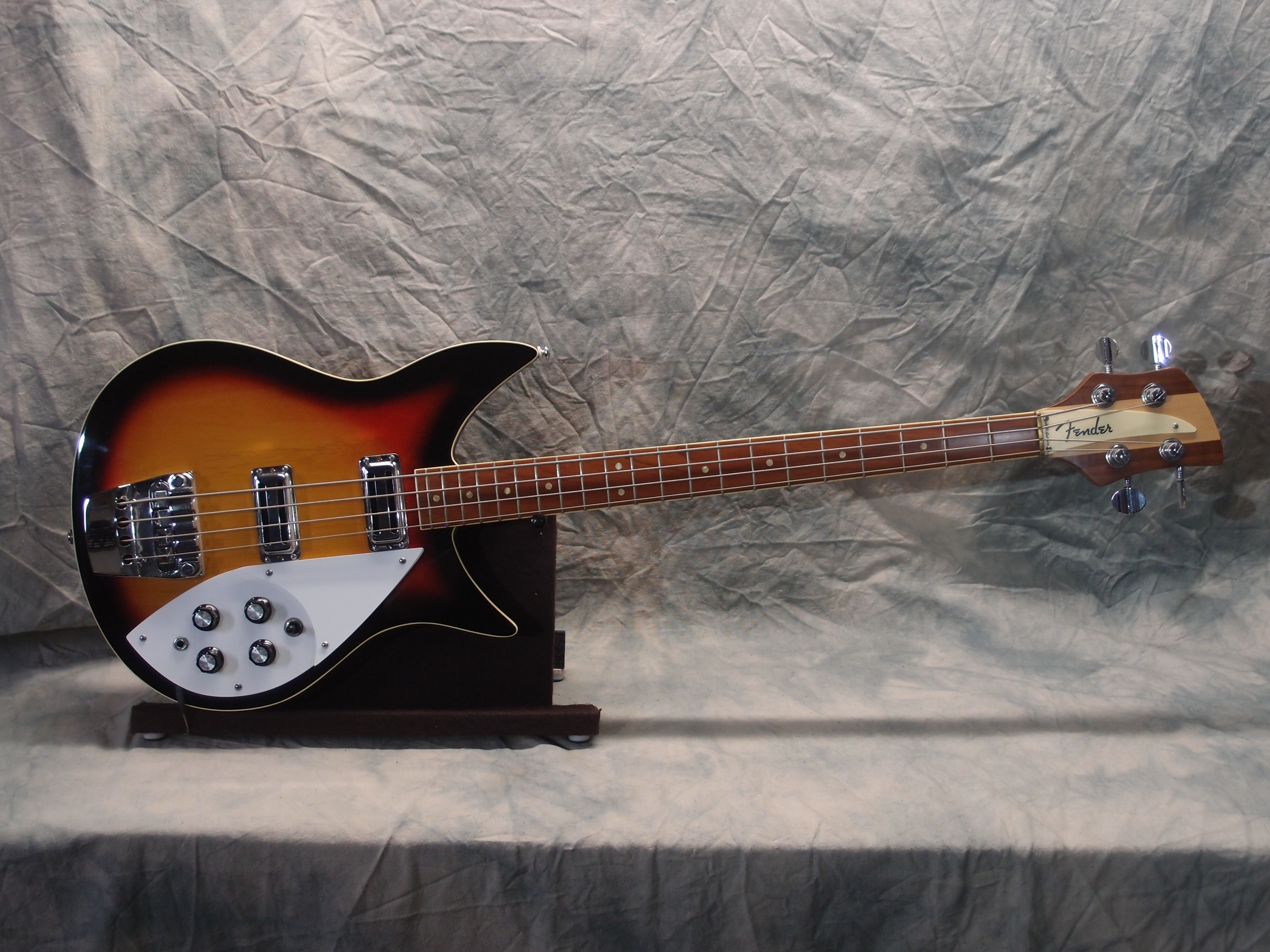
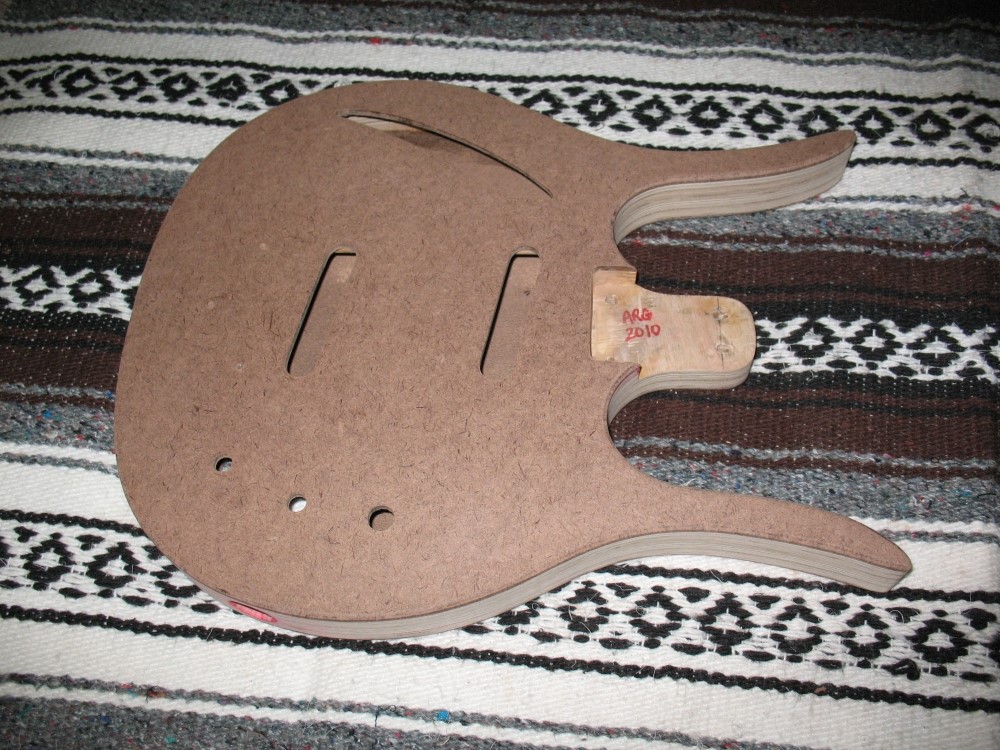
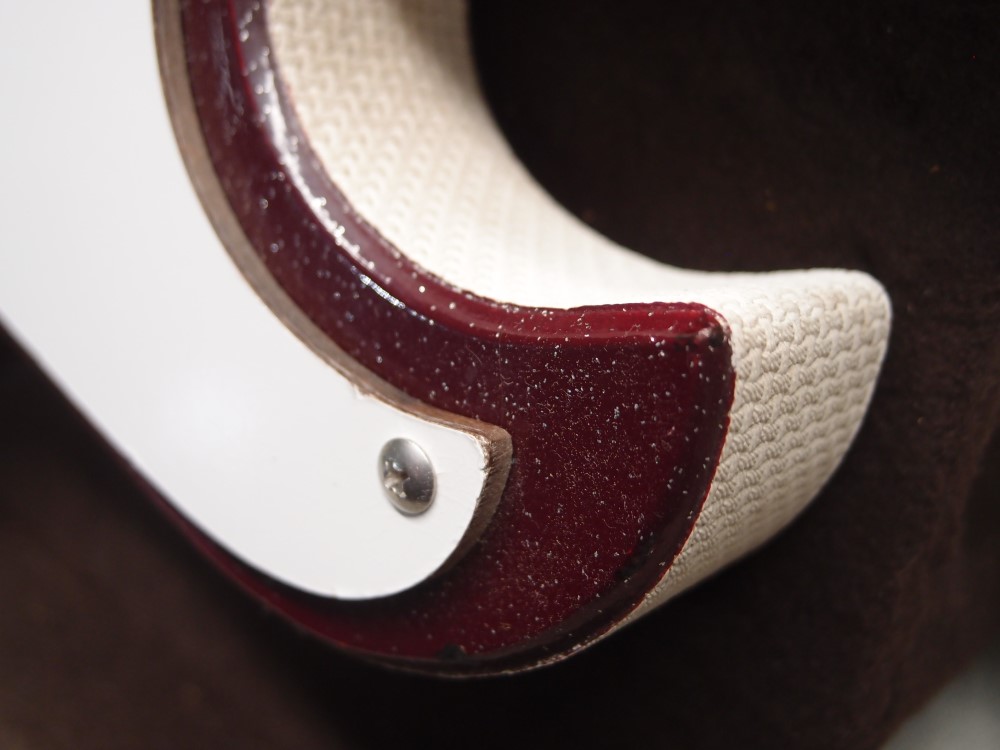
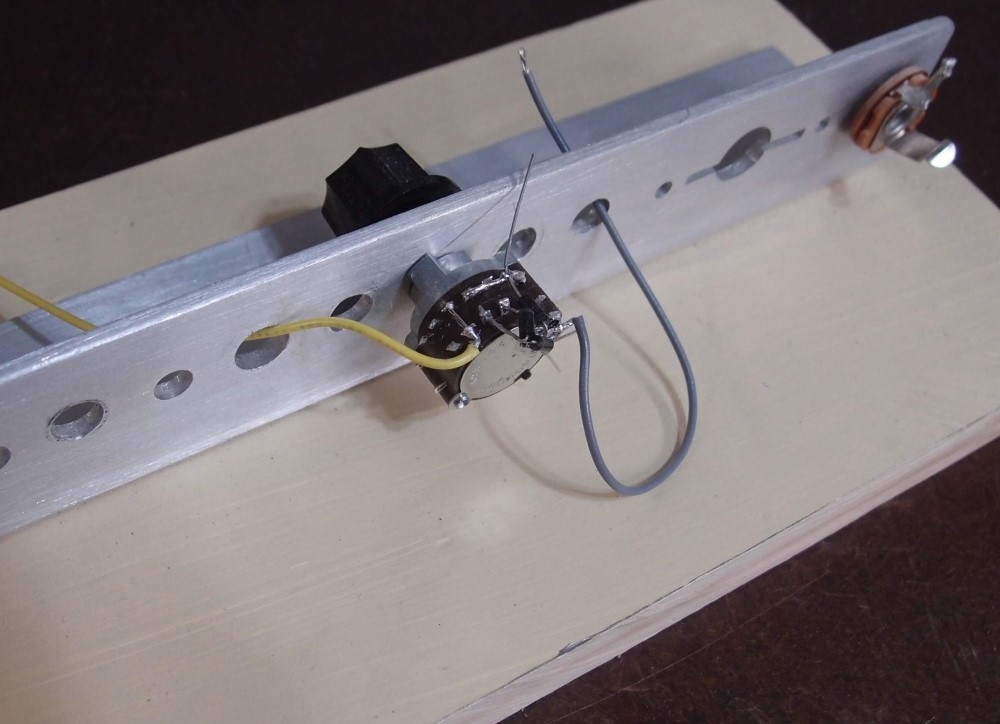
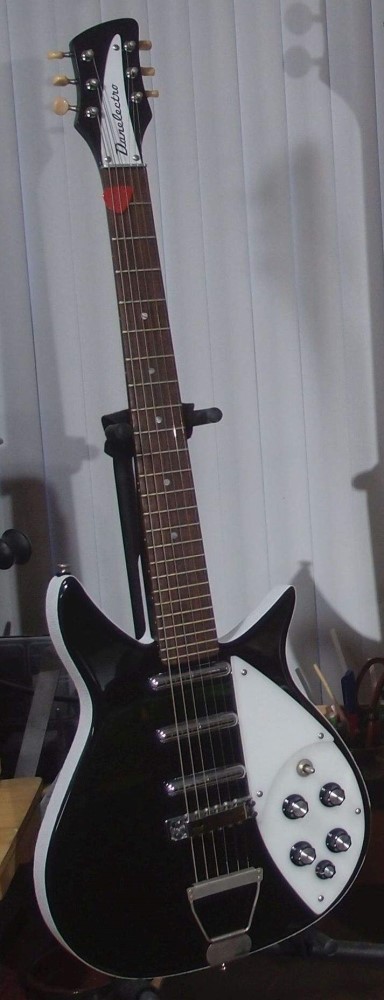
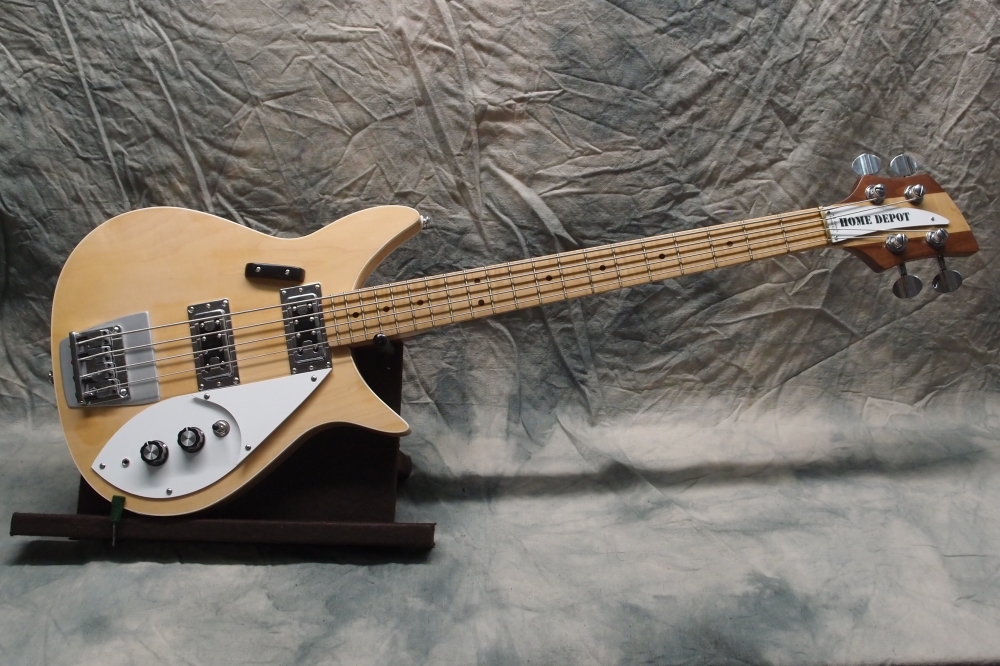
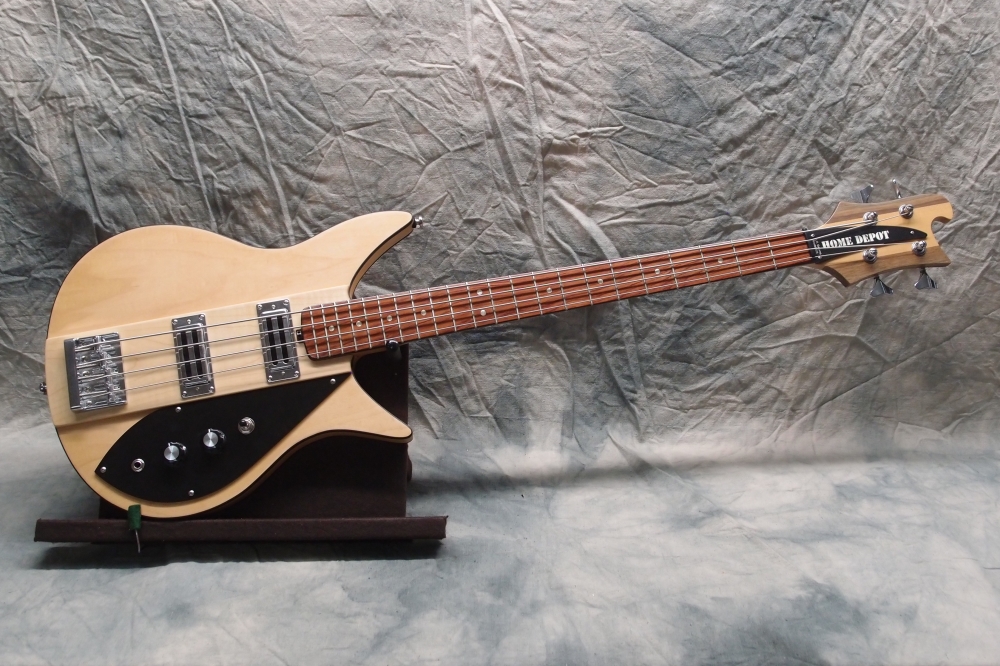
A faithful reproduction of John Lennon's Rickenbacker, but built as a Danelectro. Masonite over hollow plywood body. Poplar neck. Passive electronics with active distortion on the fifth knob.

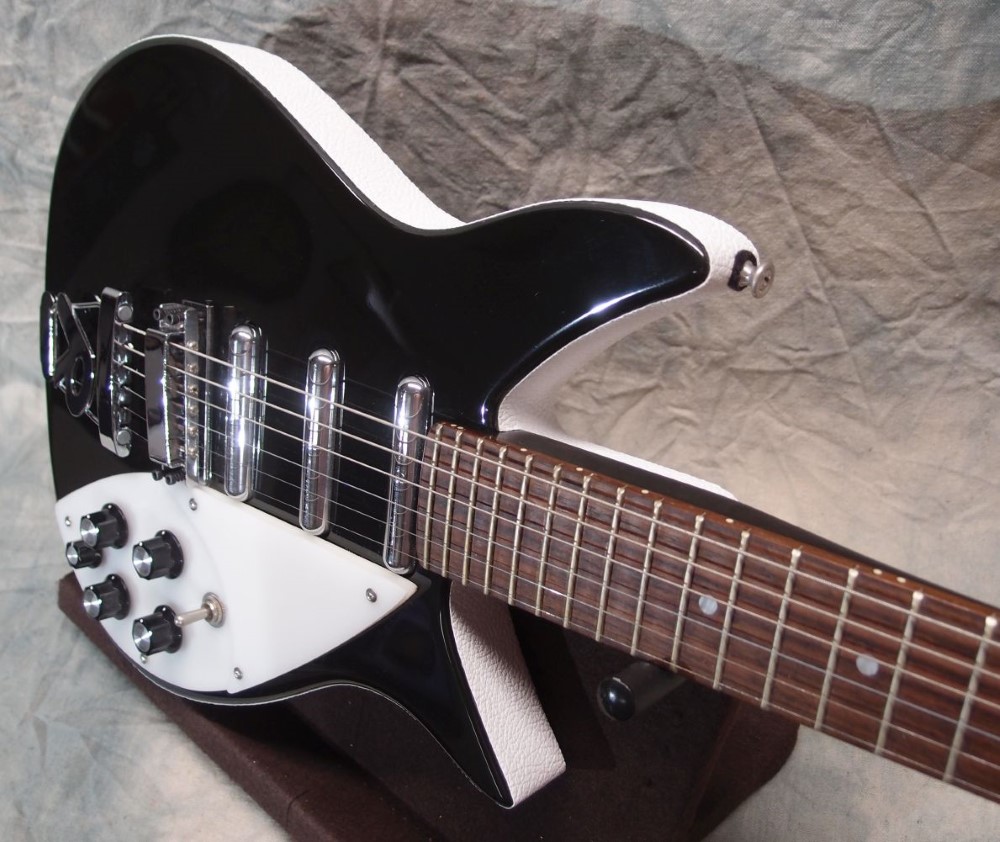
The first poplar neck I built for this was weak at the headstock and bent over from the string tension, so I built a second one stronger. Both use fixed steel truss rods. I never built another poplar neck, maple is the best choice. Note the incomplete set of dot markers. This is authentic. I guess Rickenbacker was having a shortage.
image

The entire guitar was originally finished in black nitro, which got ruined simply by existing. I stripped off all the lacquer and refinished it in black polyurethane, tough as nails.
 1 2 3  

Comments on Rickenbacker 325 Guitar

Questions or Inquiries?

Just want to say Hello? Sign the .

Submit a Comment

Your email address will not be published. Required fields are marked *


Click image to replace if unable to read.

Enter the digits from the image above, except for the last one:

This site uses Akismet to reduce spam. Learn how your comment data is processed.


image

I took this 'Bird down from it's usual place up on the wall to take some measurements, and I noticed that it had grown fangs along the ( otherwise excellent Mighty-Mite ) neck that were not there before. Sharp fret ends is something I see people piss and moan about all the time. It is going to happen. It's not that the frets weren't dressed properly at the factory, the problem is that most guitars are made in warm humid places like China, Mexico, Indonesia, and Tennessee in the summer. Wood swells with moisture. When they are brought to the USA and placed in a dry heated winter house, the wood dries and shrinks a tiny bit, and the fret ends protrude. Everything about fretwork is a matter of thousandths of an inch, even the tiniest discrepancies are obvious. So this is not a defect, it is something that is simply going to happen, and it is easy to fix.