Danelectro Longhorn Guitar (1/2)


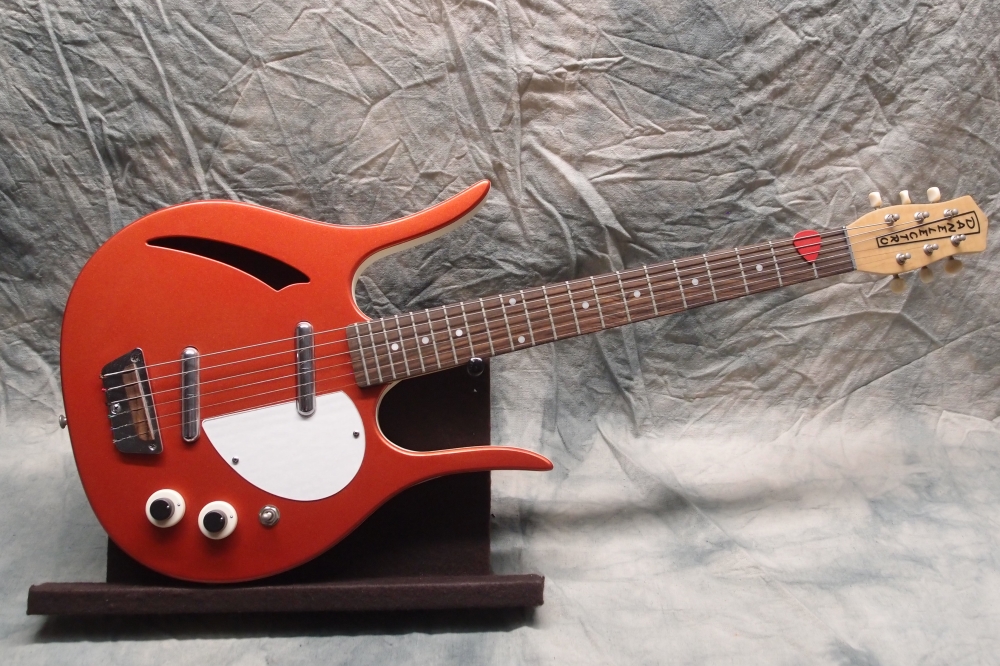
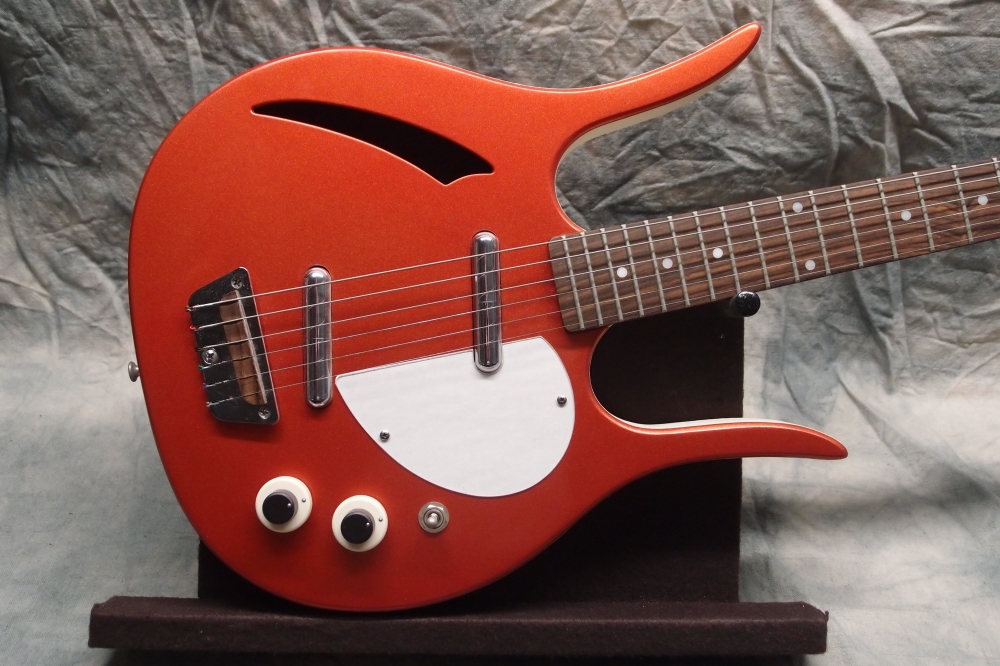
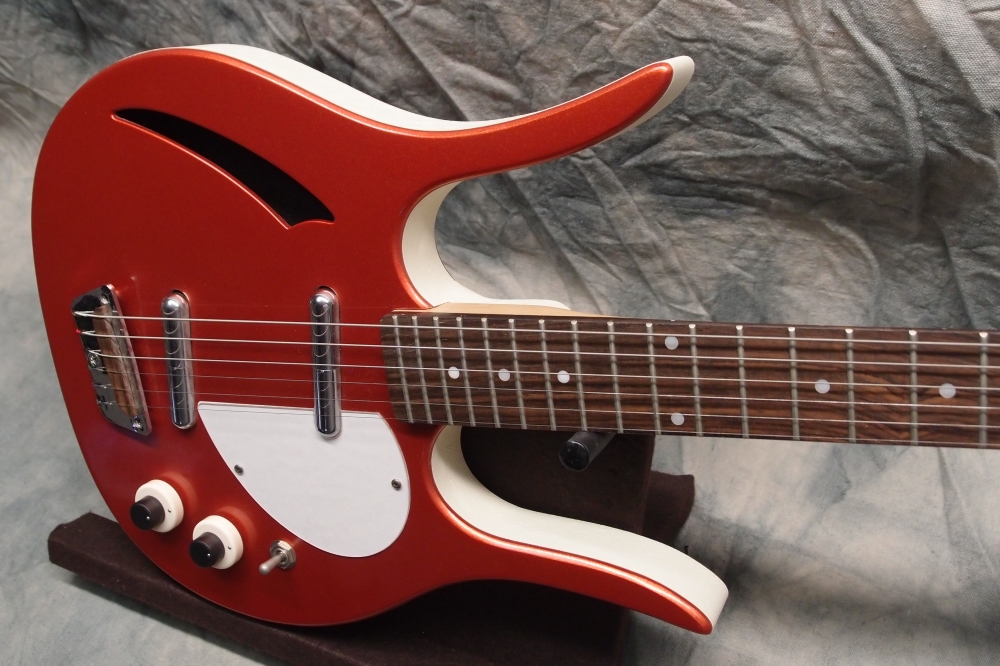
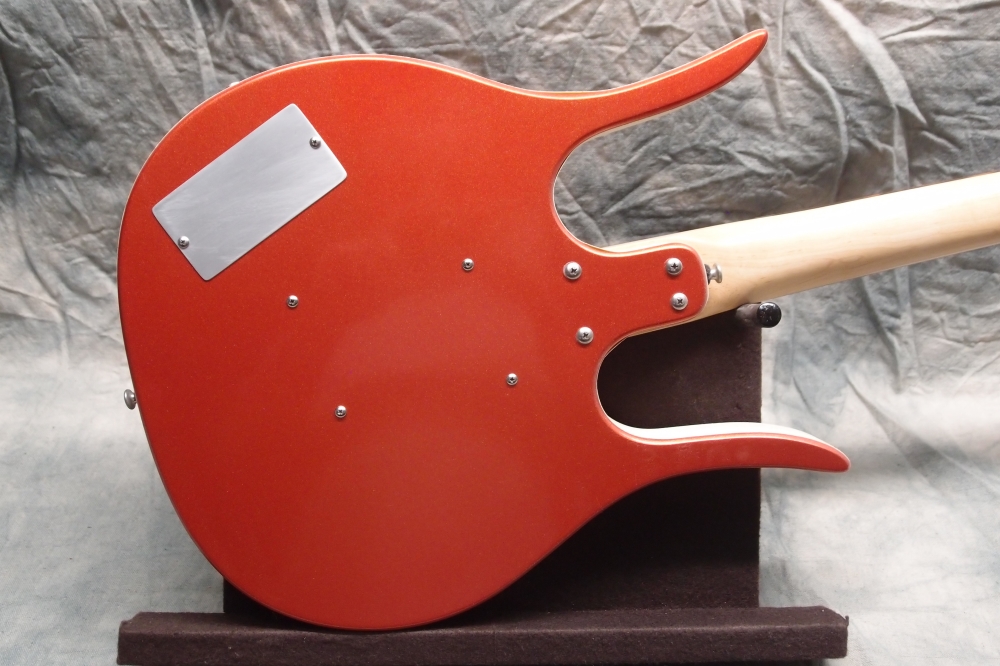

Another early build for me - 2010, a reissue Danelectro neck on a built body. The finish is pearl automotive acrylic lacquer. The pickguard is actually clear with a piece of paper under it.
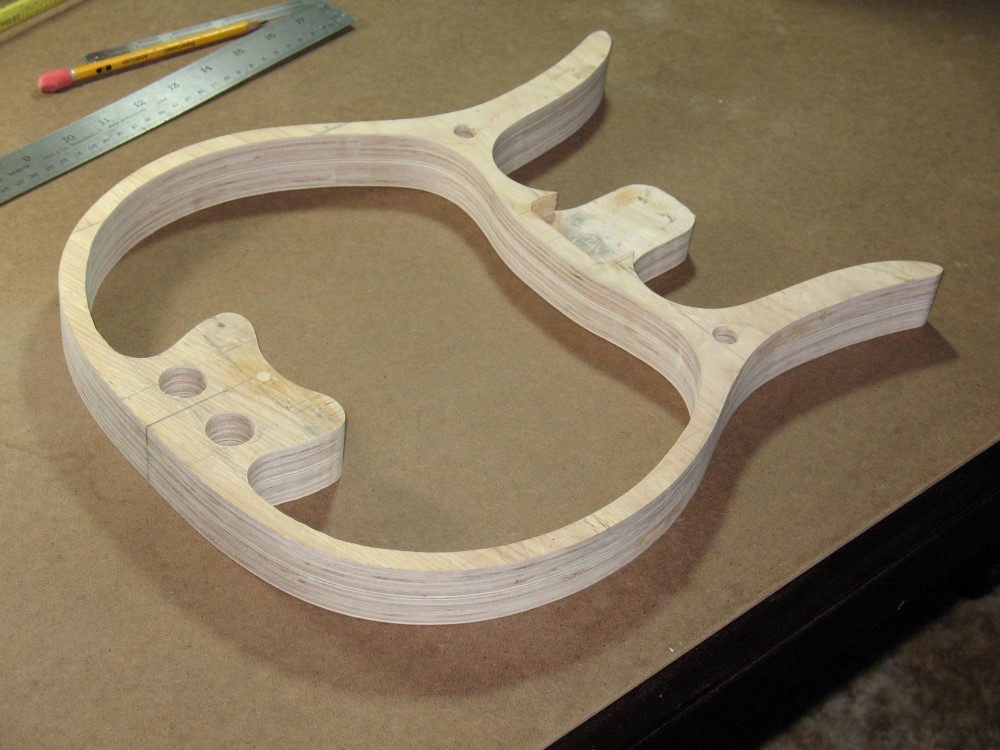
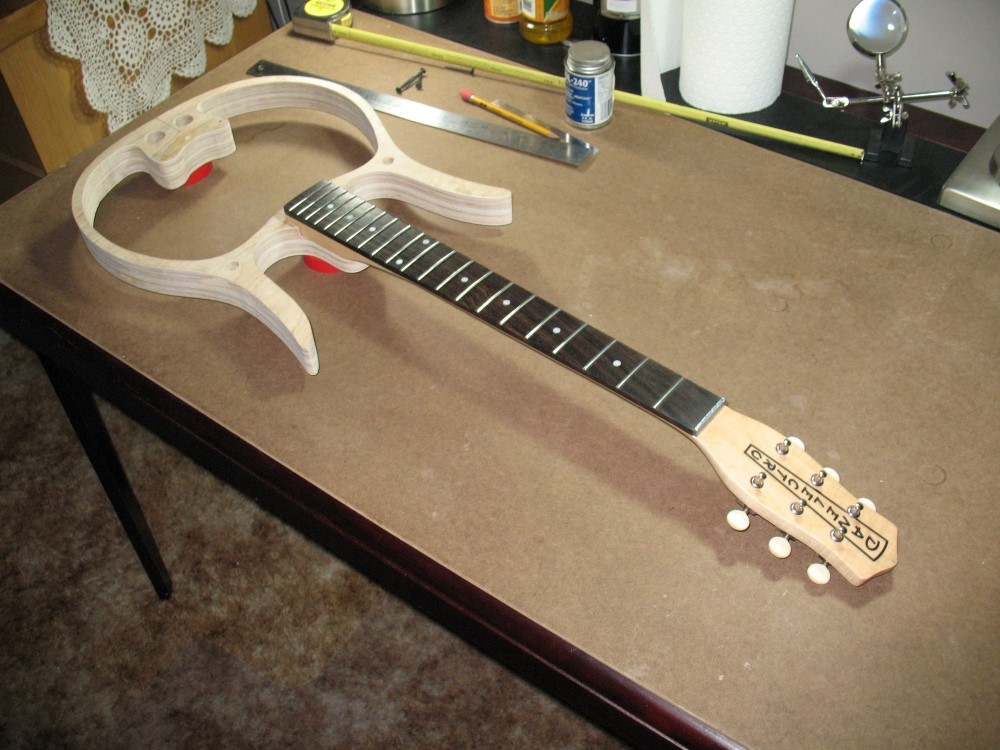
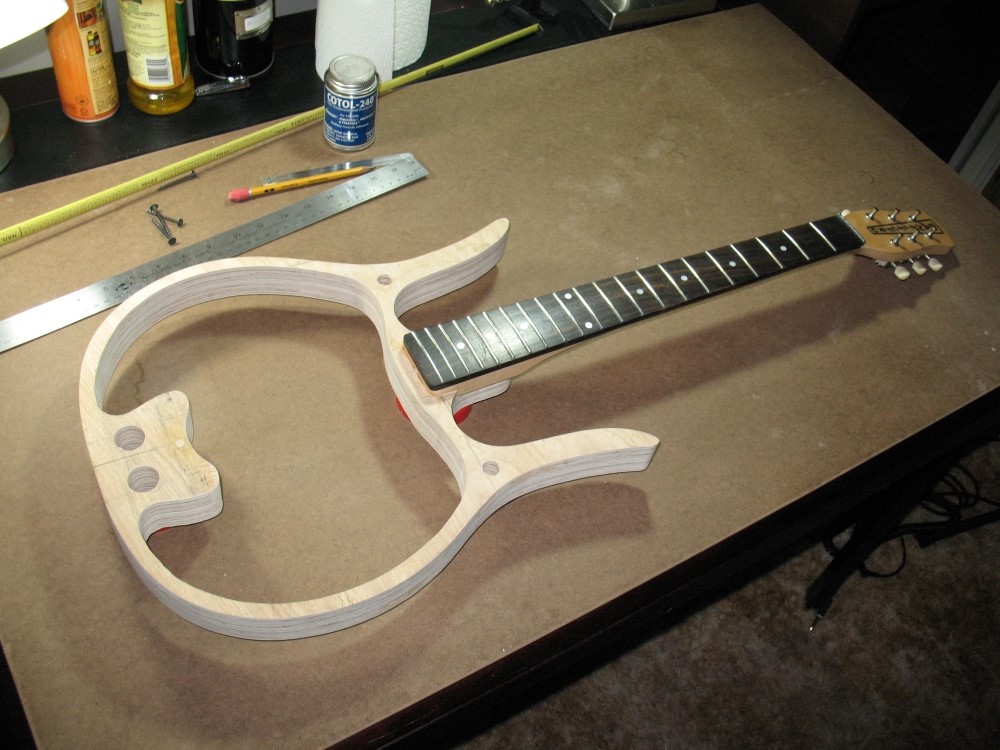

Another early build for me - 2010, a reissue Danelectro neck on a built body. The finish is pearl automotive acrylic lacquer. The pickguard is actually clear with a piece of paper under it.
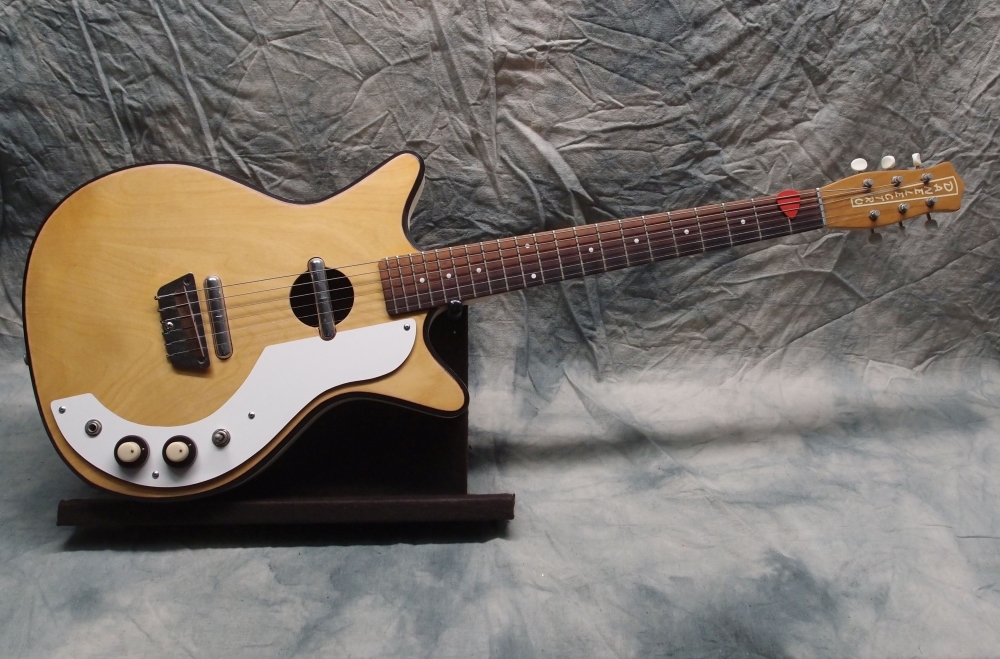
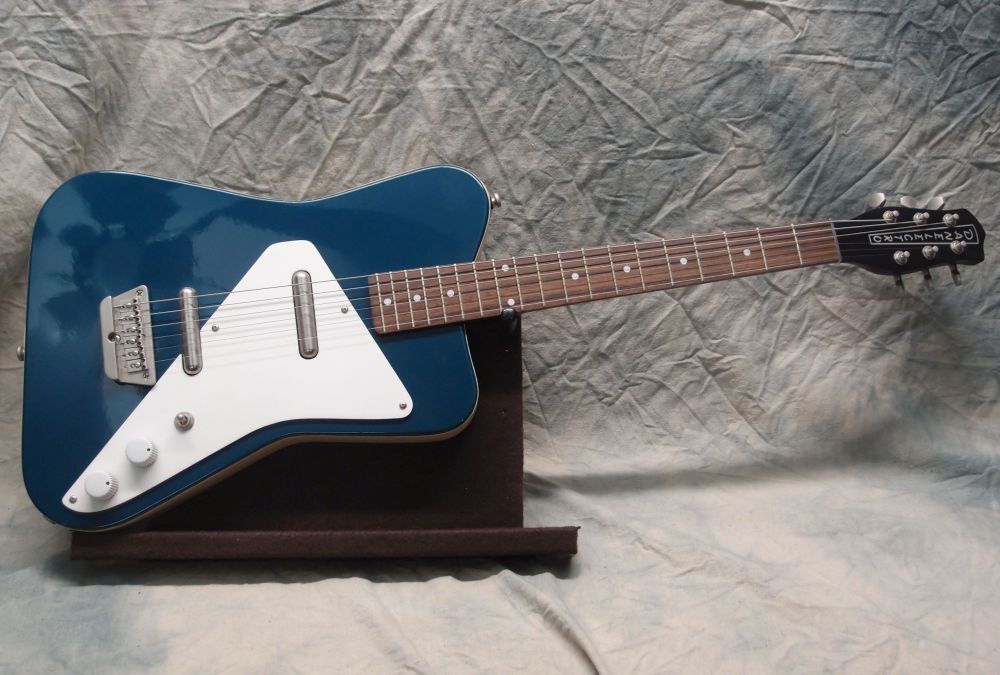
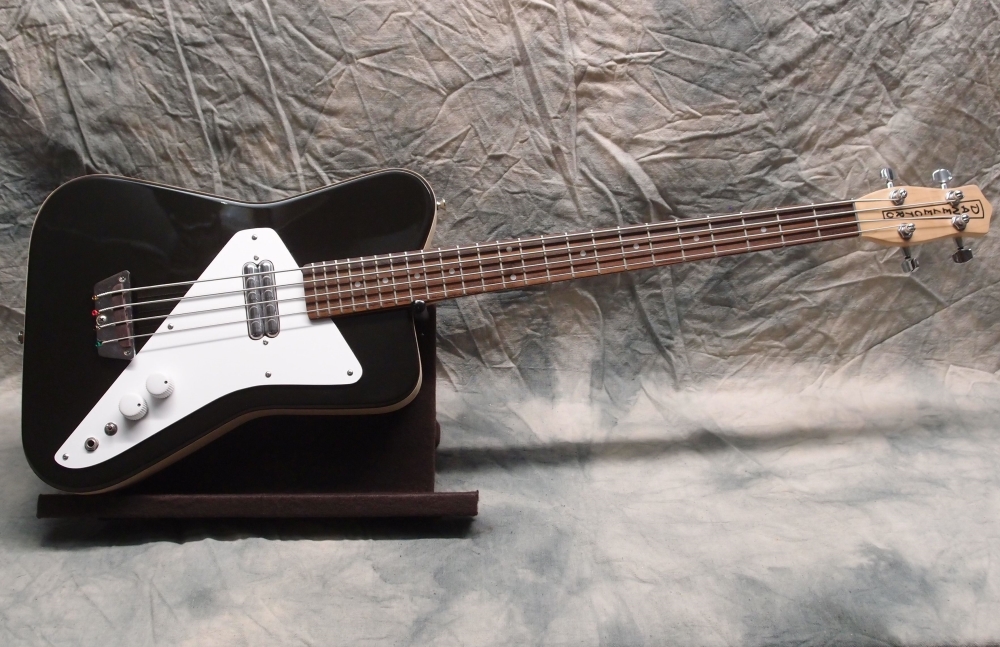
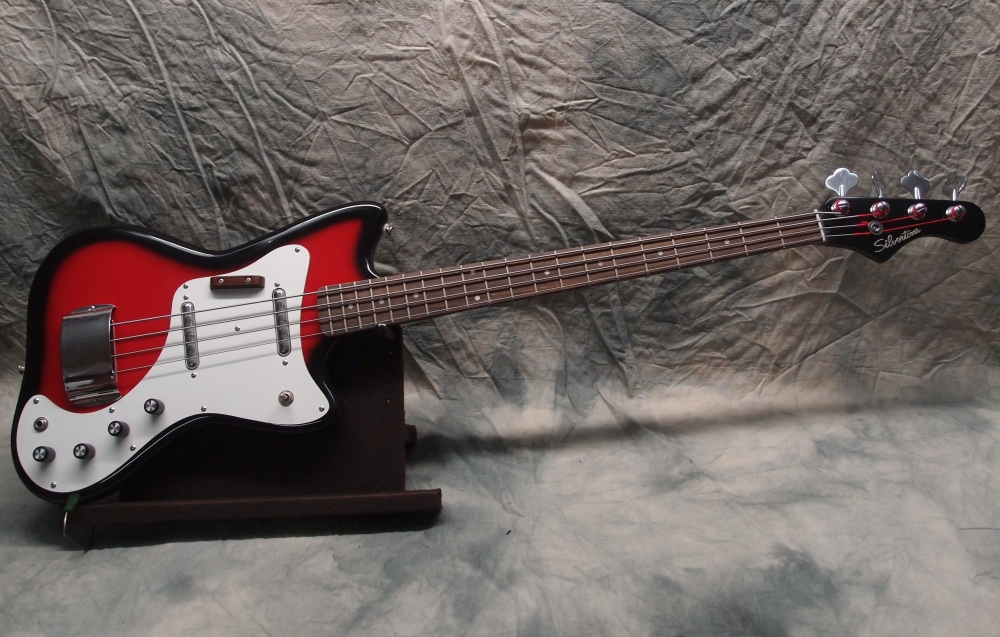
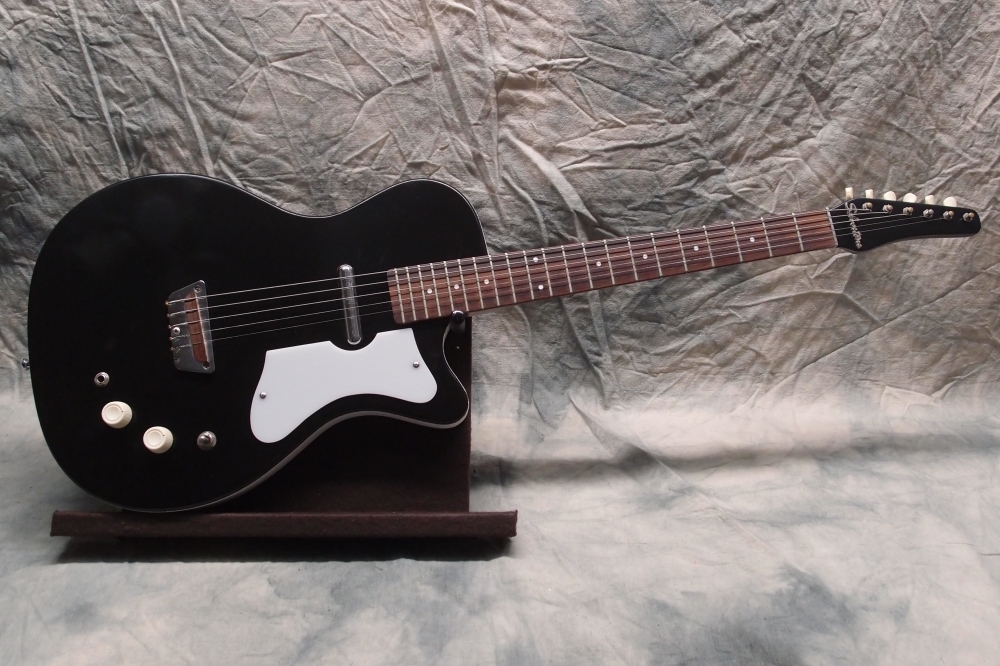
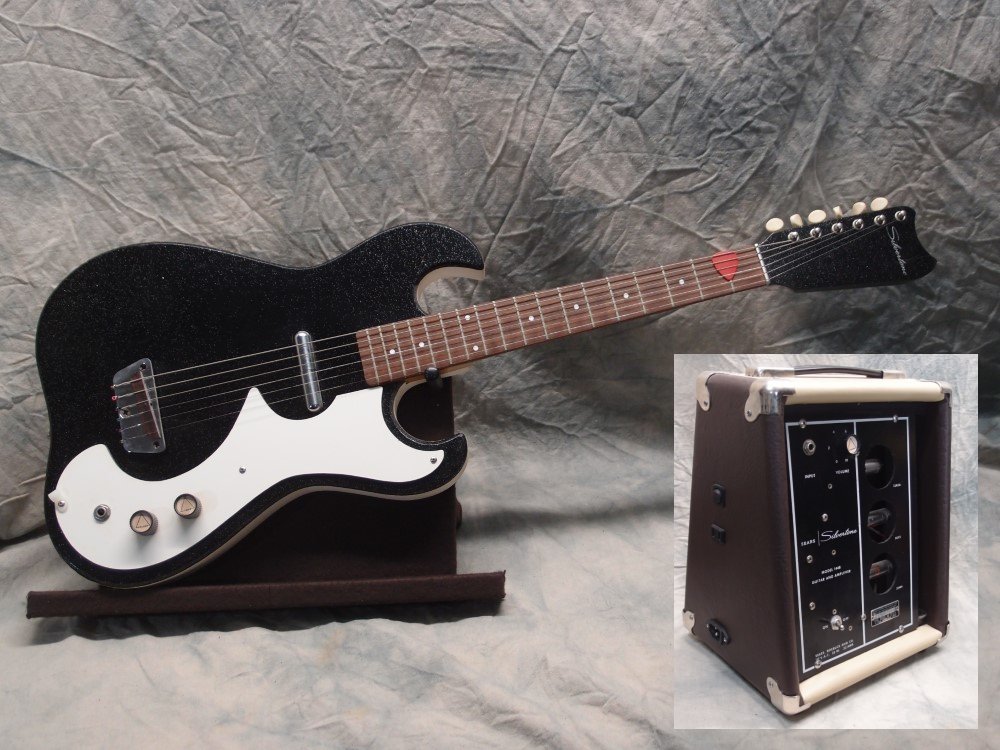
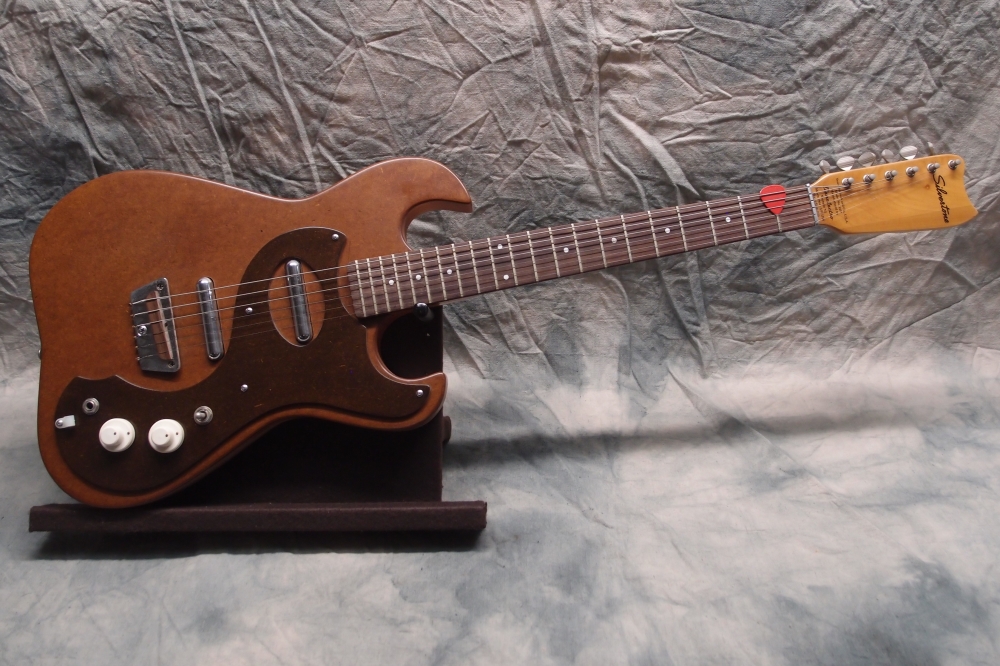
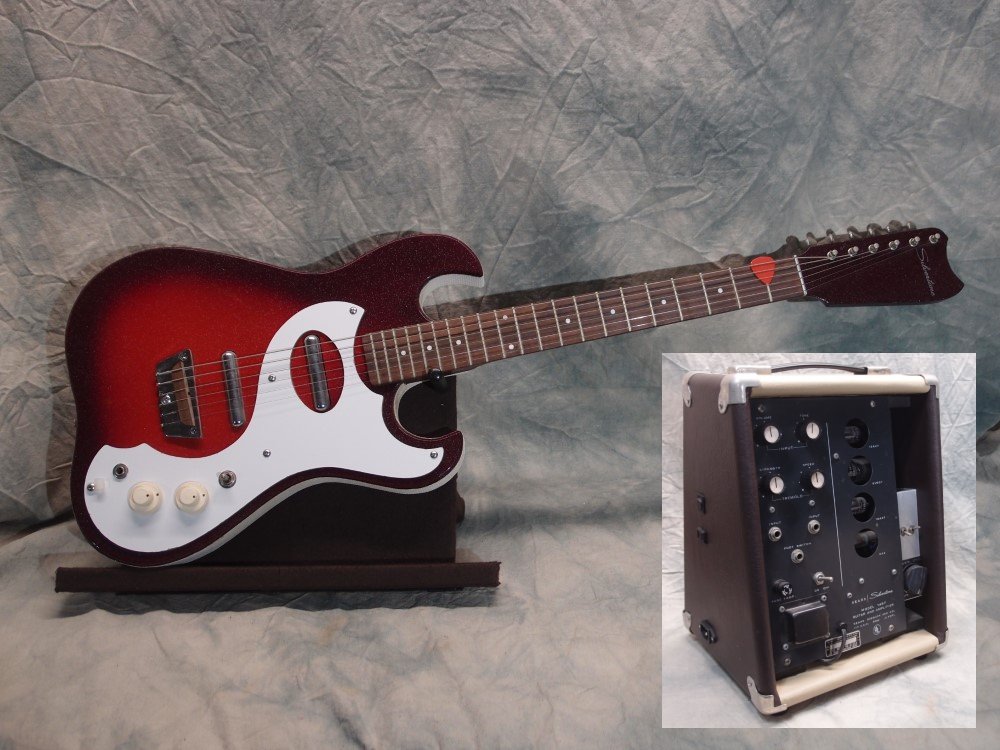
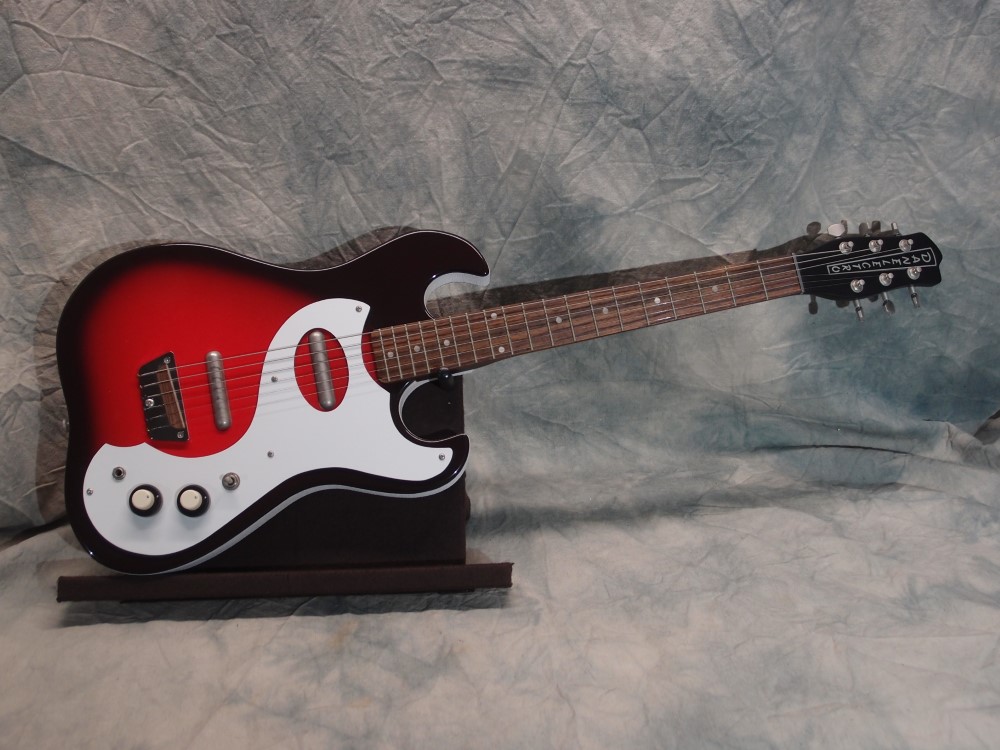
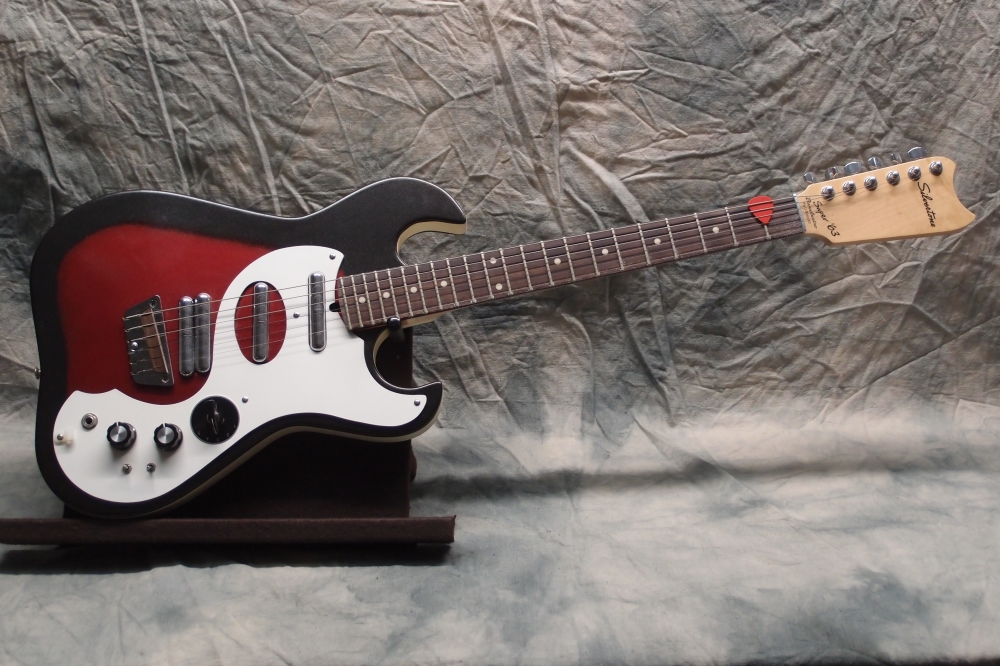
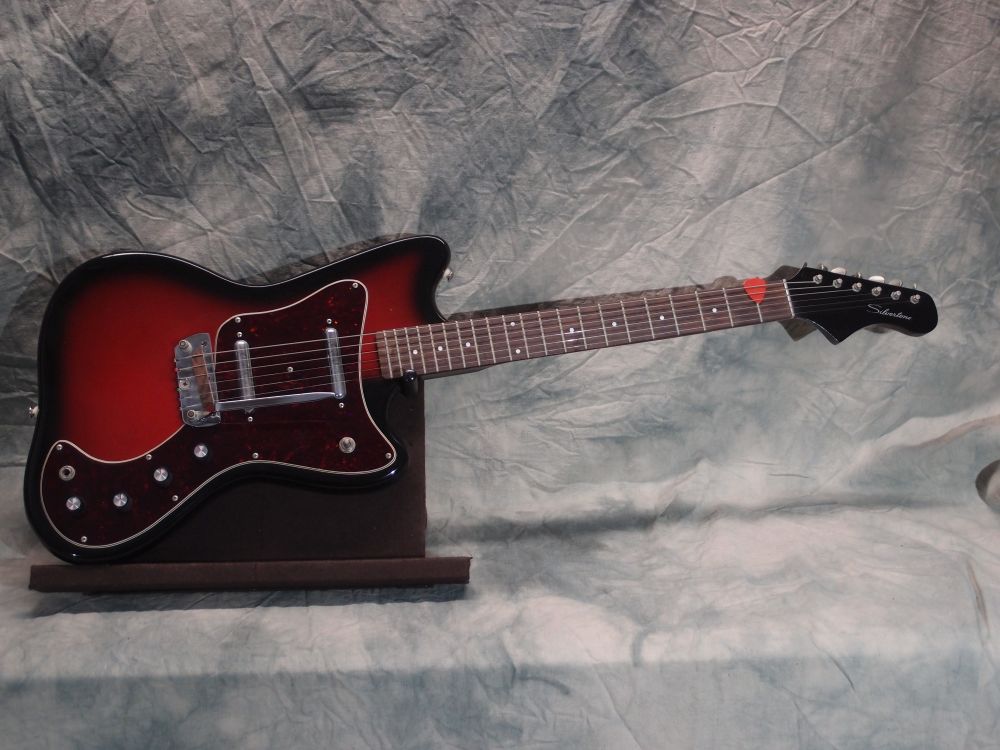
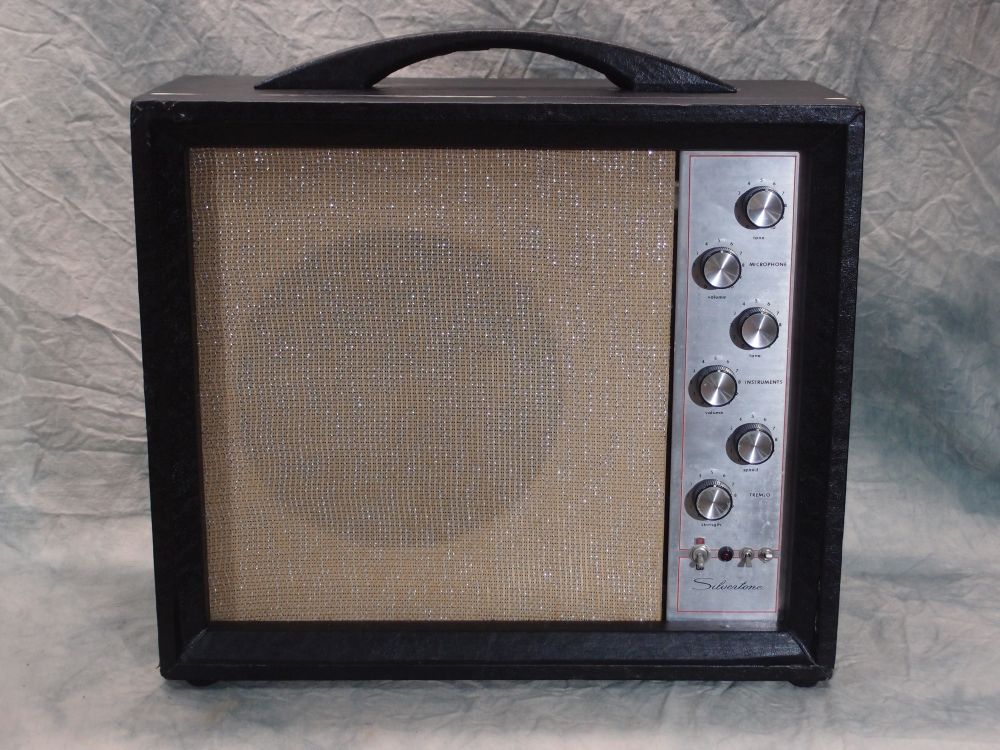
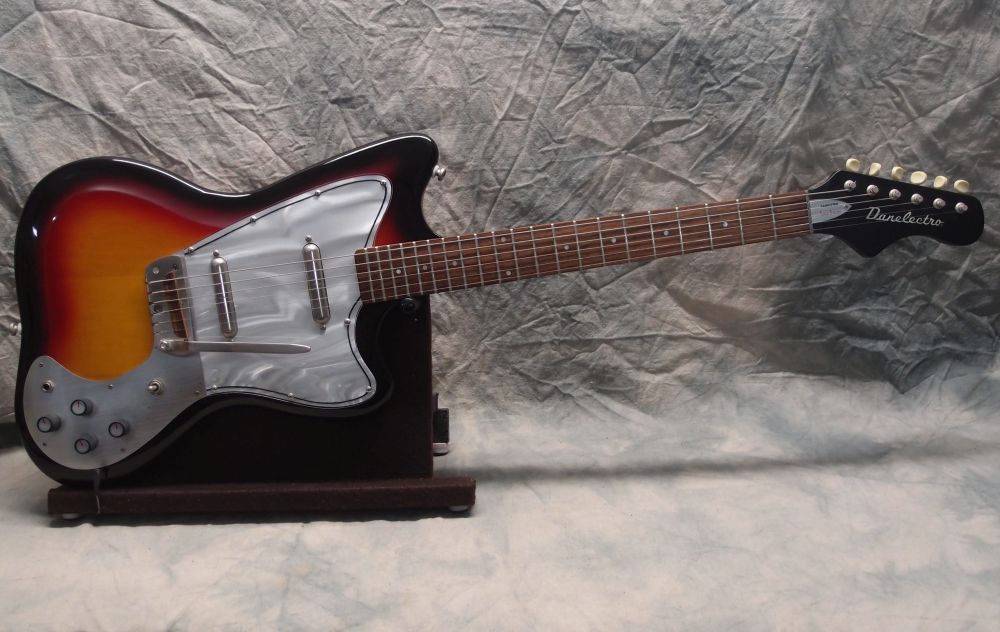
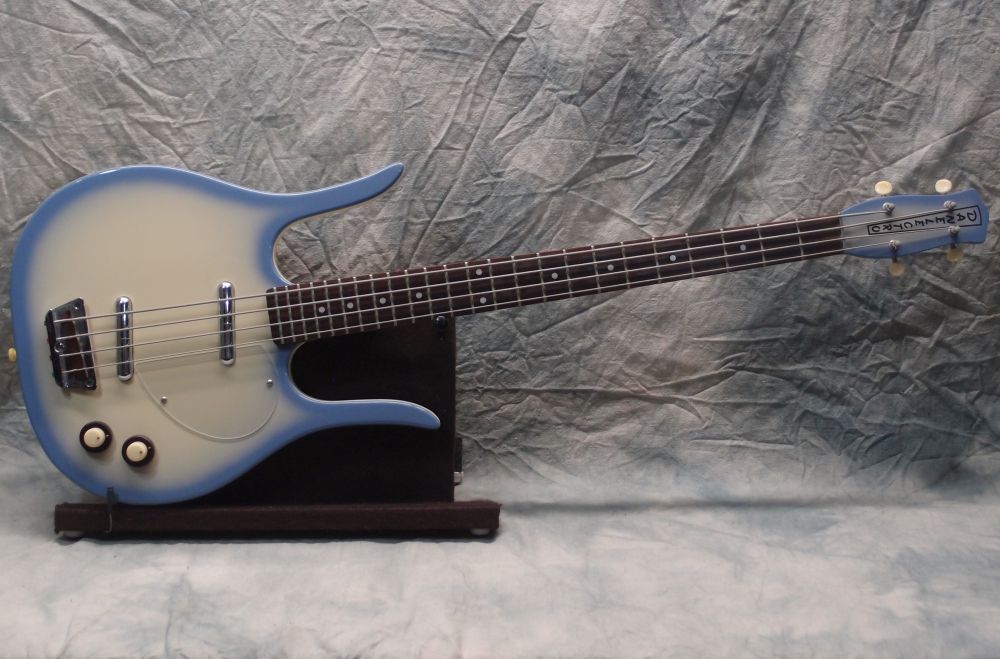
Danelectro is my favorite type of guitar, simply for the genius of their unorthodox, inexpensive, yet highly effective designs. I love the tone of old-growth masonite. If you are looking for details, the Pro-1 Bass is the most complete build documentation.
More: Danelectro Projects ...
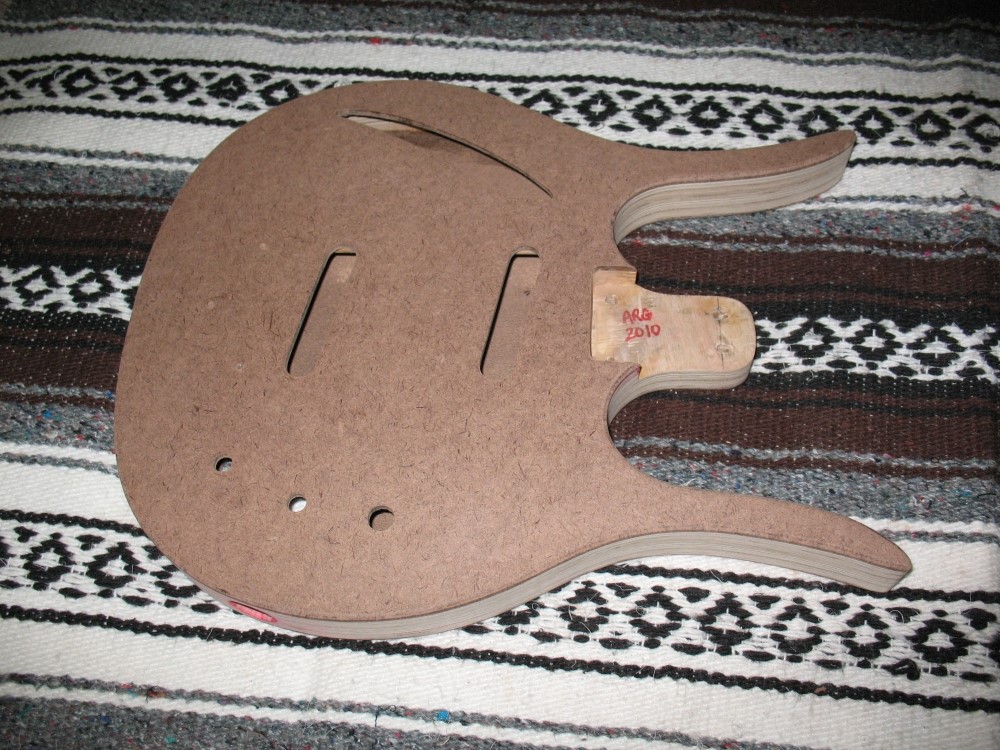
Masonite is the classic Danelectro body material. Vintage Danelectros are Masonite over a poplar core, modern ones substitute plywood for poplar, which is actually better and cheaper. Masonite is available in 1/8" and 3/16" thicknesses. For luthiery, 1/8" is preferable, but 3/16" can also be used, especially if a slightly thicker and heavier body is desired.
More: Masonite ...
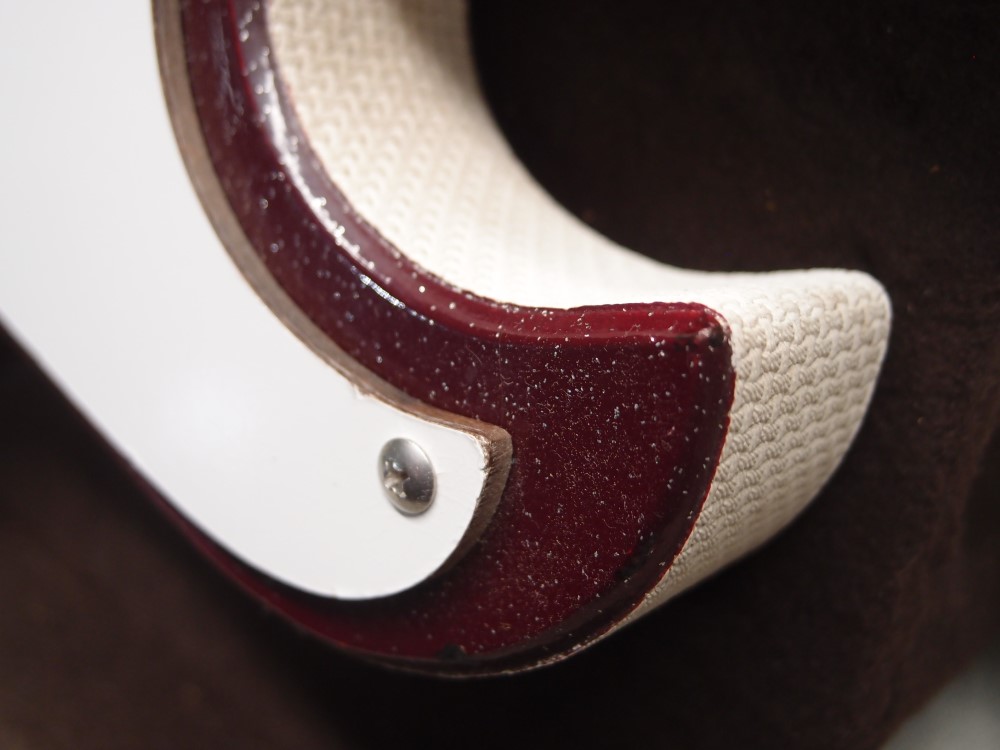
Tolex side binding is something that is particular to Danelectros. I love it. There are many good points to using Tolex side binding:
More: Danelectro Tolex Body Binding ...
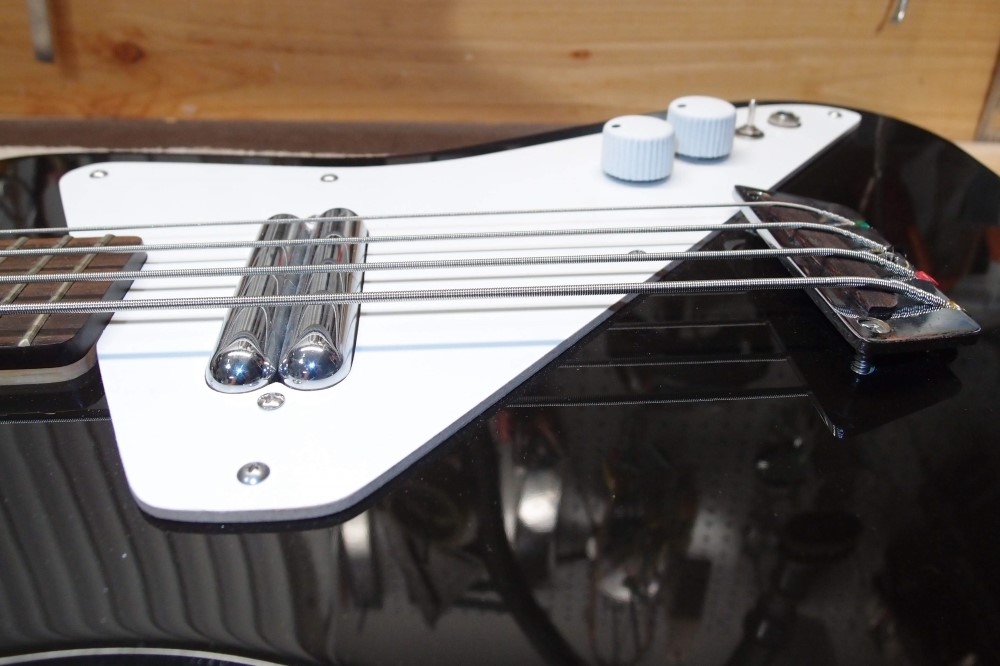
The classic Danelectro bridge is a study in simplicity. A chromed brass plate*, drilled and notched, with a rosewood sliver for a saddle.
More: Danelectro Bridges ...
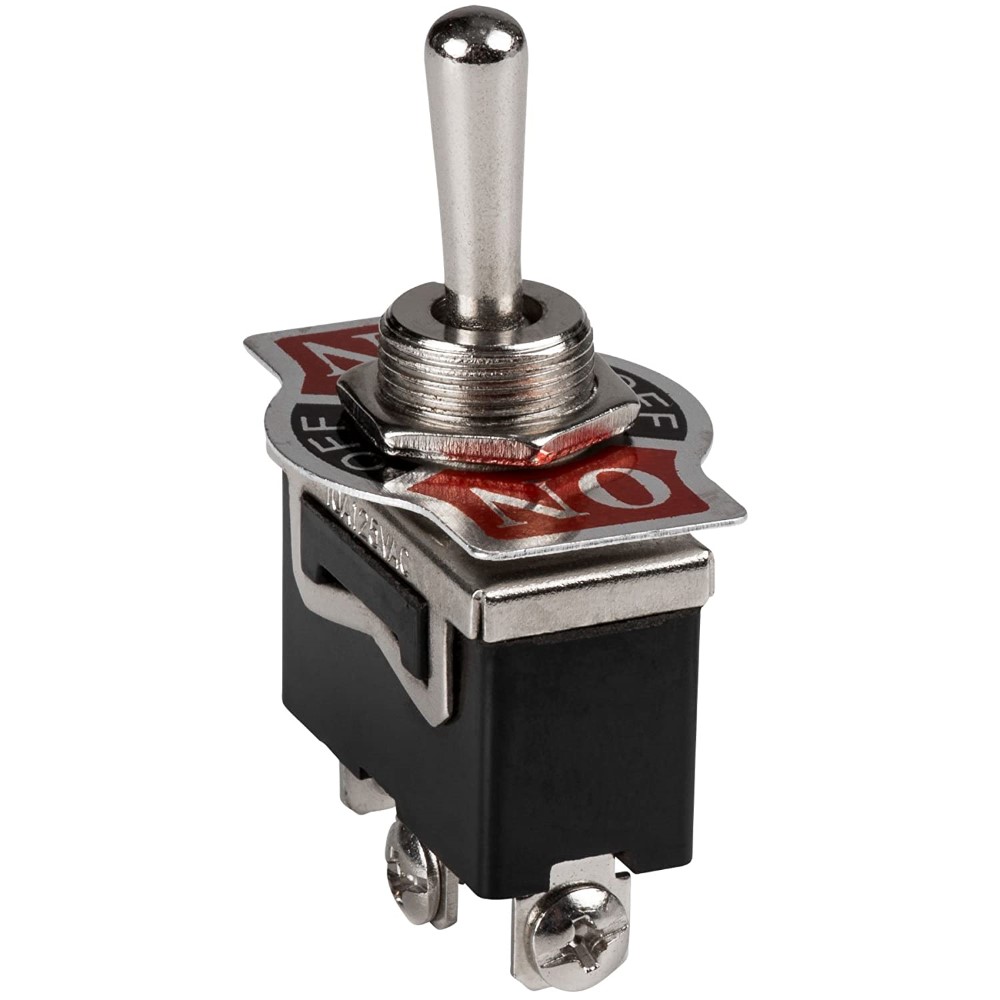
When two pickups are wired in series, the output of one is connected to the ground of the other. The outputs are directly additive, there is no loading effect as with parallel wiring. You get noticeably more output, and usually a much fuller sound. Two pickups may be wired in series with a standard [ON-OFF-ON] switch, available at any hardware store.
More: Series Wiring ...
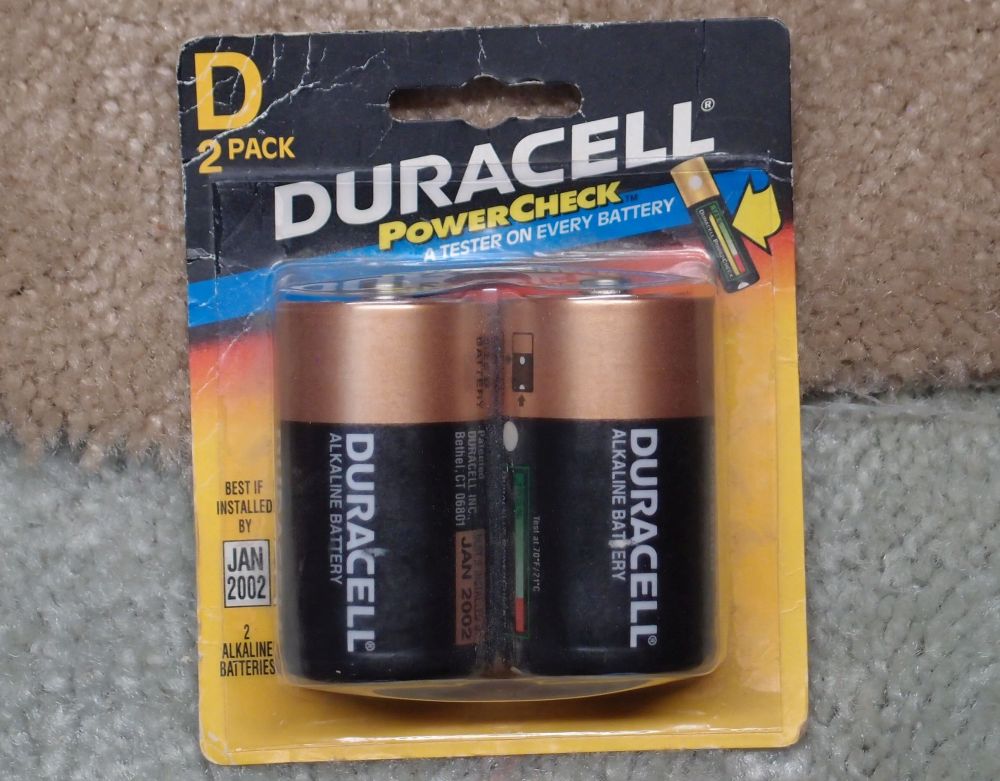
This is a pack of Duracells I found in my dad's closet. The 'use by' date is January 2002, you can see it right there. Yet, there is not a speck of white mange on them. They have not leaked after over twenty years! These batteries were made in the USA. Modern Duracells are made in China, and are pretty much guaranteed to leak in 20 weeks, if not 20 days. The whole point of alkaline batteries once upon a time was that they didn't leak like acid batteries. You paid extra for that.
More: Duracells ...
Questions or Inquiries?
Just want to say Hello? Sign the .