Danelectro Projects


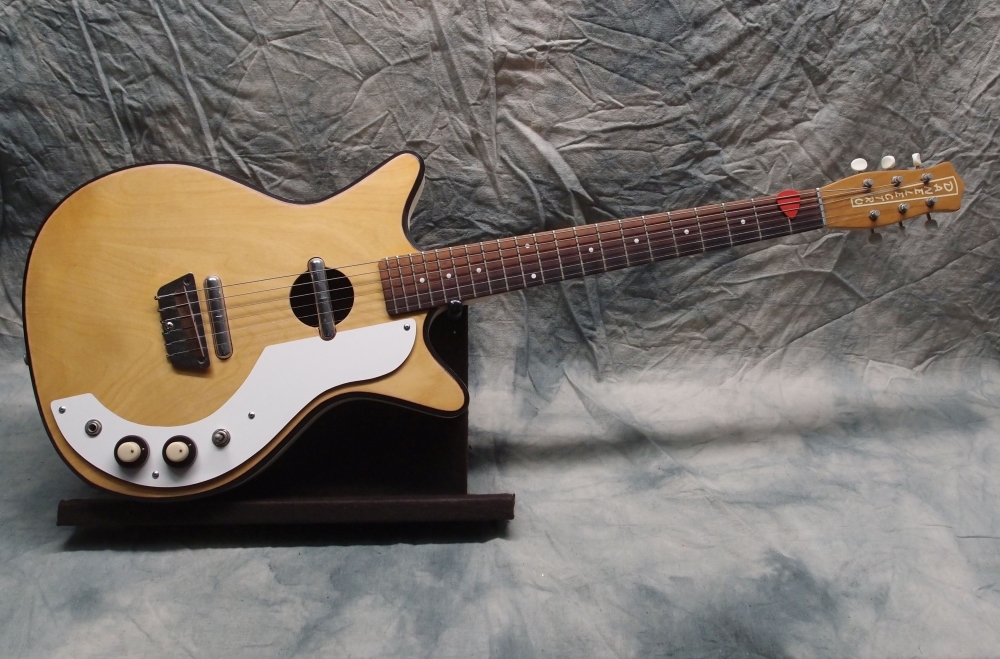
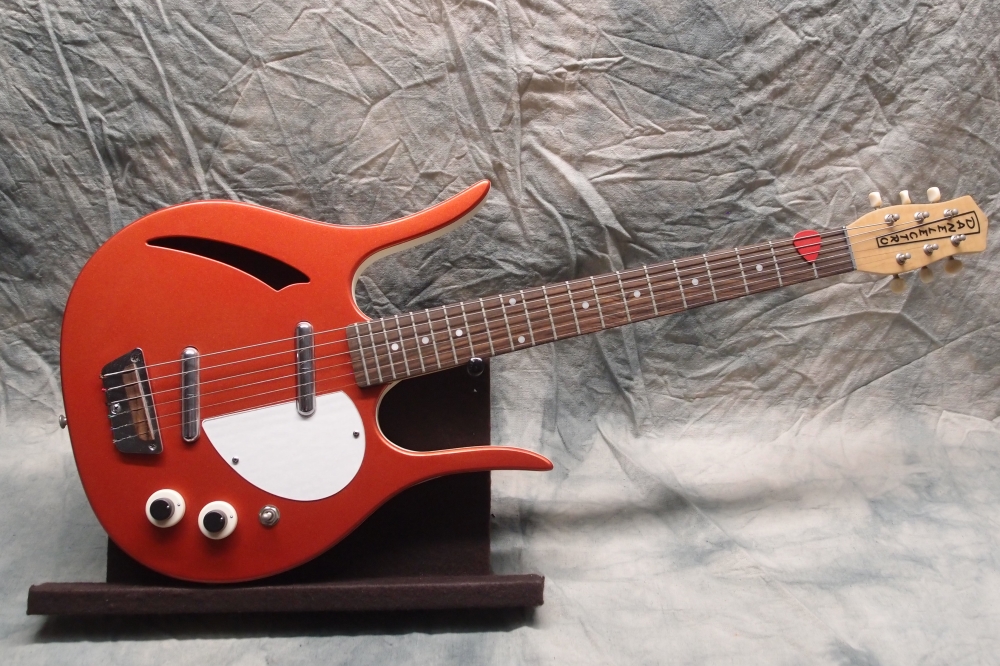
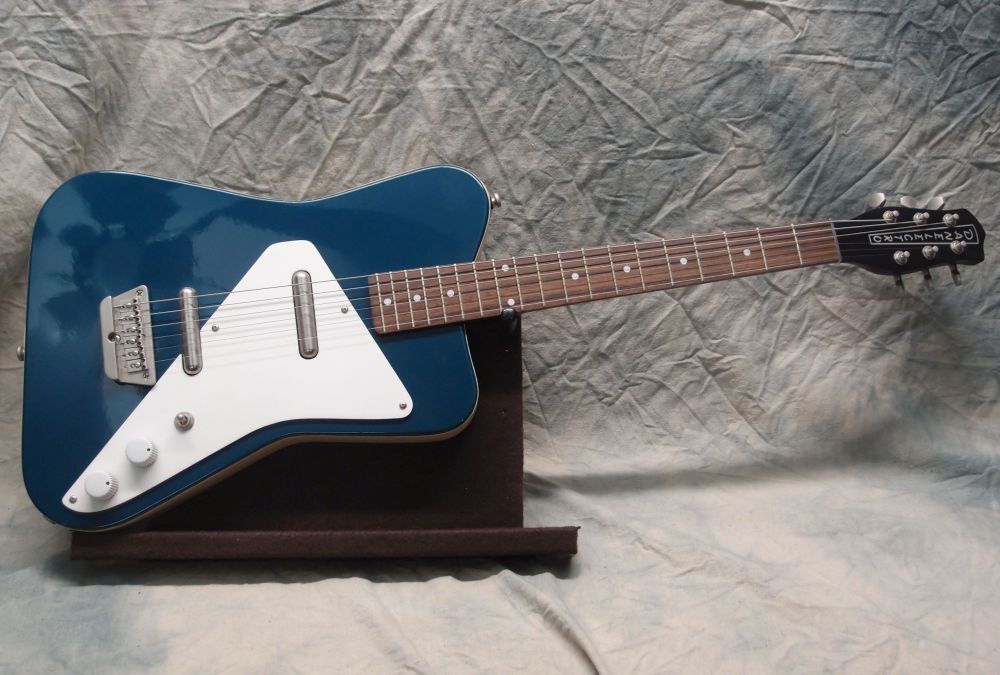
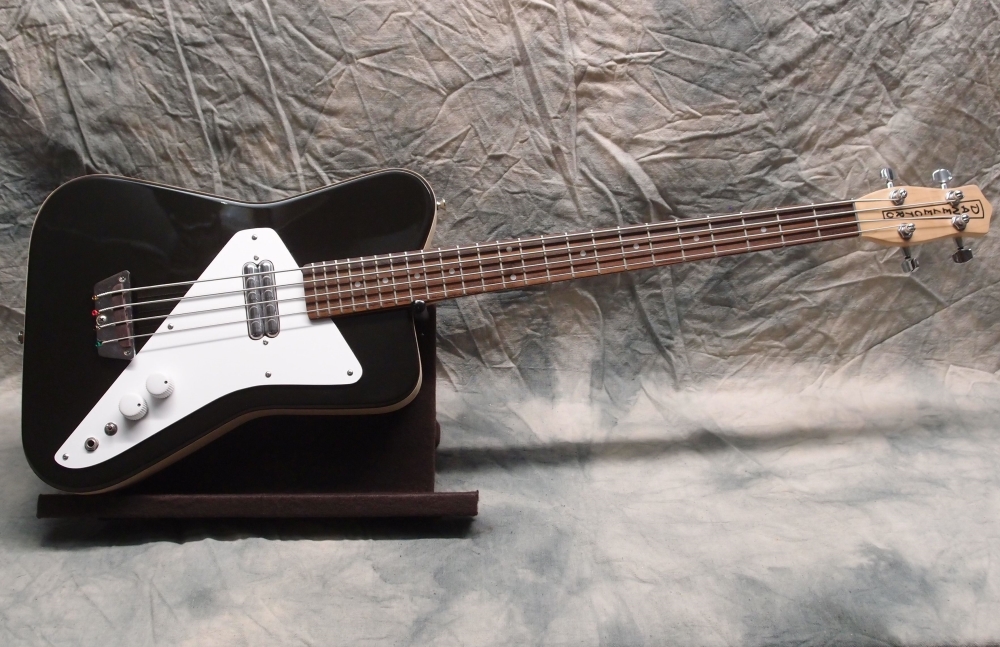
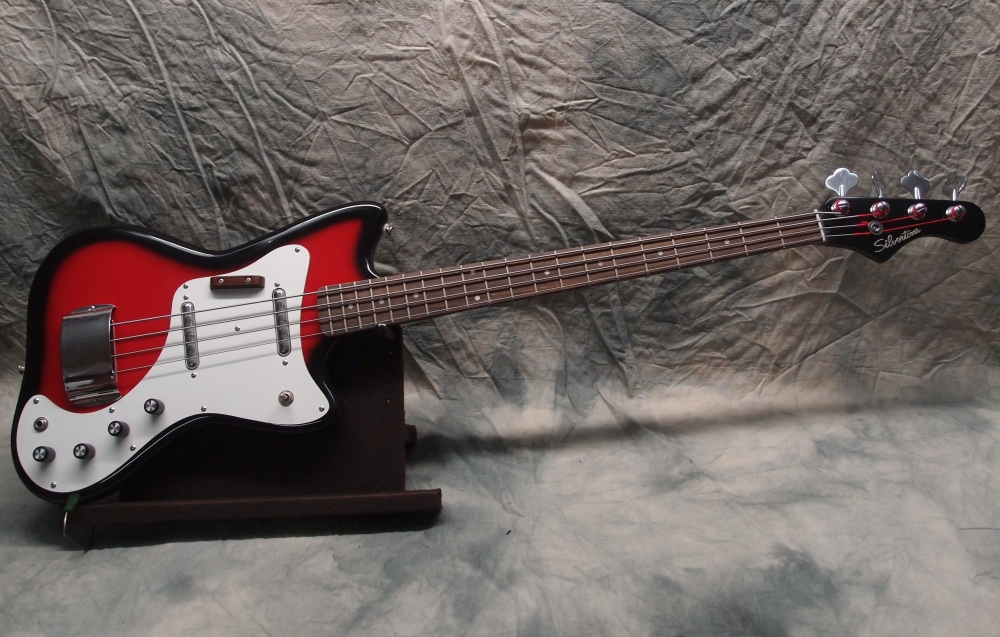
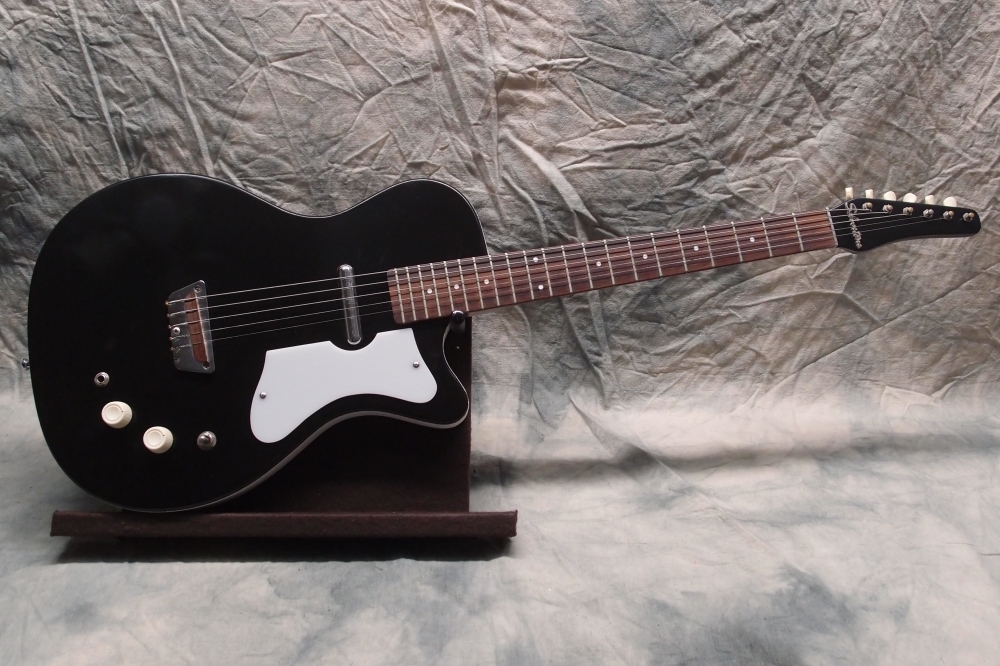
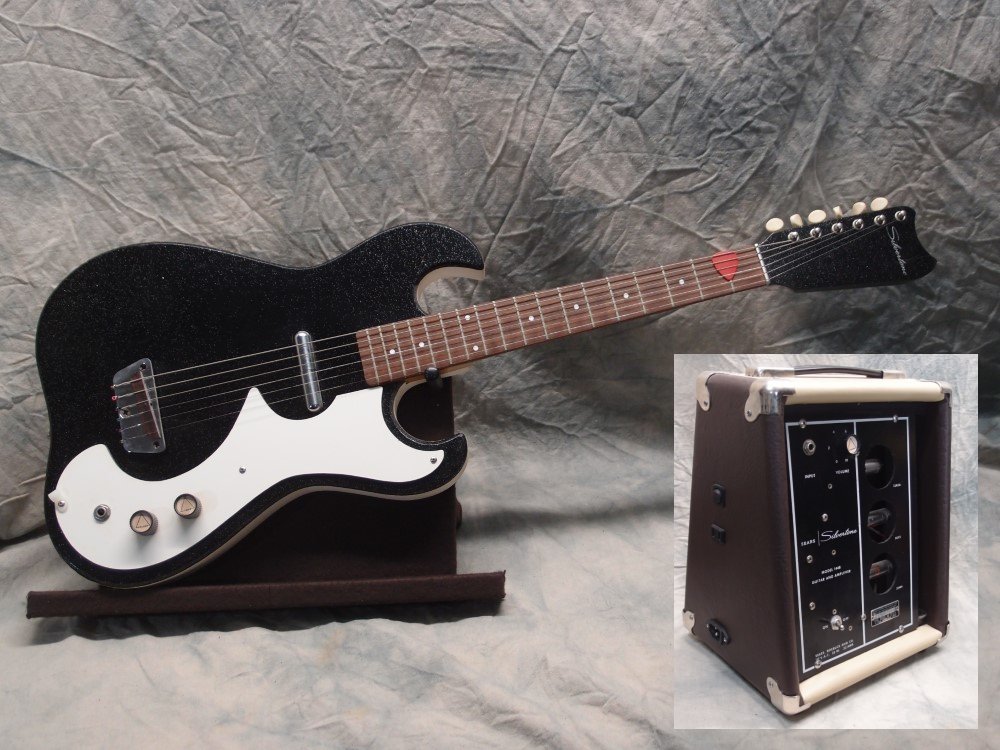
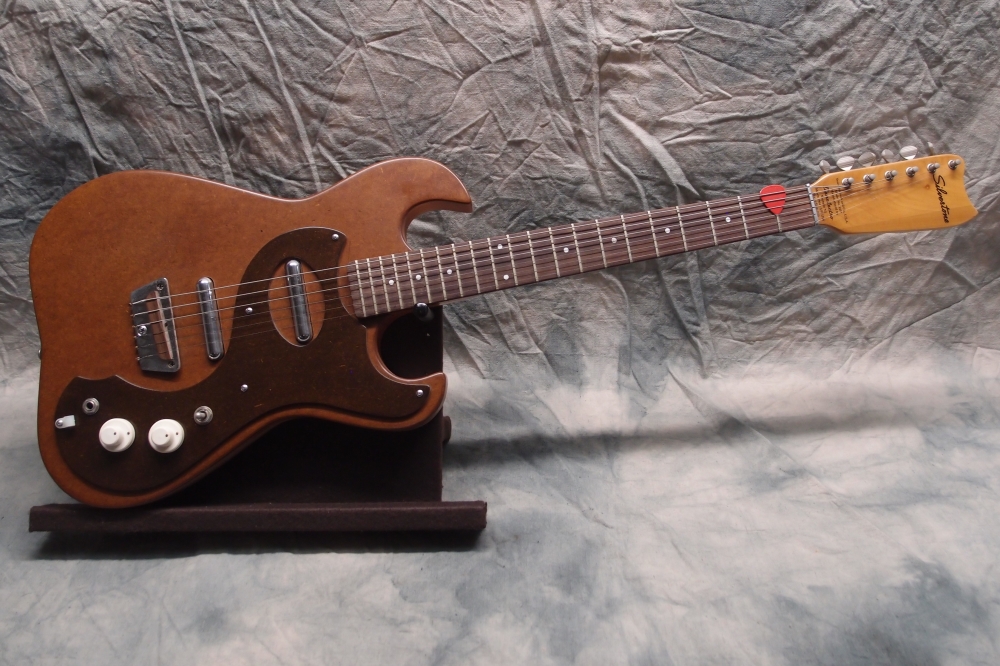
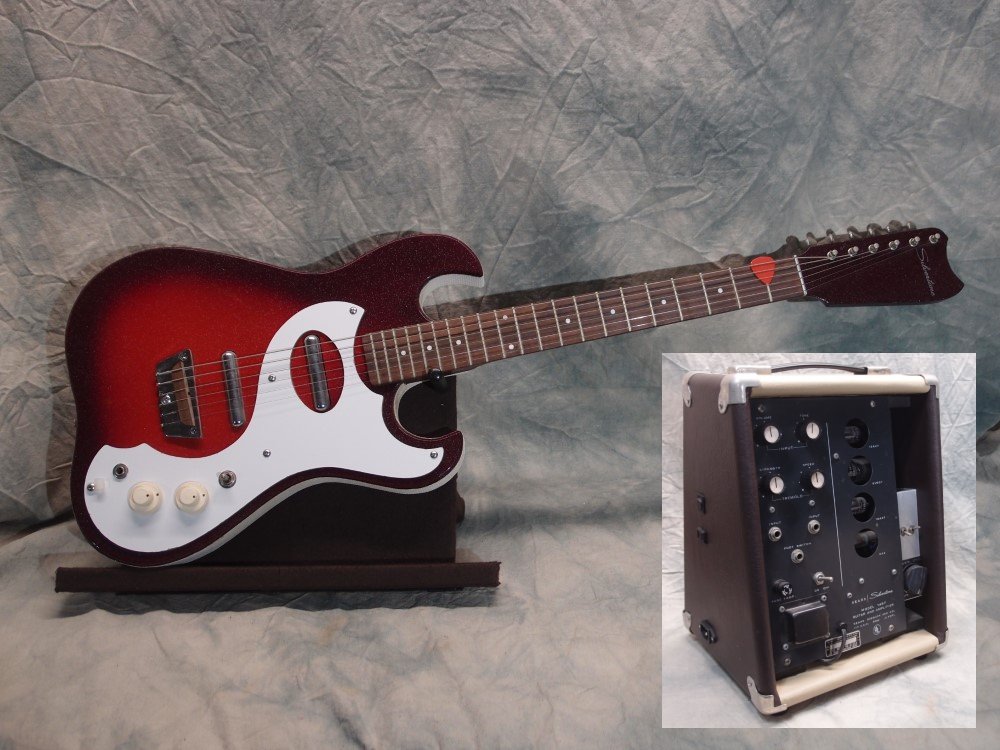
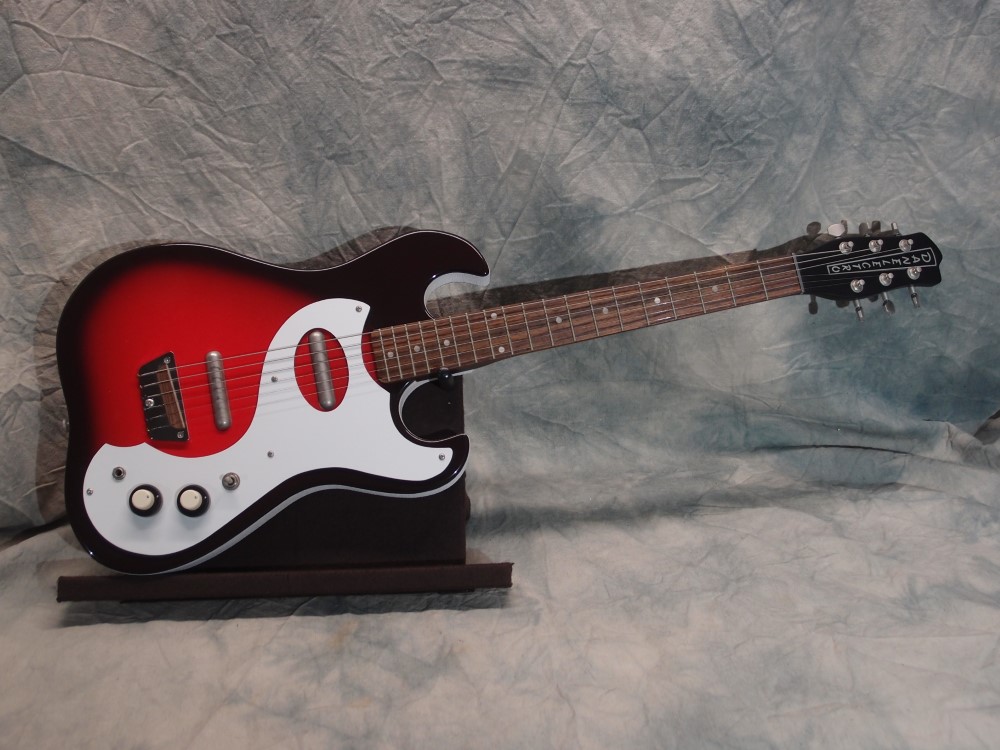
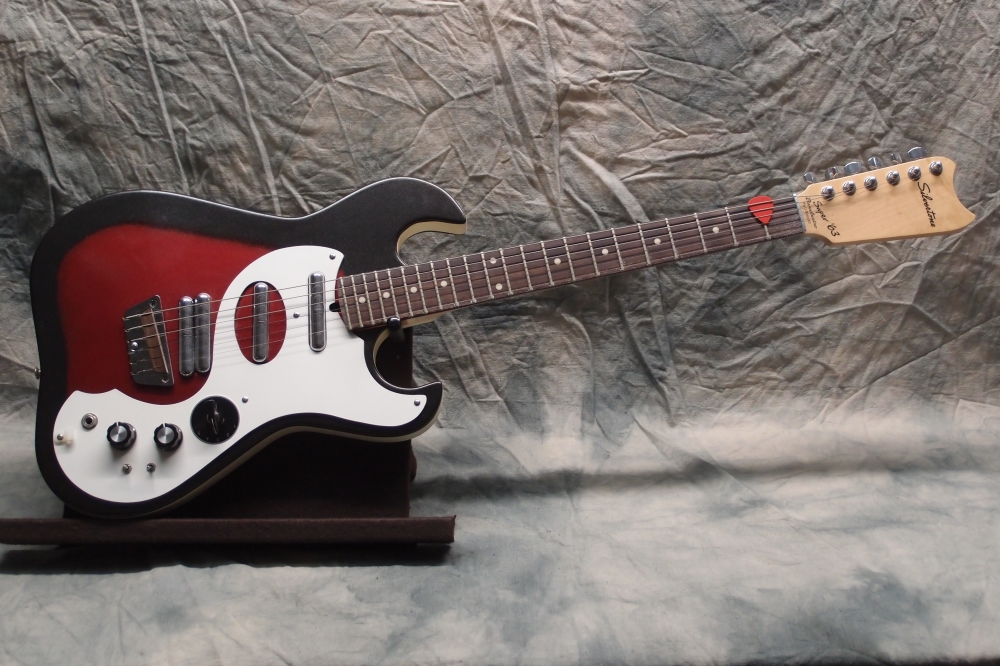
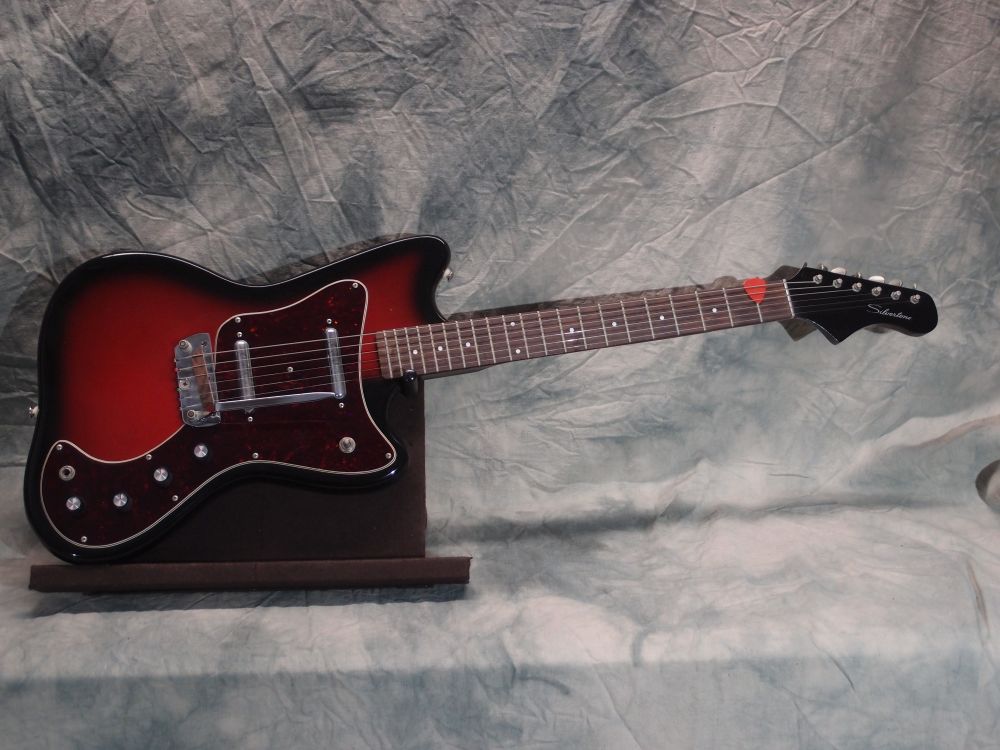
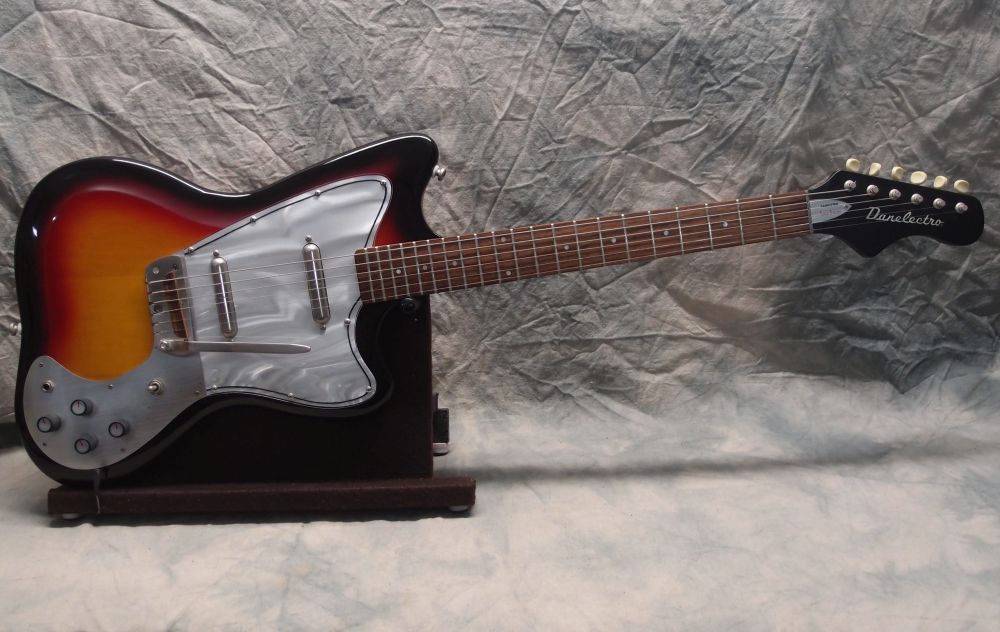
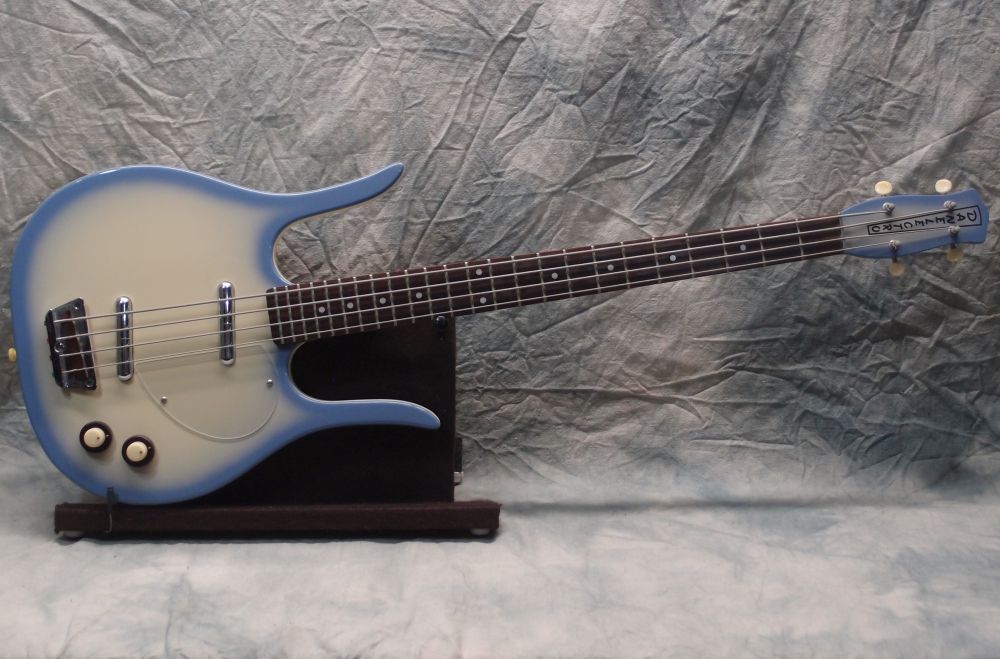
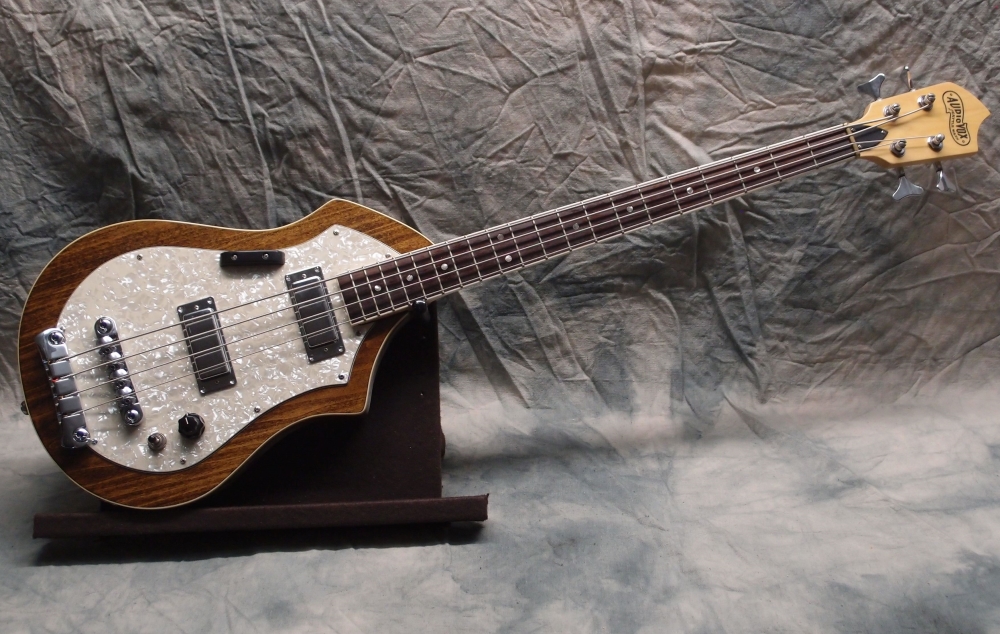
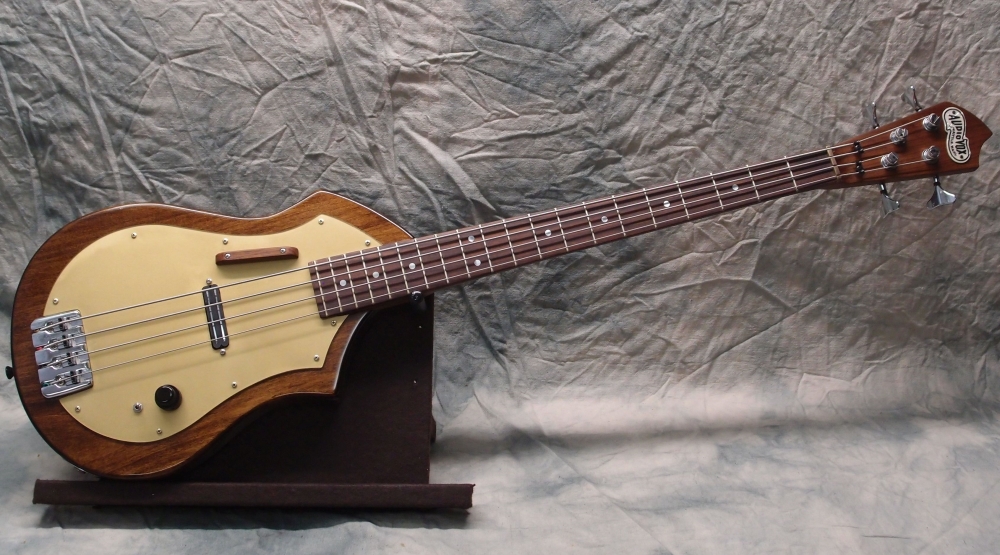
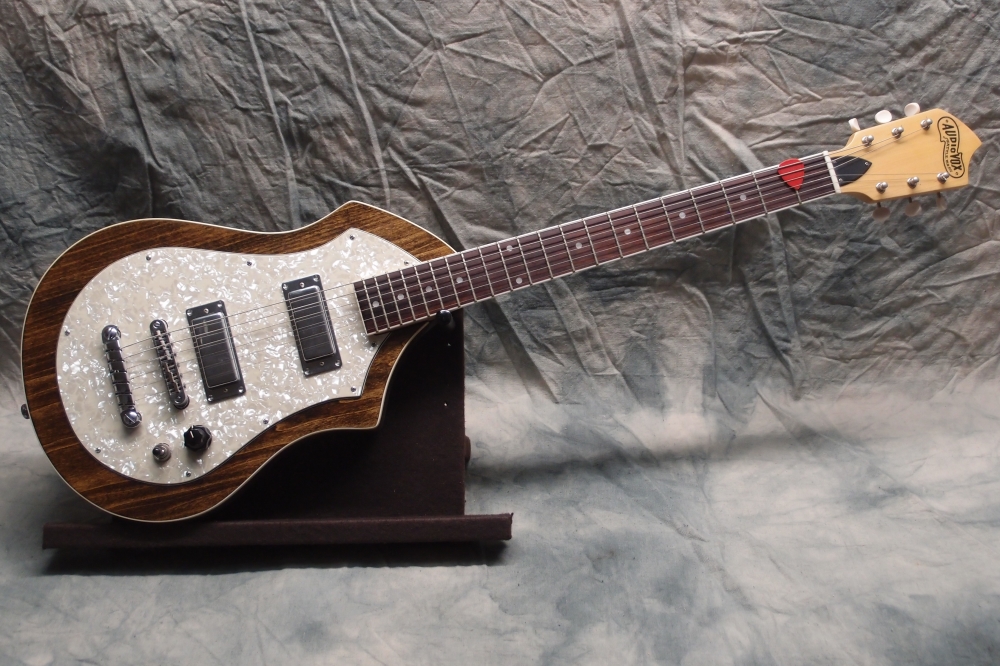
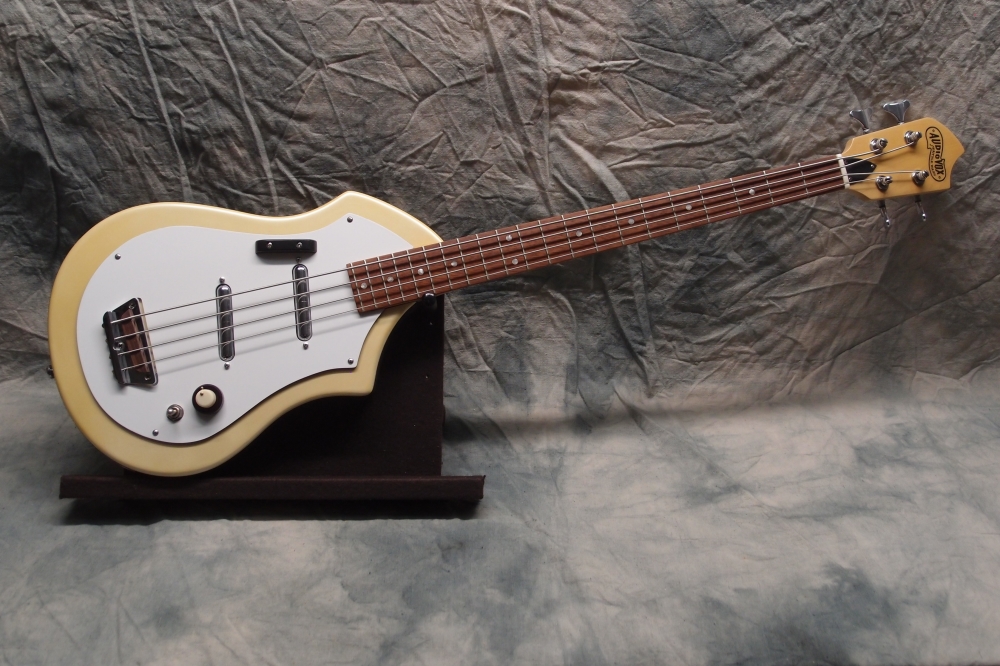
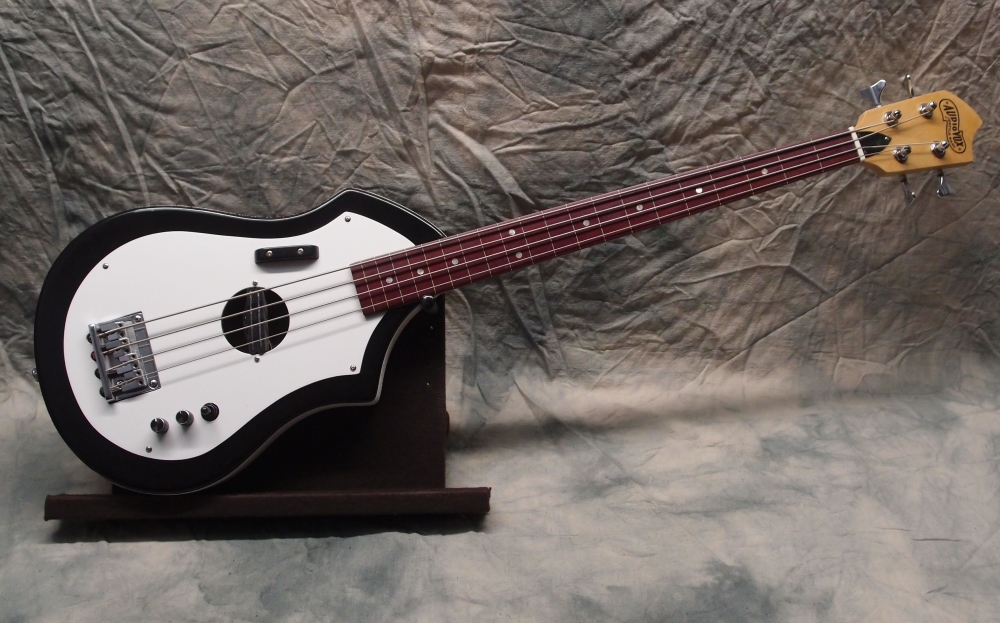
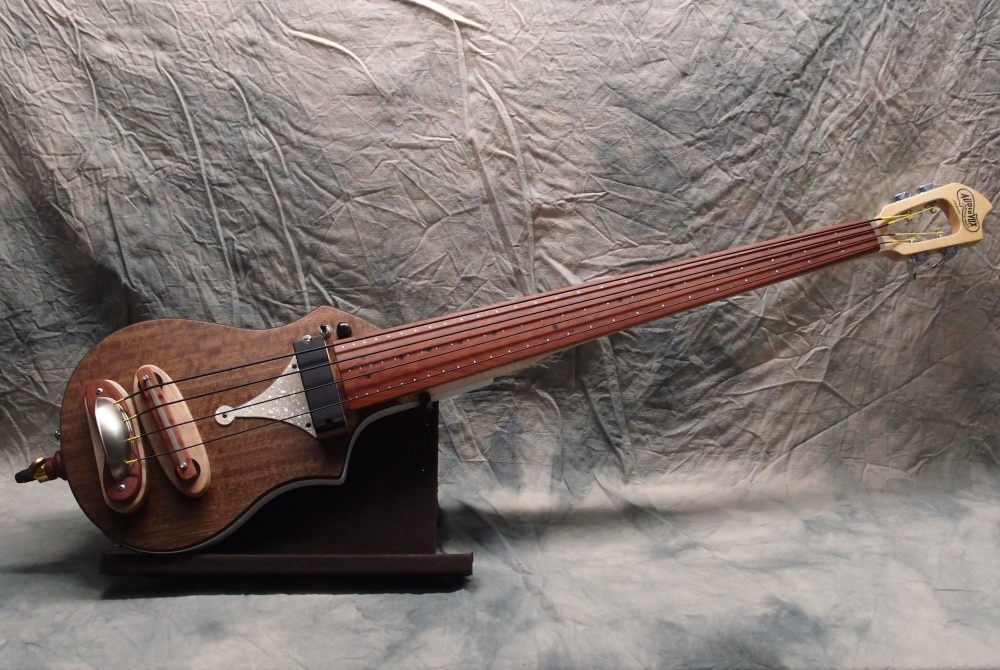
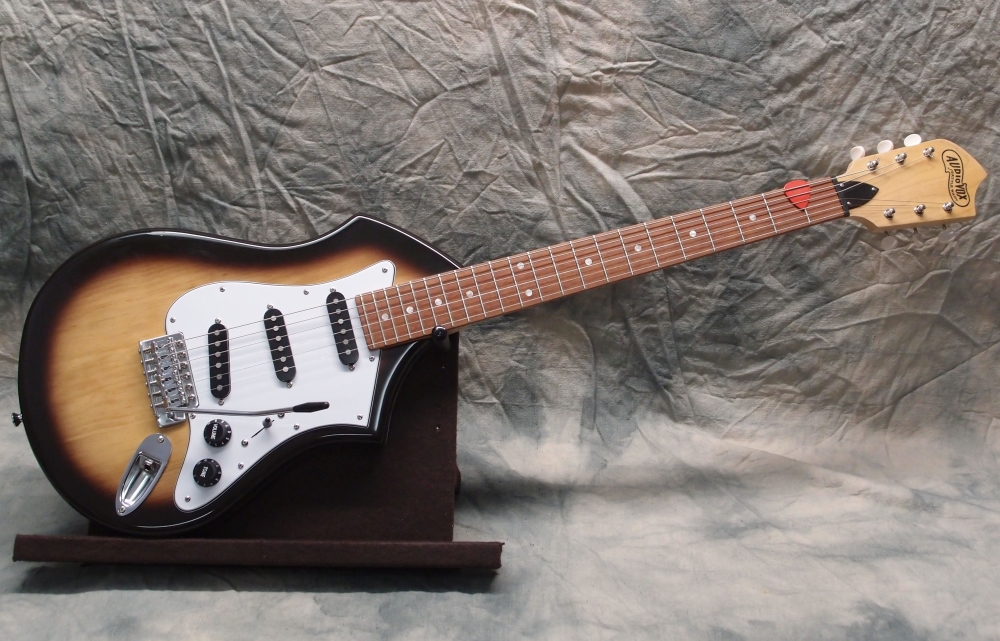
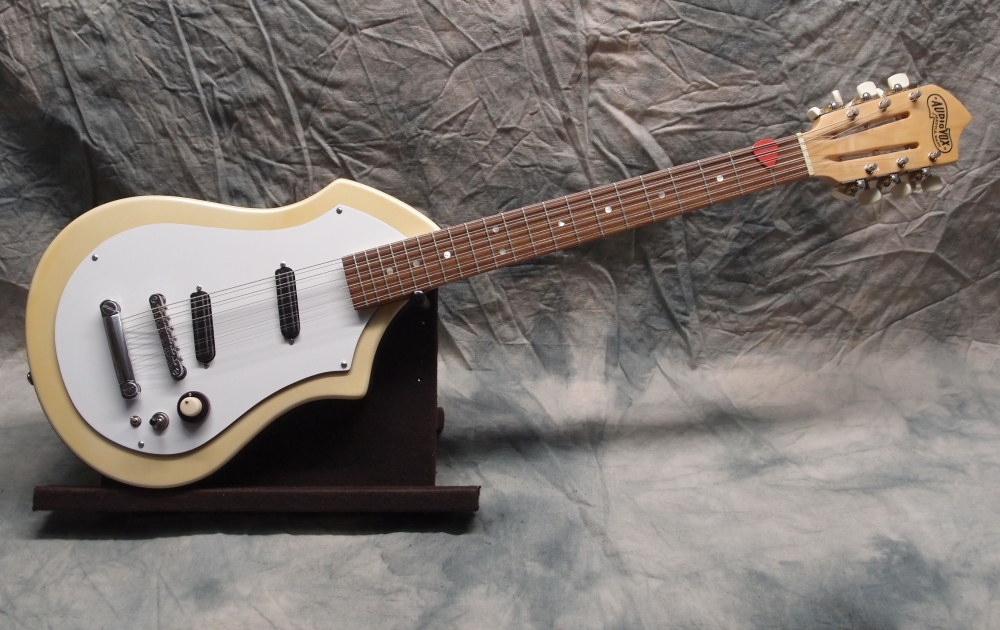
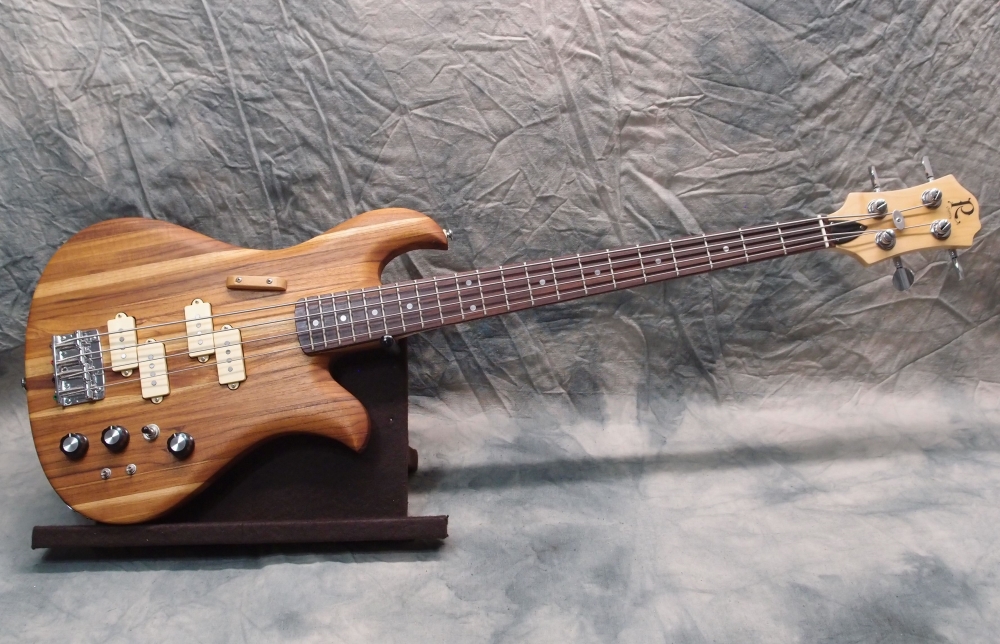
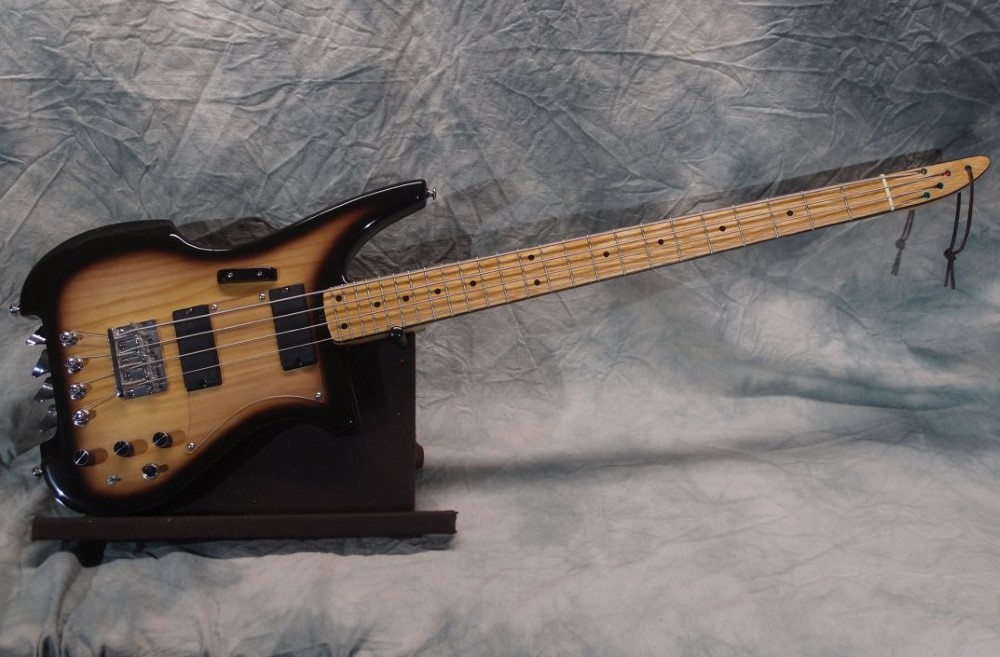
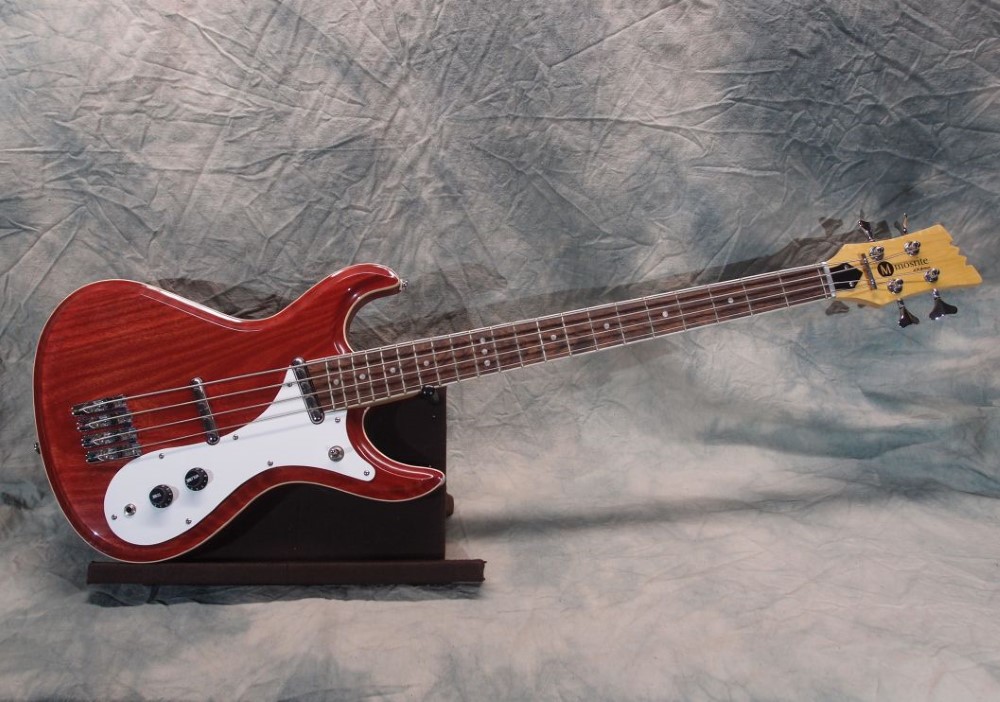
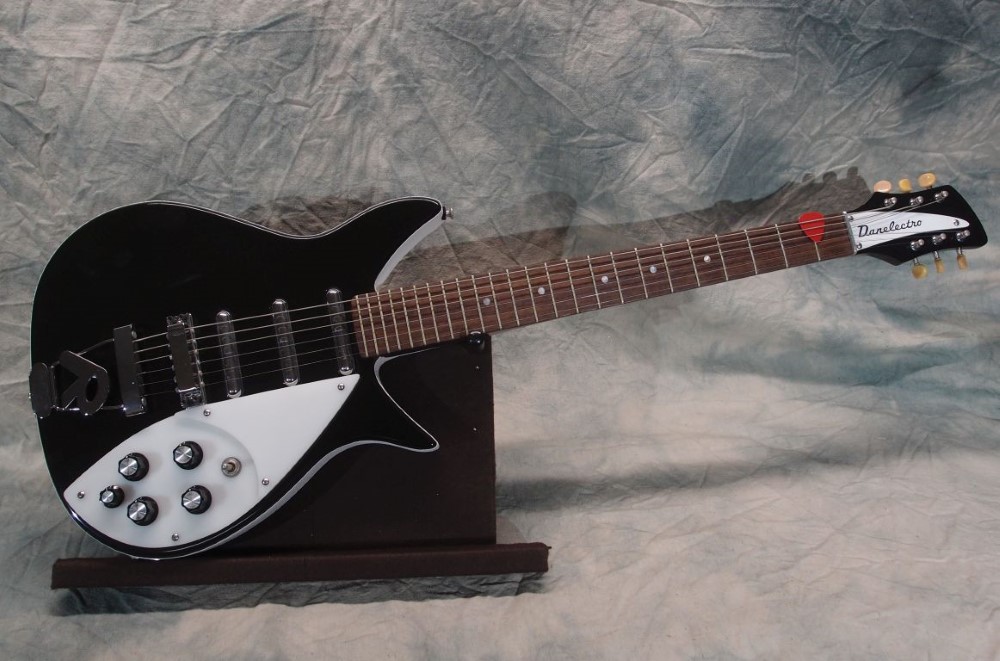
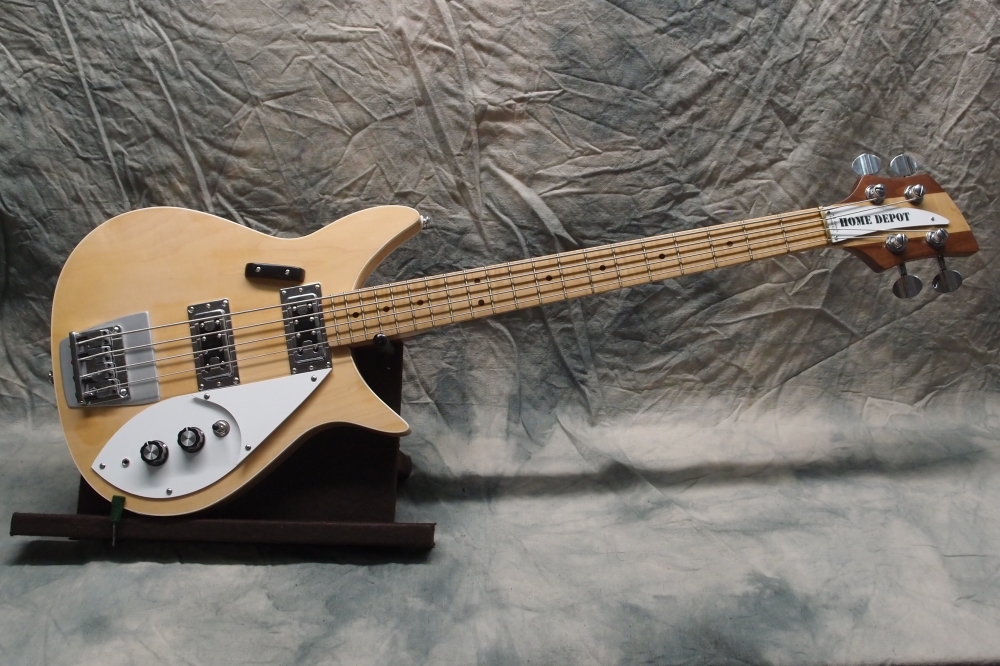
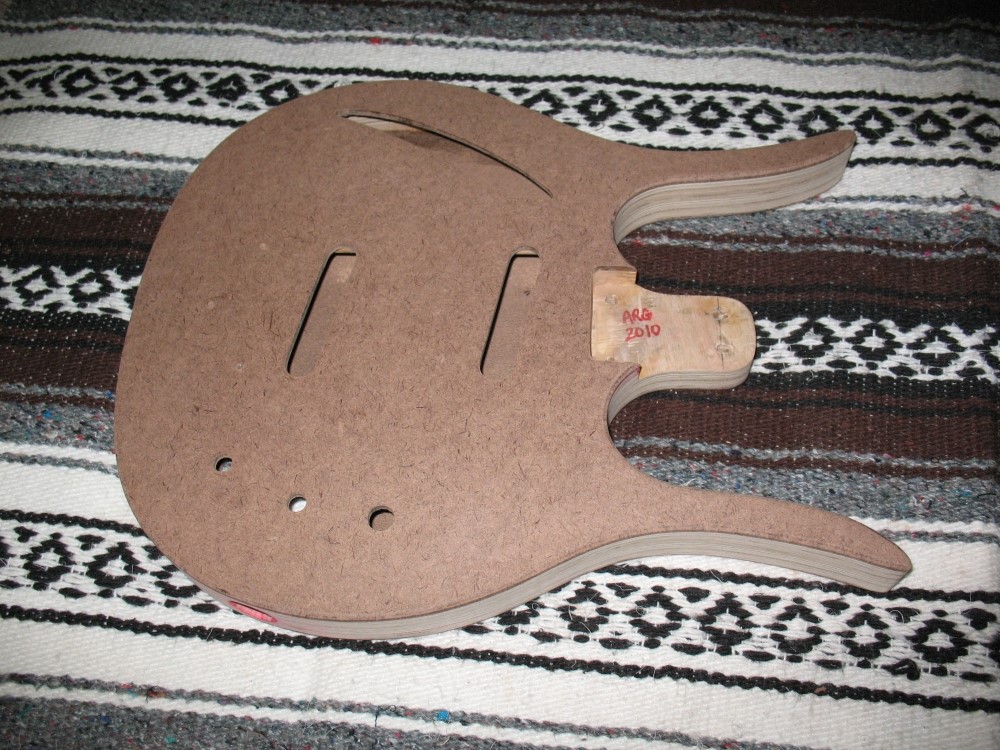
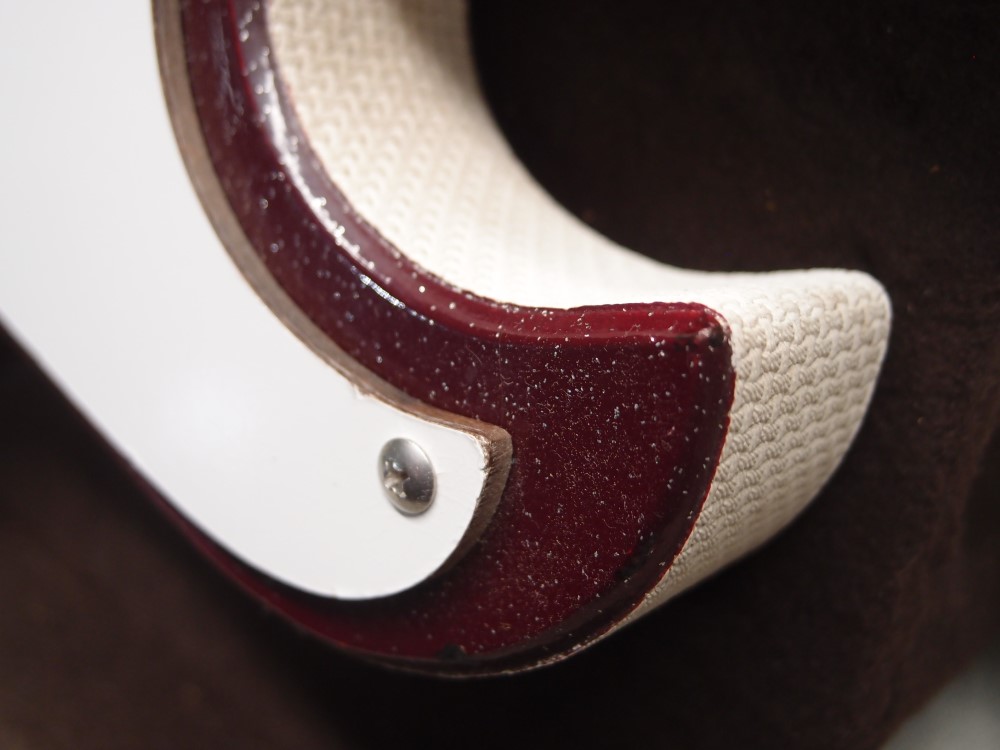
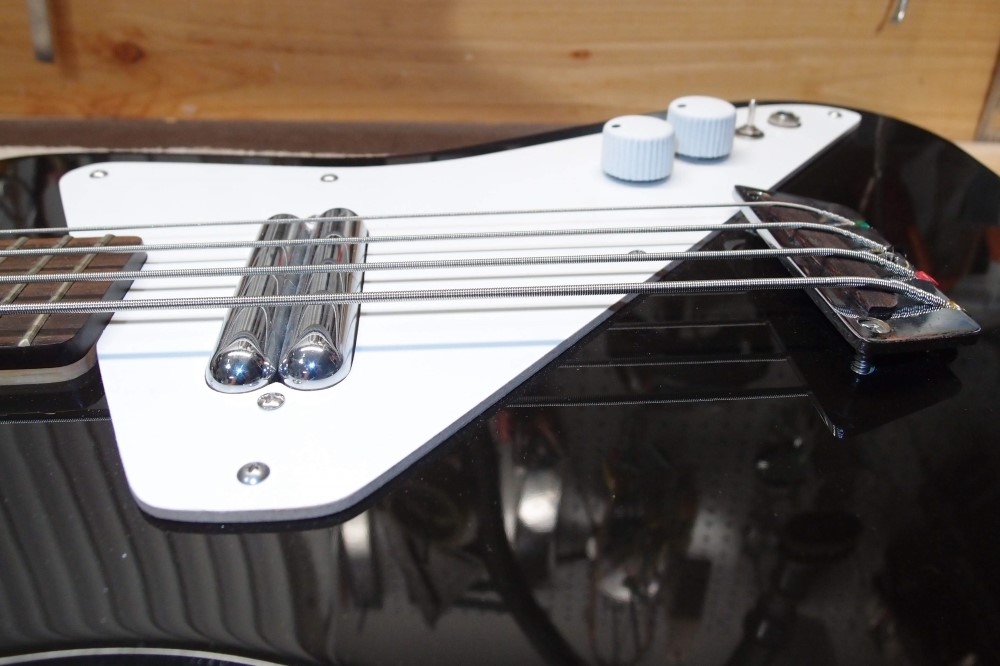
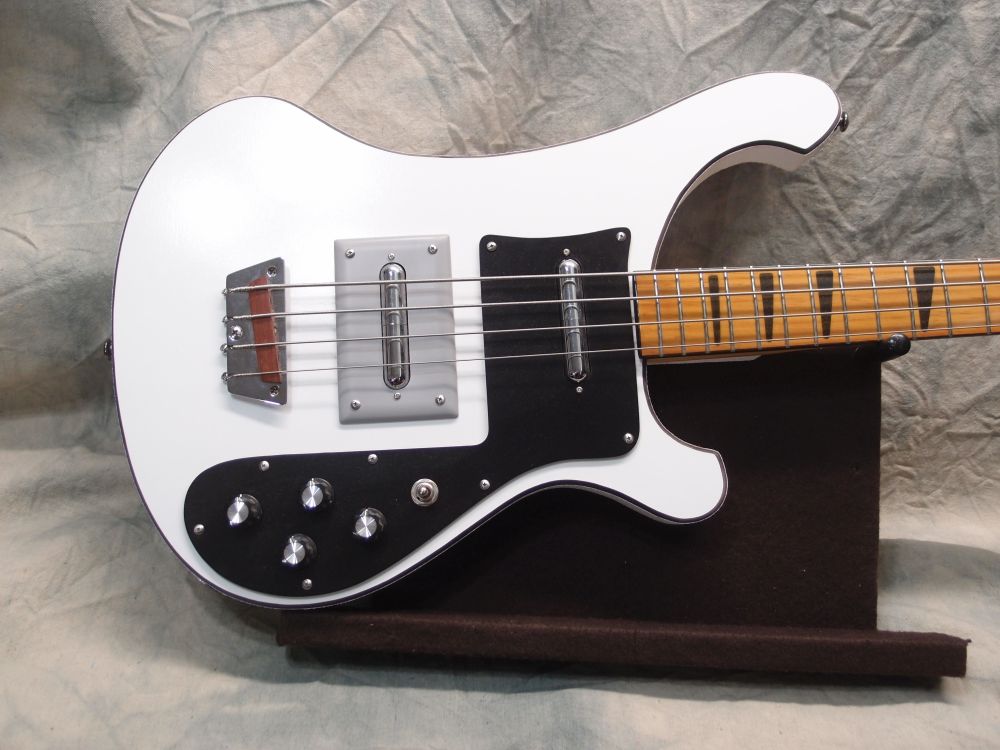
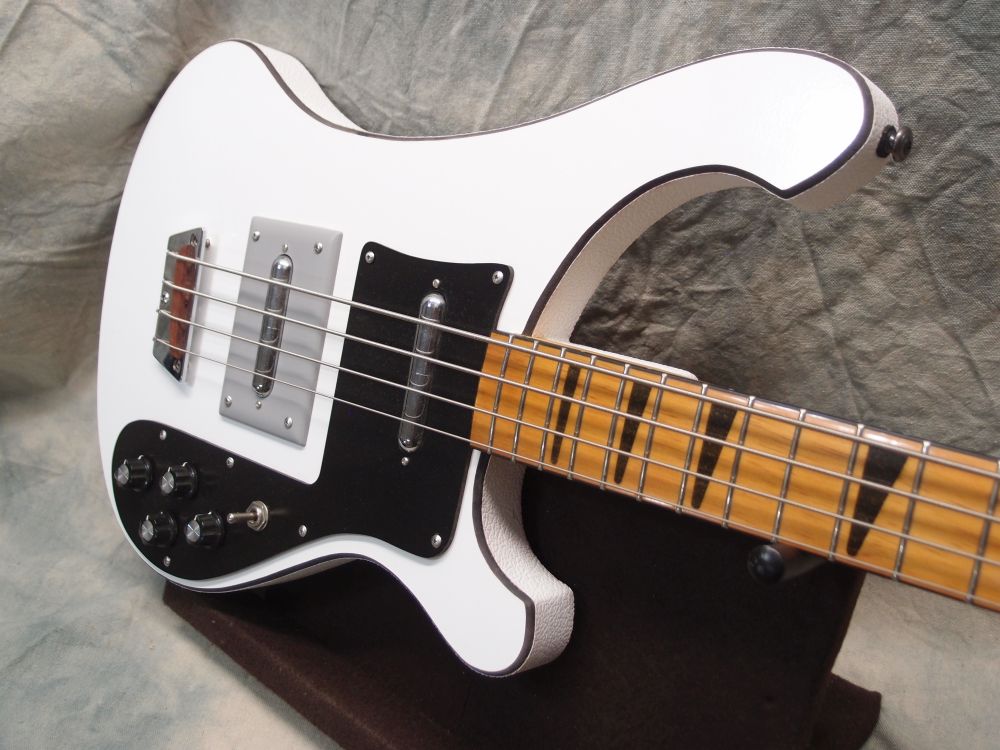
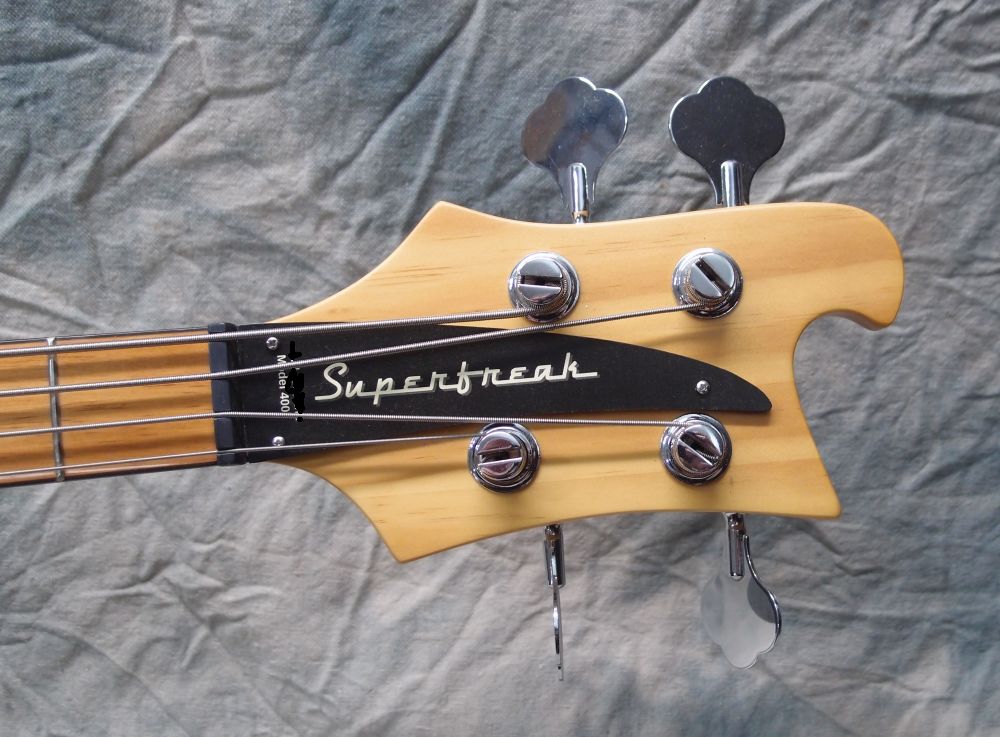
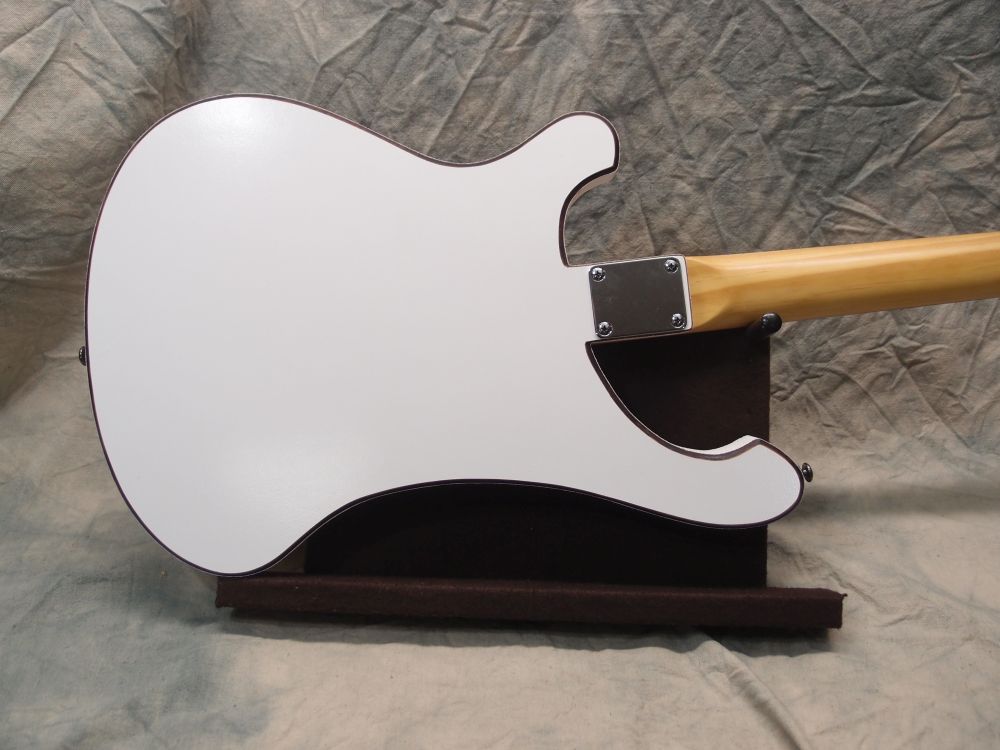
Danelectro is my favorite type of guitar, simply for the genius of their unorthodox, inexpensive, yet highly effective designs. I love the tone of old-growth masonite. If you are looking for details, the Pro-1 Bass is the most complete build documentation.

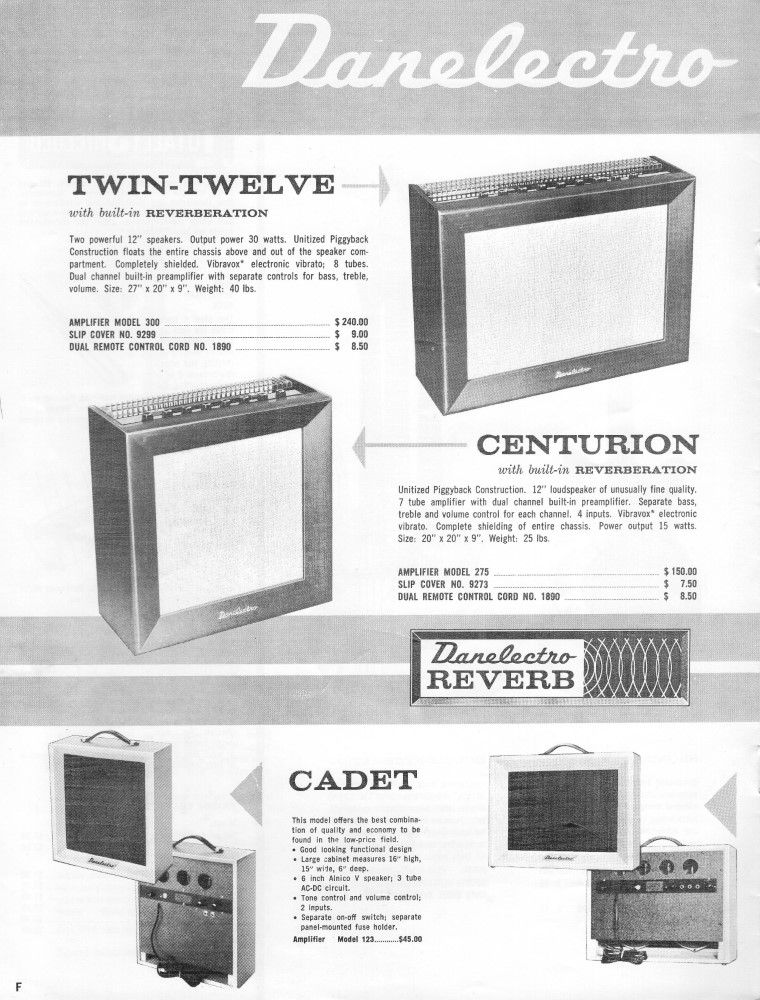
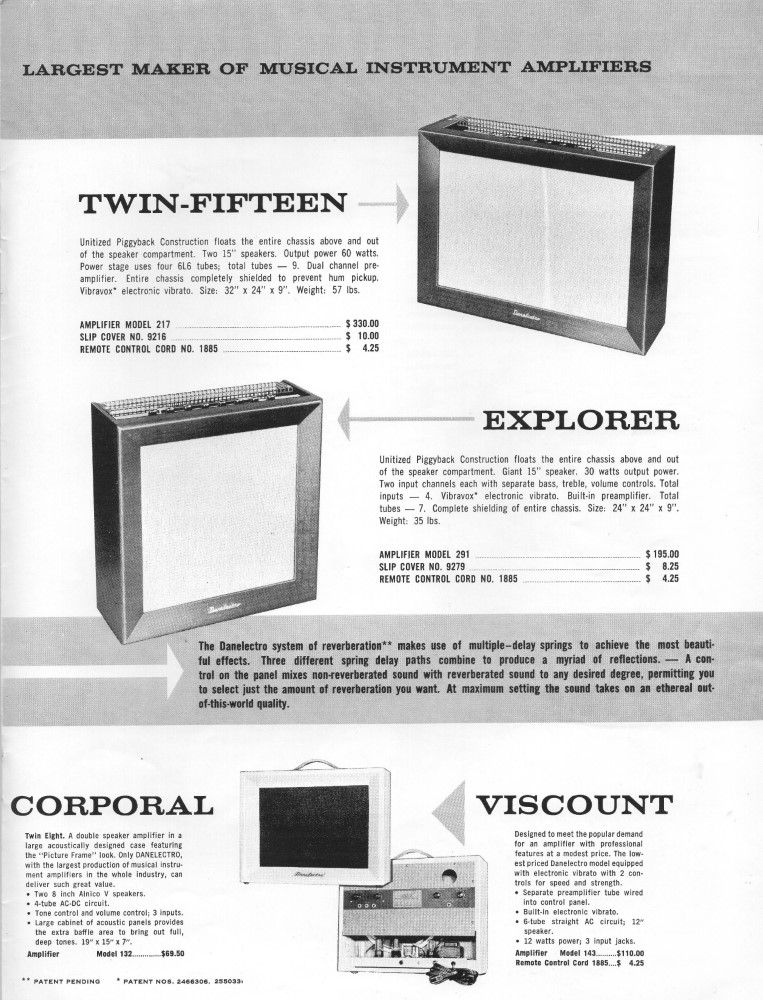
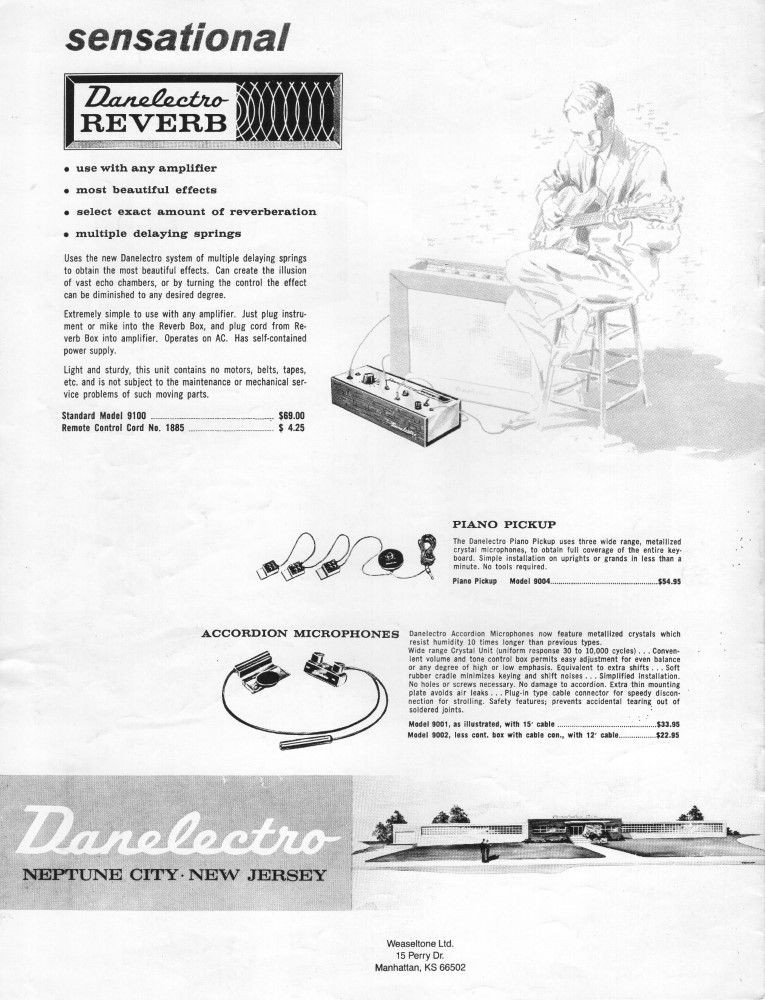
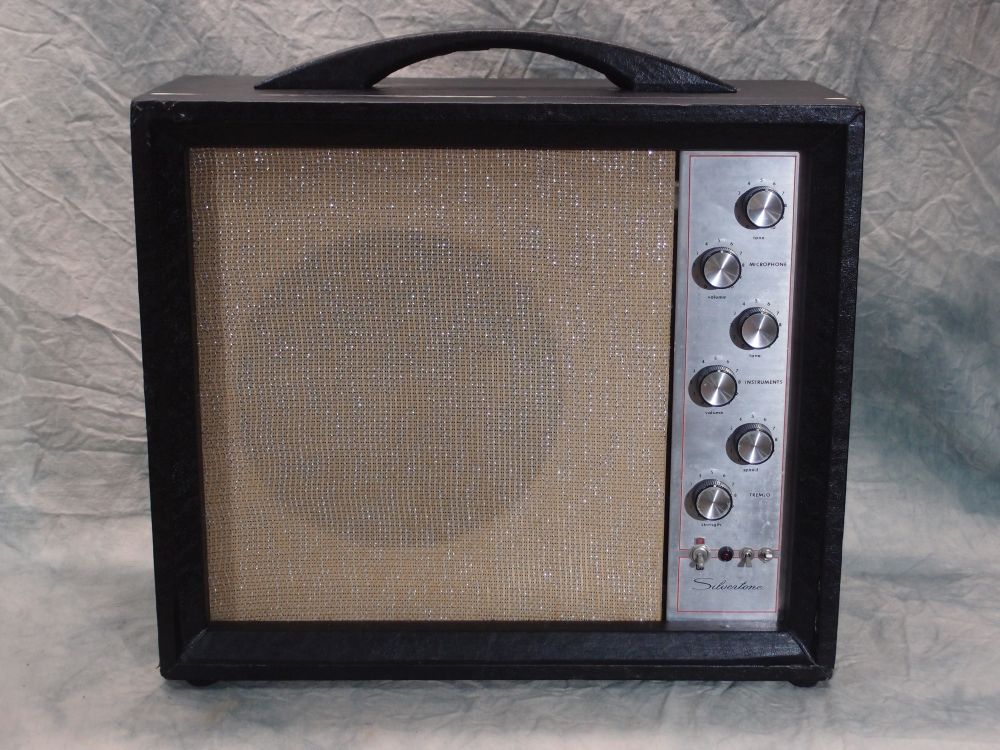
Danelectro was founded by electrical engineer Nathan "Nat" Daniel in 1947 in Red Bank, New Jersey. Throughout the late 1940s, the company produced amplifiers for Sears, Roebuck and Company and Montgomery Ward, branded Silvertone and Airline respectively. The company later moved to a larger facility in Neptune NJ.
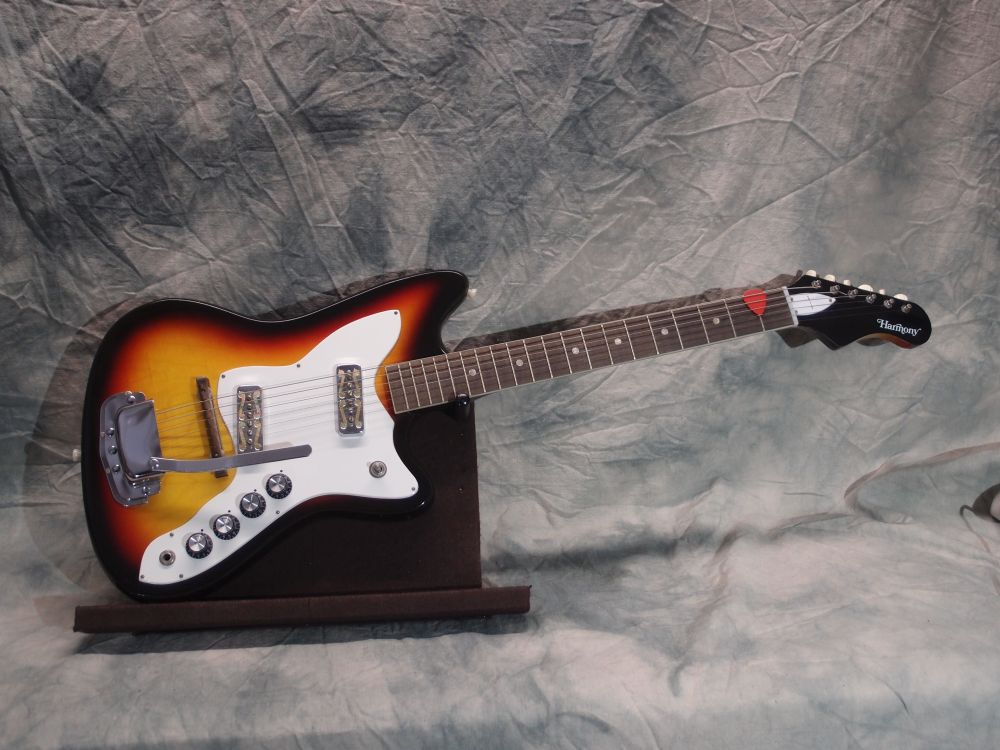
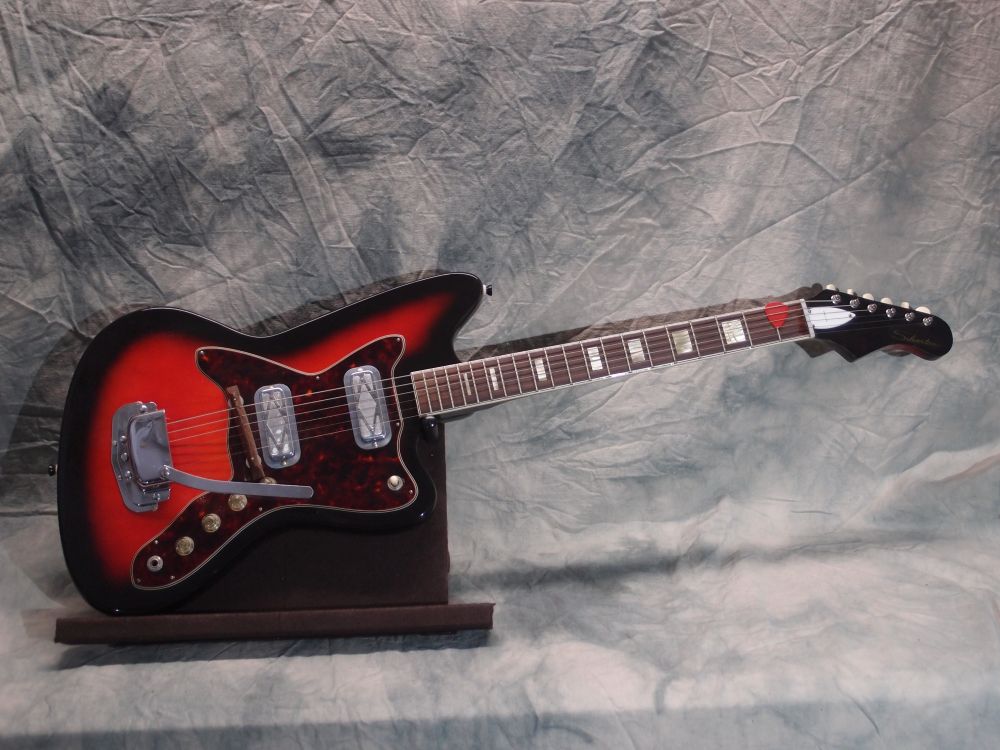
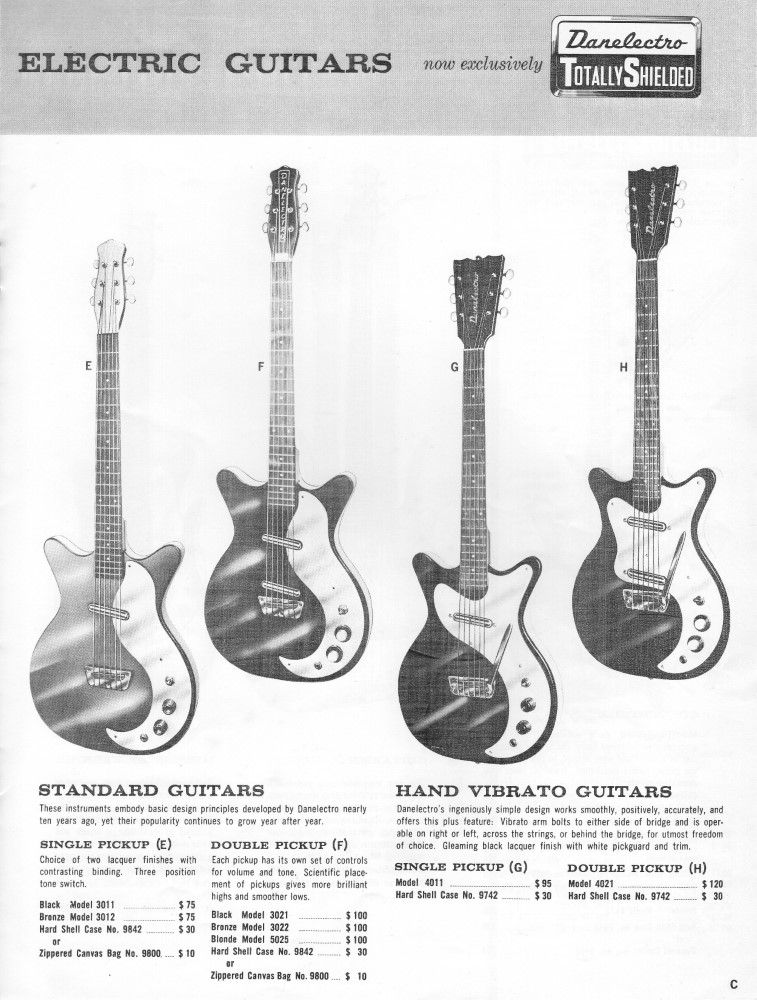
Later, Danelectro added hollow-bodied guitars, constructed of Masonite and poplar to save costs and increase production speed, intending to produce no-frills guitars of reasonably good tone at low cost. These instruments were branded either as Danelectro or for Sears as Silvertone, distinguished by the Silvertone maroon vinyl covering, and the Danelectro light-colored tweed covering. The guitars used concentric stacked tone/volume knobs on the two-pickup models of both series and "lipstick-tube" pickups, which contained the pickup components inside metal tubes.

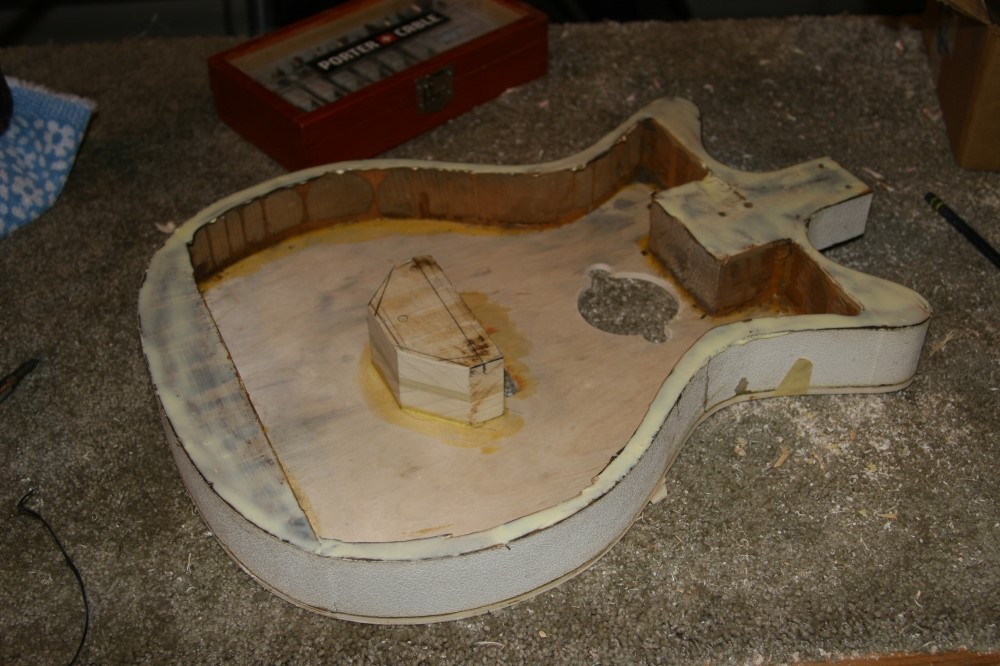
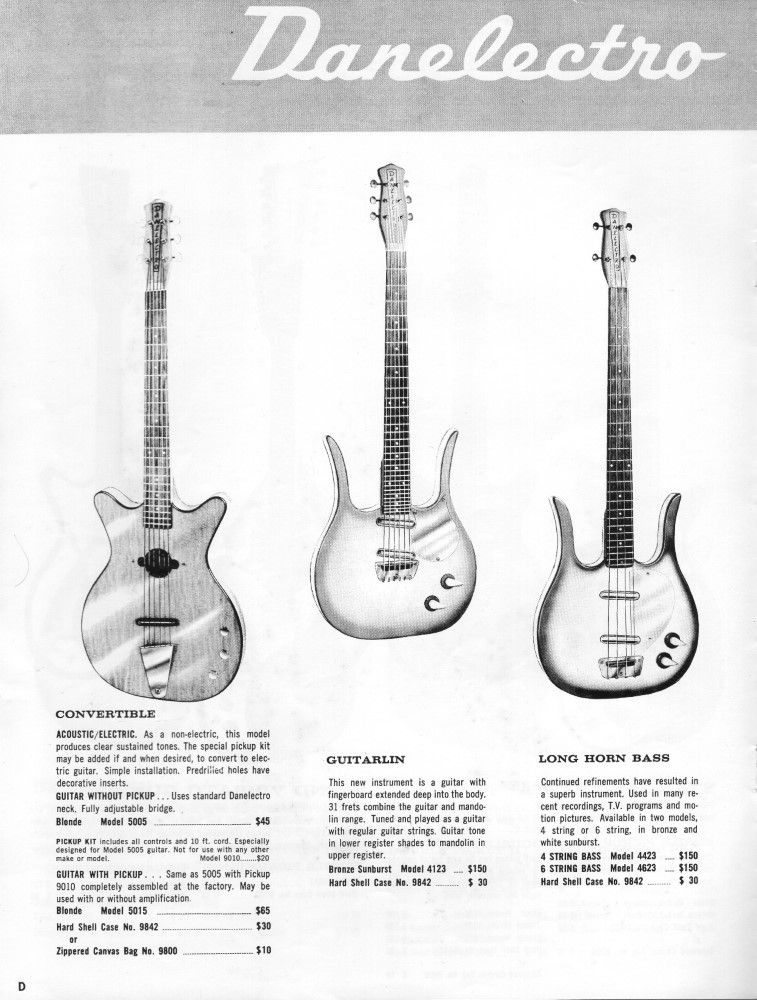
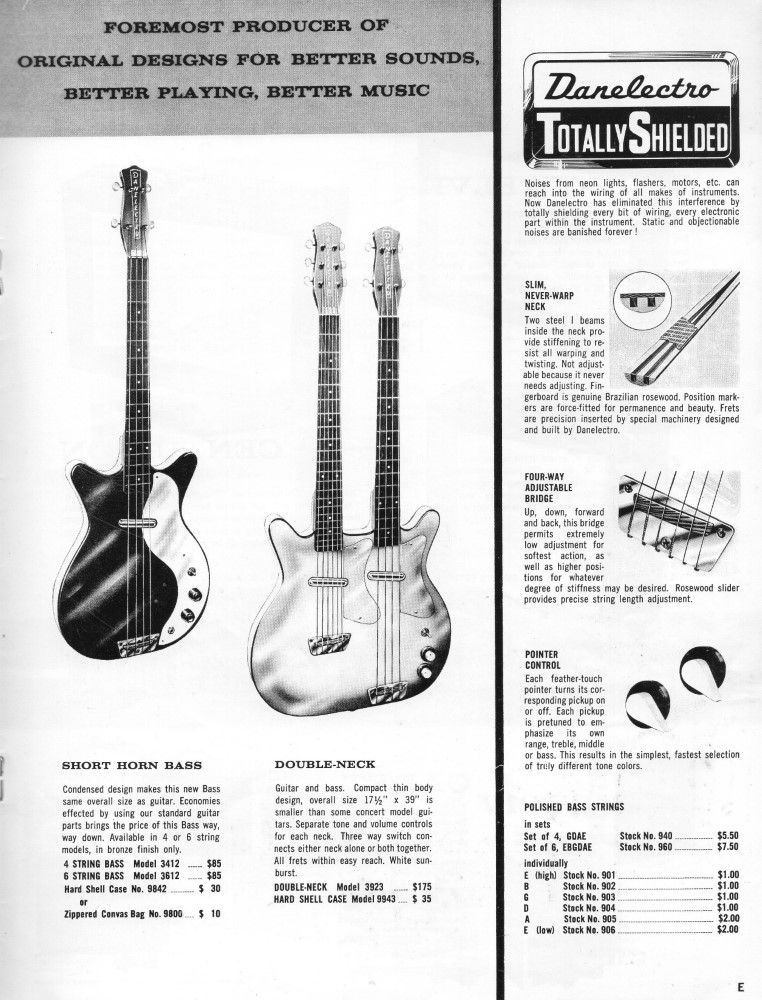
In 1956, Danelectro introduced the six-string bass guitar. Though the model never became popular, it found an enduring niche in Nashville for "tic-tac" bass lines.
In 1966, Danelectro was sold to the "Music Corporation of America" (MCA). A year later, in 1967, they introduced the Coral line, known for its hollow-bodies and electric sitars. In 1969, Danelectro closed down, burdened by MCA's attempt to market Danelectros to small guitar shops rather than large department stores.
In the late 1990s, the Evets Corporation started selling instruments and accessories under the Danelectro name.

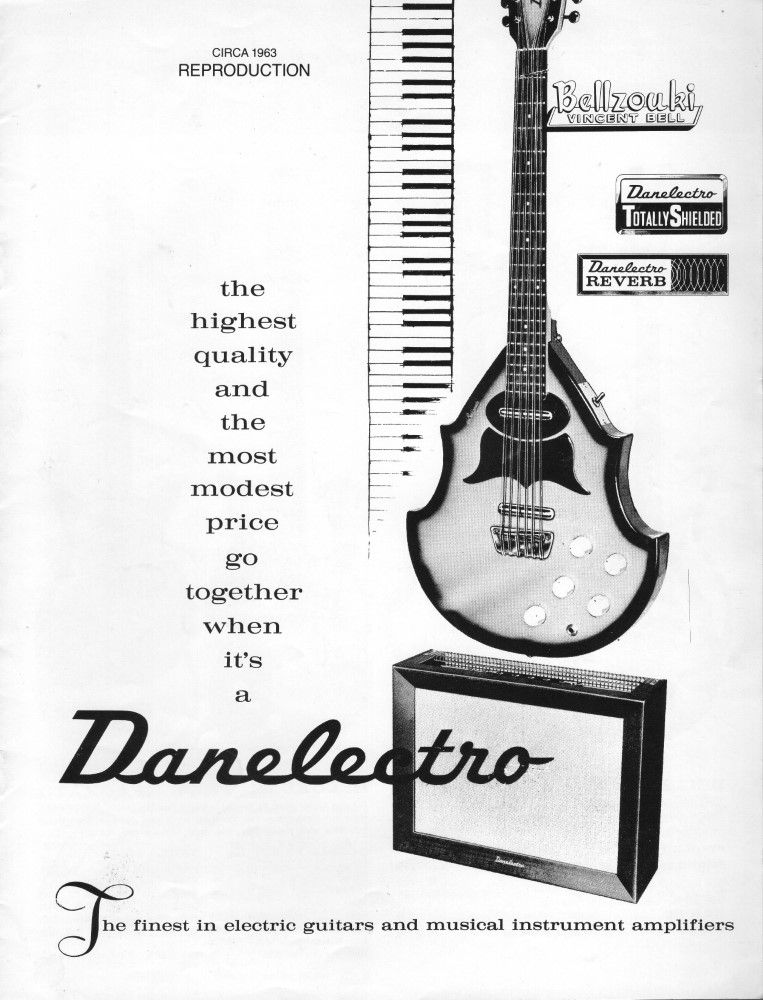
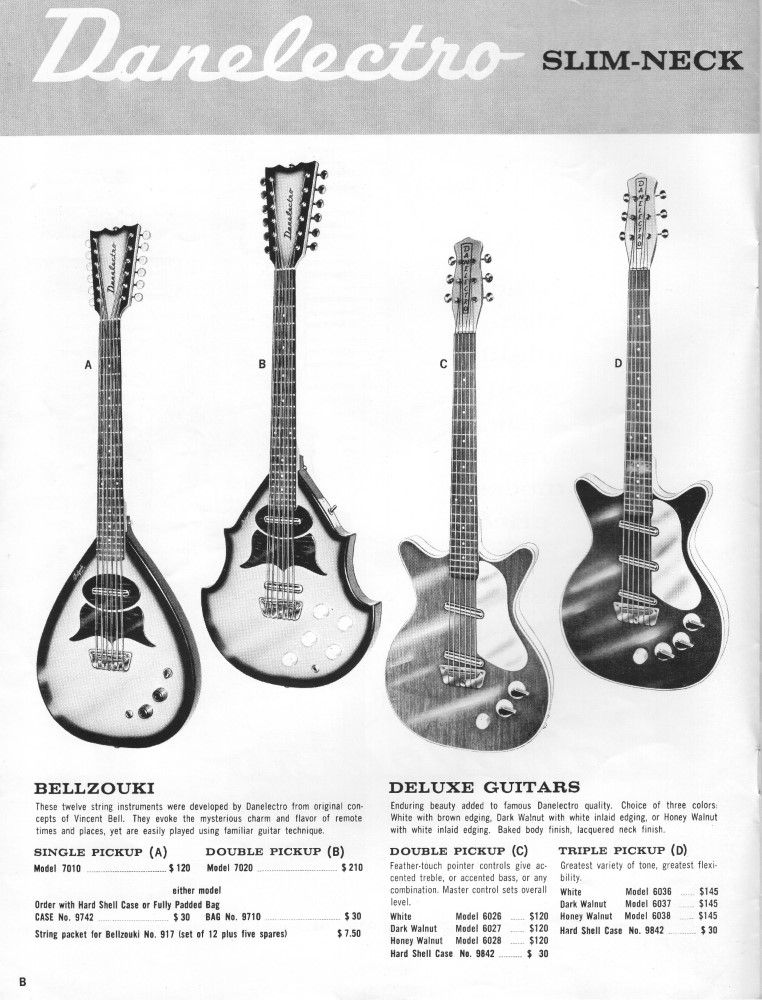
New York session guitarist Vincent Bell was the unsung hero of Danelectro. Bell was the man behind most of Danelectro's iconic guitar designs.
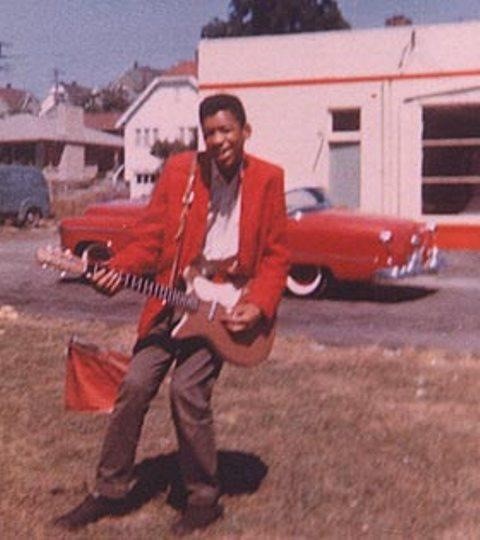
A lot of great players used Danelectros.

The Danelectro factory still stands in Neptune NJ, although the building appears to be disused. I believe it belongs to TFH, publishers of pet books.