Rickenbacker Projects


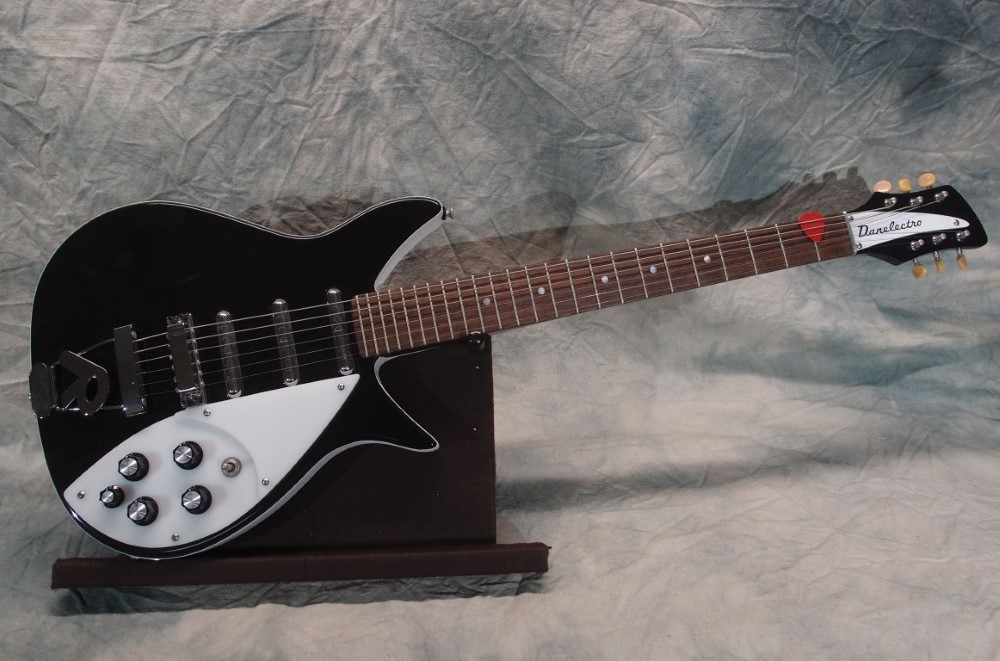
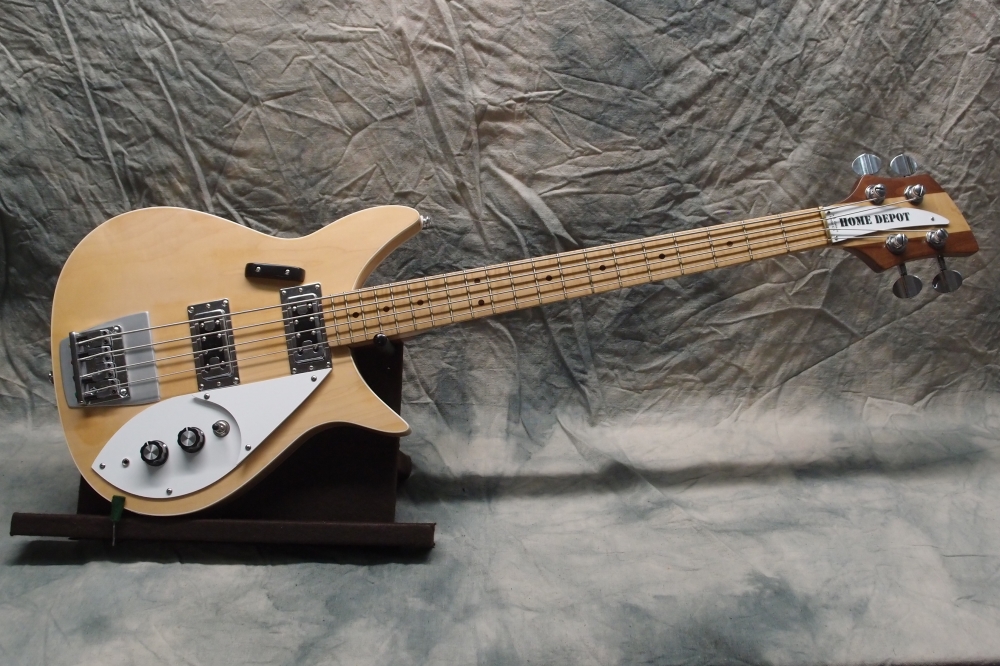
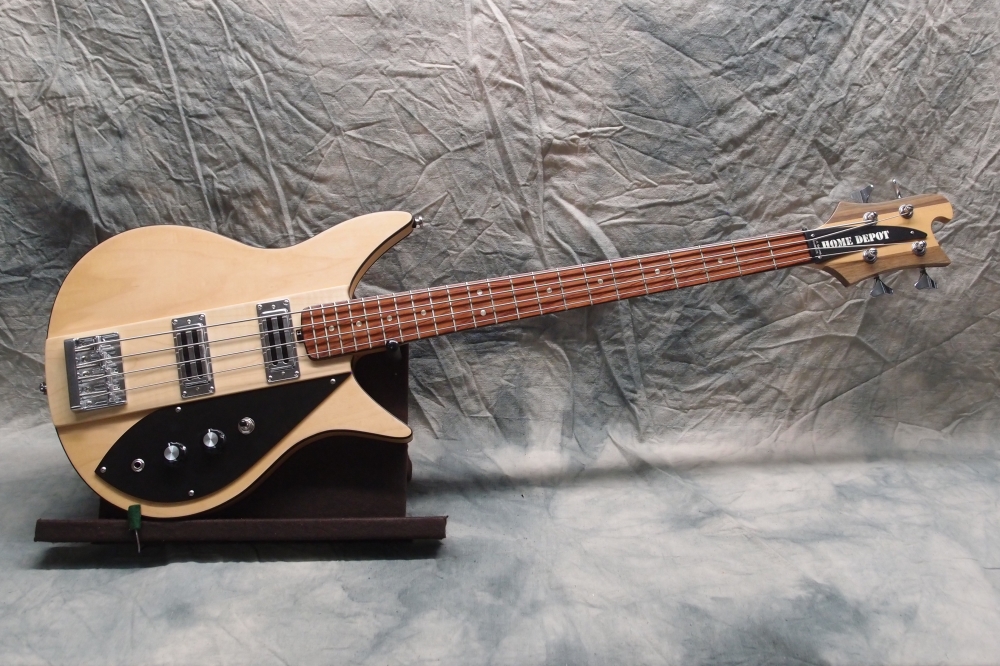
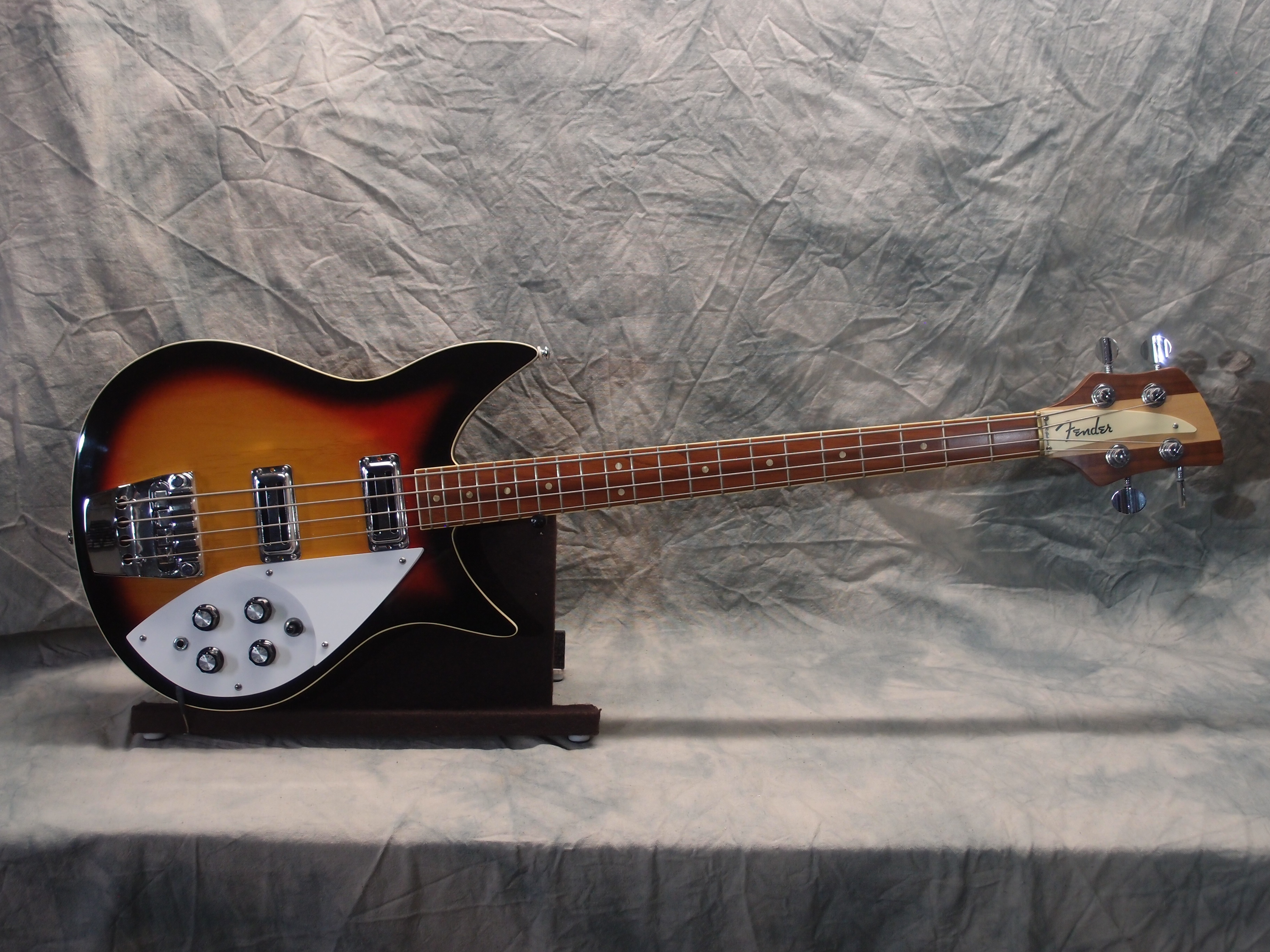
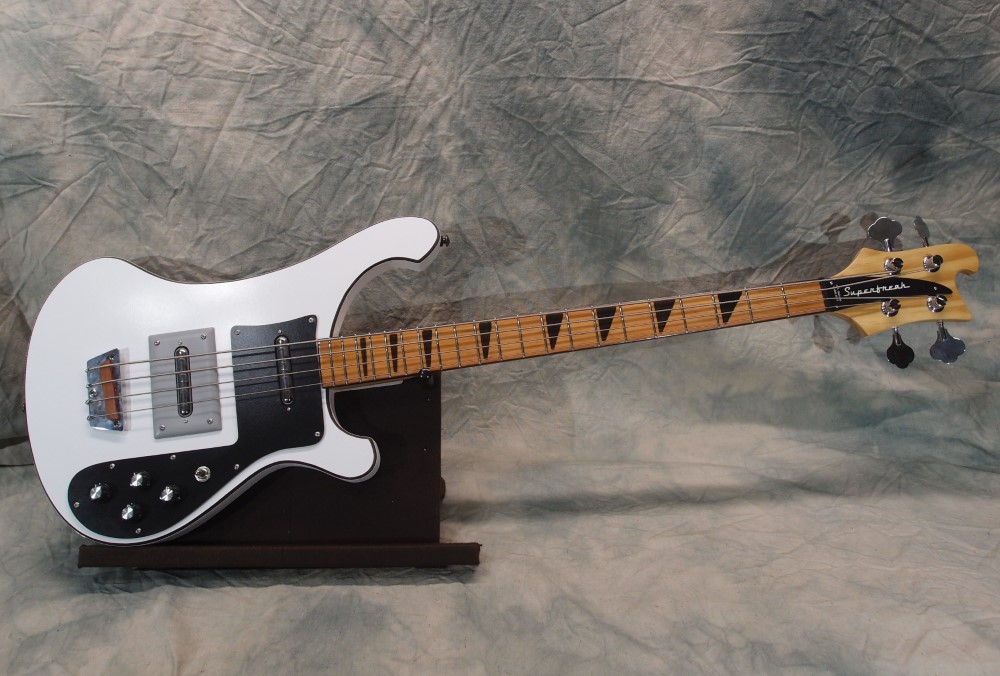

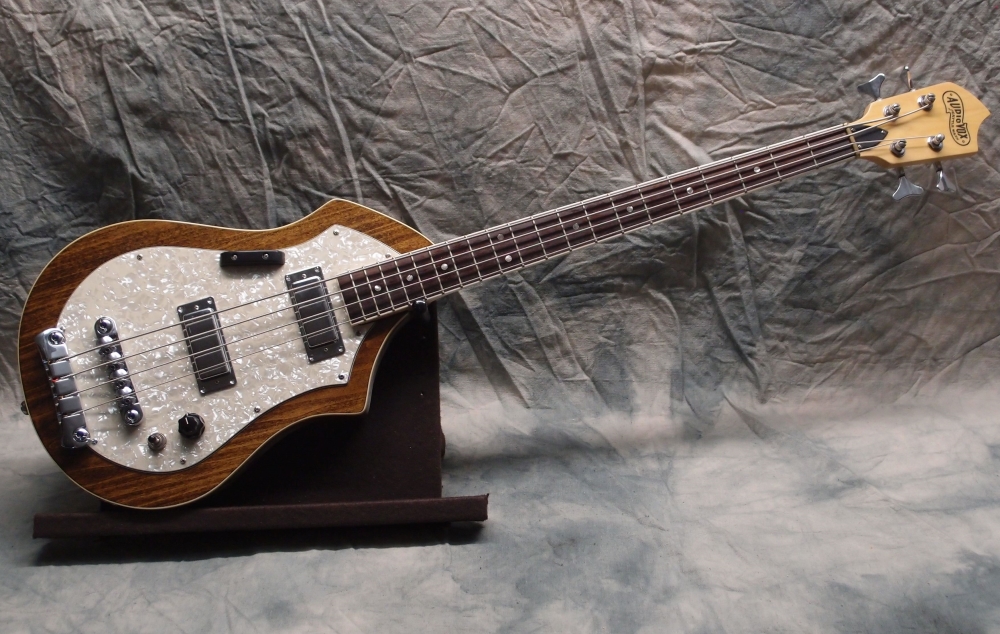
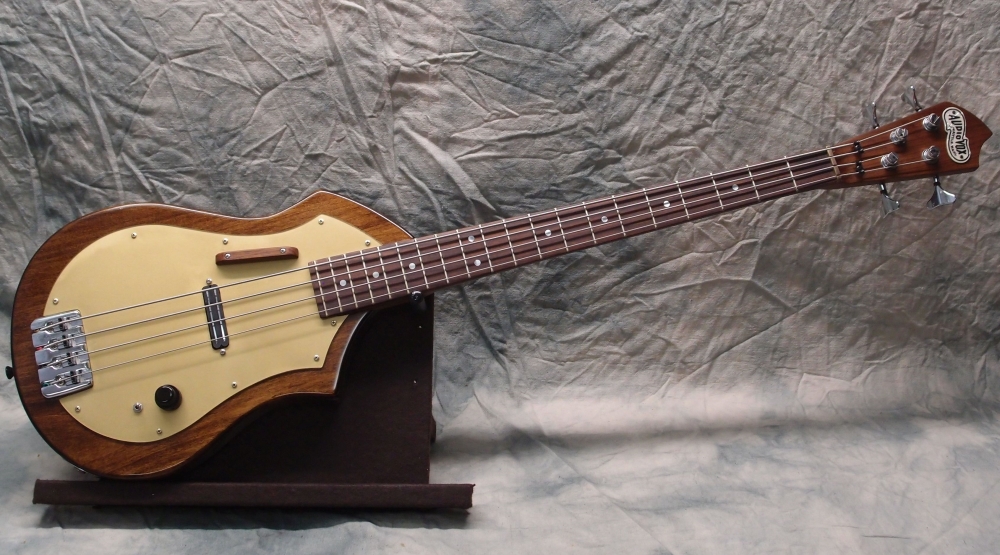
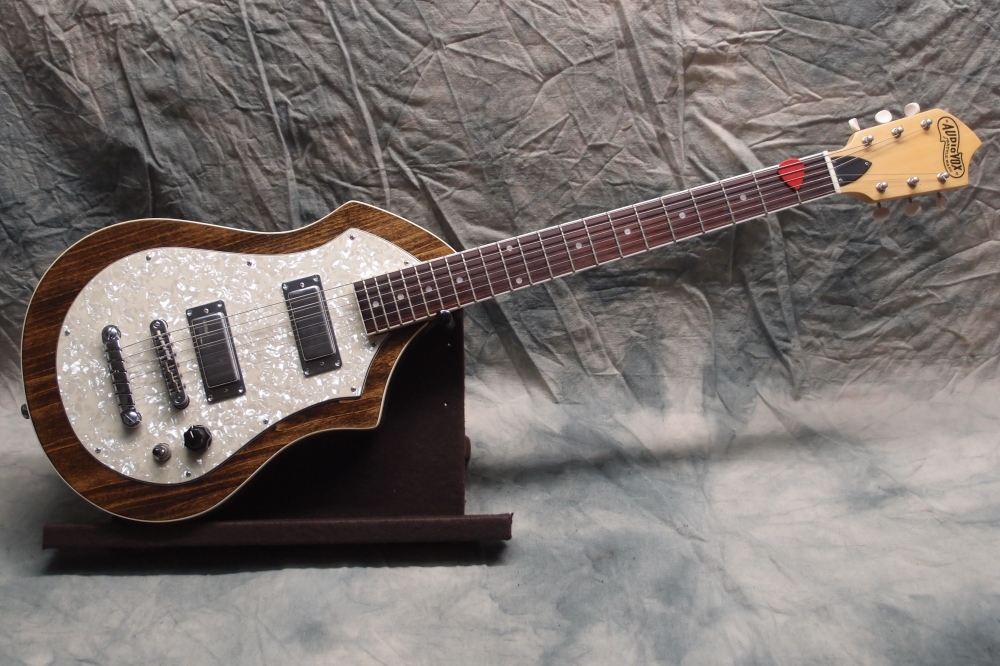
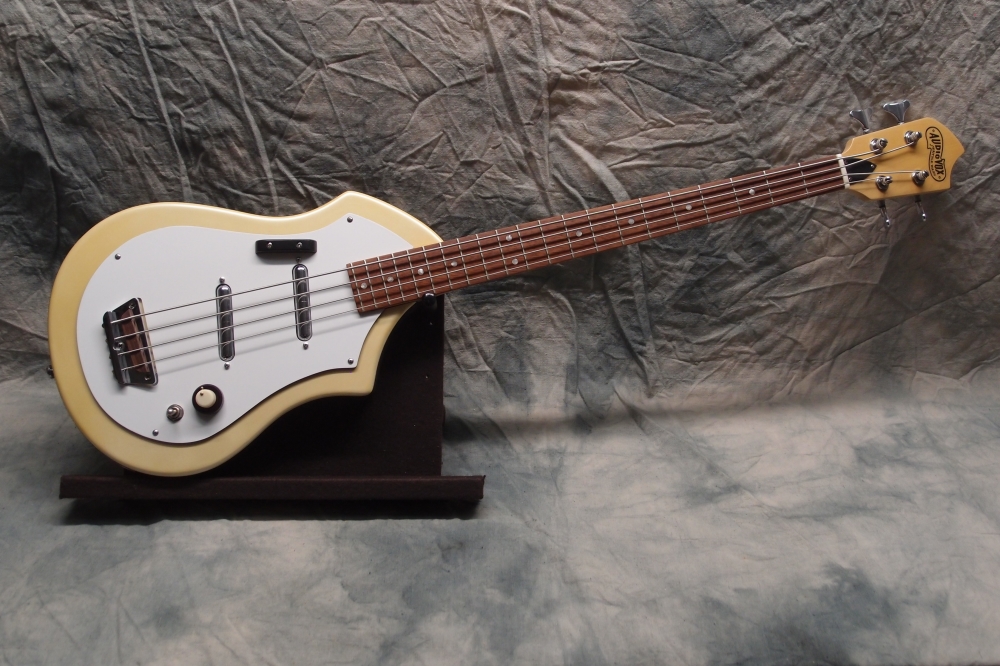
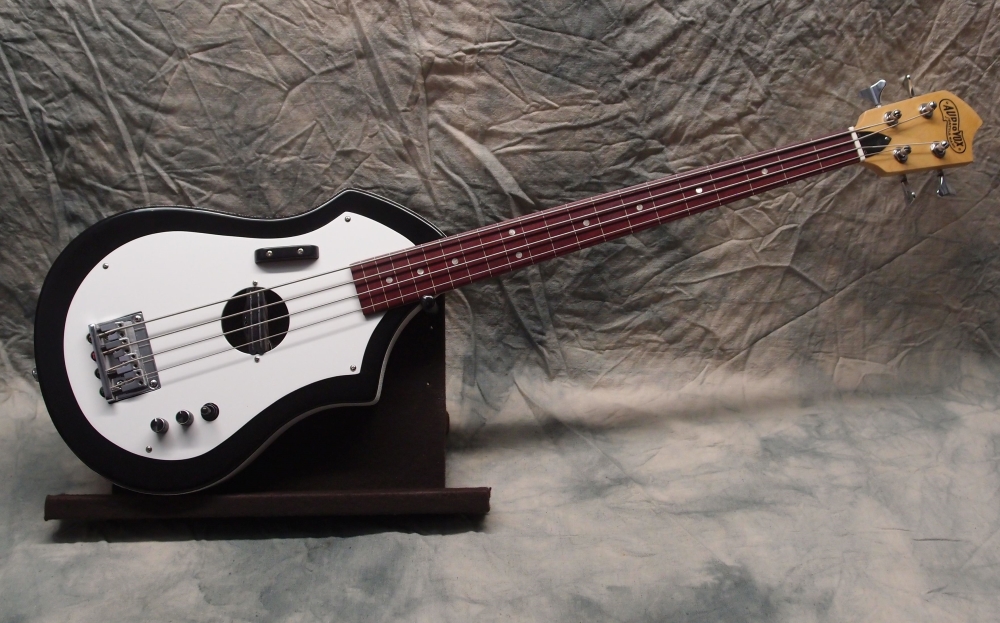
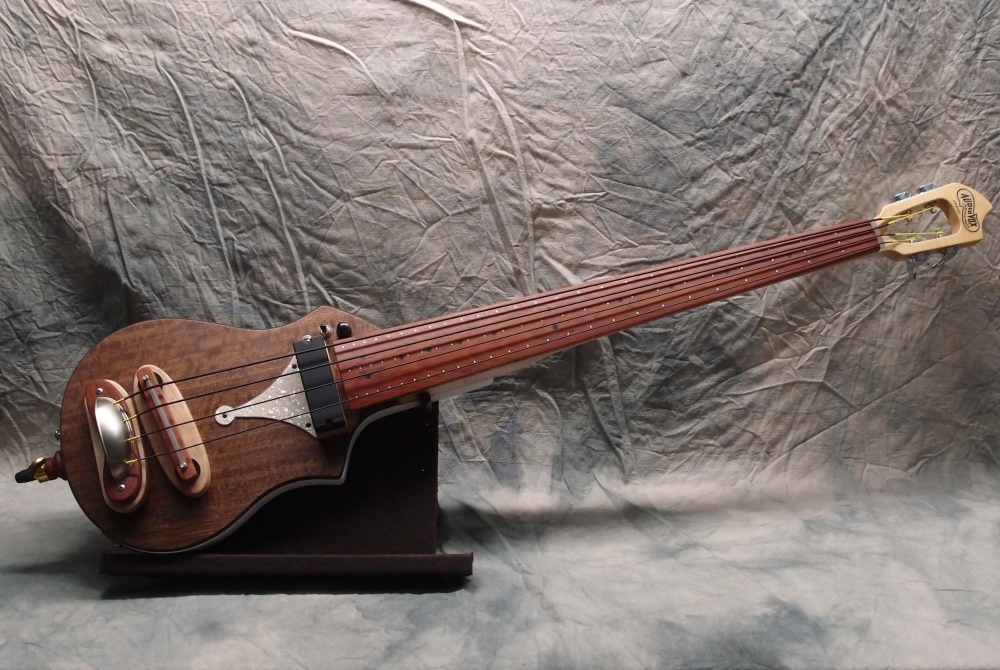
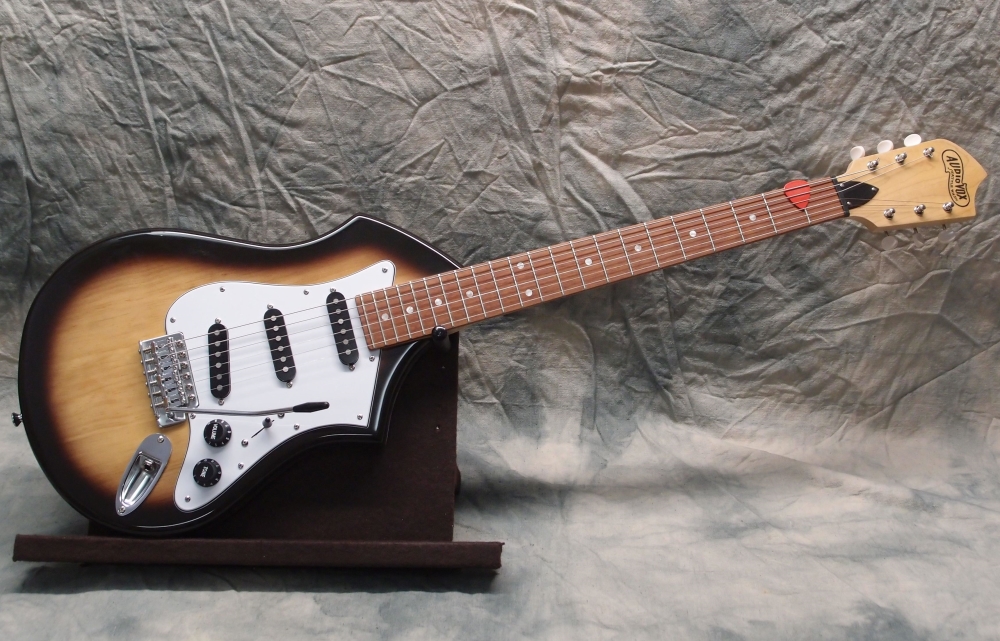
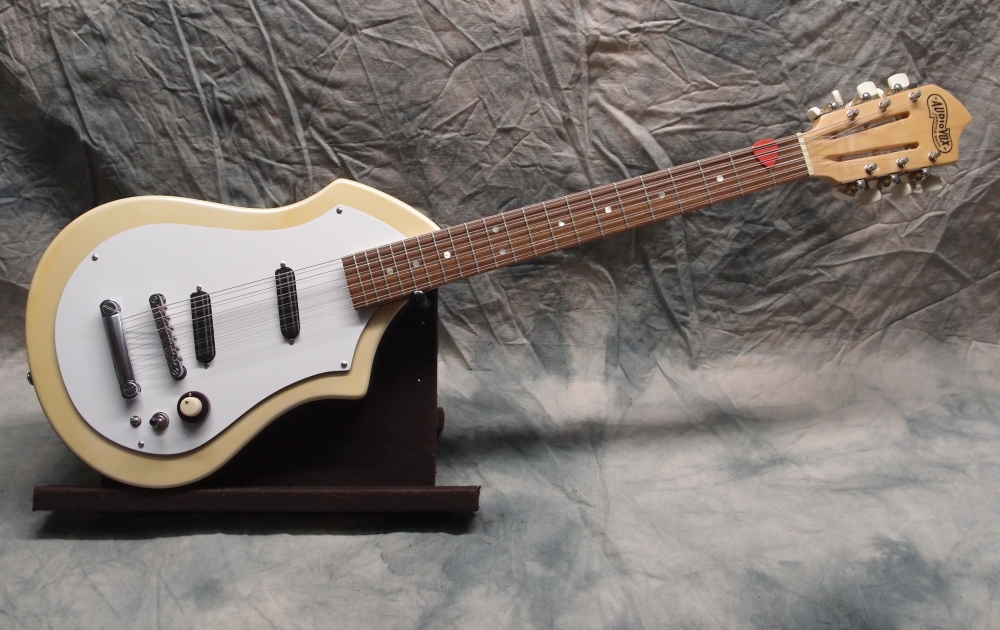
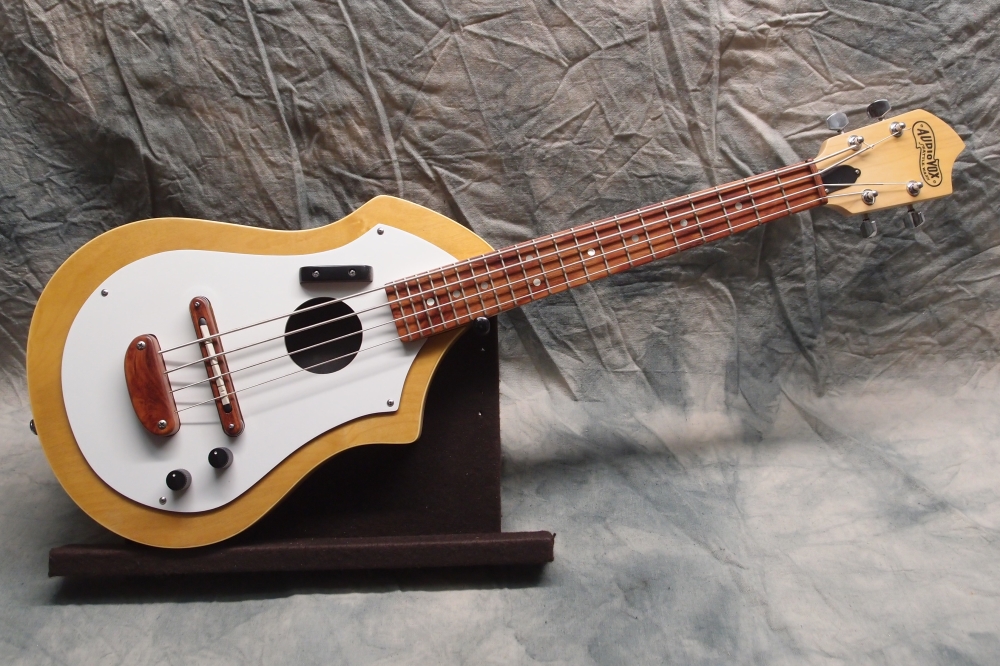
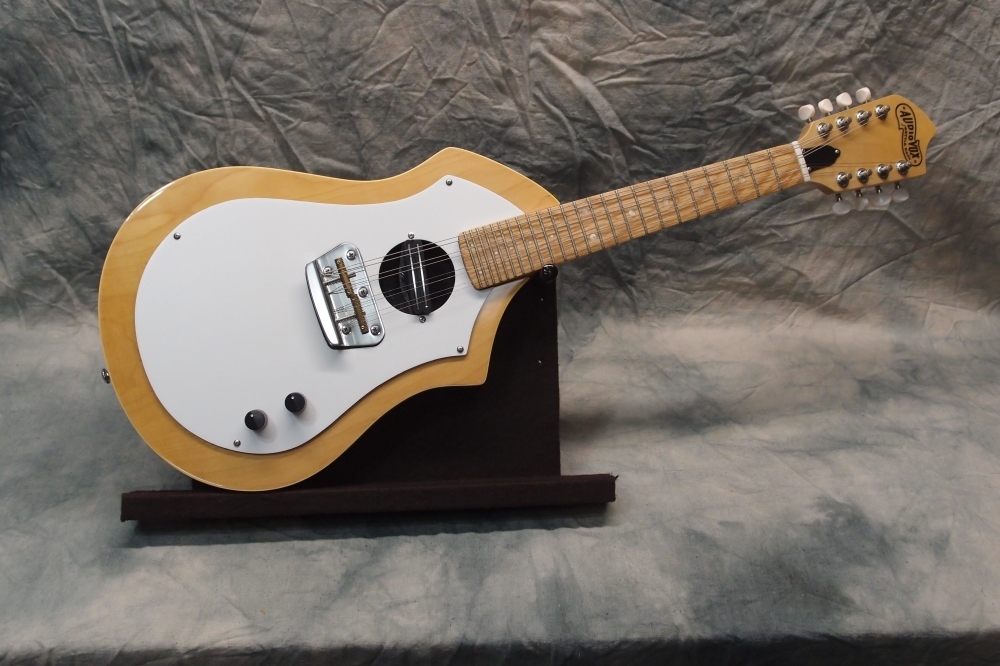
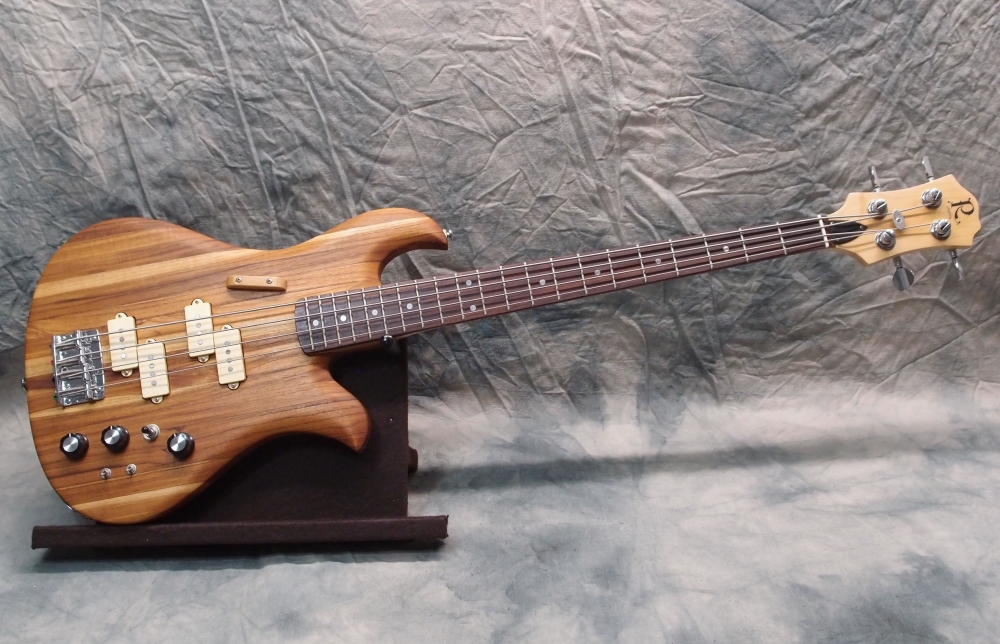
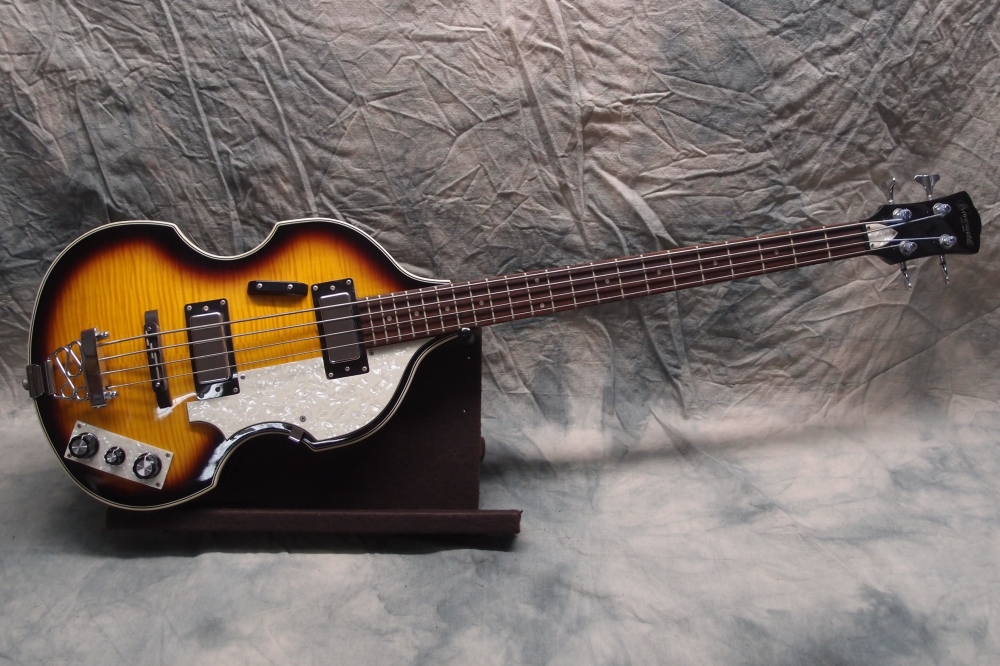
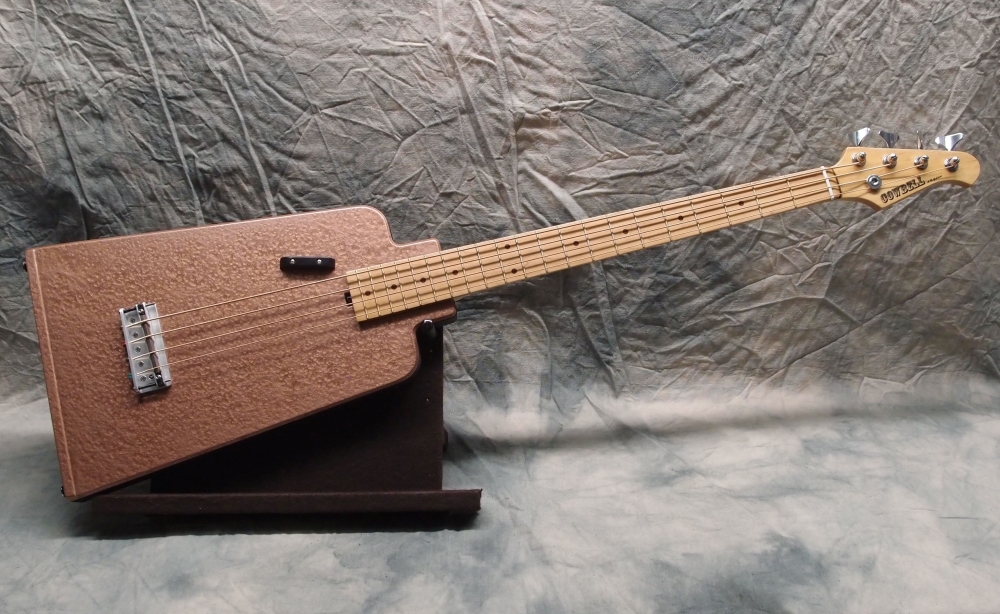
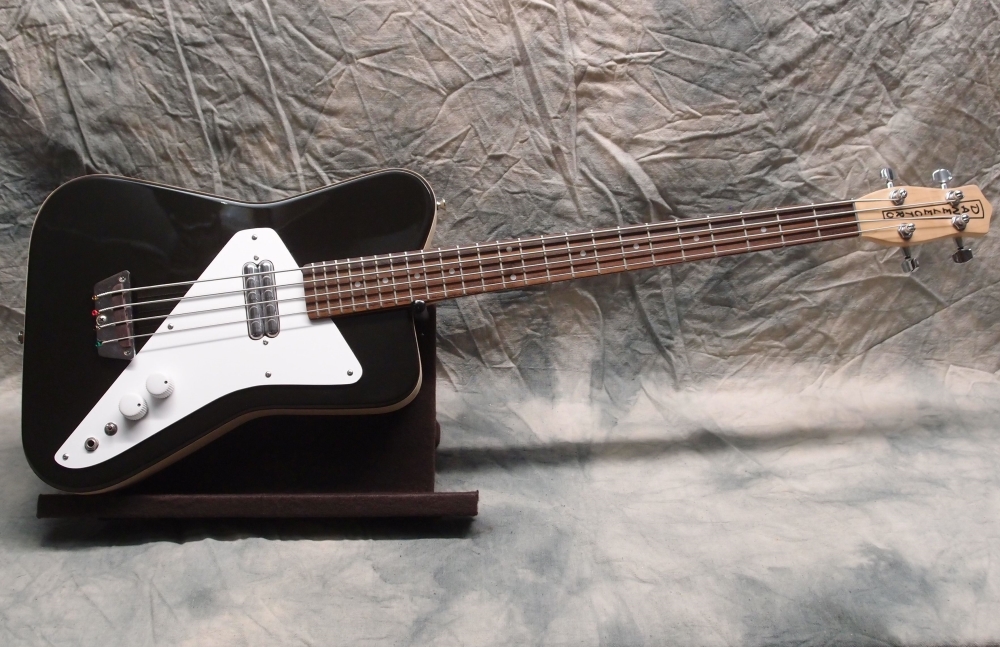
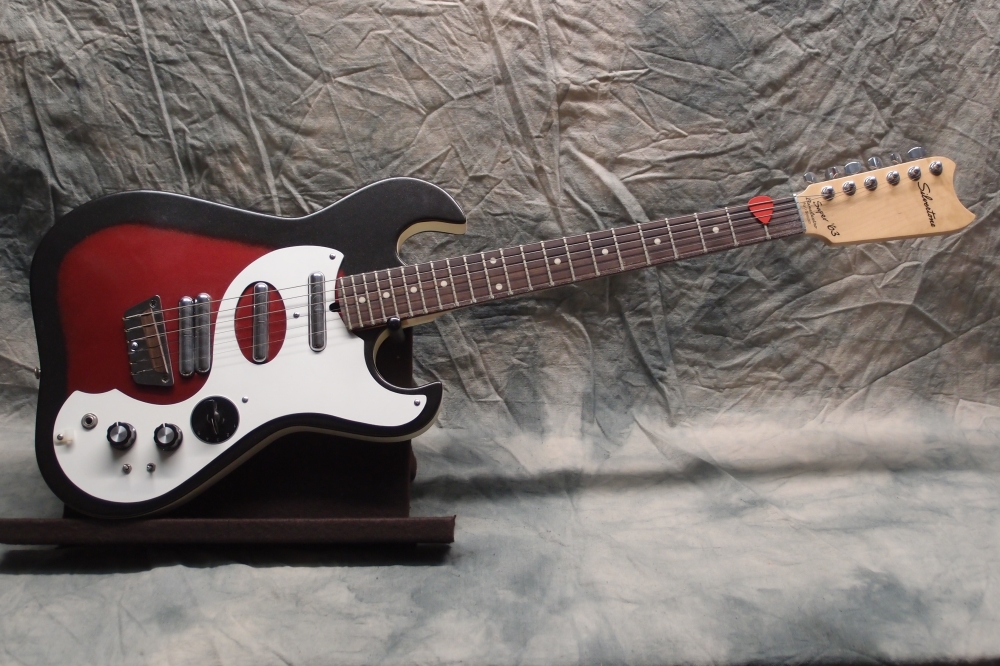
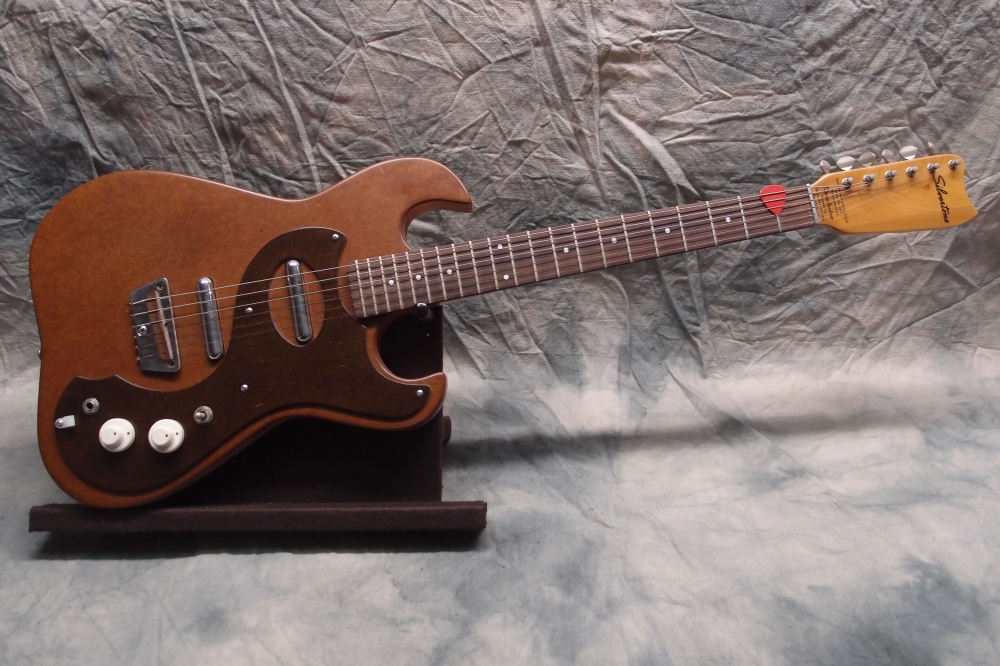
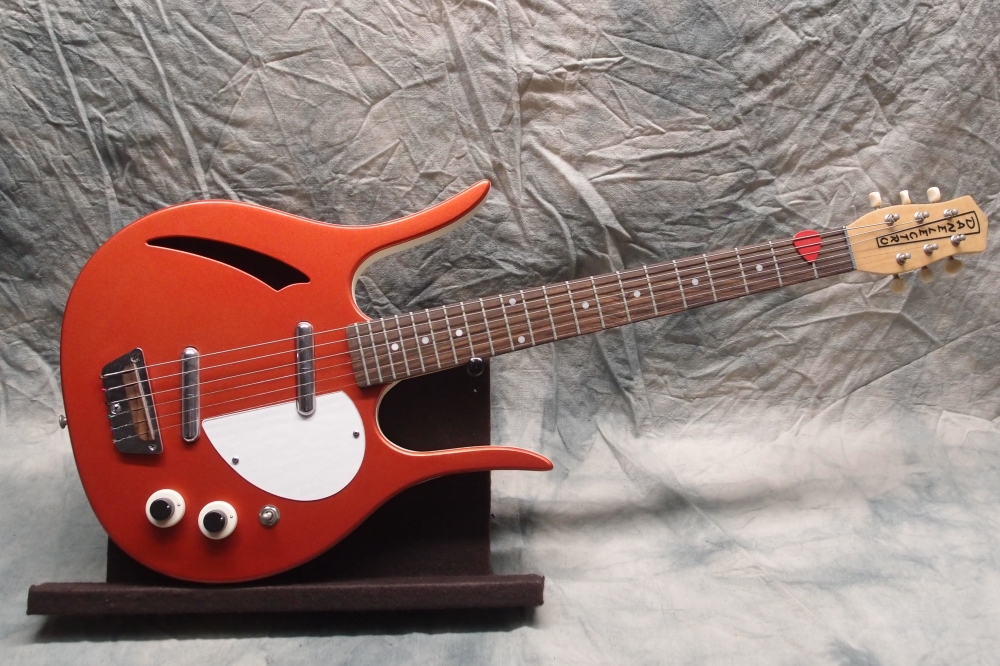
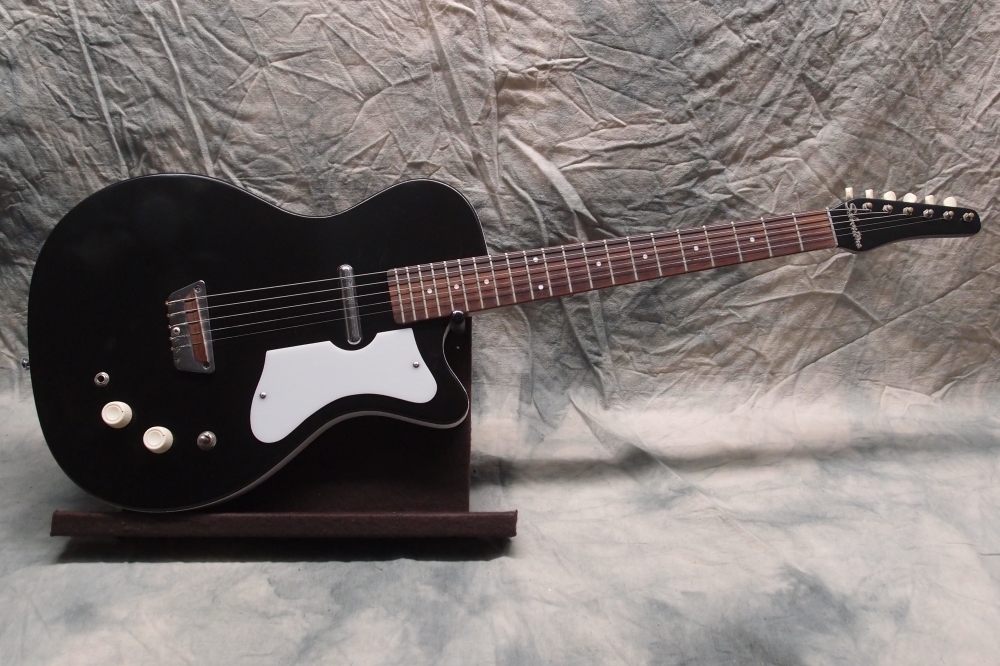
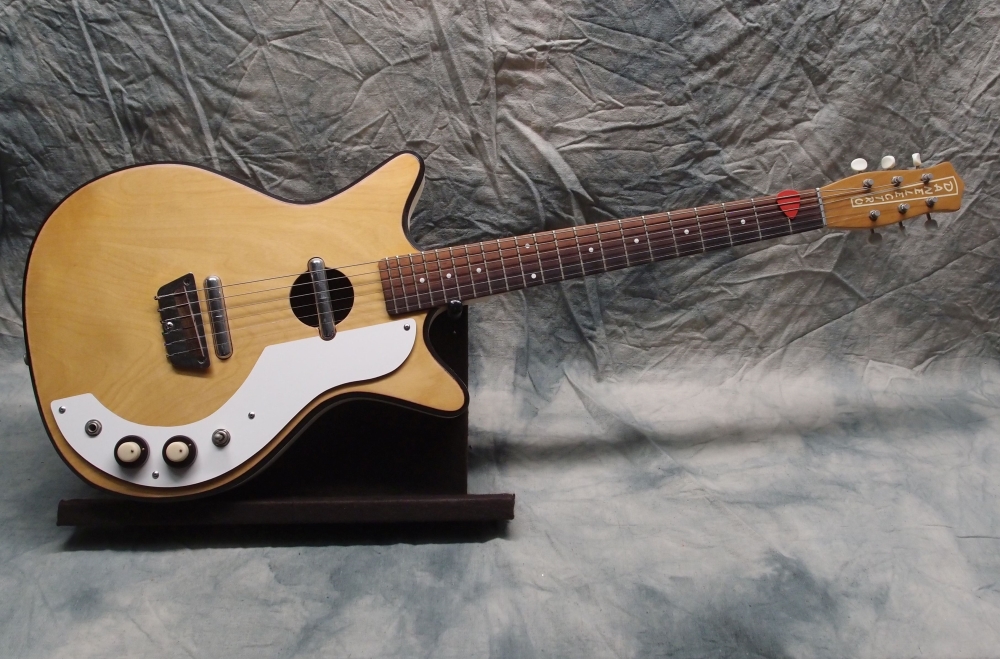
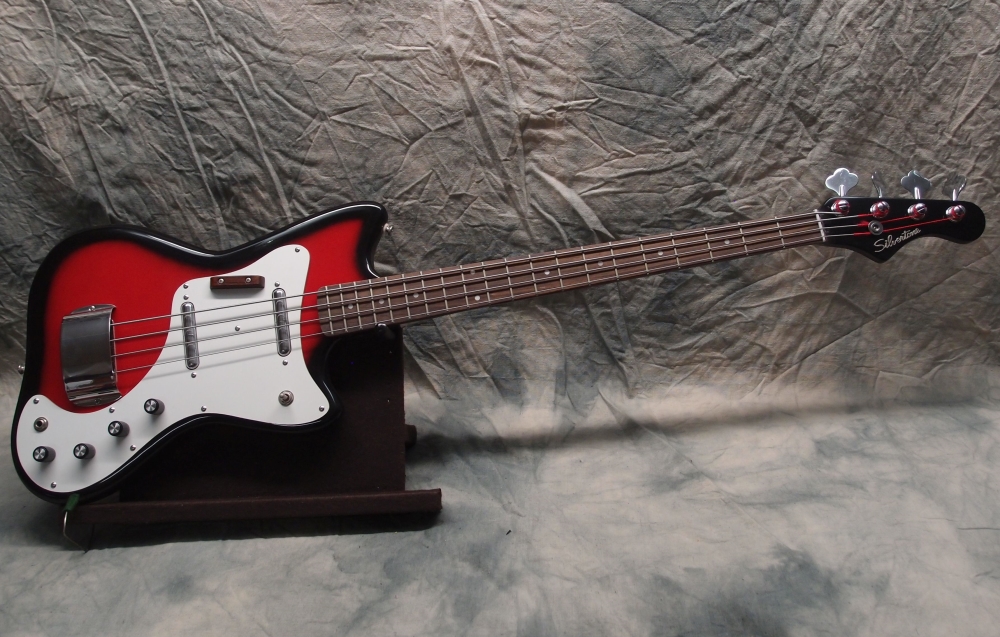
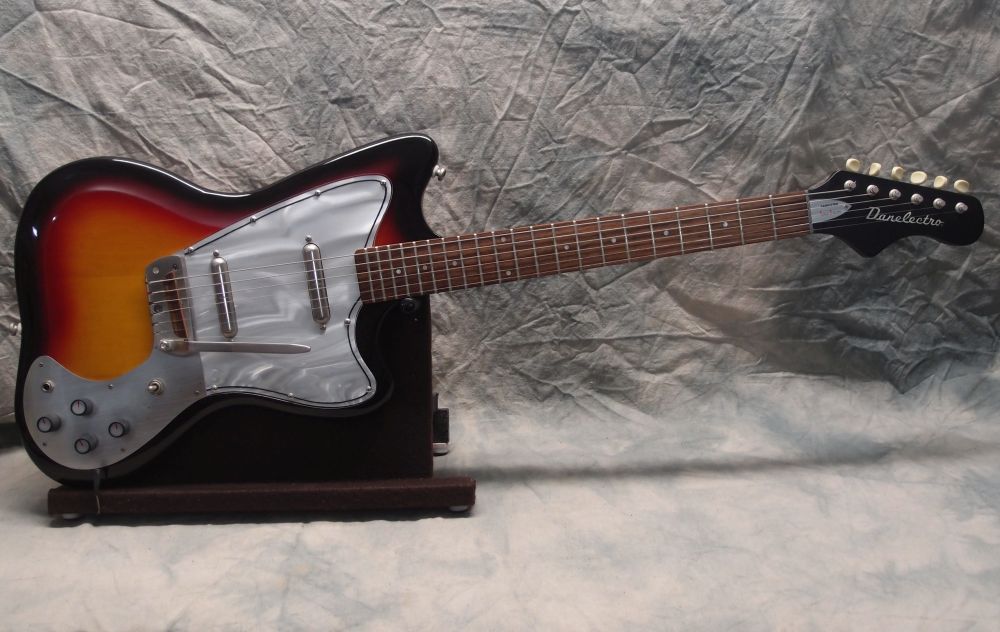
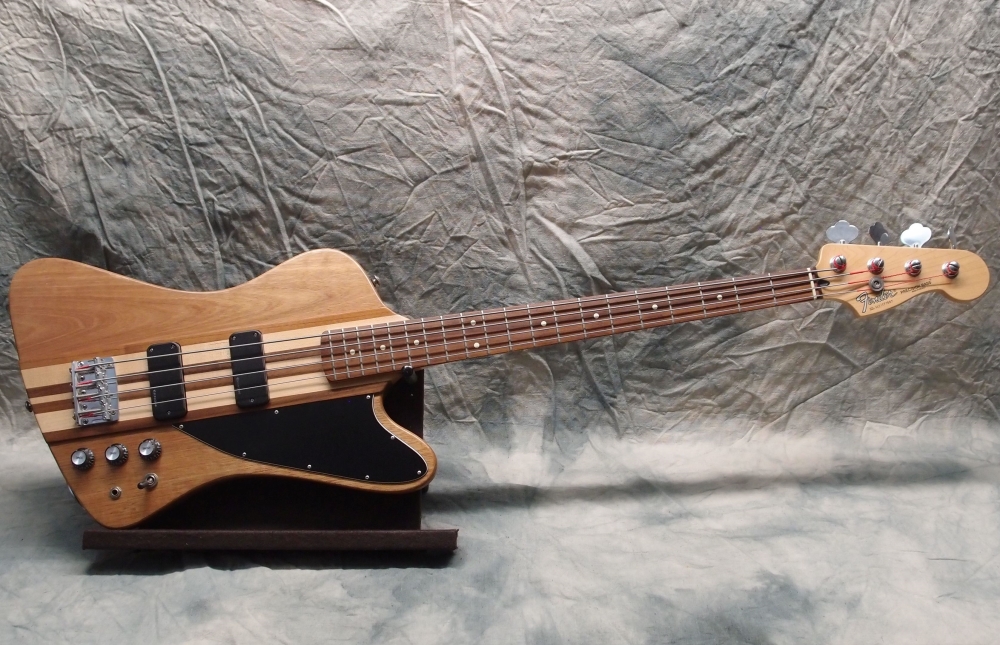
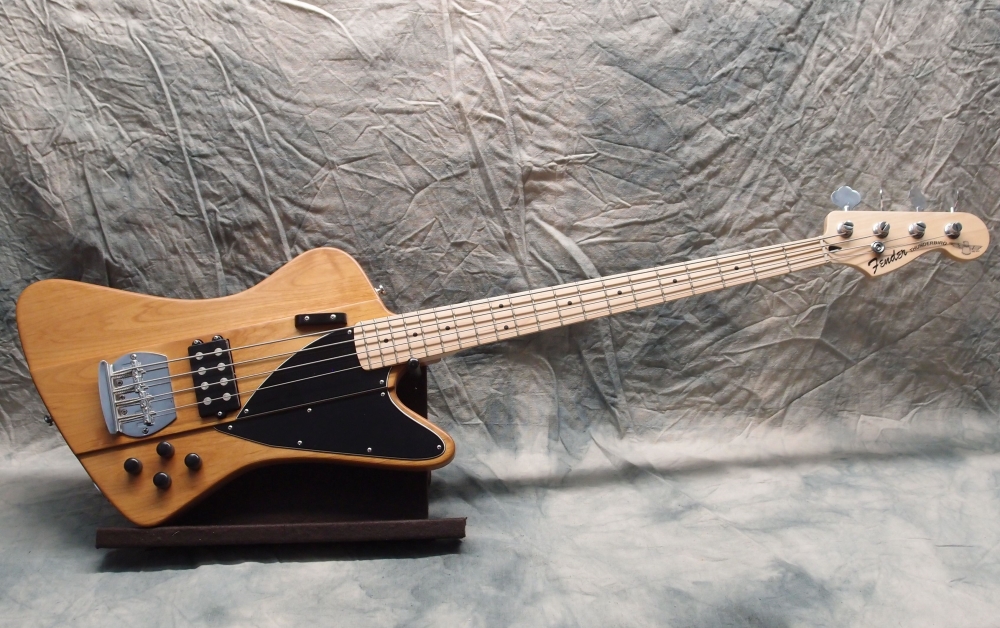
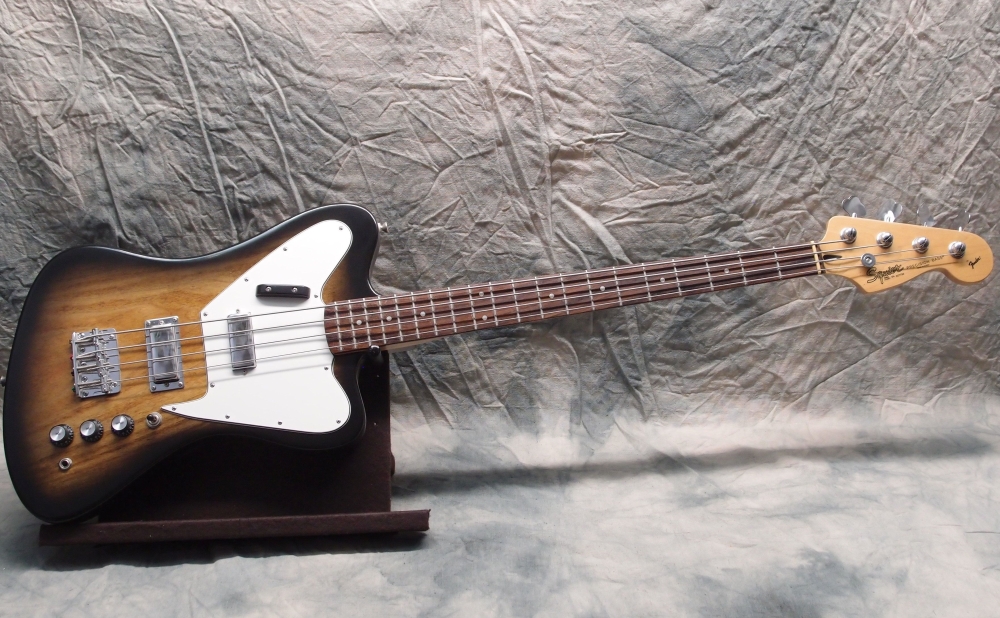
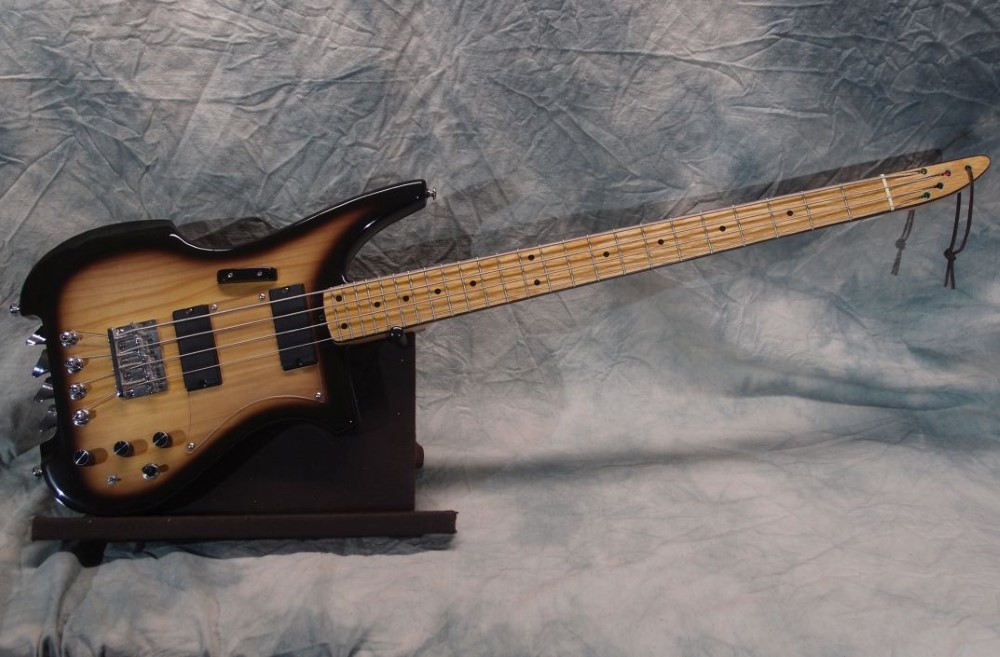
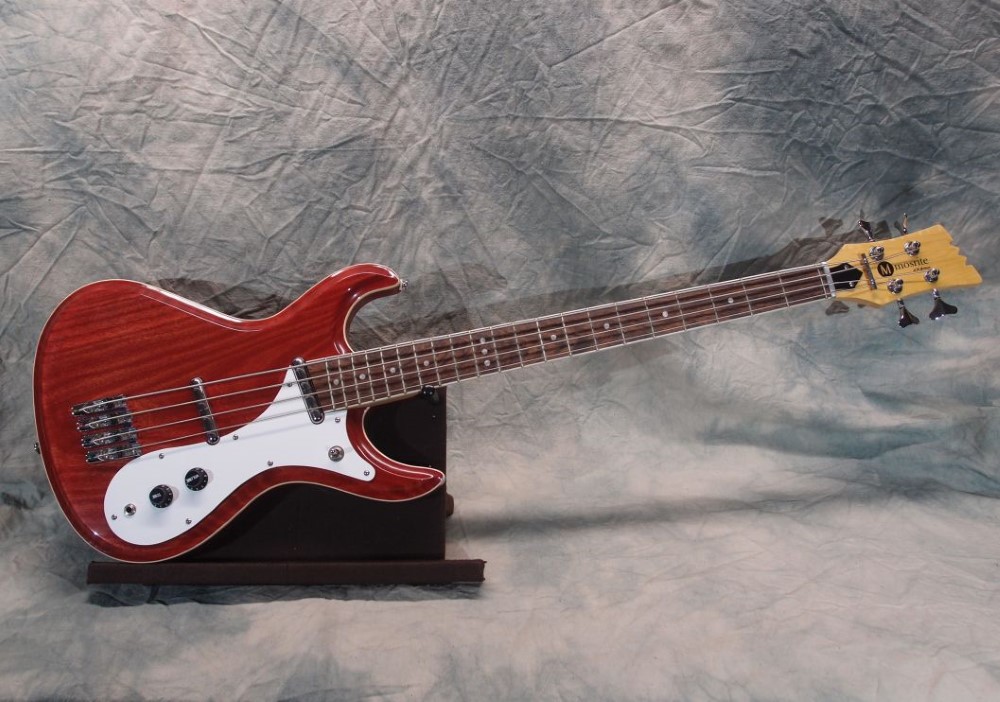
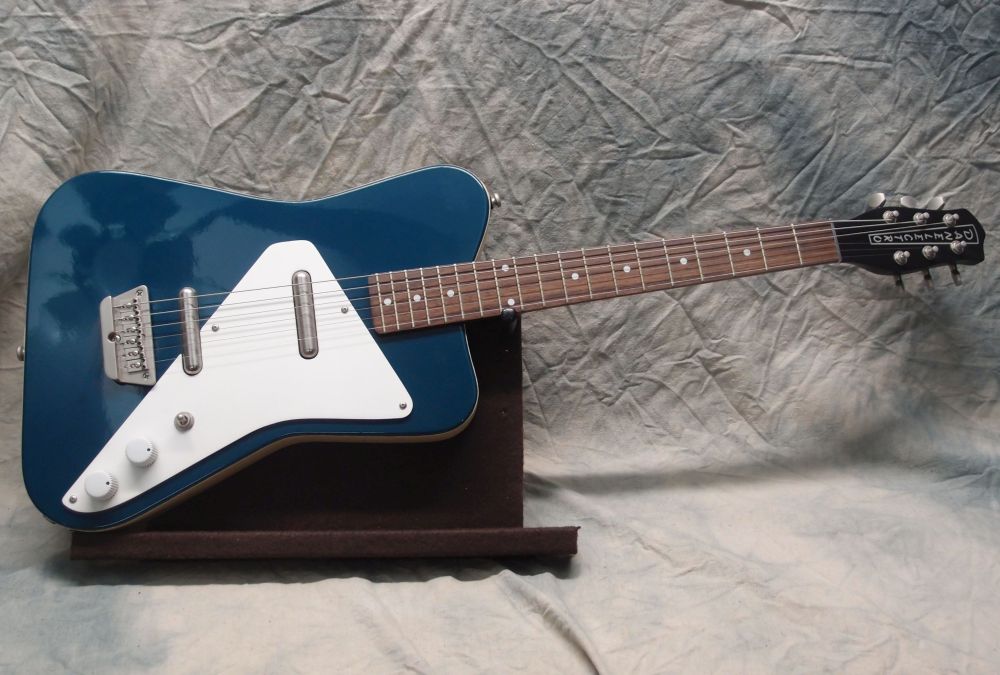
A quick Sears portrait of all my Rickencrappers. In order of conception, left to right:
325 Guitar
This one is modeled on JL's, but pure Danelectro, right down to the poplar neck. Note the short set of dot markers, because they're so expensive in California? Set up to Fender specs, plays better than the real thing. This one was originally finished in mirror-polished lacquer, which quickly got ruined by merely existing. I stripped it and refinished in polyurethane, just as nice, and indestructible.
325 Bass, first try
This was scaled up from the guitar for a 32" neck, but not enough. Plywood over pine body, with an experimental neck mounting that I didn't like. I reclaimed the neck, and the body sat on a shelf for years before being rebuilt with a 30" neck.
325 Bass, second try
Scaled up from the previous attempt, but same construction. This one never really got off the ground, a slip with the router and I abandoned it and started the next one. Later I pulled it out of the trash can and fixed it for a practice piece, after which it joined its predecessor on the shelf. I built it a 30" neck, but never went further, the body seemed too thin for its size. Later I donated that neck to the smaller one and built a new 32" neck for this one from two pieces of wood I wanted to get rid of. So both of them are carrying necks and hardware they were not originally designed for. This was the last one completed.
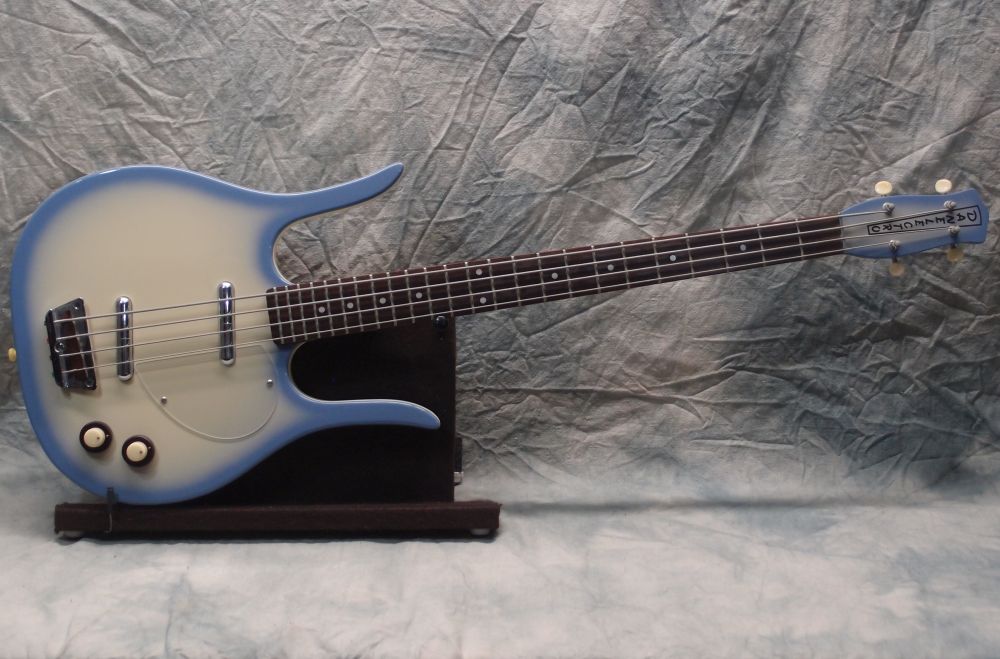
325 Bass, third try
This one is a solid alder body. It inherited the original 32" neck and all the good hardware from the first and second ones. This was the last one started, and the first one finished.
The middle two are literally "throw-aways" - built from junk and the cheapest parts available, just for fun. Both are pretty clever salvage jobs, I think. And they both came out very nice.