Reverse Fenderbird (1/2)


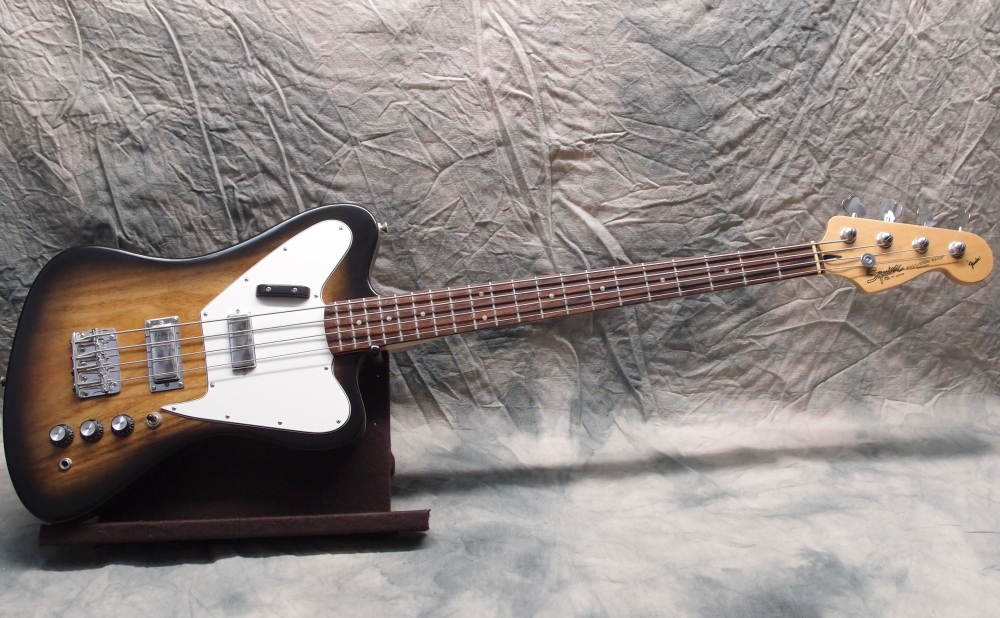
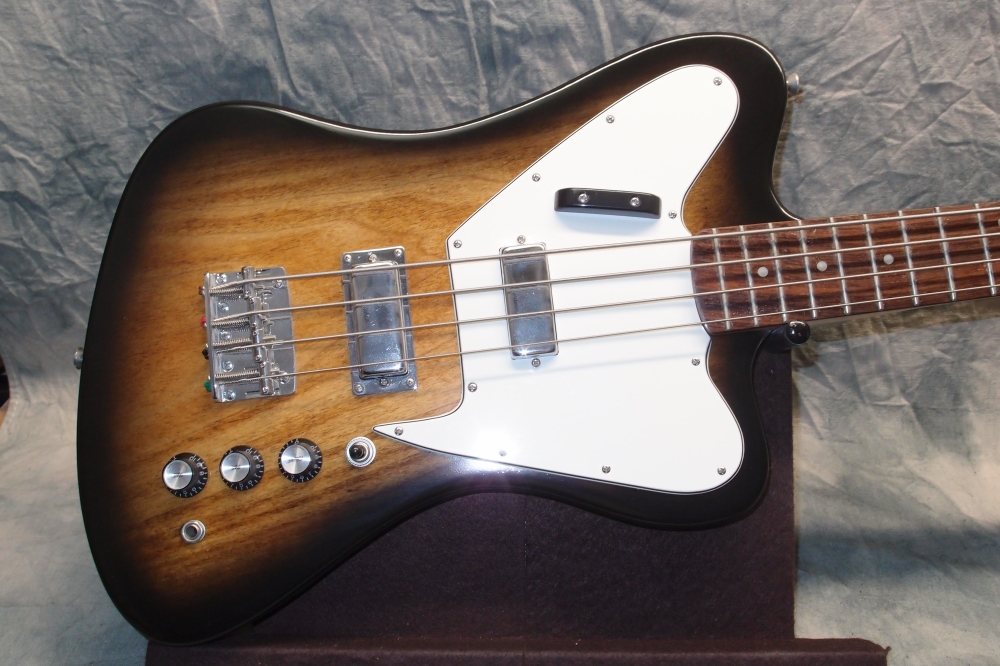
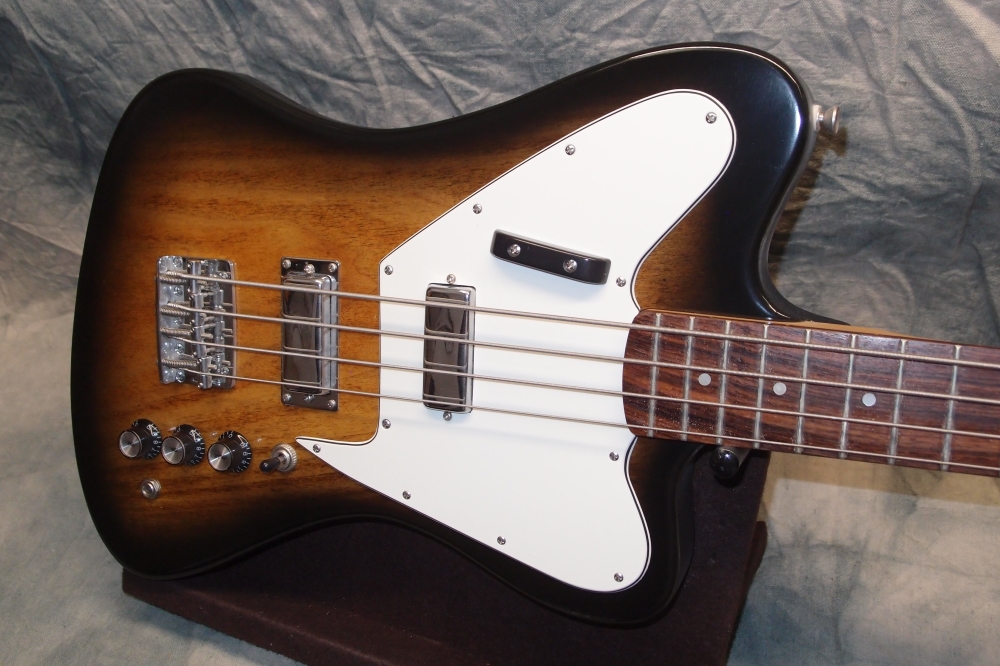
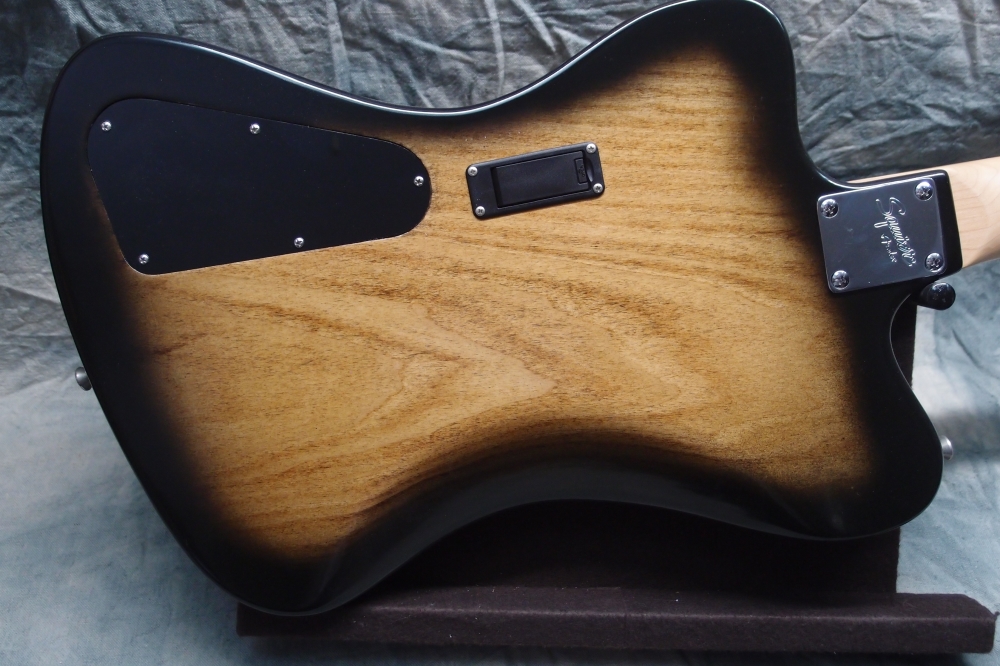
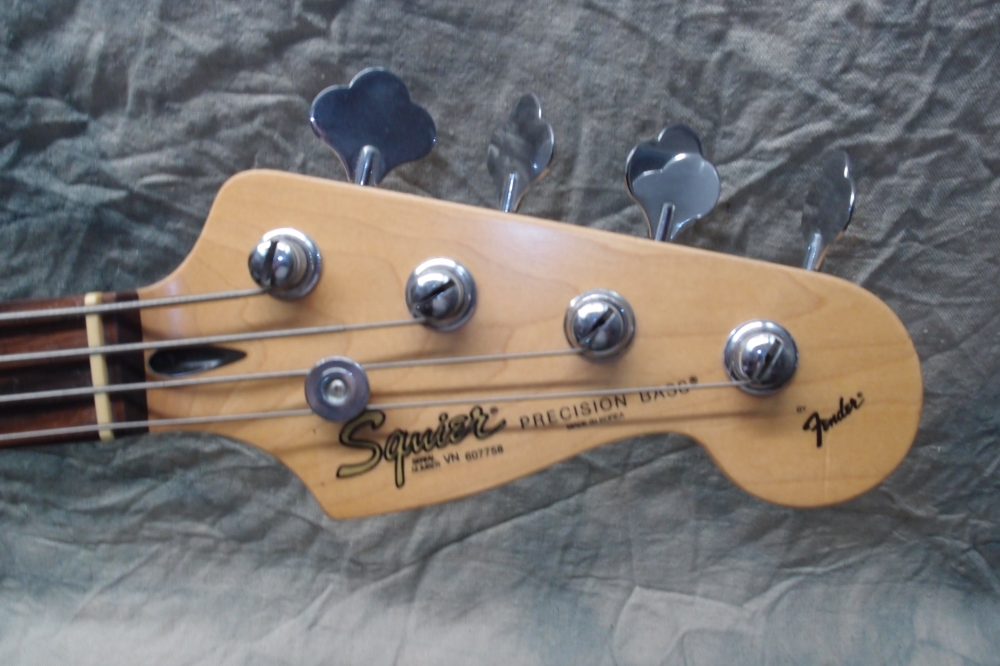
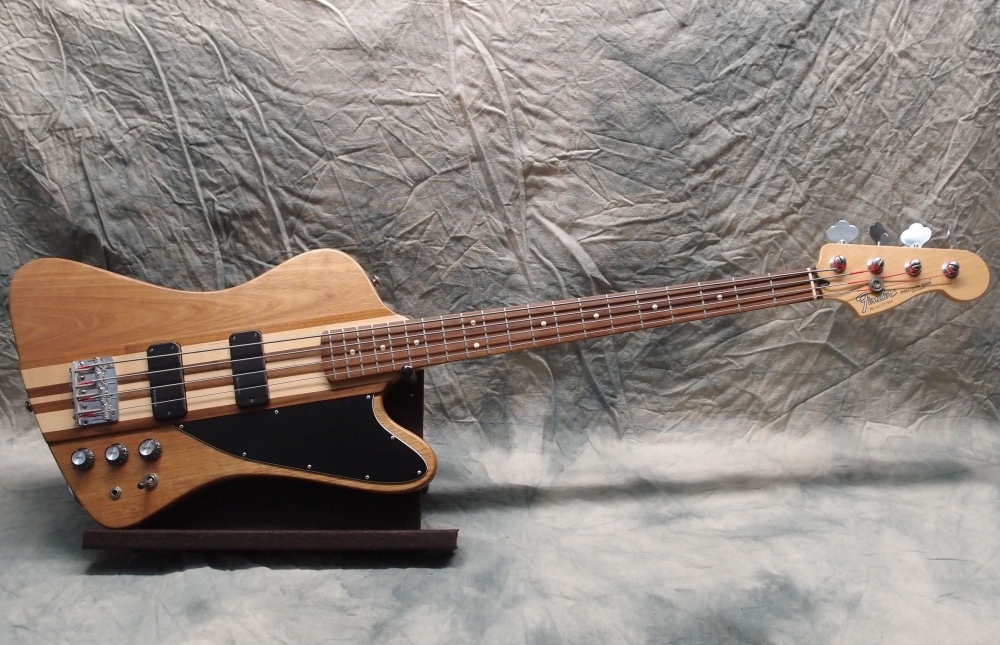
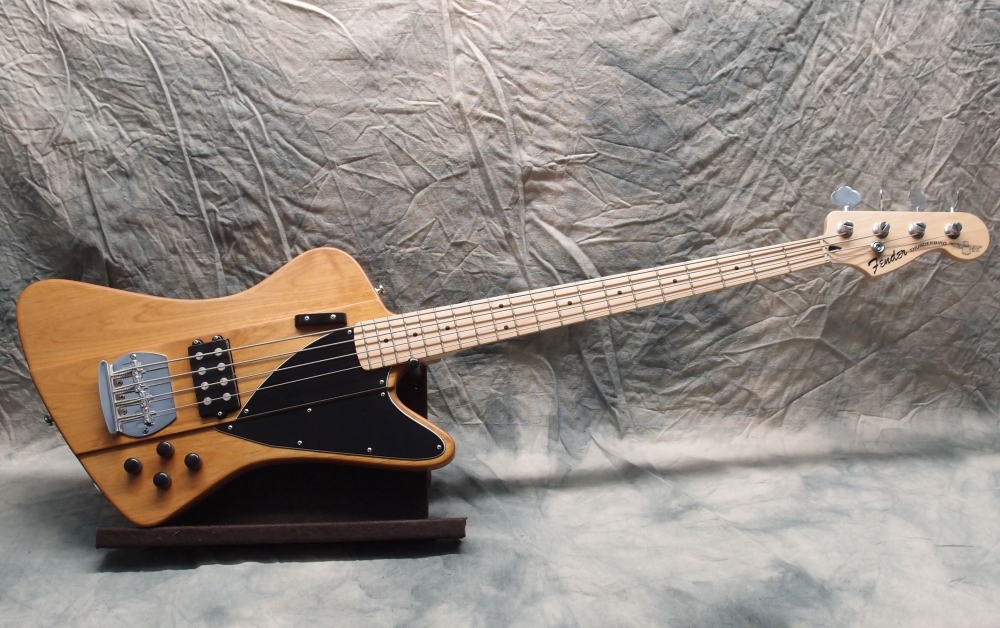
Solid poplar body, lightly stained and finished in polyurethane. Korean Squire neck, active electronics. Is it a reverse, or a non-reverse? Since this is a reverse of the original Thunderbird body ( more-or-less ) I say it is a reverse. If this is a non-reverse, then the original would have to be the reverse. Reverse of what? Makes no sense.
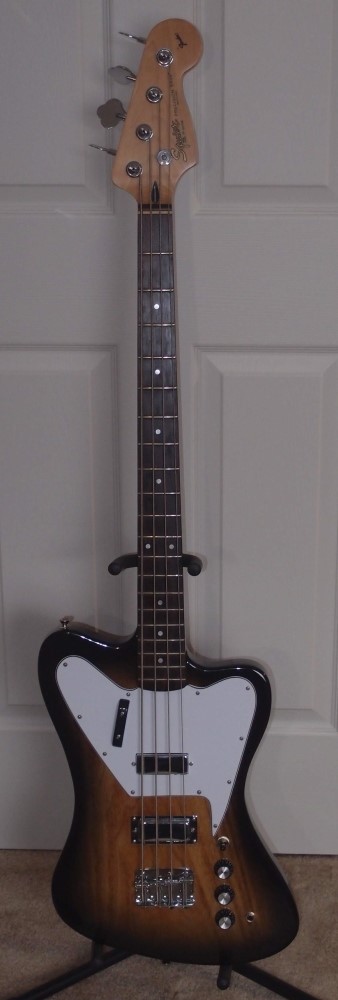
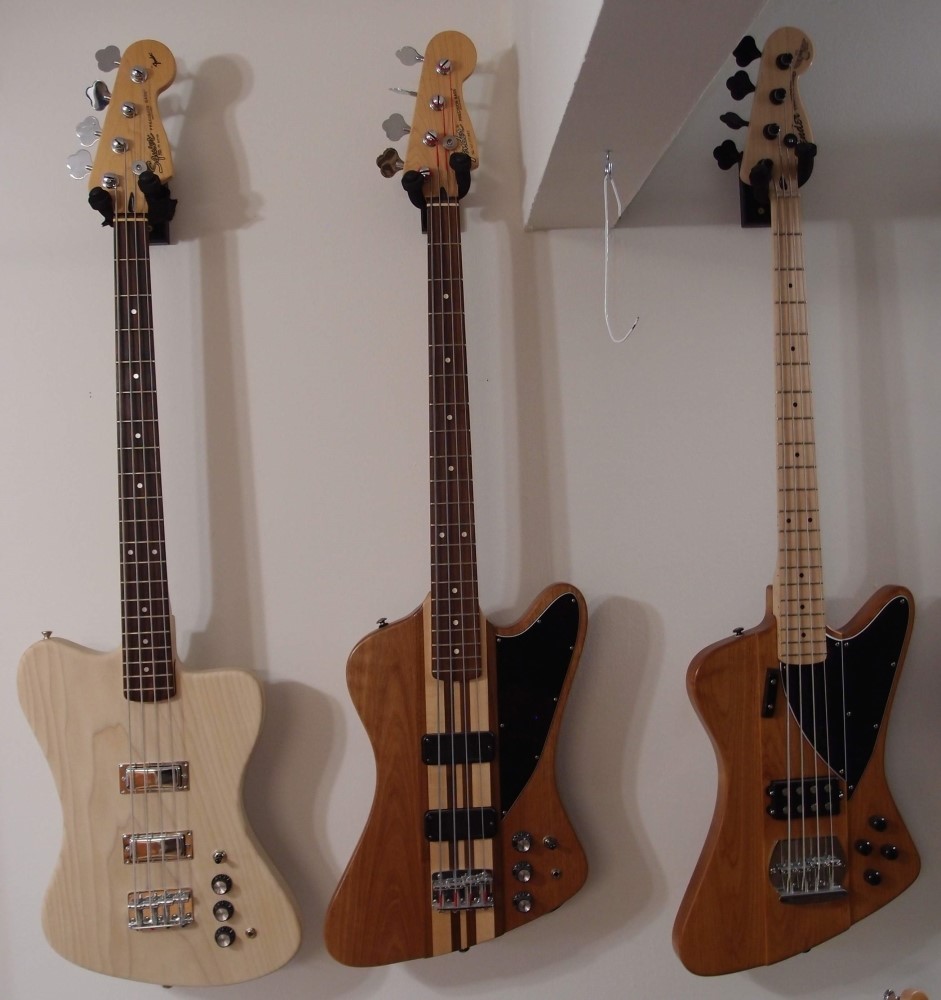
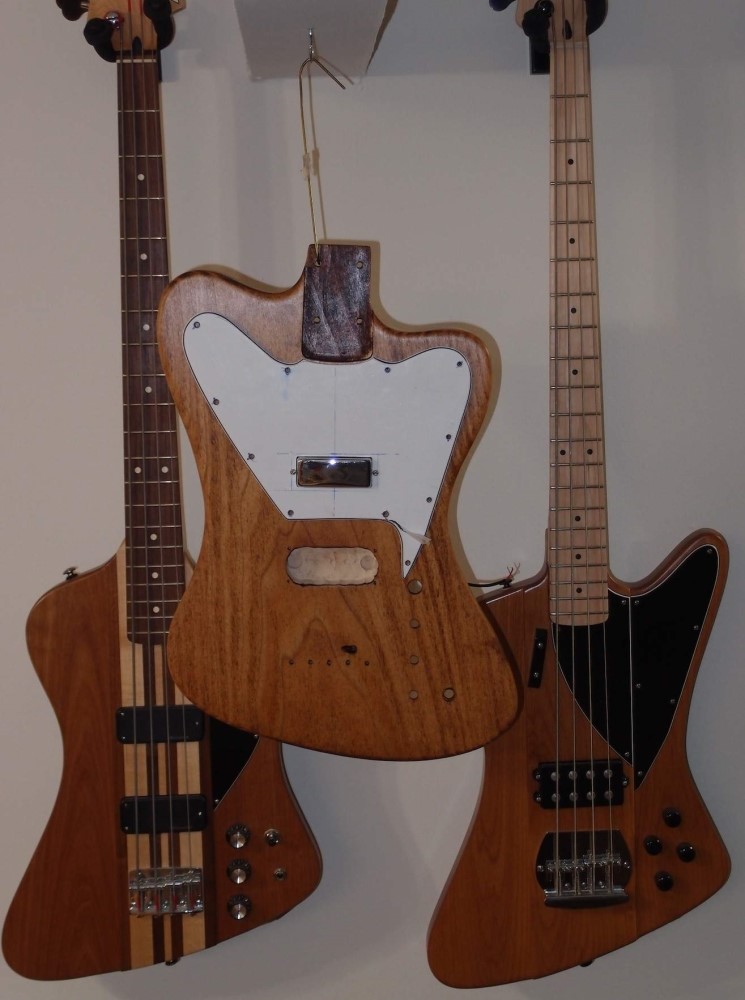
Well, I left the two Fenderbirds alone in the woodshop when I went on vacation, and when I got back, this is what I found. I should have known. This is what happens when you leave your guitars unsupervised.
He's a cute little guy though. Not really little at all - 10 pounds, and he's got a full 34" scale already. No finish yet, the body looks like a piece of poplar that I had from the lumber yard, and the neck says Squier Korea. His mini-humbuckers are wired to the switch and jack, but the rest of his electronics haven't dropped yet. I'm guessing they will be active bass and treble like his parents. I wonder who he will take after in the pickguard and finish.
The proud parents are understandably protective and haven't let me play with him much, but he seems like a winner already. I guess I'll just have to go get him his own stand and make the best of it. The damn Stratocasters have been breeding like crazy too.
( Looking at the picture, it appears the bridge and pickups are crooked. That is an artifact of the wide-angle camera lens. I assure you, the baby is completely healthy, and LOUD. )

Questions or Inquiries?
Just want to say Hello? Sign the .