Doing Things Wrong

Audiovox Mandolin (1/5)

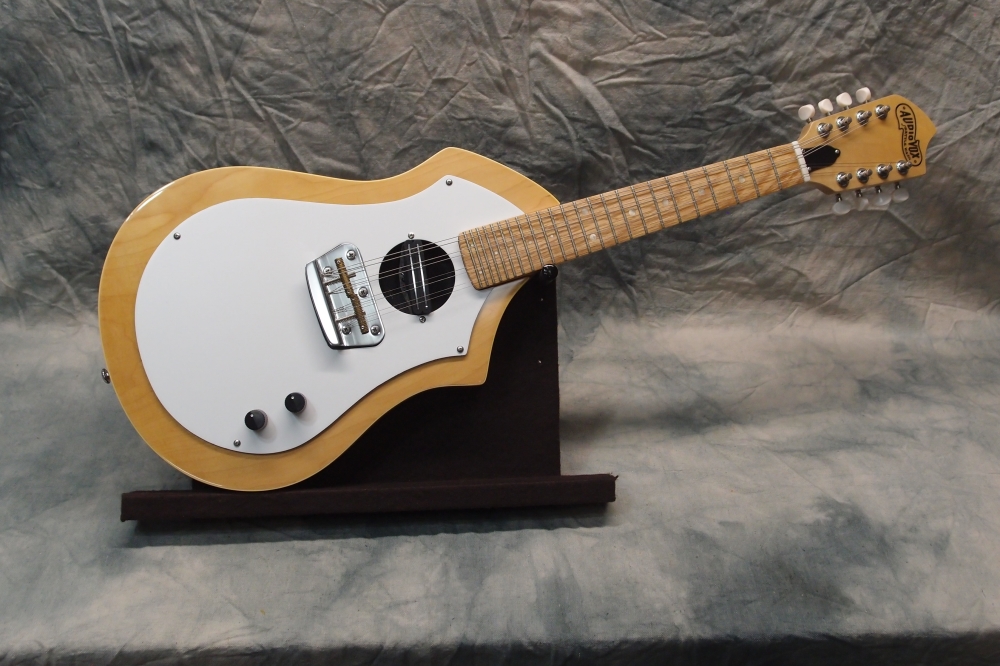
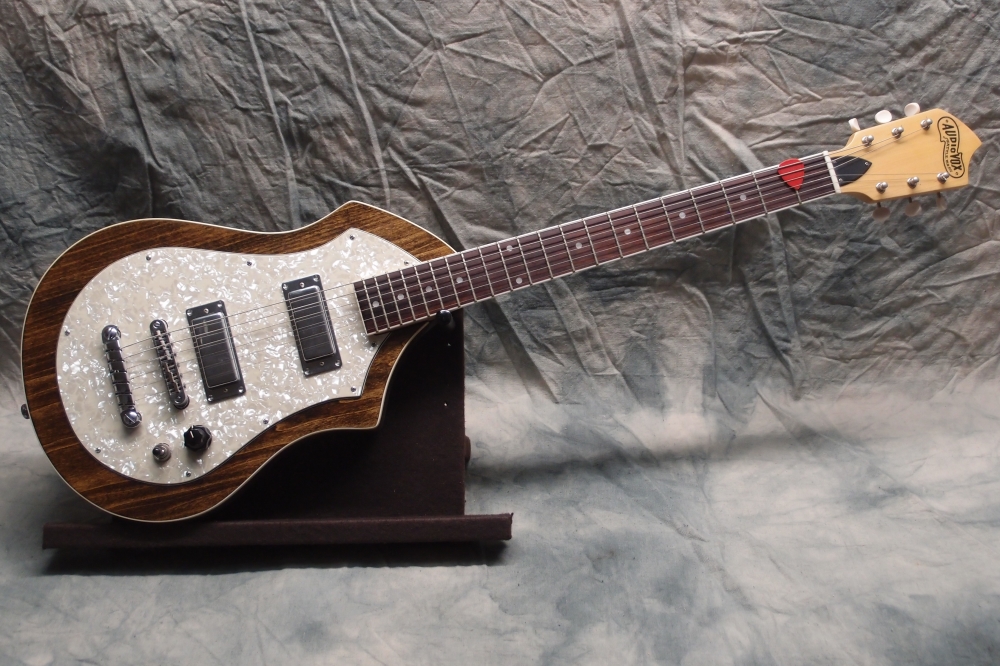
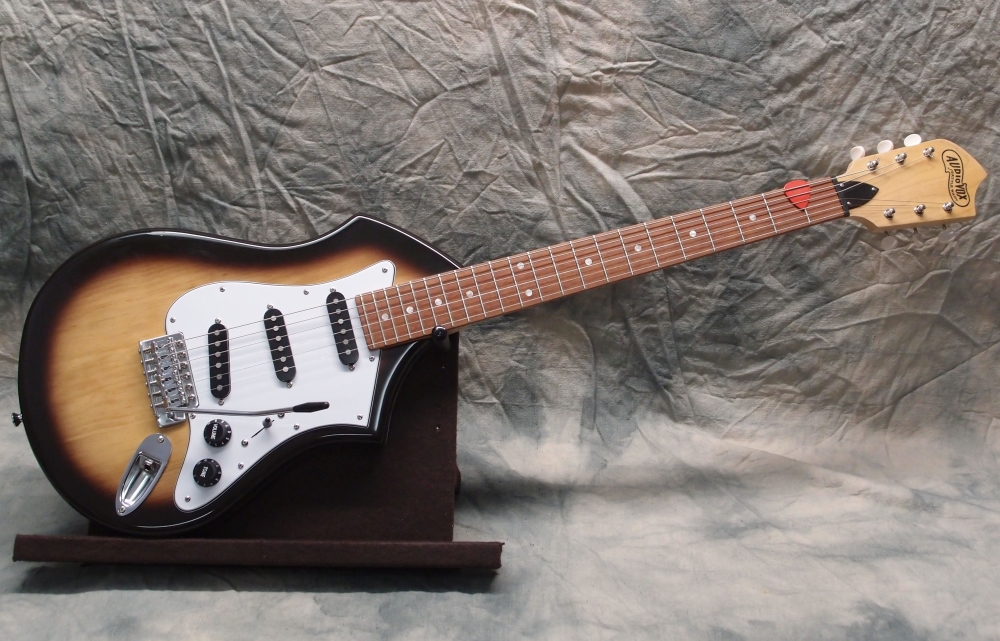
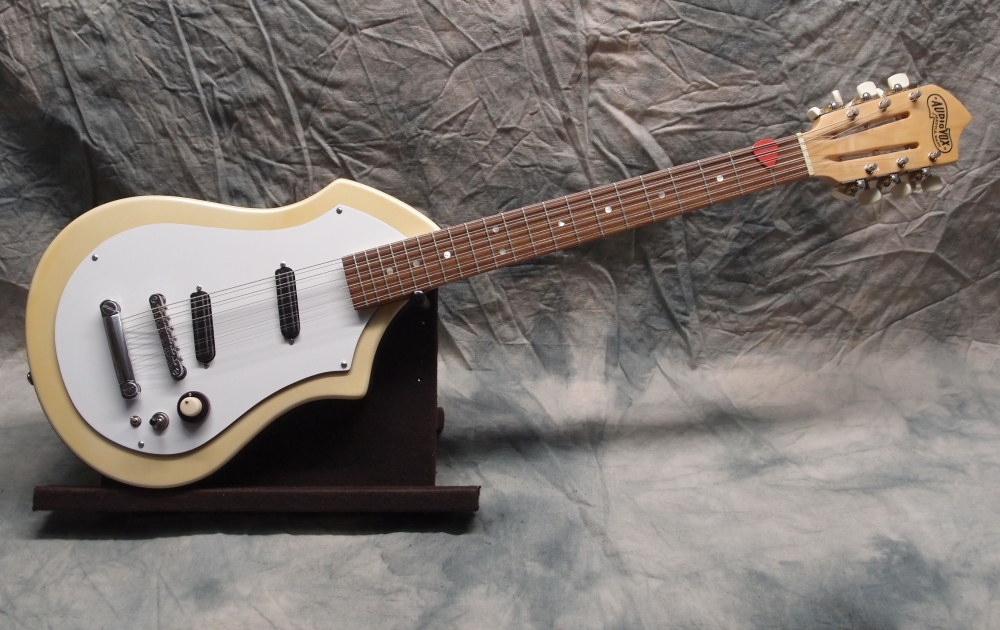
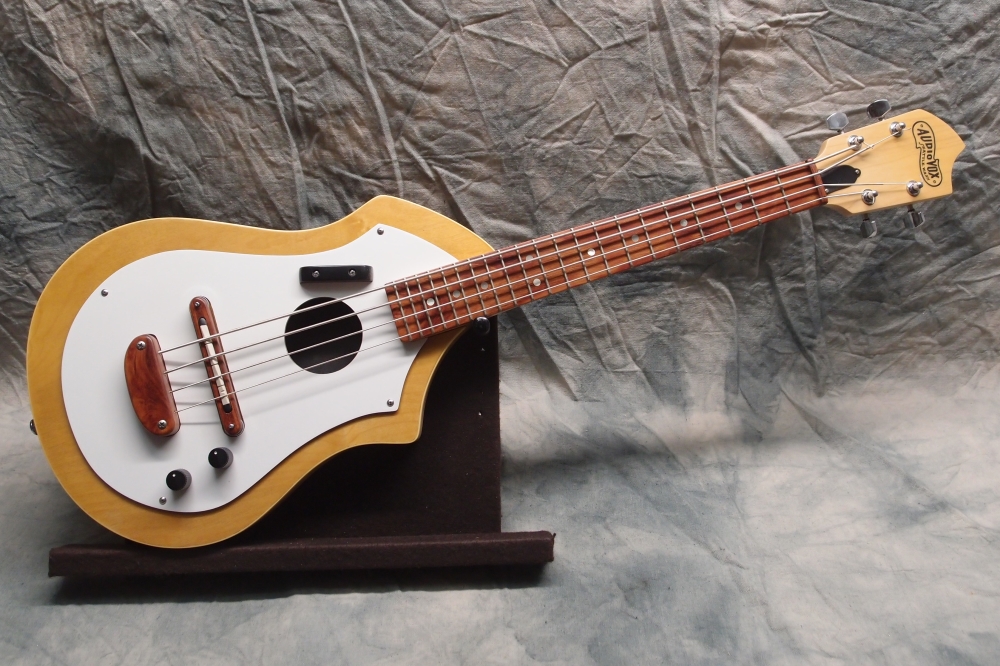
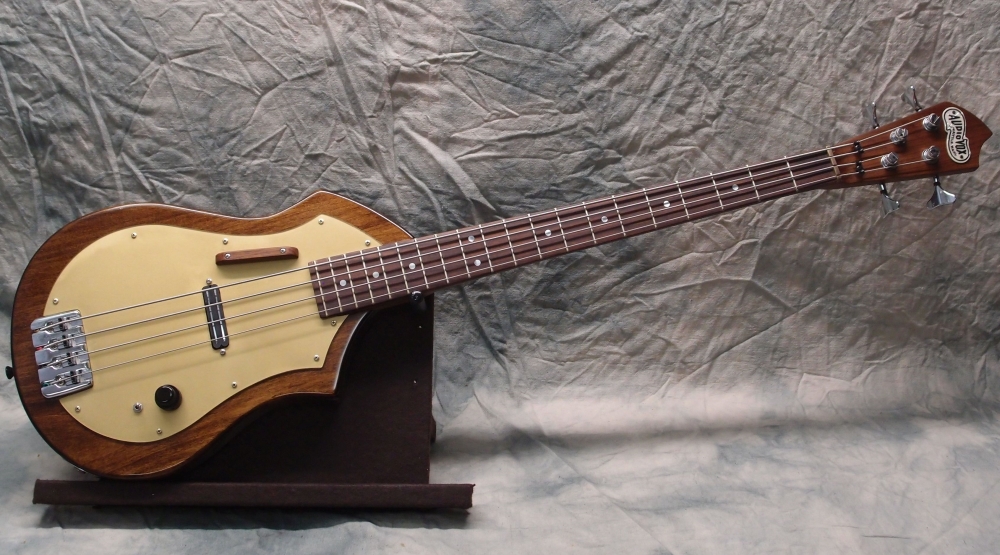
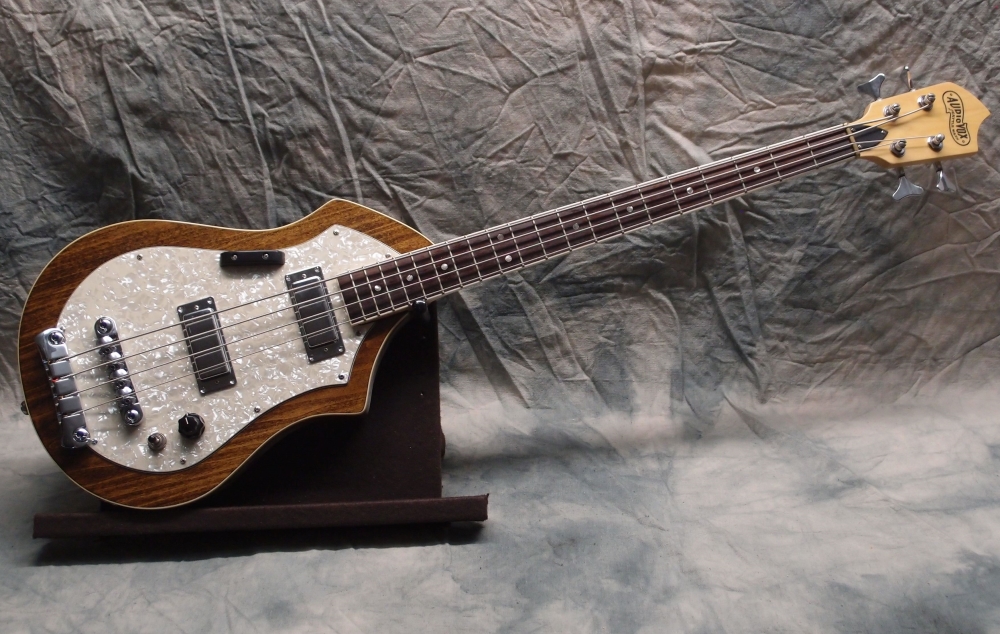
This body is maple plywood over a hollow pine core, double-bound. It came out very lightweight, too light to balance even a guitar neck. This was originally going to be the 12-string, but I realized that it would never balance. So I shuffled parts and bodies between some other projects - a planned six-string got canceled and became the twelver. That left this body free. I thought about it a while and decided it would make a good mandolin.
image

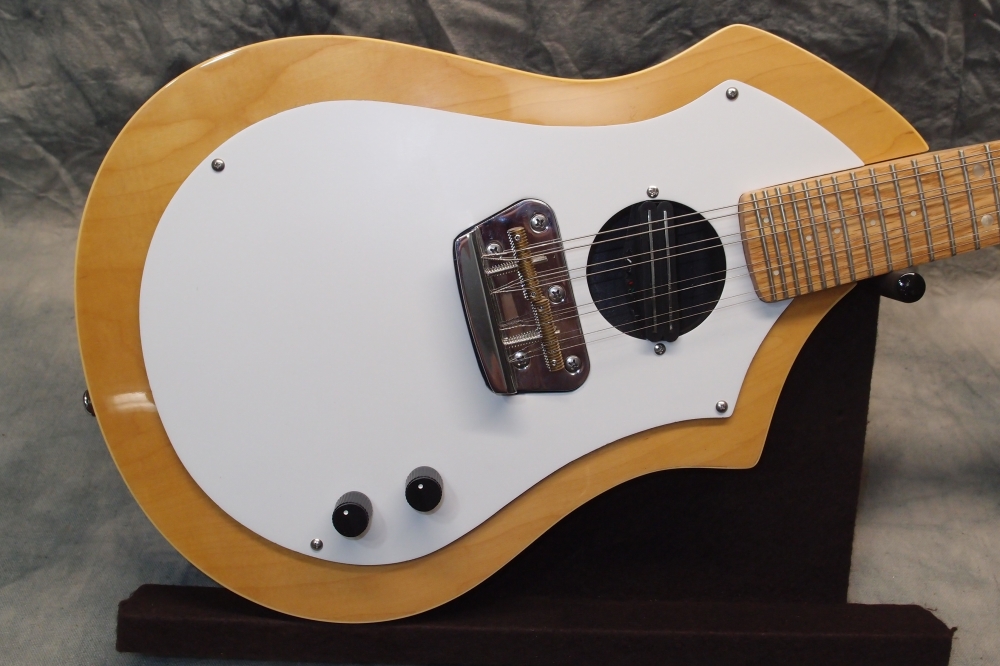
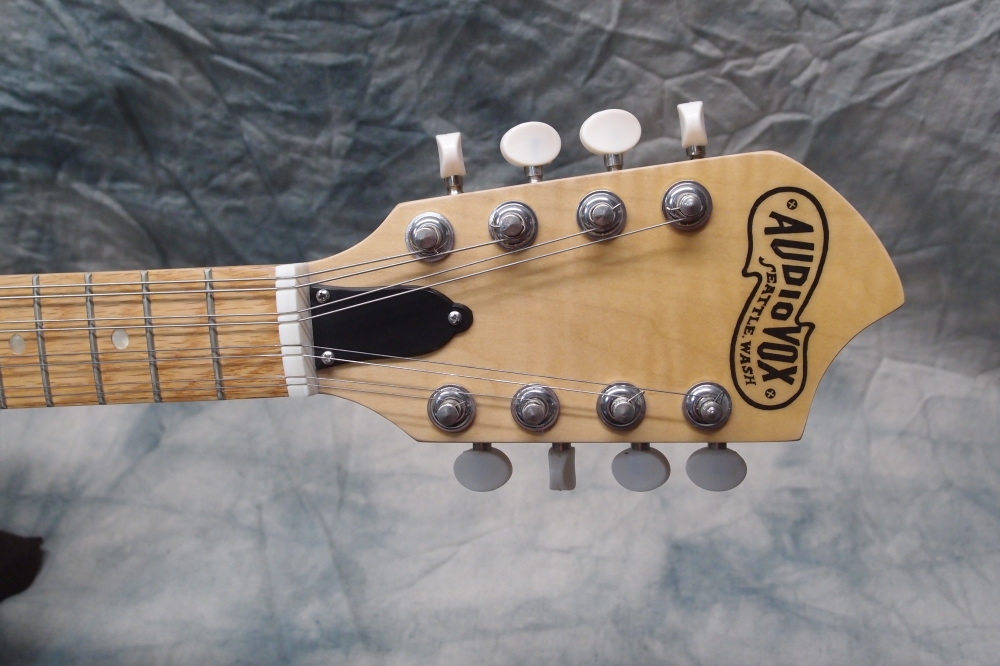
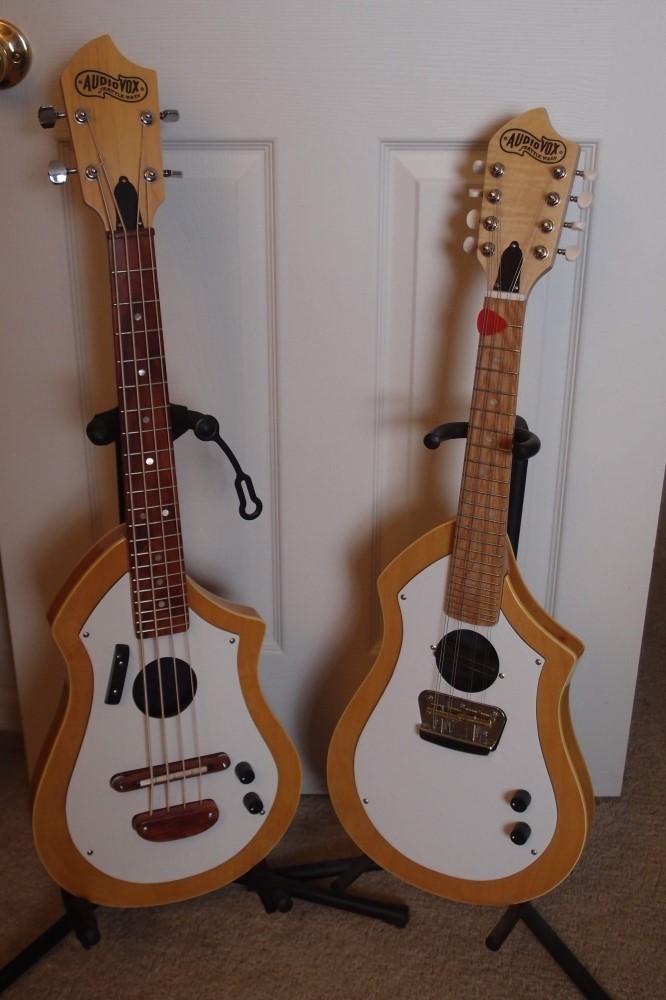
The mandolin on the right is a 17" scale, with double courses of strings tuned EADG one octave up from a guitar. The bridge is a Bronco modified with threaded brass rod saddles. There is a single pickup in the sound hole. The fretboard is oak. The strings are all from the junk box.

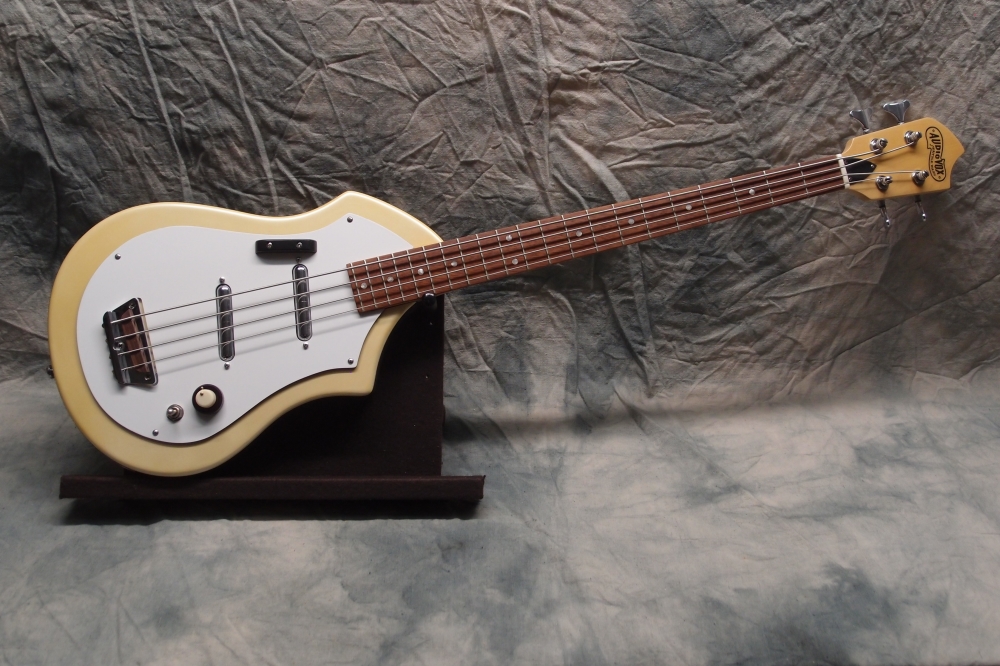
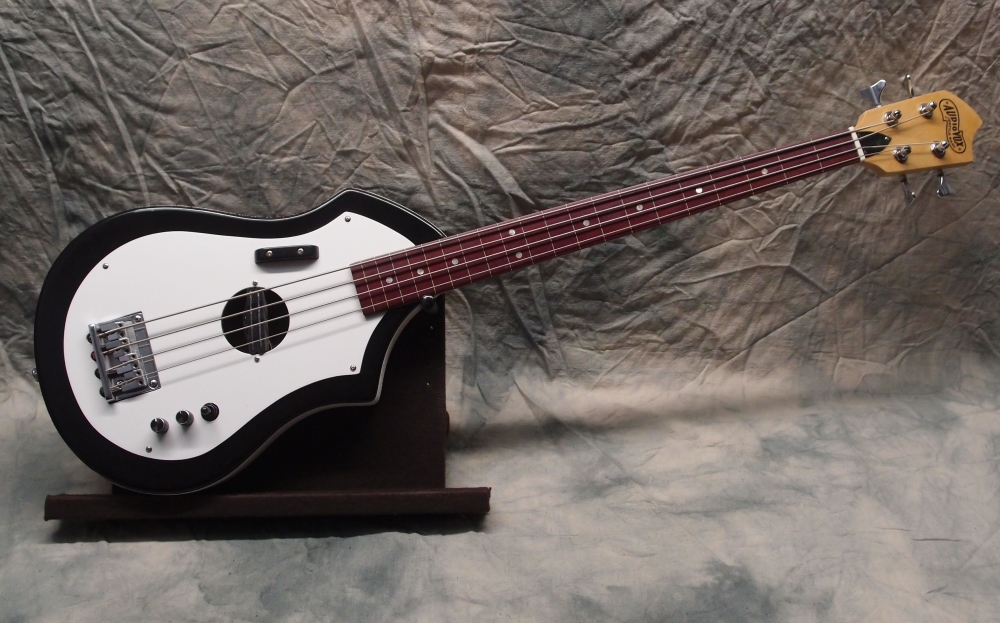
Both of these short necks have fixed steel truss rods, although they probably don't need them. Both are finished in polyurethane, with masonite pickguards.
 1 2 3 4 5  

Comments on Audiovox Mandolin

Questions or Inquiries?

Just want to say Hello? Sign the .

Submit a Comment

Your email address will not be published. Required fields are marked *


Click image to replace if unable to read.

Enter the digits from the image above, except for the last one:

This site uses Akismet to reduce spam. Learn how your comment data is processed.


image

This is the angled headstock jig I built from pine scrap, with an already-cut piece of 5" Home Depot maple headstock material attached with clamps. Basically, this jig is a 90-degree square brace, as precise as I could build it. It is square in all three dimensions, the most important being the vertical direction. The final stage of construction of the jig was to smooth all the surfaces on the sander, true up the saw, and then true-up the jig face by shaving it with the saw. You can see that the angle of the headstock is easily selected on the saw. The accuracy of this angle is not critical, as long as you are in the ballpark, anything will work.