Doing Things Wrong

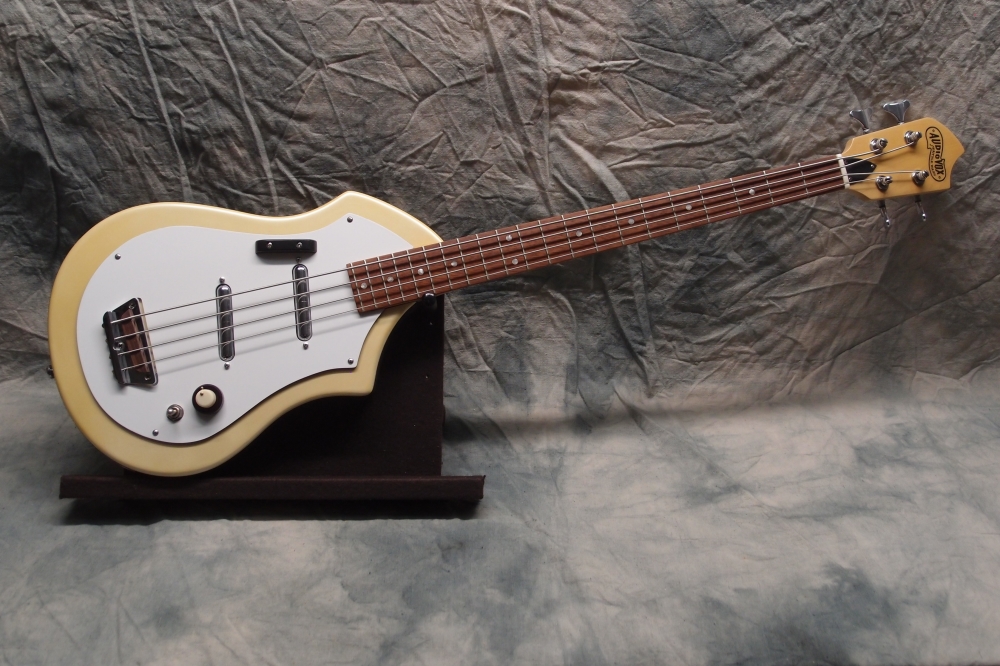
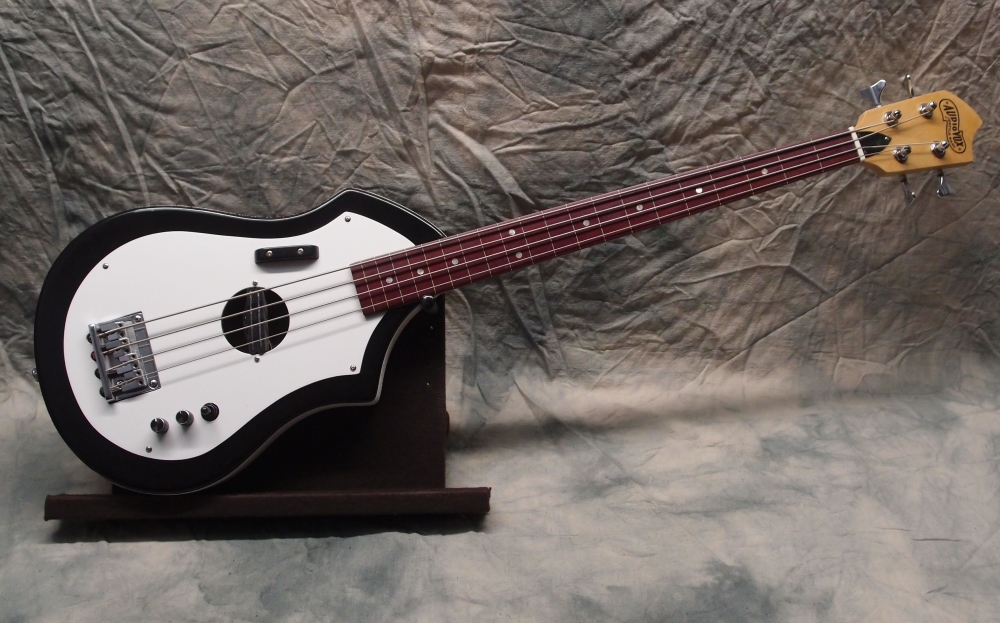
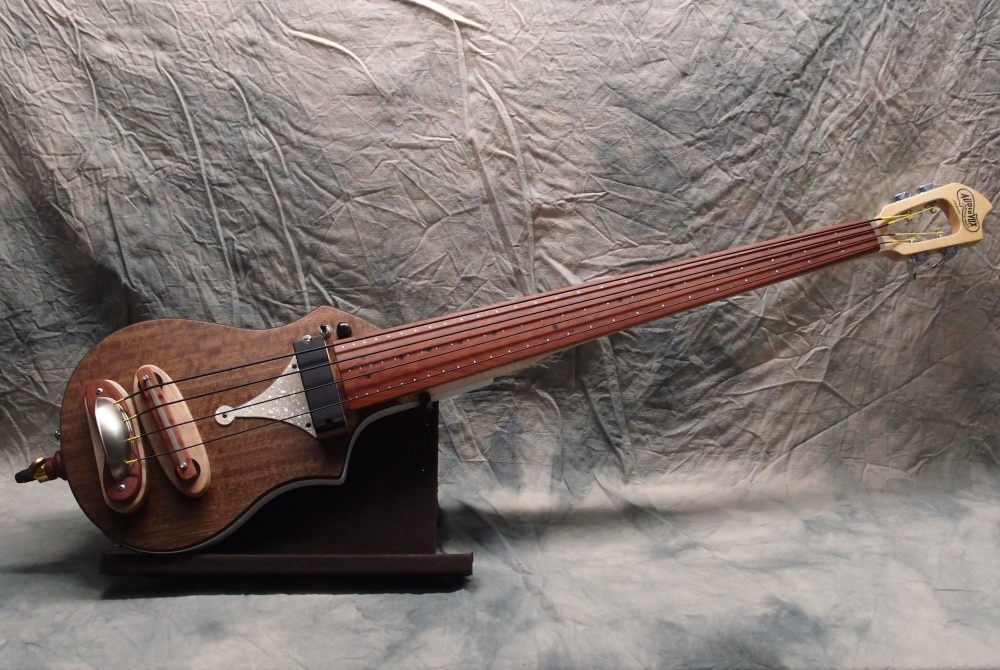
Audiovox Solid-Body Bass (1/3)

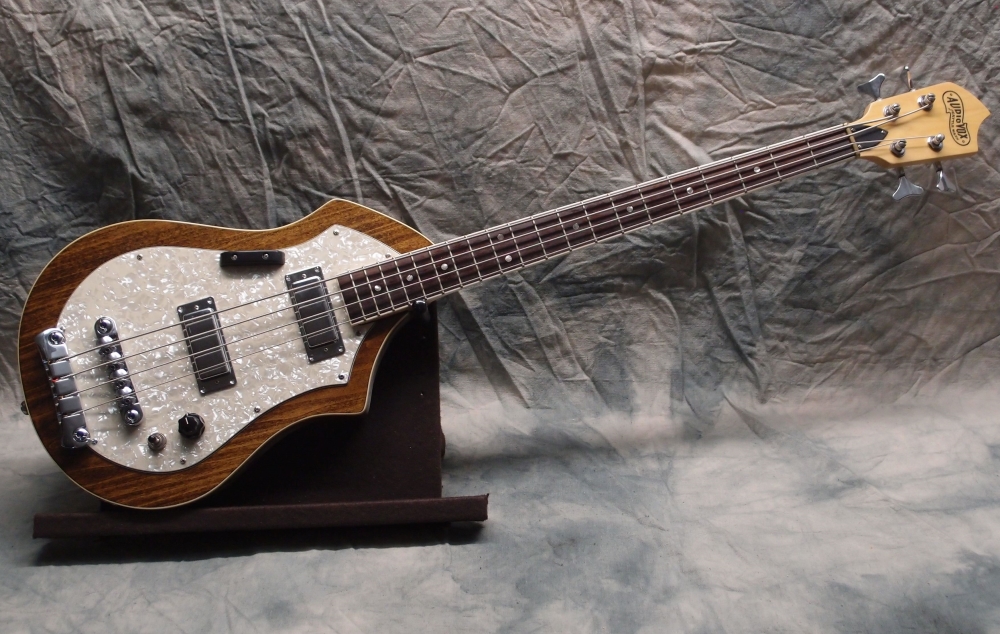
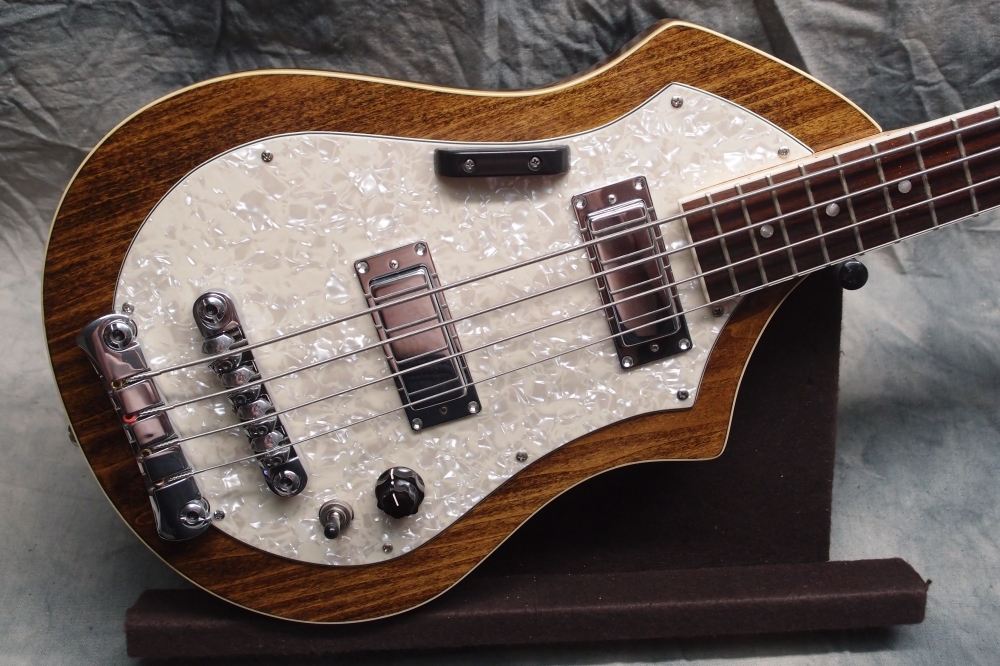
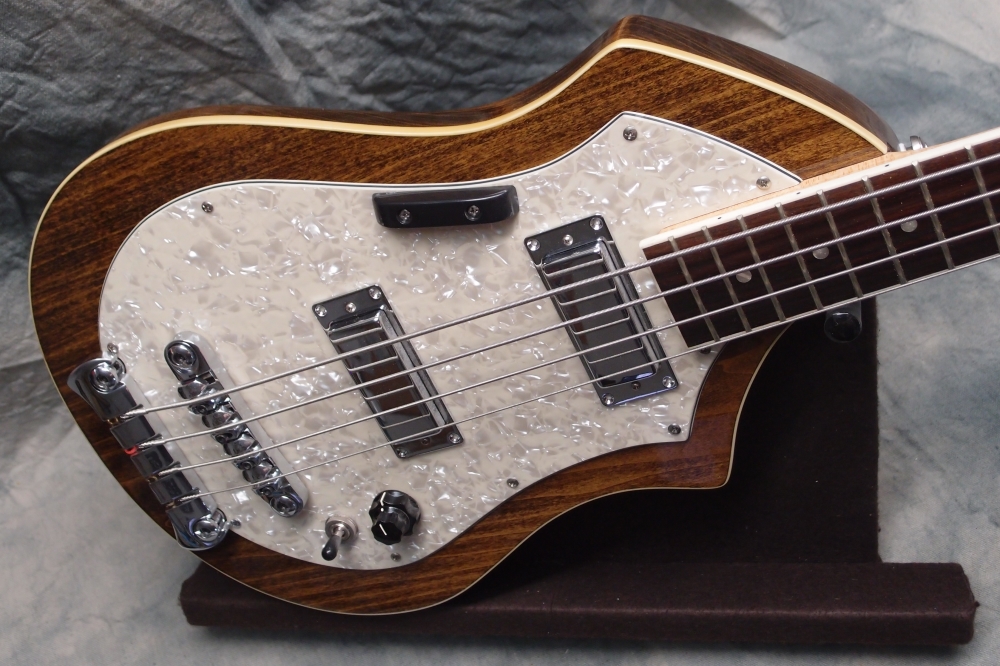
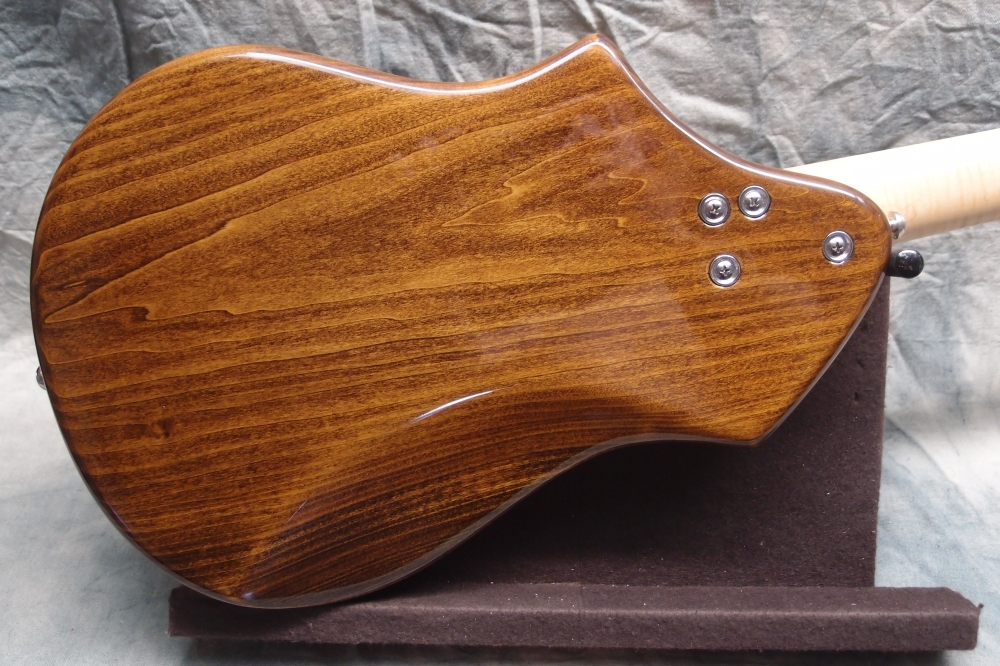
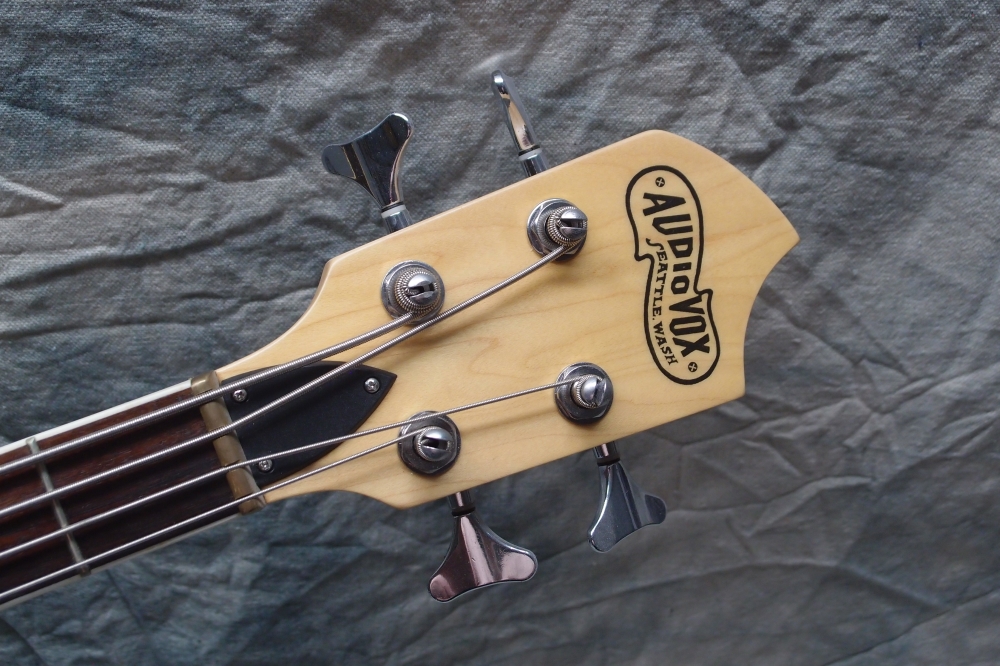
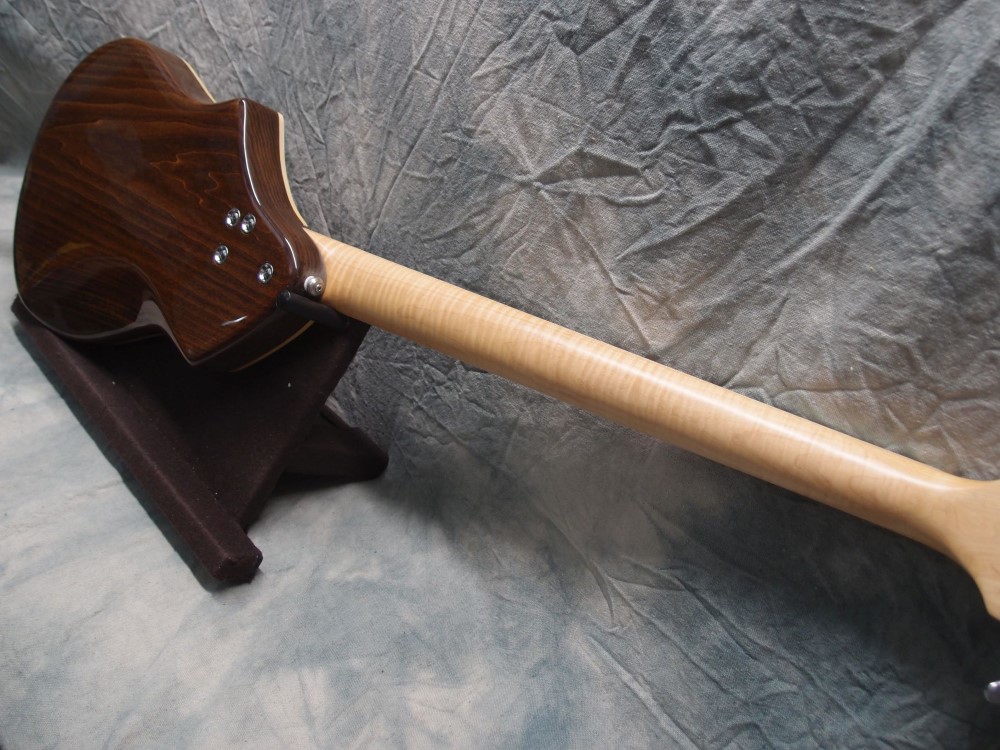
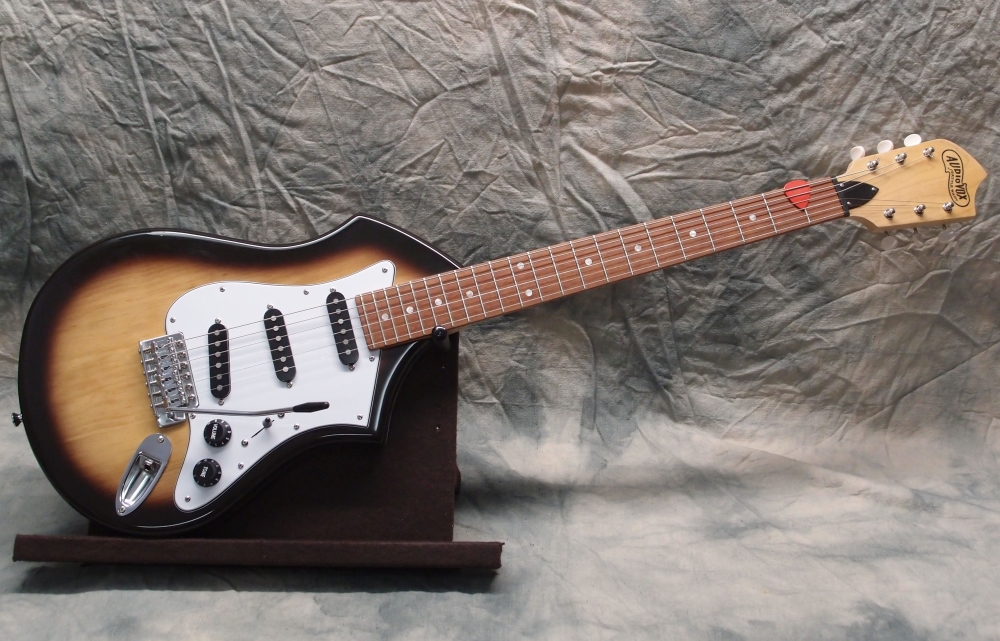
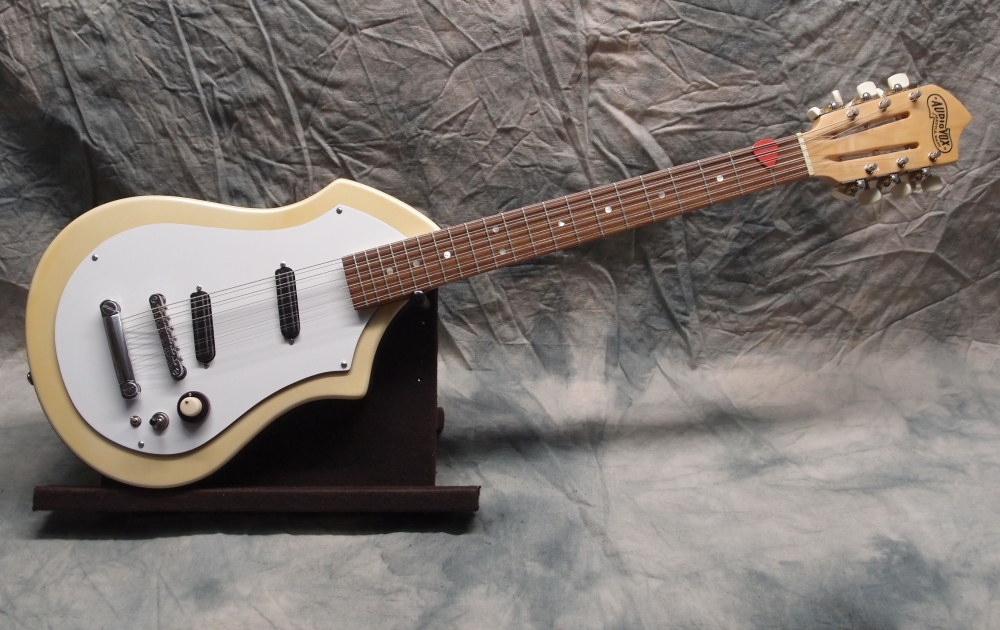
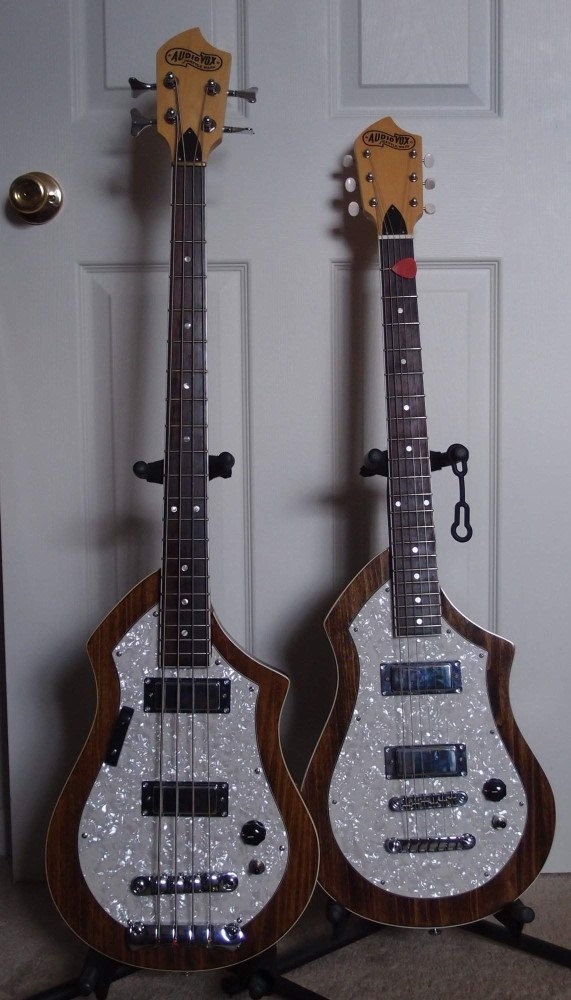
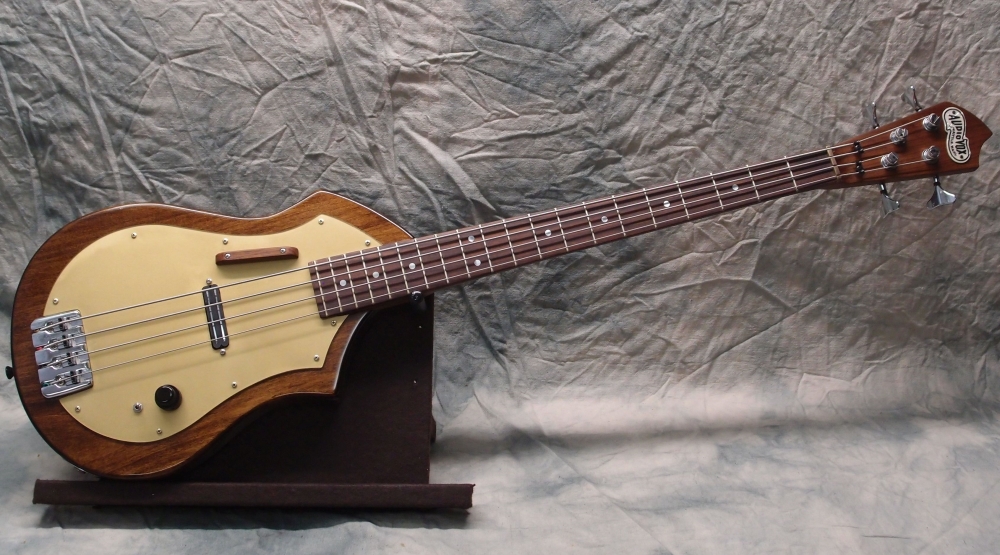
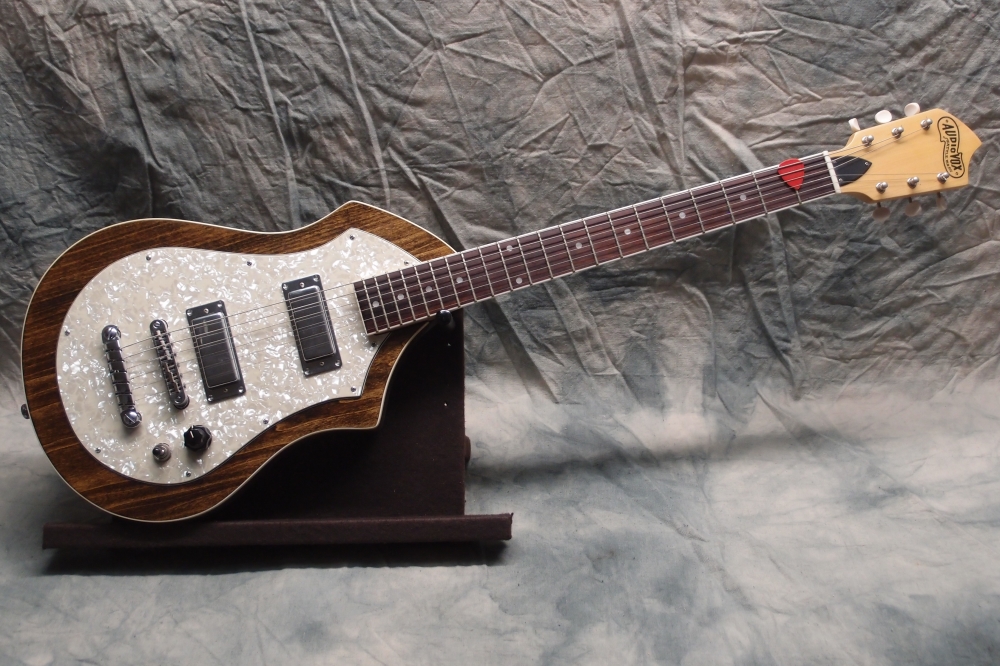
Together with the guitar, this was the first of my modified Audiovox design to be completed. Solid poplar bodies, stained to look like walnut, with single bindings. Each pickguard used an entire sheet of material; only these two got the pearl treatment, the rest got much less expensive masonite pickguards.
image

Except for being a guitar and a bass, these two are nearly identical - the same humbuckers and electronics, knobs, etc. The scales are 30" and 25.5".
 1 2 3  

Comments on Audiovox Solid-Body Bass

Questions or Inquiries?

Just want to say Hello? Sign the .

Submit a Comment

Your email address will not be published. Required fields are marked *


Click image to replace if unable to read.

Enter the digits from the image above, except for the last one:

This site uses Akismet to reduce spam. Learn how your comment data is processed.


North American house wiring

Tube amps lend themselves more naturally to distortion than solid-state. When overdriven, tubes produce more of the nice-sounding even harmonics, while transistors produce more of the odd harmonics, which don't sound as good. Early solid-state amps distorted very un-musically. Bass is generally played clean and requires a good deal more power, which would require a very large, heavy, expensive, and delicate tube amp, so solid-state became a good alternative for bassists.