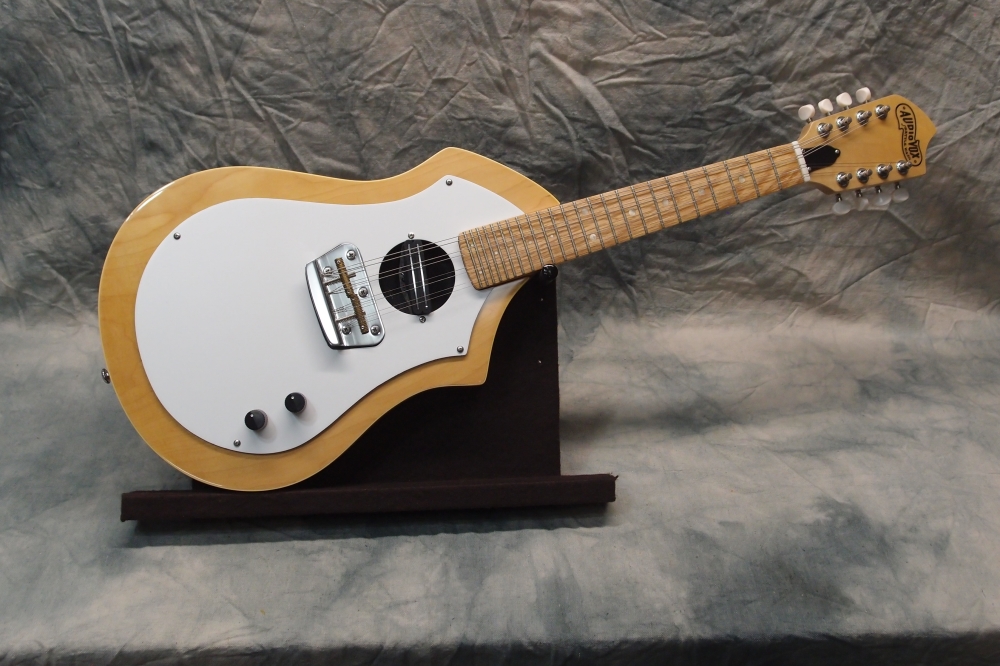
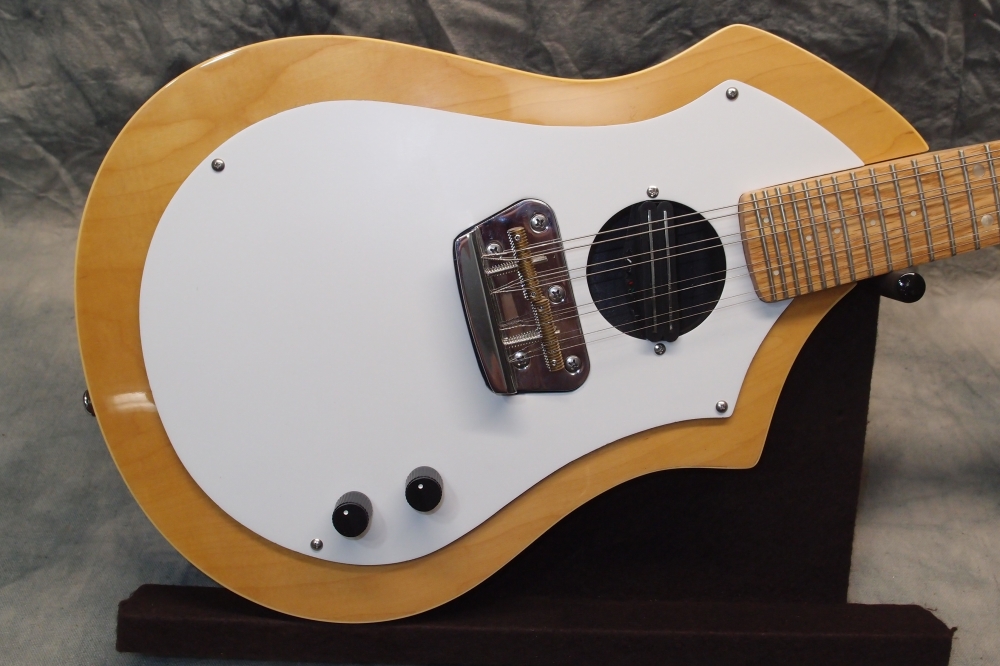
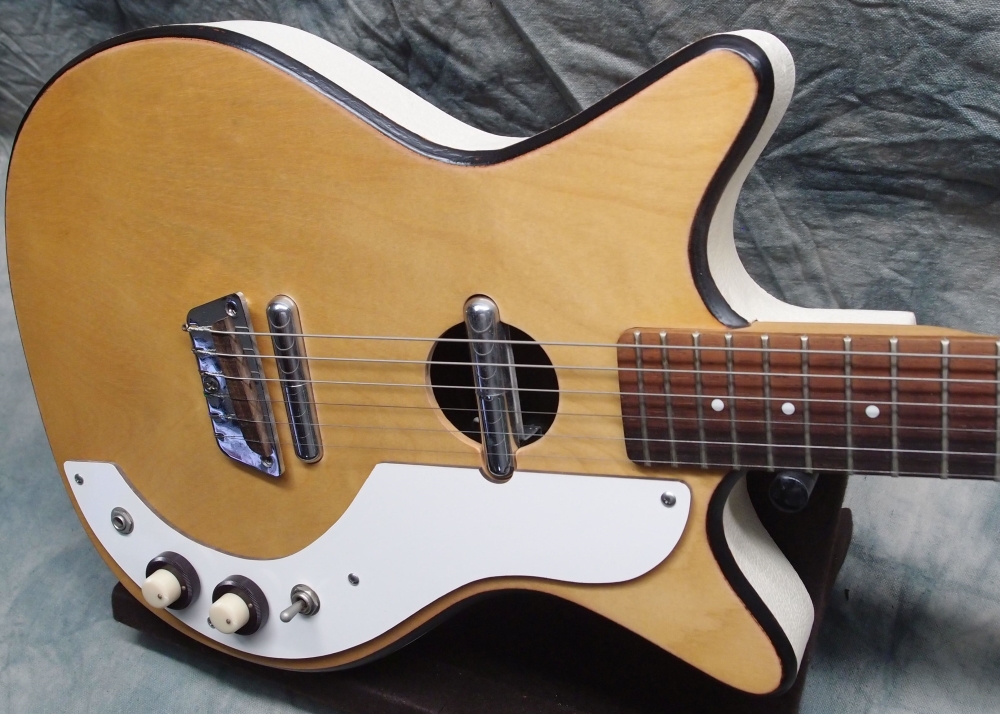
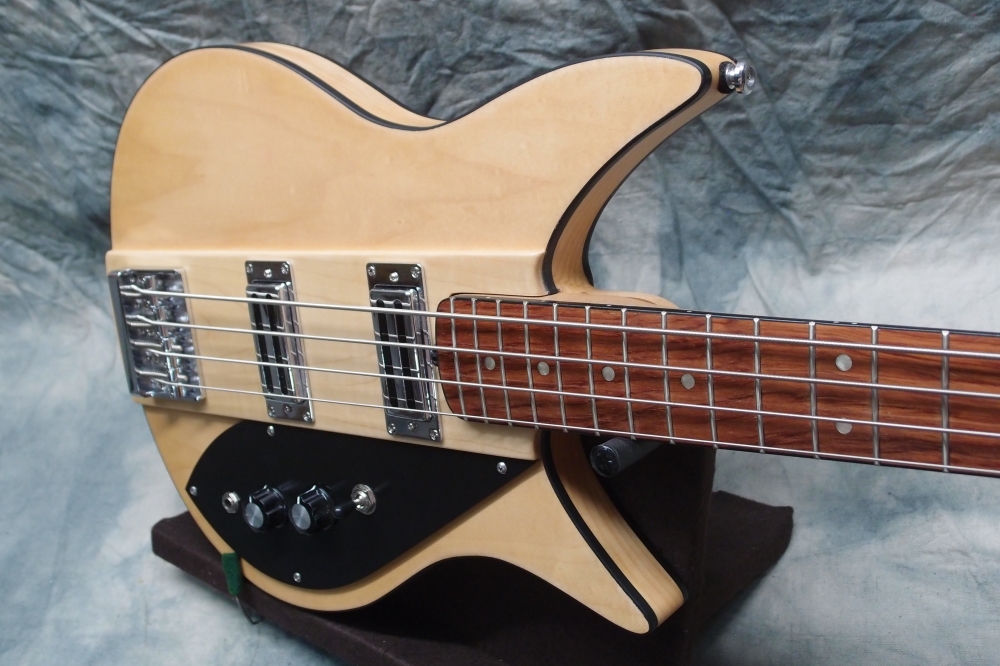
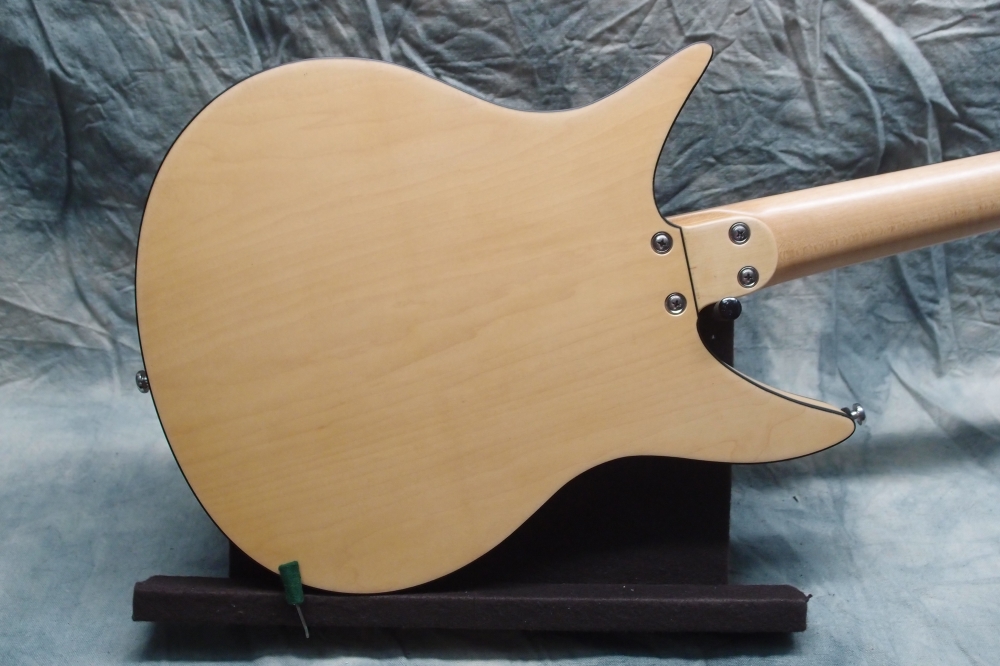
Plywood faces over solid wood sides is a relatively uncommon way of building a guitar body. It is similar to plywood over plywood, except the sides have a nice wood grain that can be left exposed.
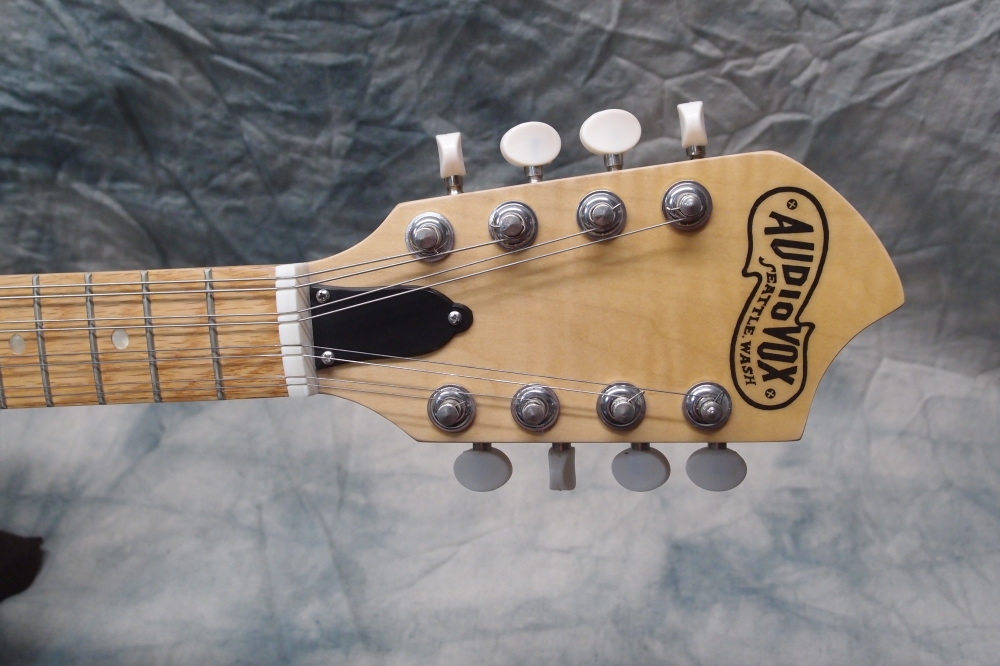
This body is maple plywood over a hollow pine core, double-bound. It came out very lightweight, too light to balance even a guitar neck. This was originally going to be the 12-string, but I realized that it would never balance. So I shuffled parts and bodies between some other projects - a planned six-string got canceled and became the twelver. That left this body free. I thought about it a while and decided it would make a good mandolin.
More: Audiovox Mandolin ...
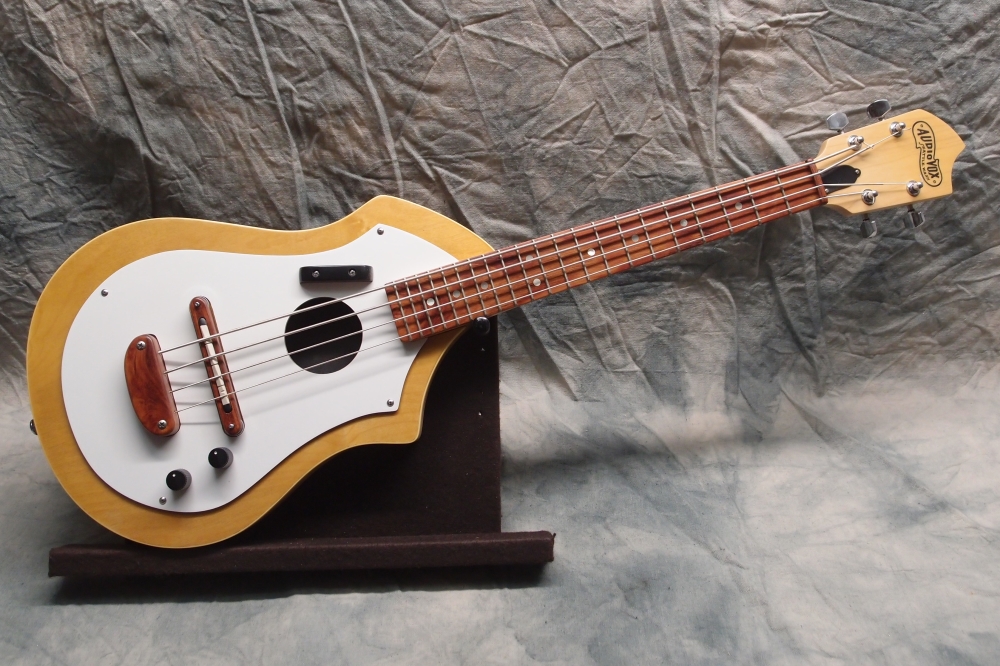
This bass is a 21" scale, with a piezo saddle mounted in an adjustable bridge. The soundhole is just for looks. The strings are metal-wound Kalas. The fretboard is cut out of the ugliest piece of wood I ever received. For such a small neck, I managed to cut around most of the ugly, and the result isn't half bad.
More: Audiovox Uke Bass ...
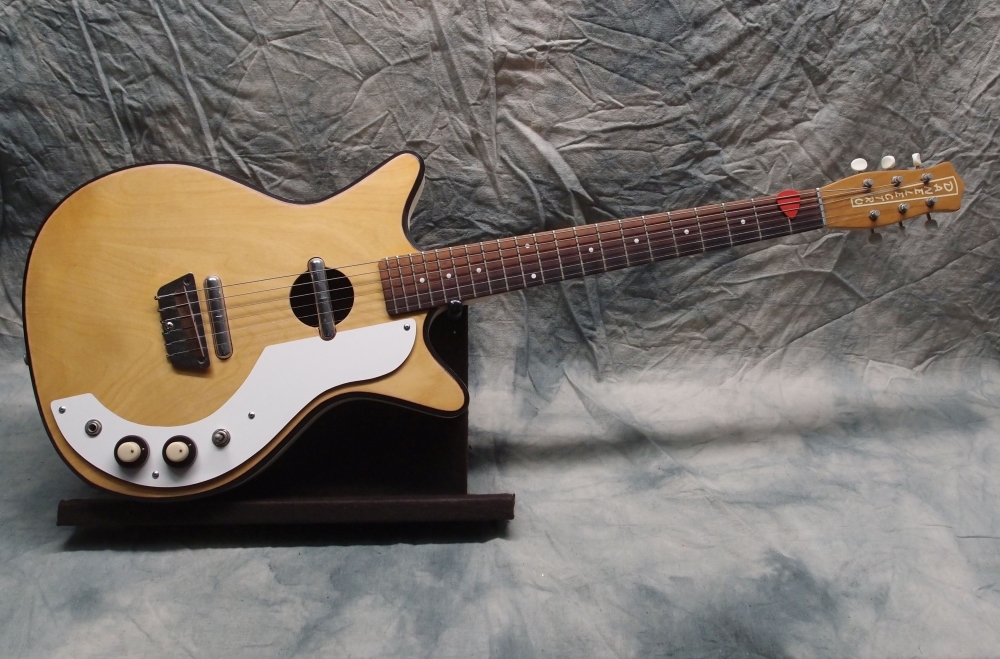
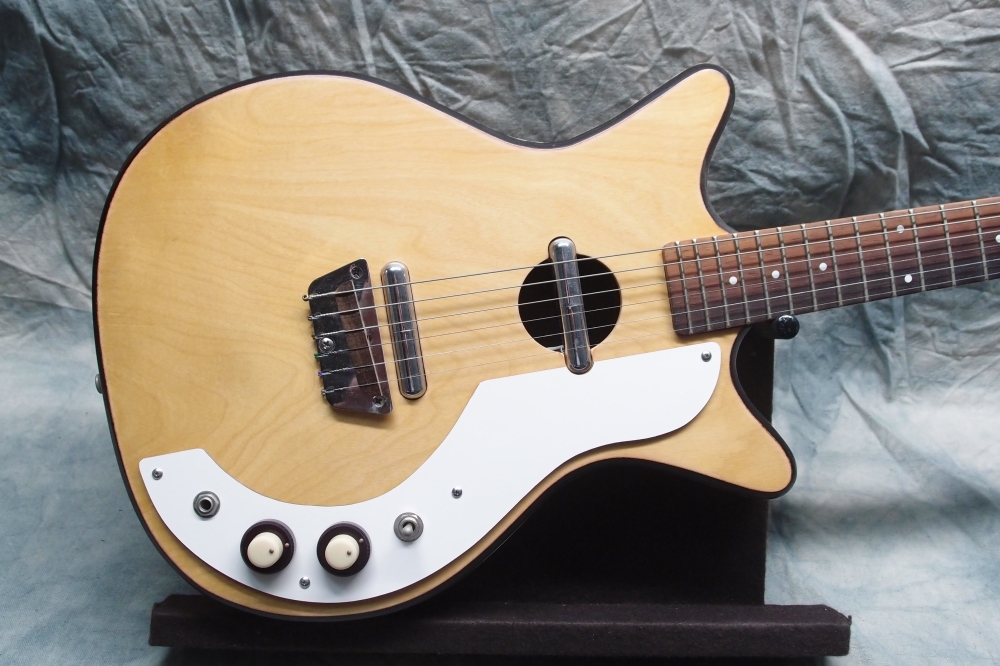
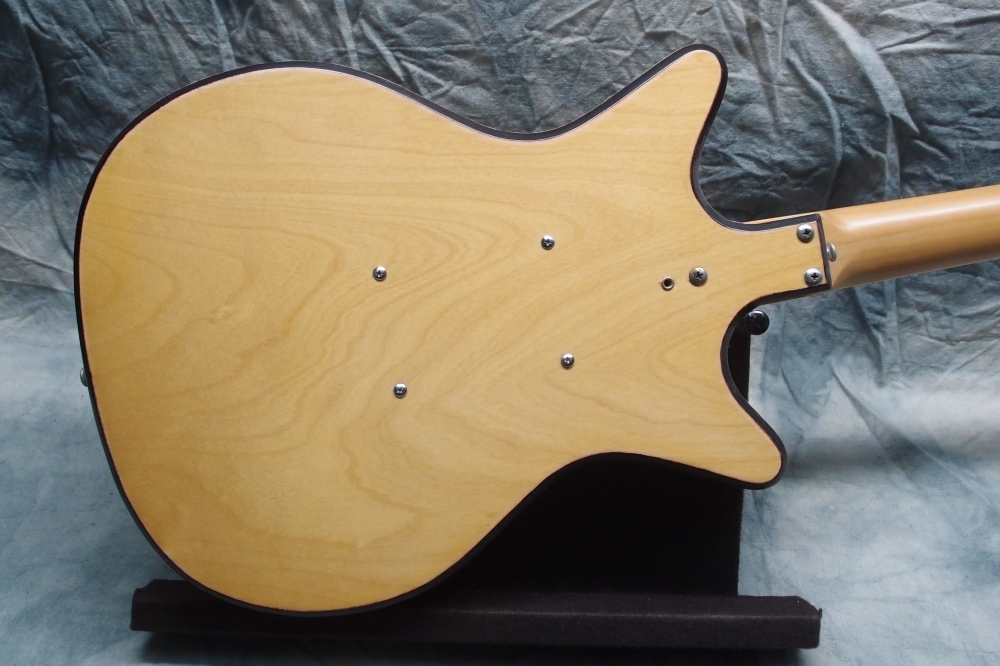
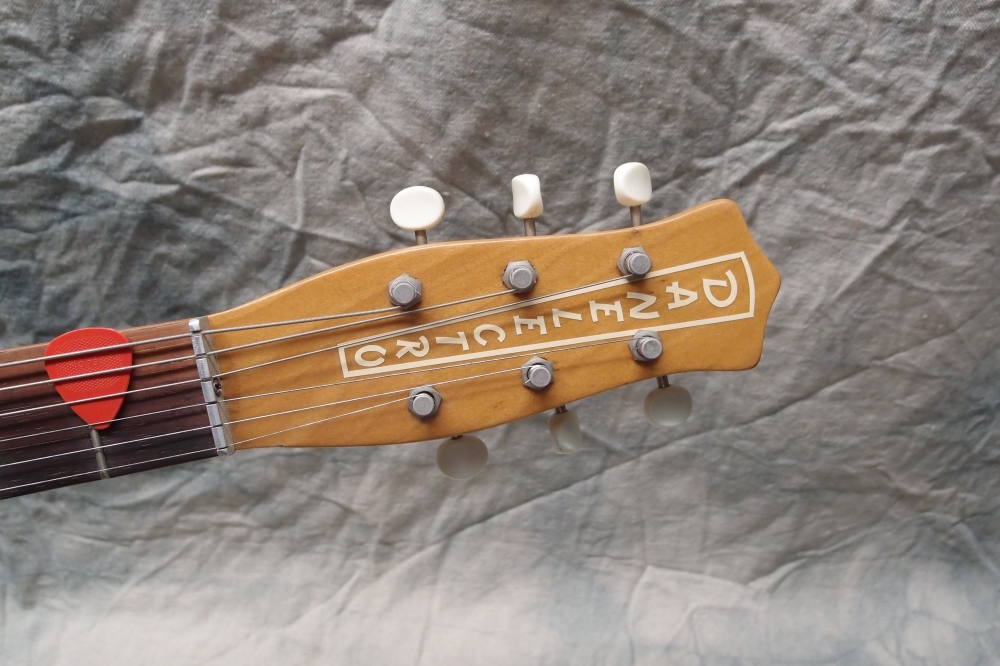
This was a box of junk I got on eBay, originally a vintage Convertible. I replaced the front and back with cabinet-grade birch plywood, as the original mother-of-countertop material is no longer available. I rebuilt it as something like a Companion, which is a very rare model. The neck and sides are vintage, the rest is modern.
More: Danelectro Companion Guitar ...
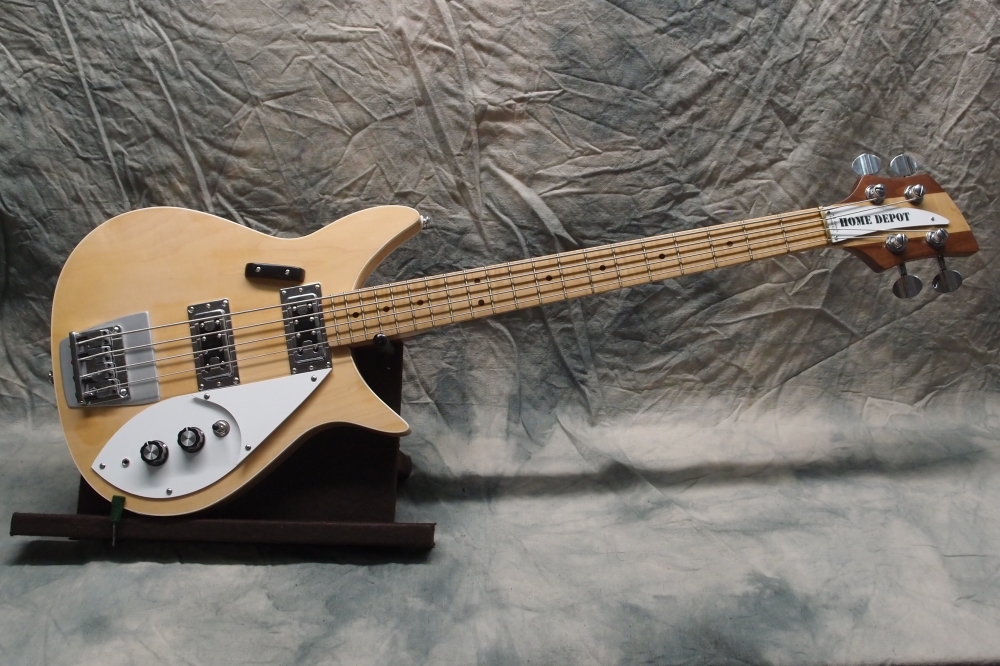
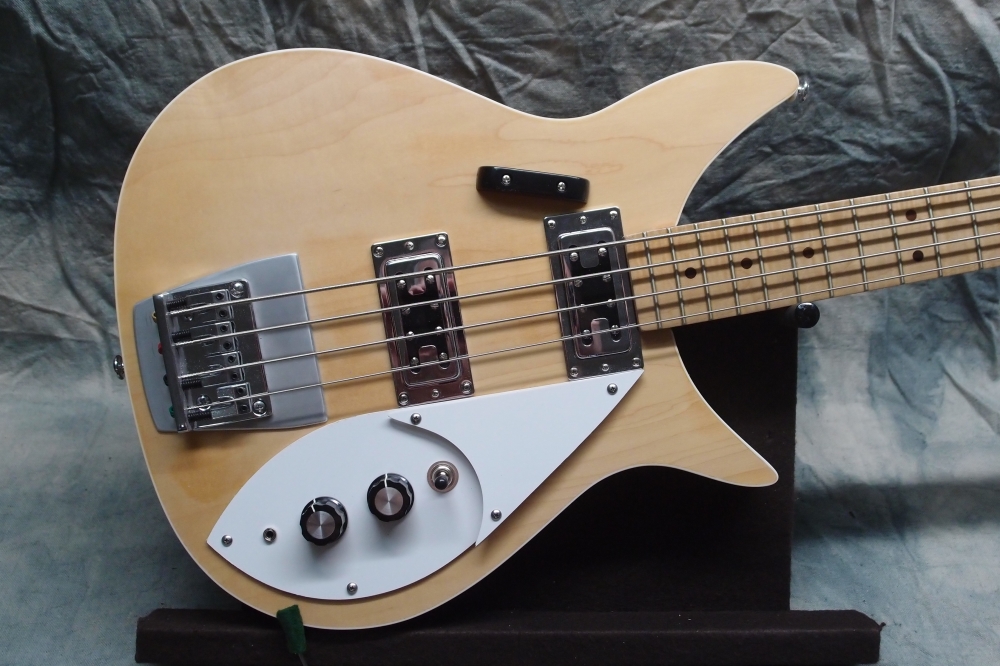
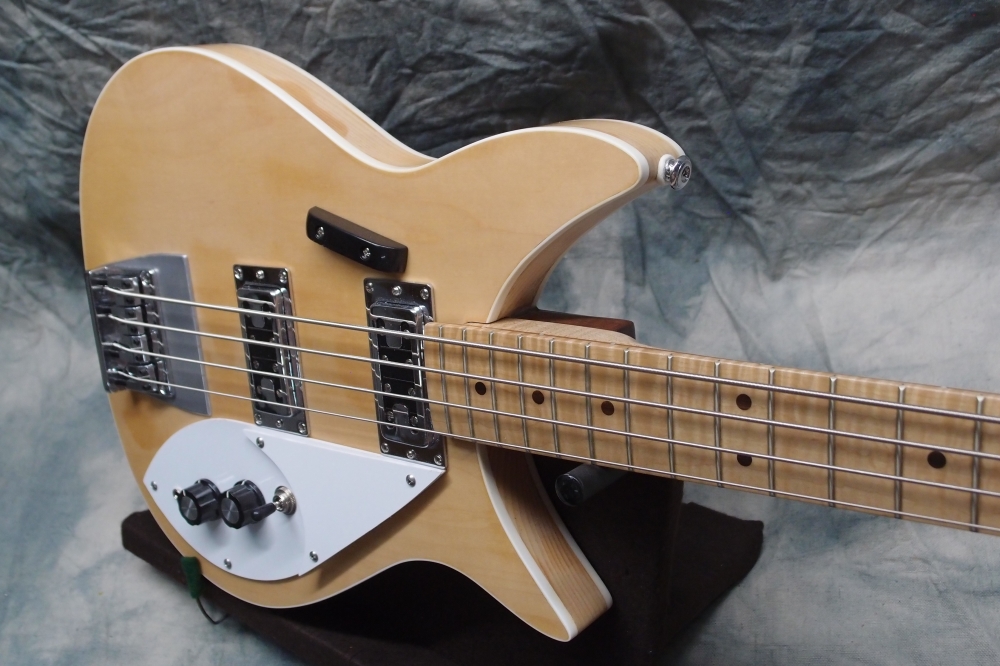
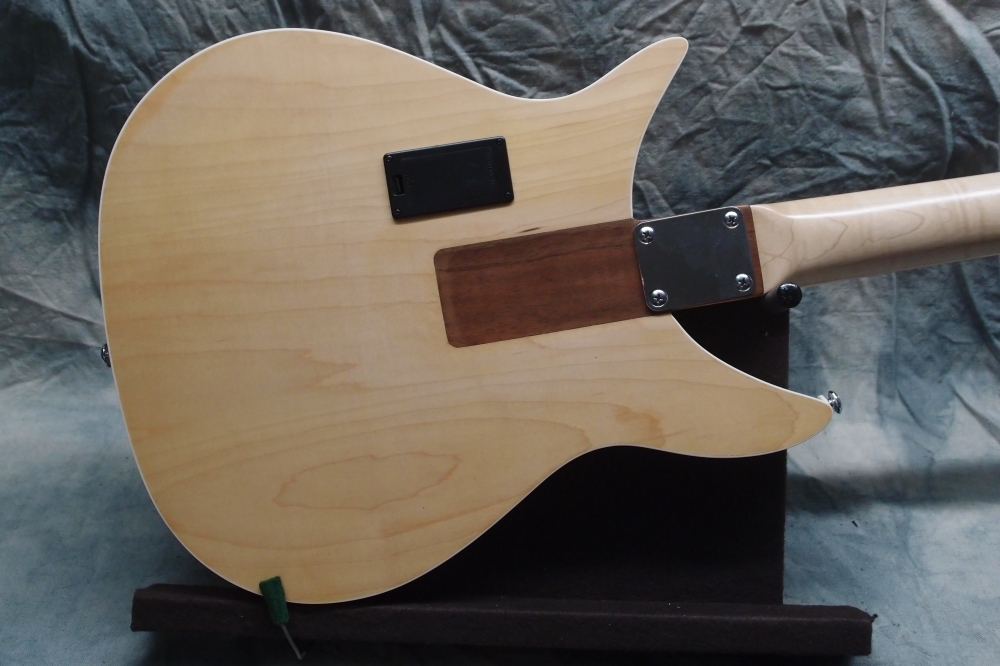
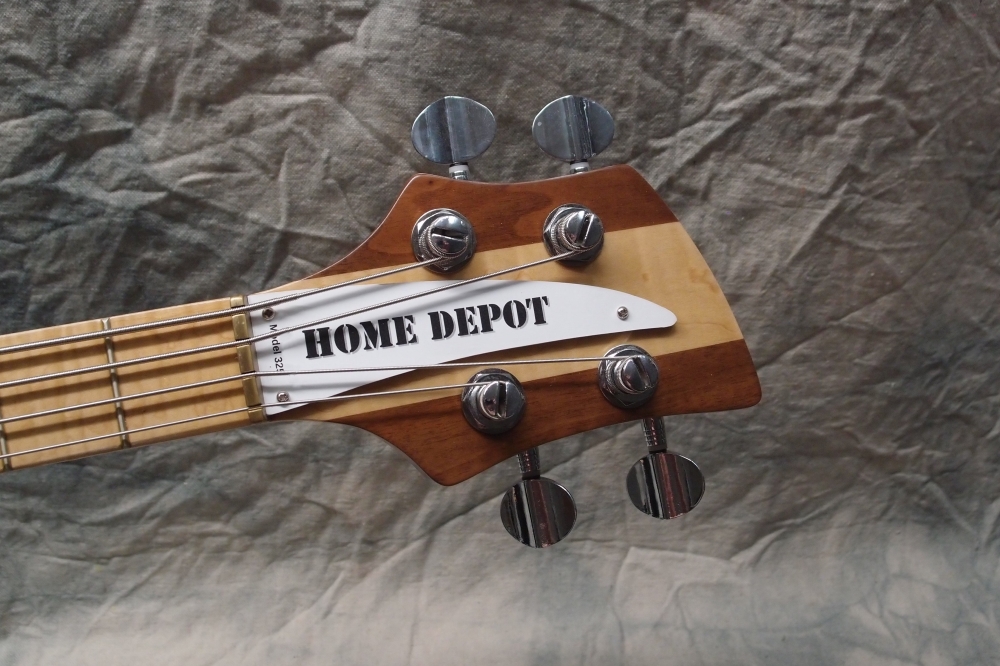
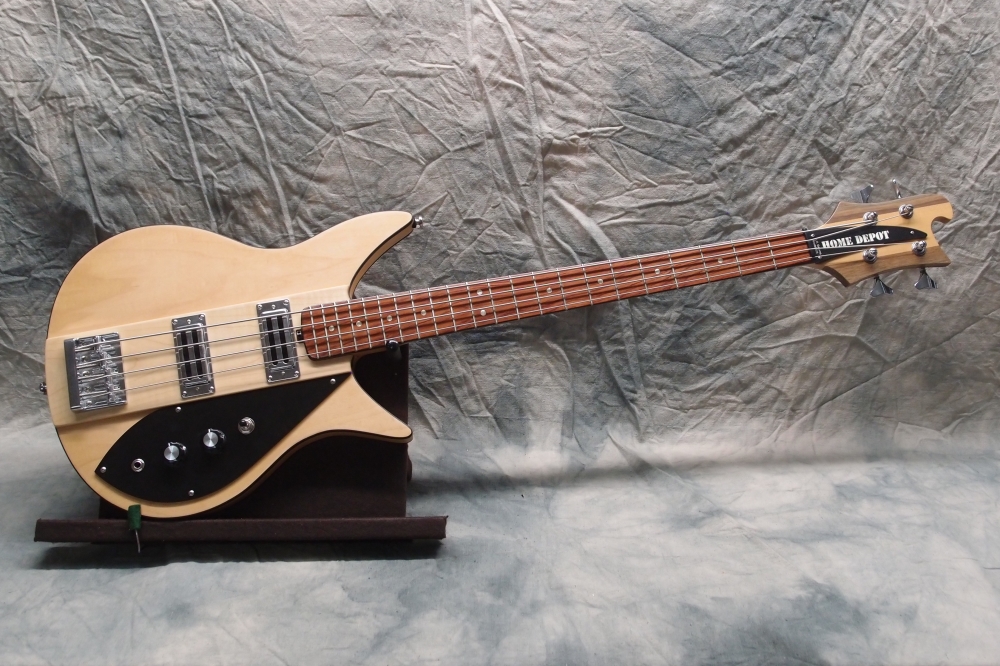
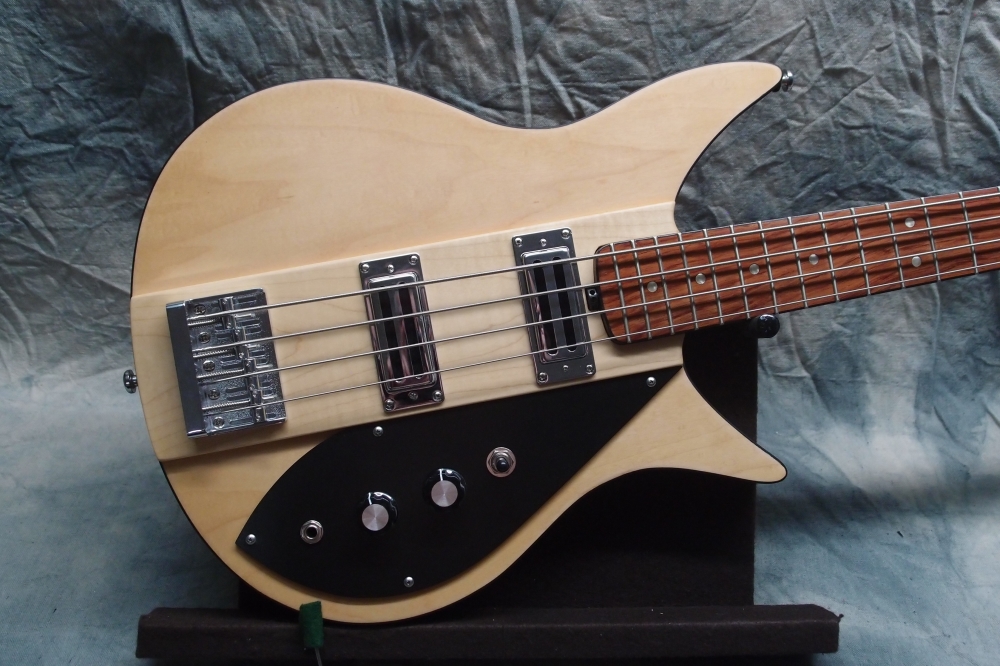
These were my first two tries at a 325 bass. Both are plywood over pine hollow-bodies. The one on the left - #1 - used an experimental neck mounting that I didn't like. The one on the right - #2 - suffered a router mishap. I took all the good parts and built the solid-body, and both of these spent years on the scrap heap.
More: Rickenbacker 325 Bass 1 ...
These were my first two tries at a 325 bass. Both are plywood over pine hollow-bodies. The one on the left - #1 - used an experimental neck mounting that I didn't like. The one on the right - #2 - suffered a router mishap. I took all the good parts and built the solid-body, and both of these bodies spent years on the scrap heap.
More: Rickenbacker 325 Bass 2 ...