Danelectro Pro-1 Guitar (1/2)


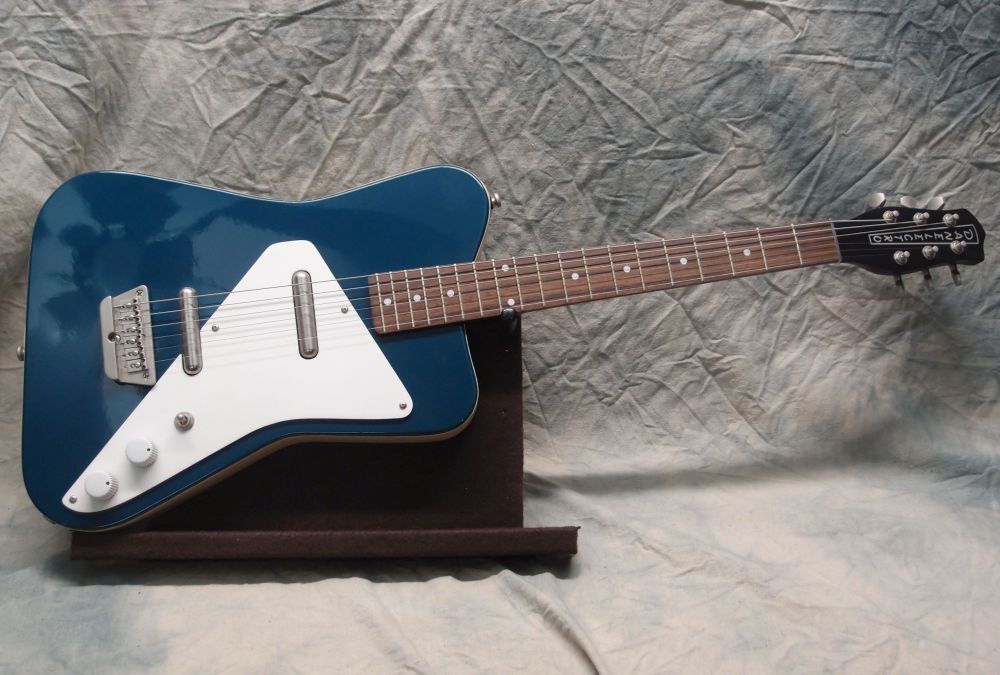
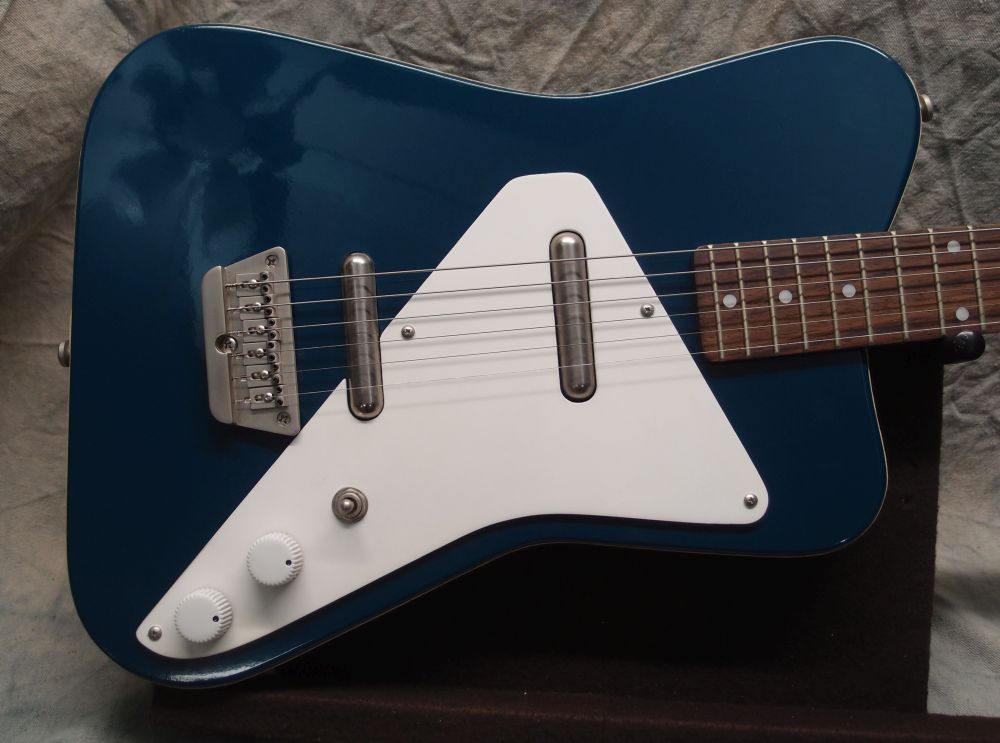
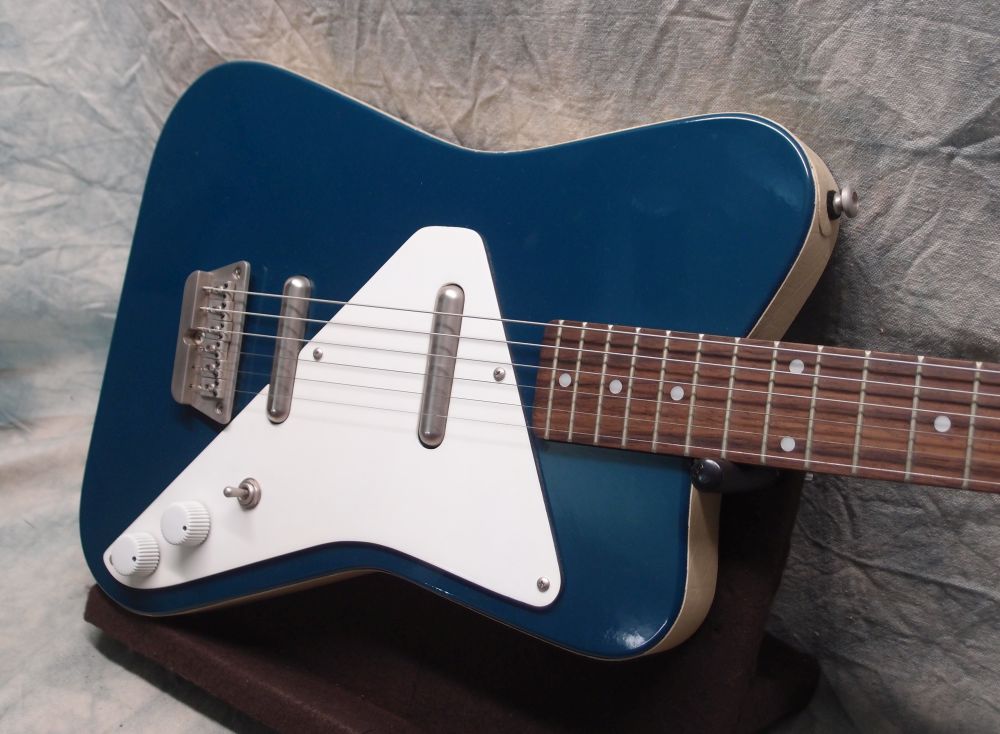


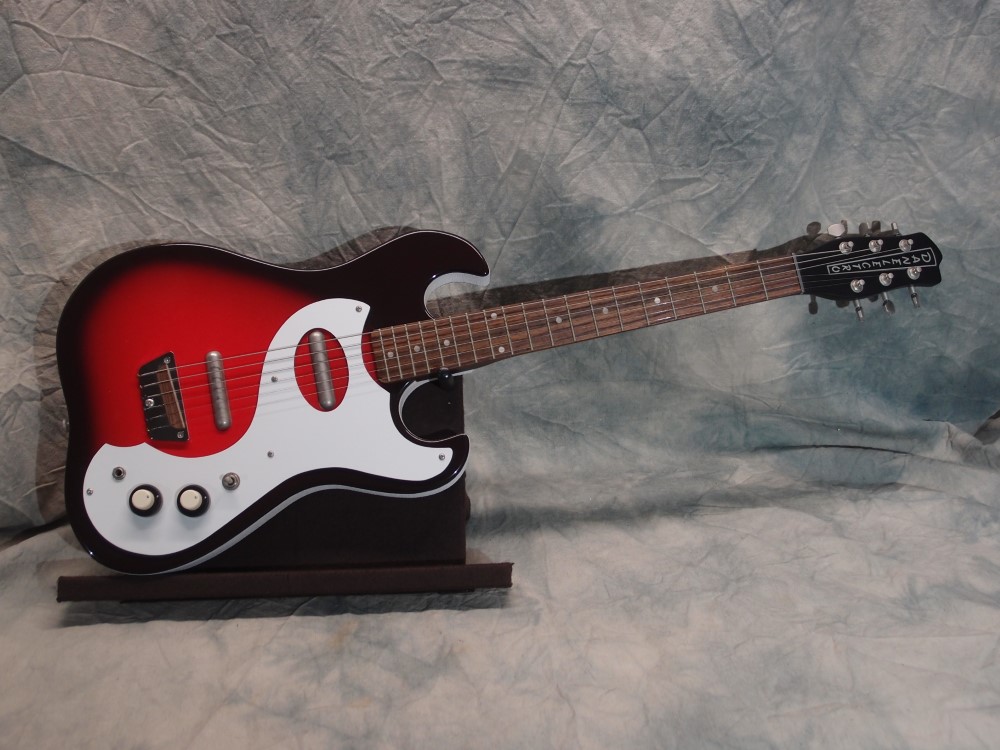
This is a factory guitar, but I have modified it enough that I guess I can call it a project. This is a reissue produced by Evets around 2007. This was not a high point for Evets quality, they had shifted production from Korea to China, and it showed. The reissues from the '90s are Korean-made, and quite nice, and this guitar is not in the same class. That said, it's not terrible either, but there's quite a bit to go into. Evets eventually shifted production back to Korea, and the quality went back up.
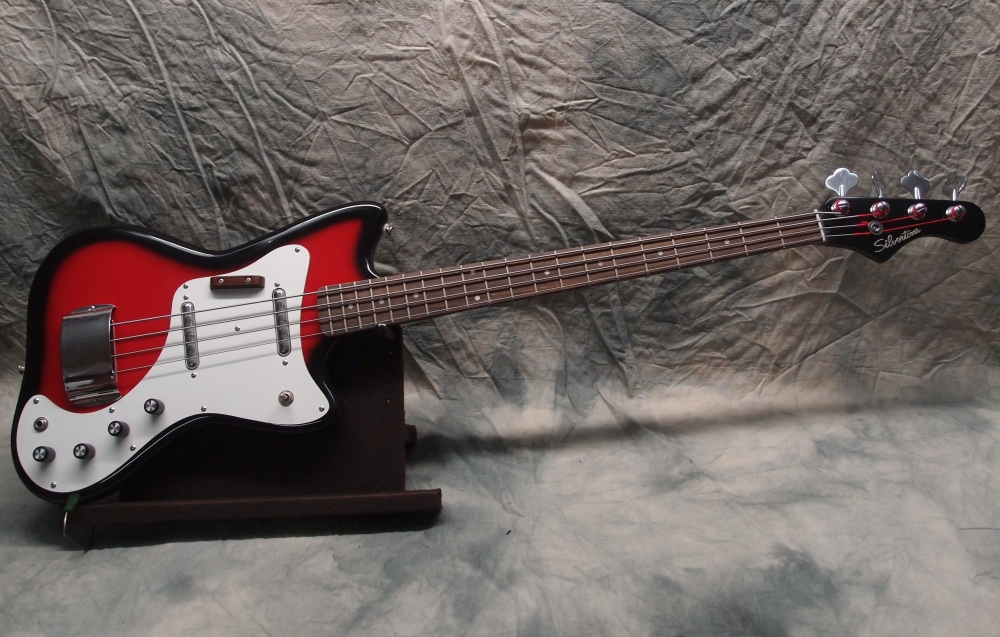
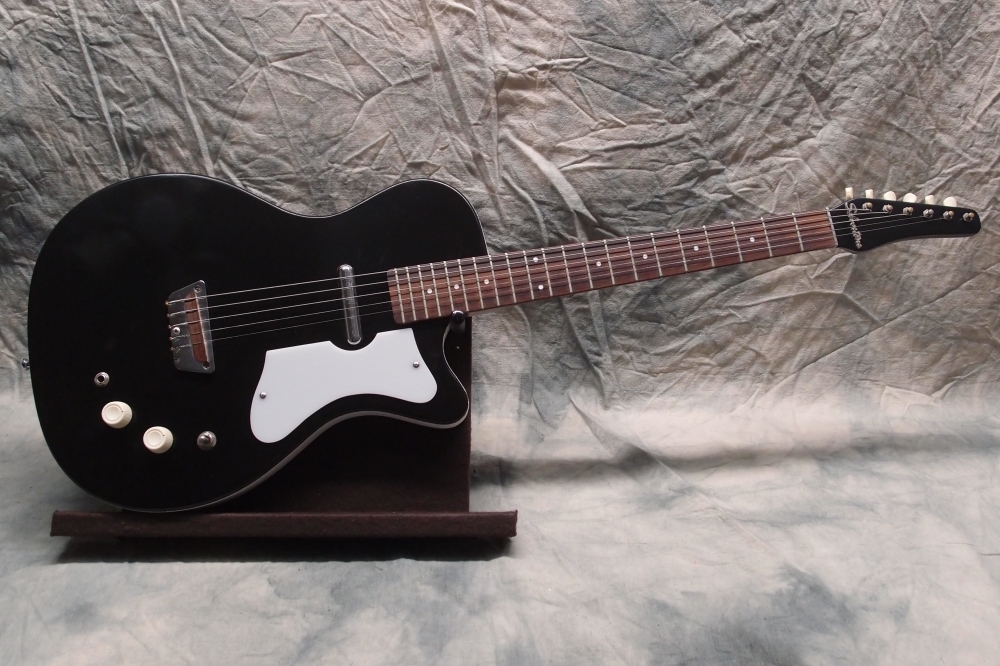
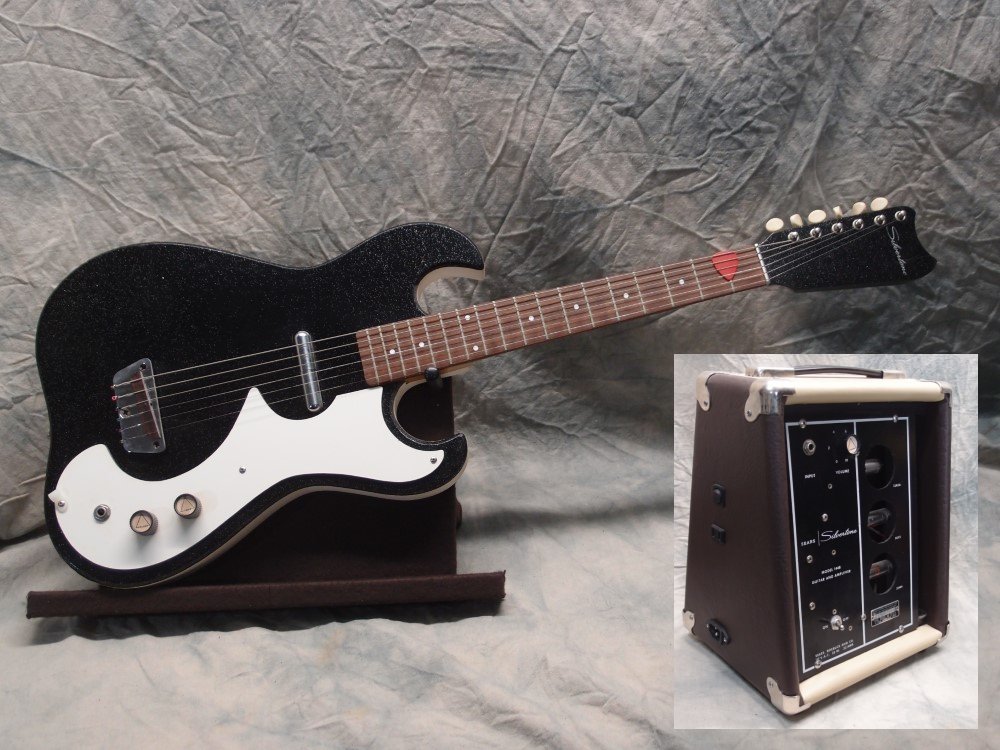
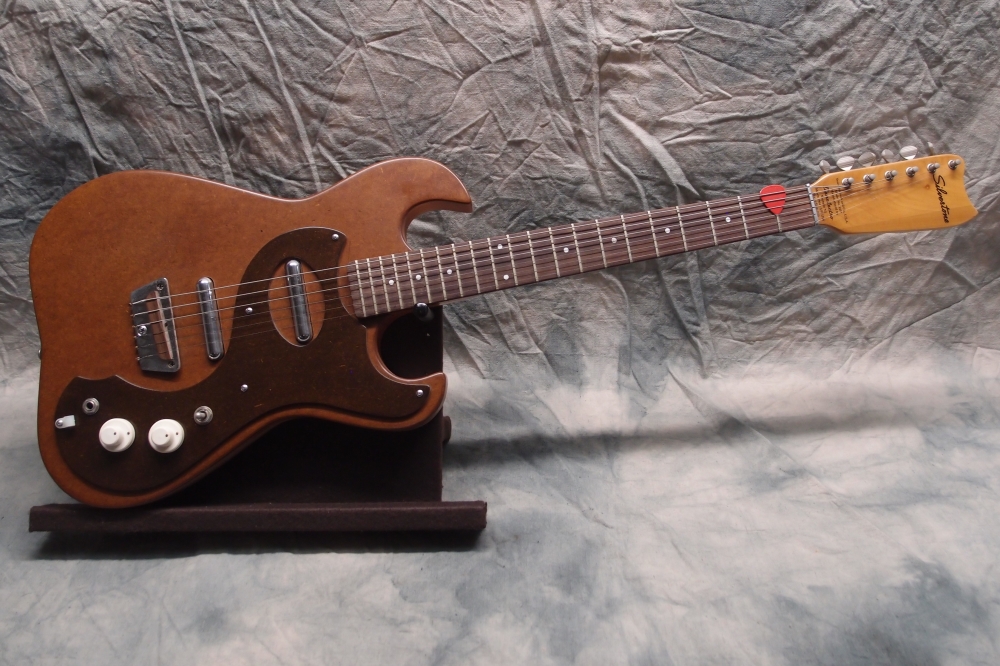
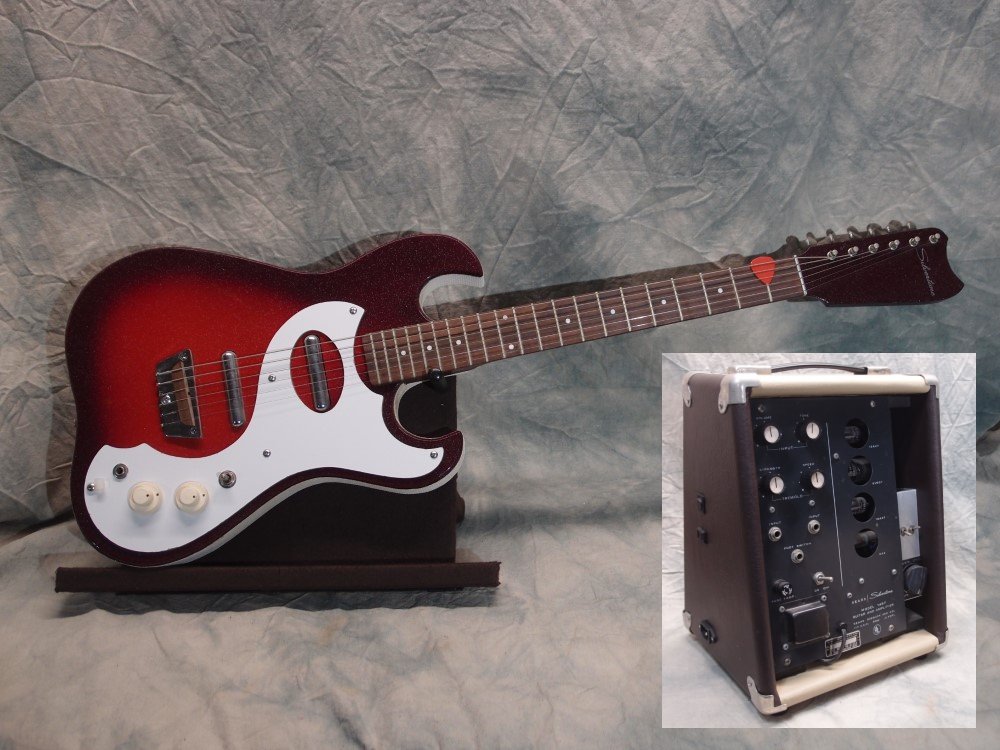
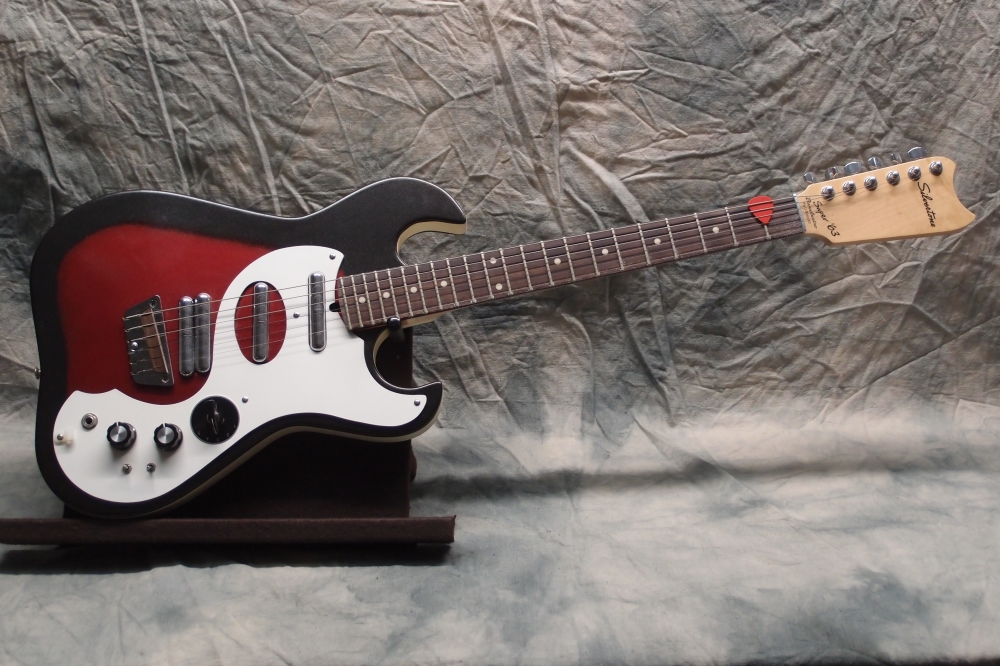
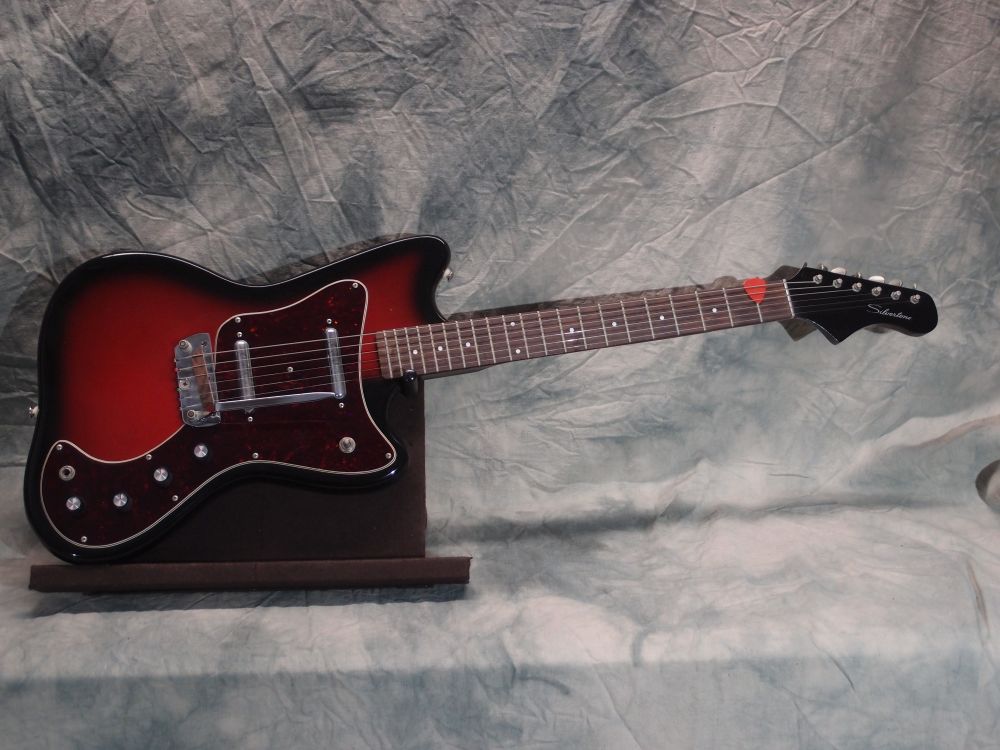
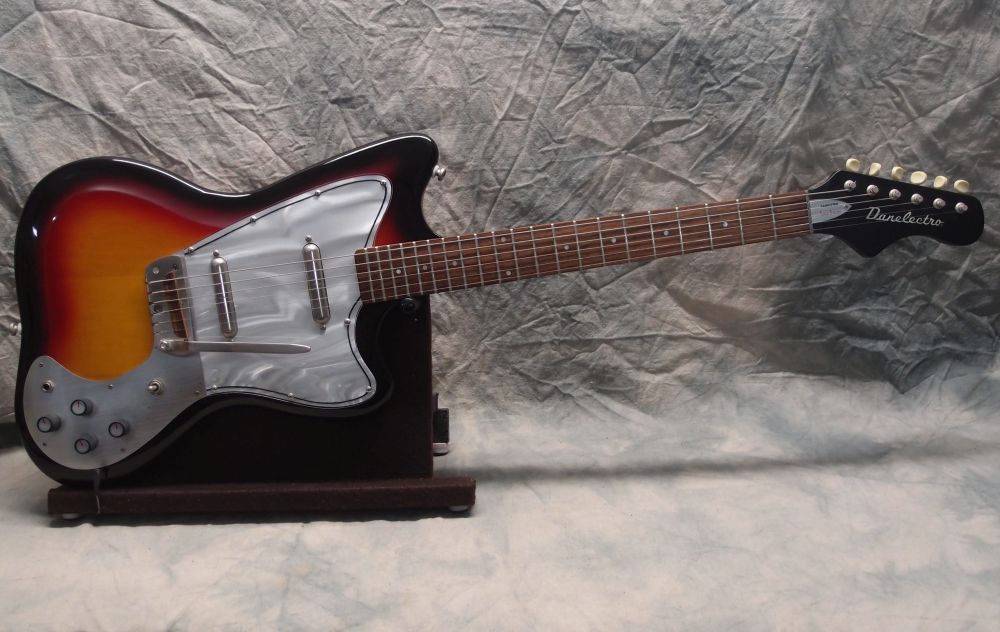
This is not a true reproduction of a vintage Danelectro "Pro-1", sometimes known as the "Flintstones Guitar", although it was never featured on the cartoon. Strangely, it was also never featured in any of Danelectro's printed catalogs! Here are some pictures of a real one, selling for around $1500 !
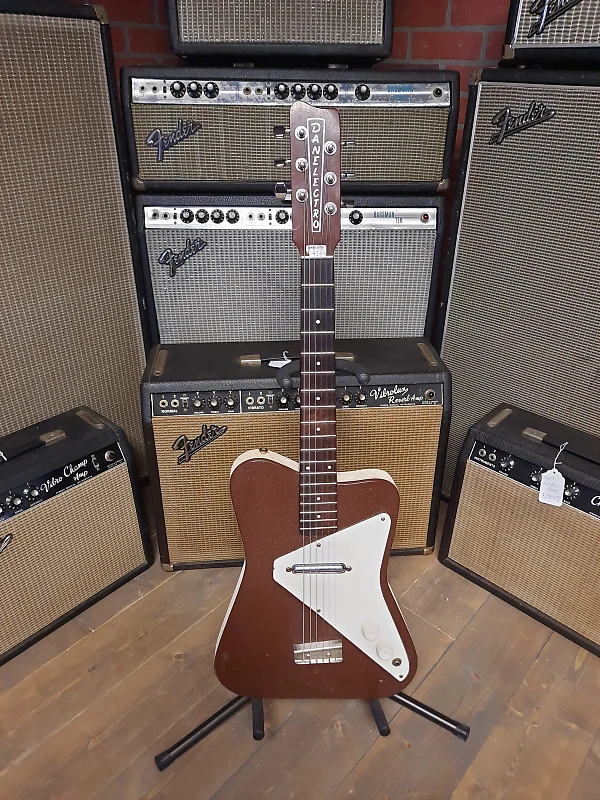

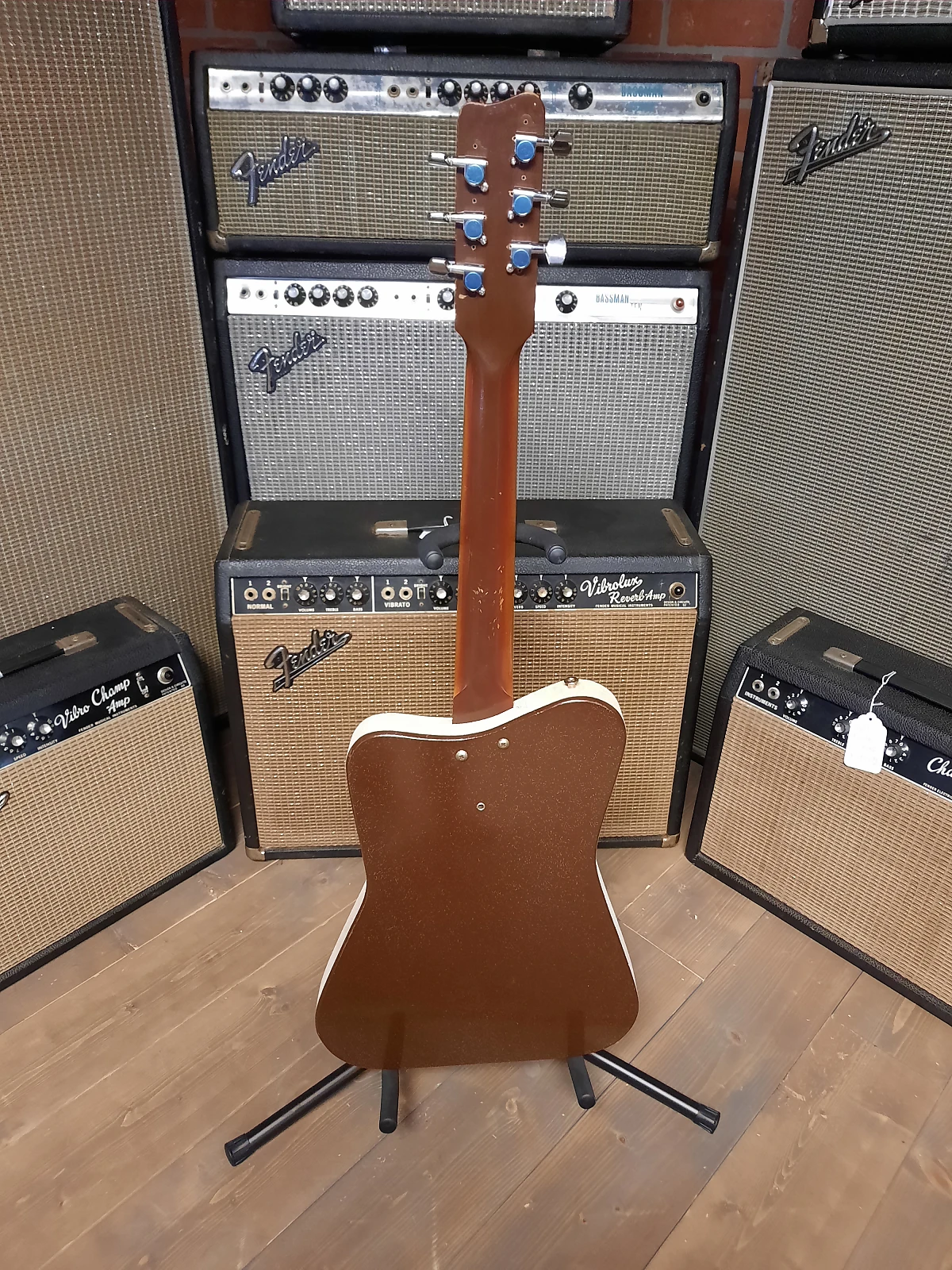
This one has had the original open-back strip tuners upgraded, but retains the vintage bridge - a one-piece metal stamping held on by two screws. Action adjustment is done by a set-screw on the back that tilts the neck, which is held on by just two screws. Intonation is fixed, like an acoustic. The body is classic masonite over poplar, and the neck is poplar with fixed truss rod and a 24" scale. With this model, Danelectro had finally squeezed every last bit of cost out of an electric guitar.
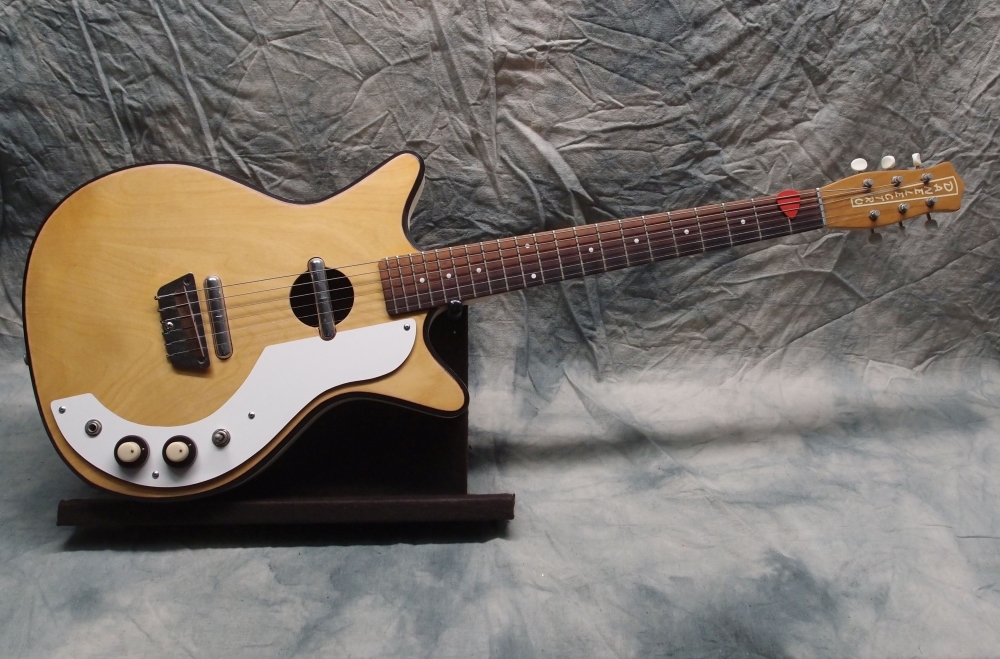
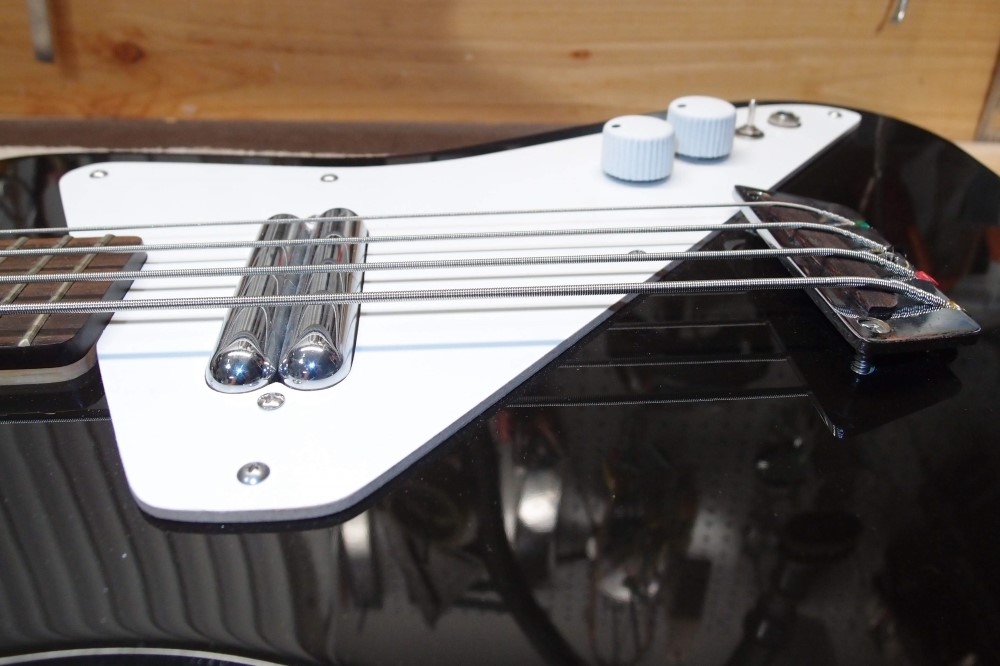
The Evets reissue is a much more conventional instrument, in line with their other production, with a 25" neck, two lipstick pickups, and a reissue-style bridge. This model sold poorly, and after a few years you could find them languishing in inventory and pick one up cheap, which is what I did. And that's when the fun started.

and ugly yellowed pickguard, which I also fixed
First of all, my guitar is shiny blue, but these were all finished with a matte coating that was popular in those years, Lord knows why. The matte finish is a very thin layer of what is known as dullcote in the scale model business. Underneath, the finish is shiny. The problem is, sooner or later the dullcote is going to wear through someplace, and you end up with a shiny spot. This could happen just from ordinary use, but most likely will occur in shipping, as the packing will rub through in at least one place. Every dull guitar I have ever seen has a shiny spot somewhere. Dullcote is fragile.
What do you do about that? You can't polish it out - that will only make it worse! The only thing I could think of was to strip off all the dullcote and shine up the whole thing. So, without knowing if this was even going to work, I had at it, attacking it as I would a new polyurethane finish. And that worked perfectly, as you can see, the guitar has a beautiful shine, with a bit of orange-peel that I can live with.
The metal hardware also has a dull finish, I think they called it satin chrome? I gently rubbed the pickups and bridge to a bit of lustre, but I'm not sure what would happen if I really went at it, that might not be real chrome at all.
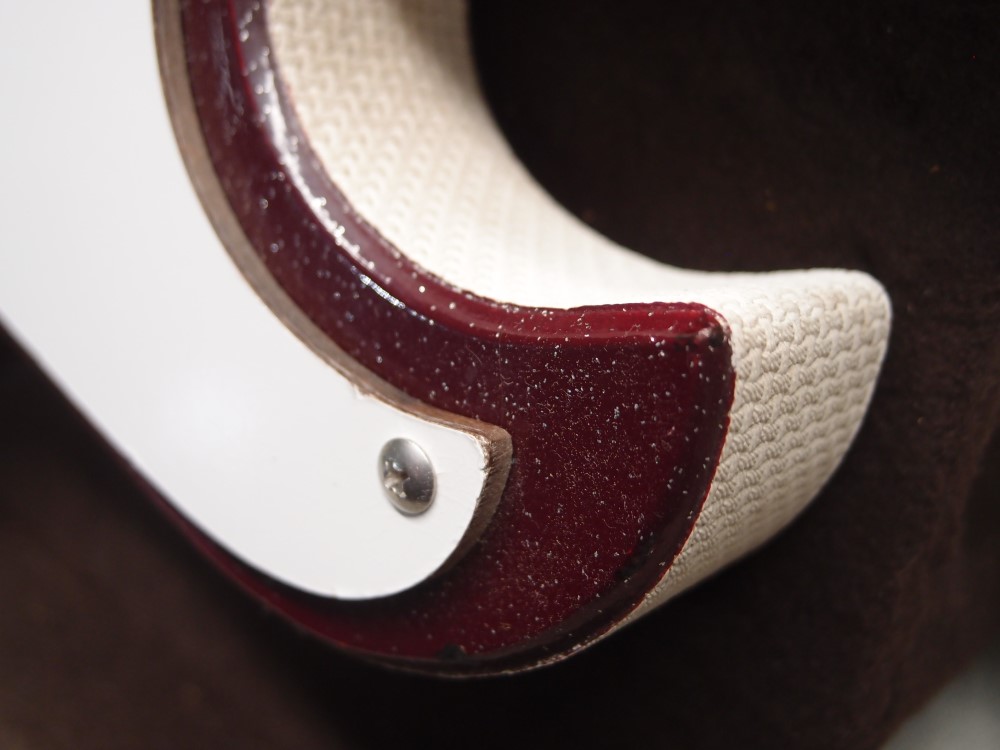
Of course, the binding started to pull out of the inside corners, even on this body shape. So I pulled it off, and in the process found out how easy it is to pull chips out of the finish. Like I said, the quality is not the best. Fortunately, most of the damage is on the back, and it doesn't look too bad after I colored it in. I could do better with the right shade of nail polish. I sanded the sides down to bare wood and replaced the binding with new Tolex, attached with water-based wood glue. That will last forever.
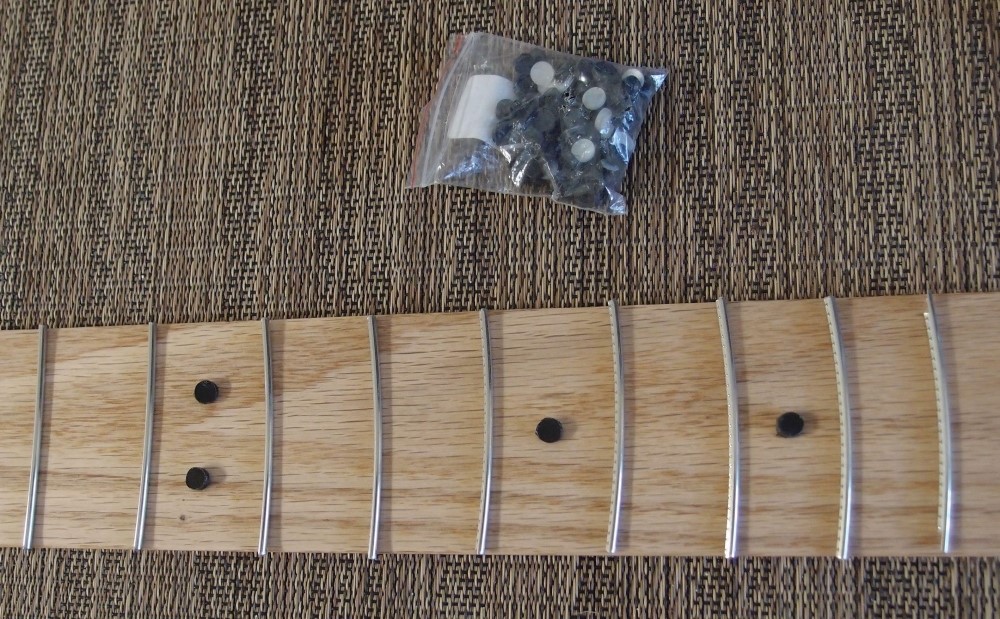
Before I did any of this, though, the guitar had one real serious problem that had to be fixed - the neck. I wouldn't say it was warped, it was bent. No amount of adjusting and fret leveling were going to fix it, it was just plain crooked. That kind of thing would never have made it past QC in Korea or Japan, but there is no such thing as quality control in China. So I called Marcy at Evets, and she sent me out a nice new neck under warranty. I transplanted all the hardware, and good as new. I even carved the truss rod out of the old neck for some future project.

Questions or Inquiries?
Just want to say Hello? Sign the .