Gibson Projects


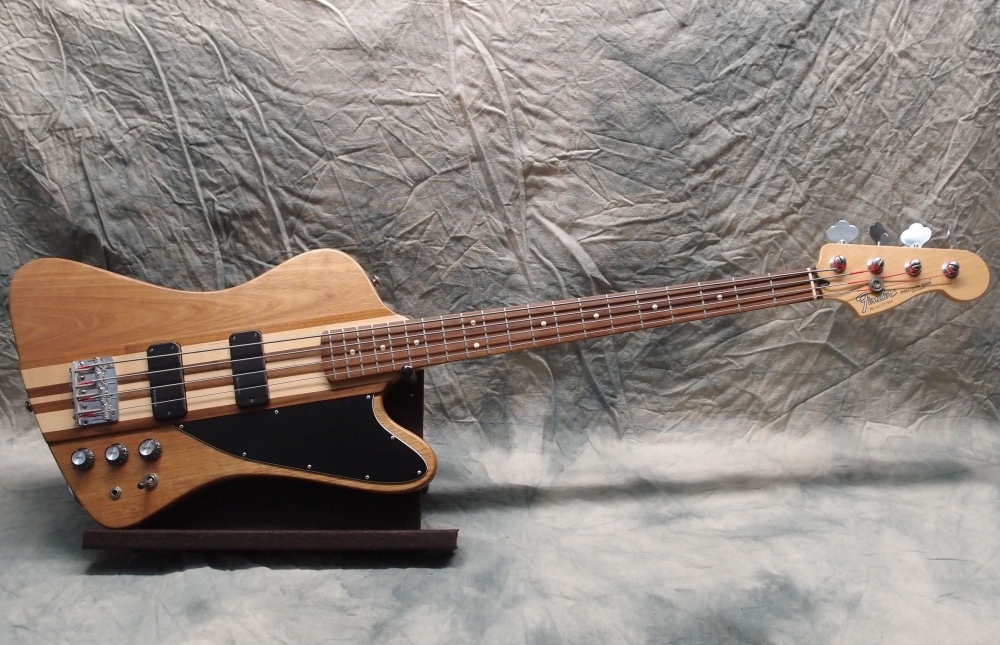
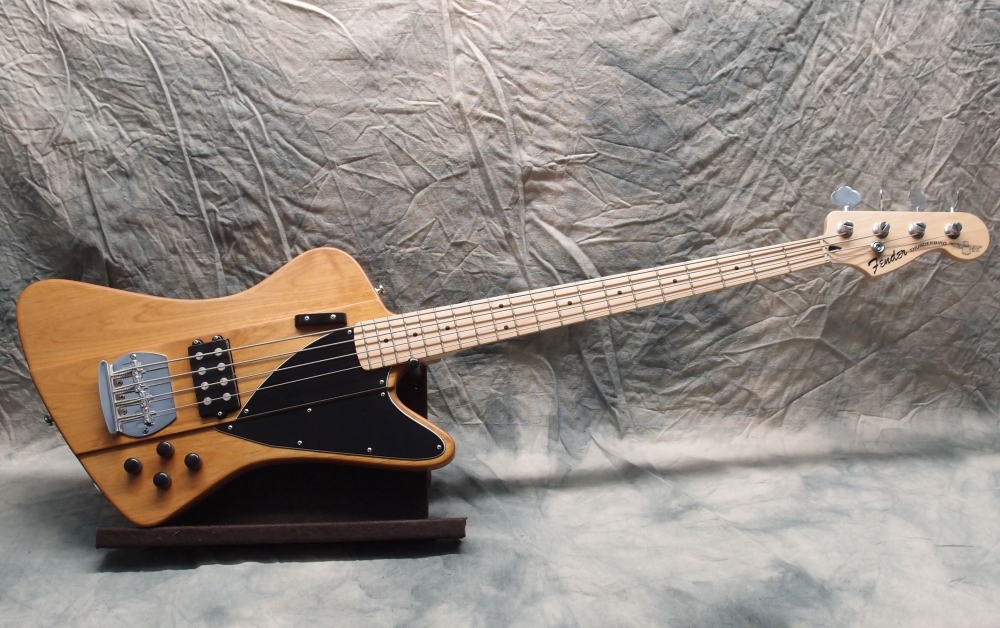
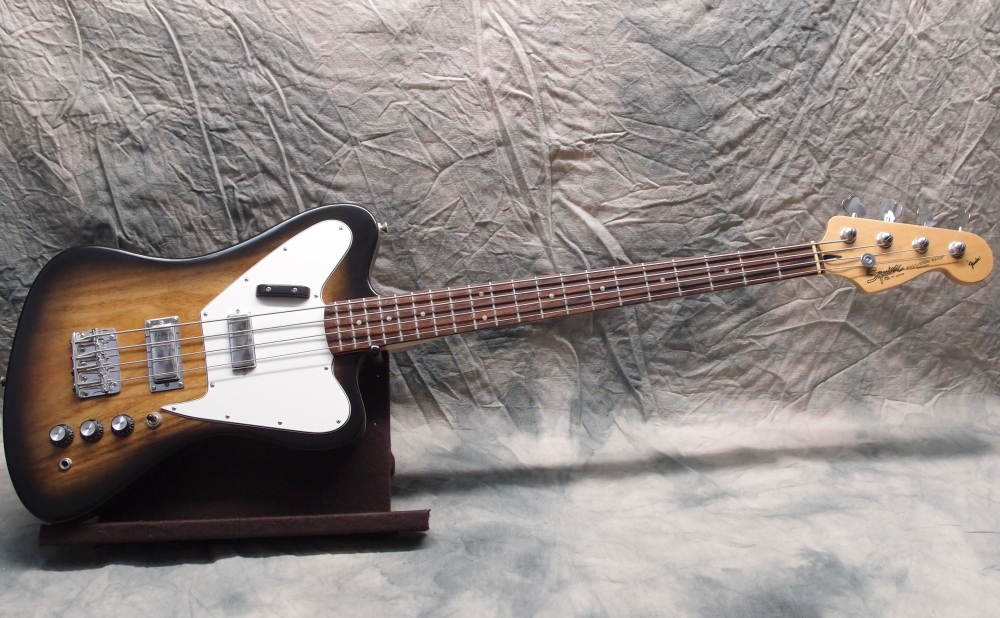
The "Fenderbird" is a mash-up of a Gibson Thunderbird body and a Fender neck. You'd expect such a thing to be a mutt, but this mutt comes with a great pedigree - invented by no less than John Entwistle of The Who.
Of course, Fender and Gibson aren't going to collaborate on this, so if you want one, you pretty much have to build it yourself. This is a fun project that is not terribly difficult or expensive, with all the appropriate bodies and necks floating around on eBay just waiting for a Dr. Frankenstein to sew them together.
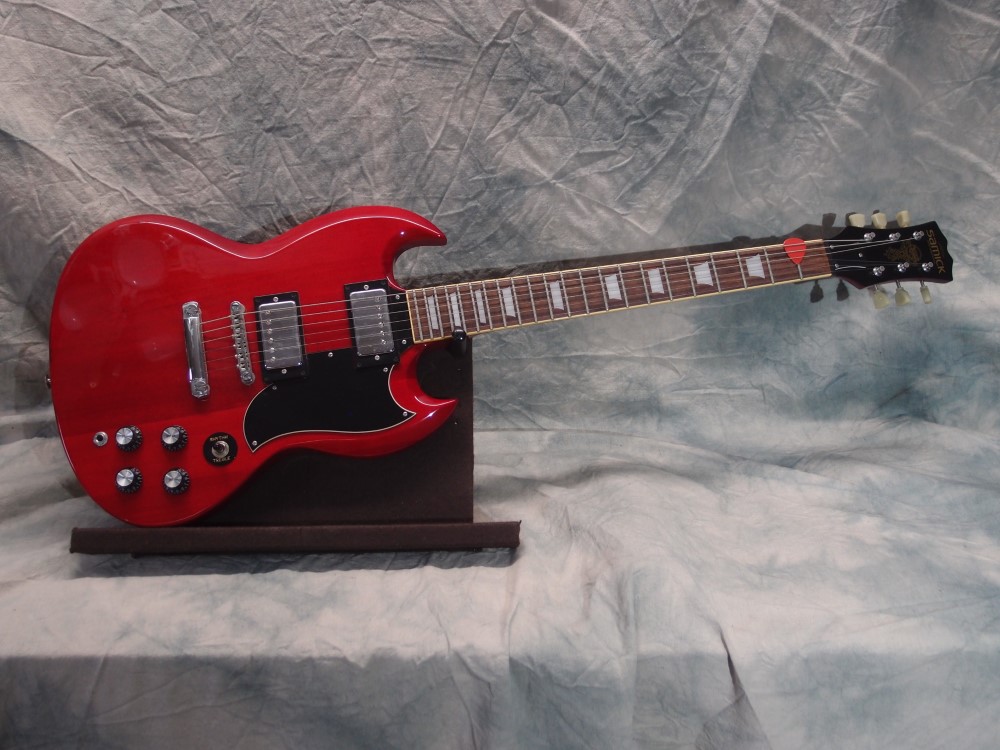
The funny thing about Firebirds & Thunderbirds is that Fender complained about the body shape on the right being too much like the Jazzmaster, which takes a lot of imagination. So Gibson flipped it over, resulting in the body shape on the left, which is a dead ringer for a Jazzmaster. At which point Fender just dropped the matter, and eventually Gibson went back to their original body.
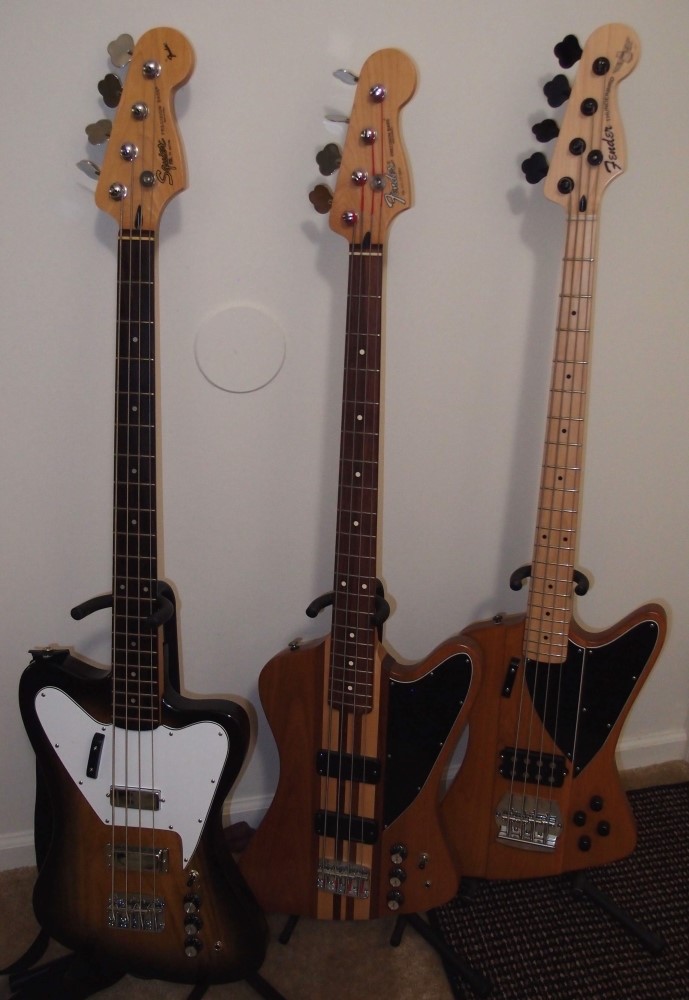
A flock of Fenderbirds
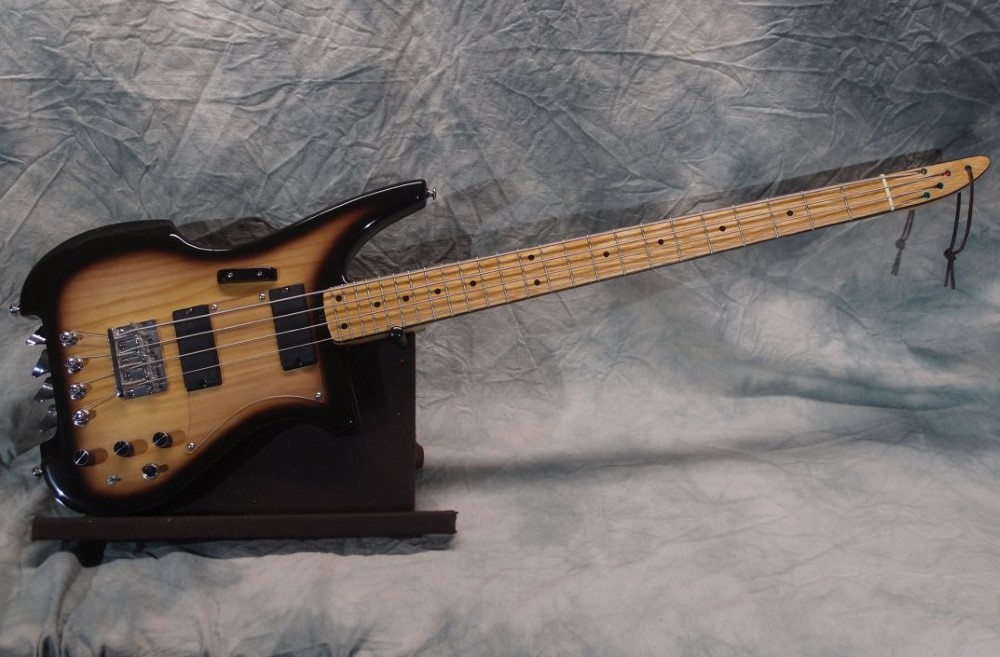
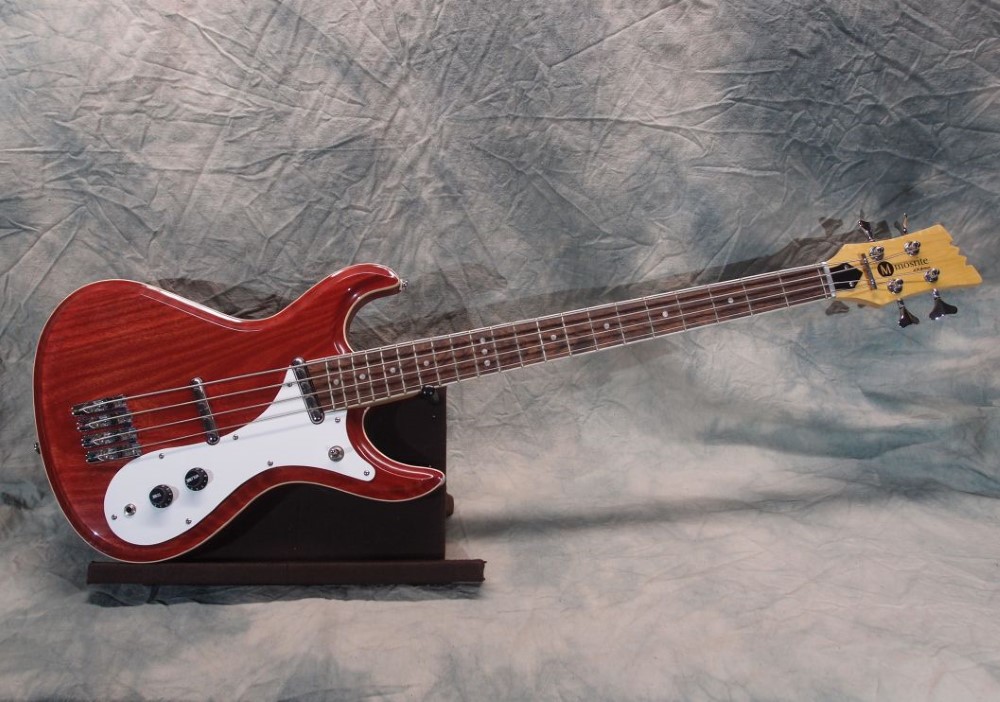
In the center is my "Epi-bird" with an Epiphone Pro-4 body and a Mark Hoppus Precision neck. On the right is ... I just call it Fenderbird 2. Oiled cherry wood body, MightyMite Jazz neck, and Musicman hardware? On the right is My Reverse Thunderbird.
All have active electronics with master volume, bass & treble boost/cut, and passive bypass. Epi-bird has a 3-way switch for the stock humbuckers. FB2 has a 4-way rotary switch for all the possible modes of the pickup: neck-series-parallel-bridge.
The Epi-Bird's neck is sunk pretty far into the body because the original instrument is a neck-thru design with no heel. Even using strategically placed bushings instead of a plate, the neck just couldn't be mounted any other way. On the plus side, reach and balance are much better than you'd expect.