Doing Things Wrong

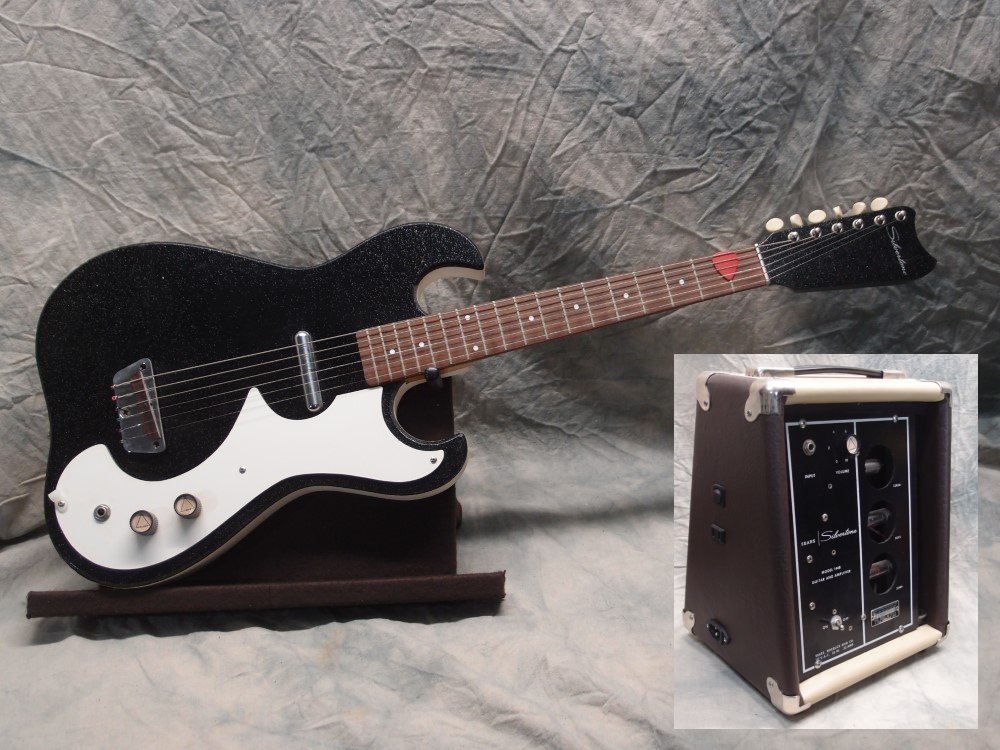
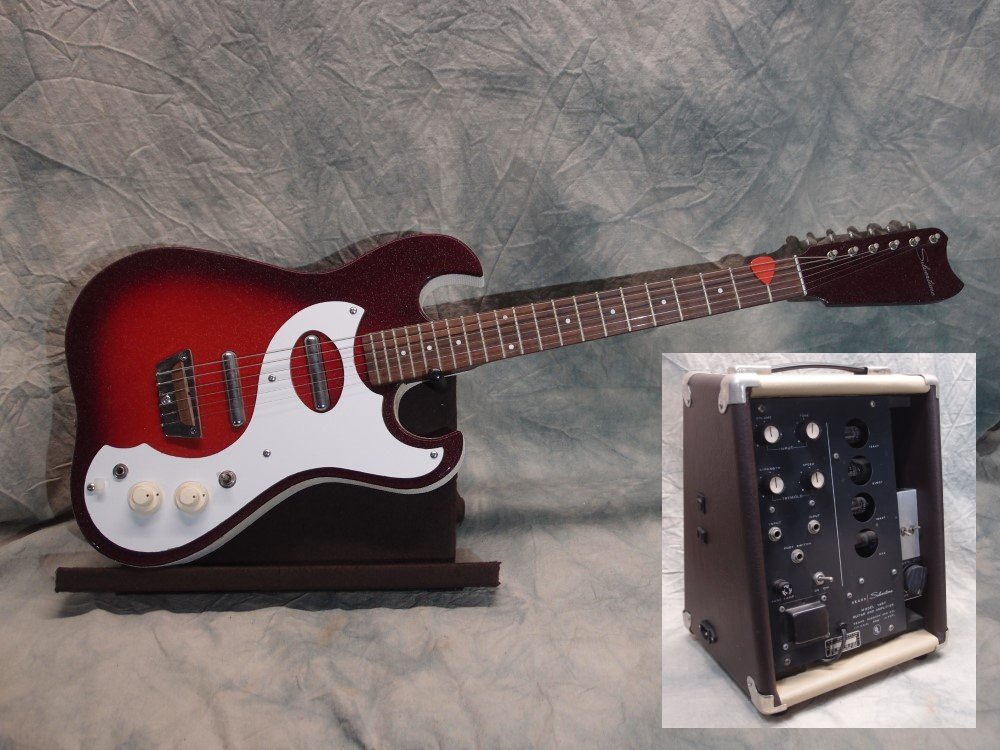
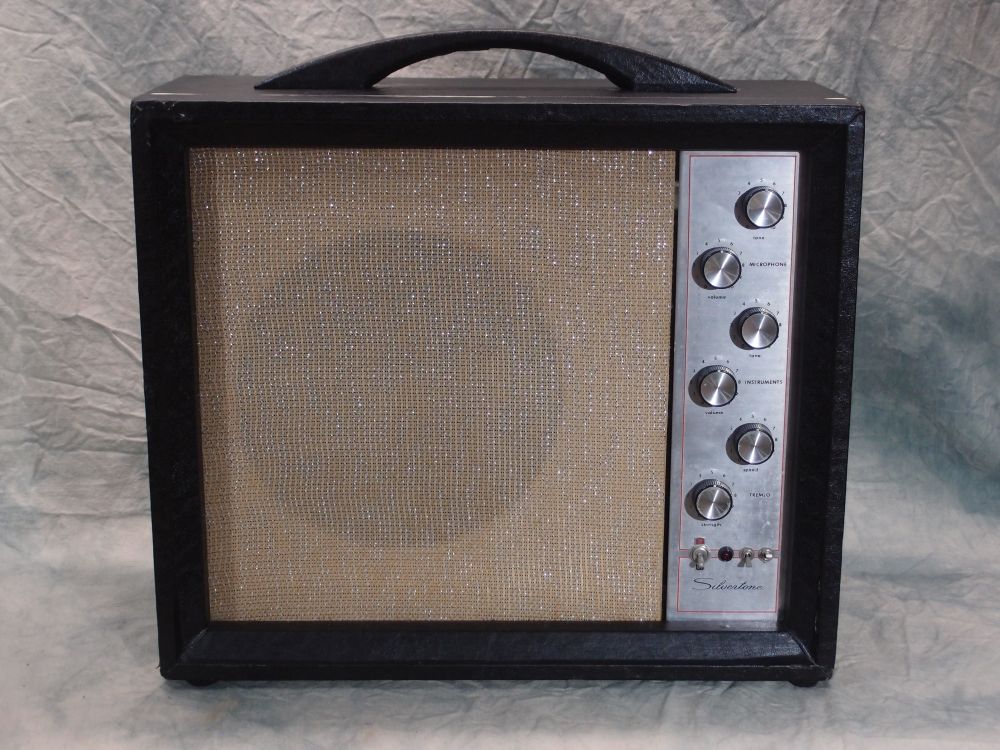
Silvertone 1472 Amplifier (3/3)

A recap and repair of a 1432 amp, the predecessor of the 1472. A lot of rotten Sangamo capacitors, some mis-wiring, and a tired speaker.

Although the 1432 is very different in physical design, the circuit is almost identical to the 1472, especially the pre-amp, tremolo, and power output section, which is classic auto-biased Danelectro. Nathan Daniel was a much better electrical engineer than Leo Fender (who was in fact a repairman, not an engineer.) The only difference I see at a glance is the rectifier tube.

Here is a case where you get away with not replacing all the capacitors, in an even-older Silvertone amp. Those green barrels are actually Micamold Tropicap capacitors that are better than equally-green Sangamos, but probably should have all been replaced just on principle, especially since she went to the trouble of re-soldering everything anyway. This circuit also looks very similar to the 1472, although it uses an earlier generation of tubes.

One thing you'll notice in these videos is that at no point do they use an oscilloscope. These amps can be rebuilt with just a multimeter. This is not true for amps that require re-biasing.

 1 2 3  

Comments on Silvertone 1472 Amplifier

Questions or Inquiries?

Just want to say Hello? Sign the .

Submit a Comment

Your email address will not be published. Required fields are marked *


Click image to replace if unable to read.

Enter the digits from the image above, except for the last one:

This site uses Akismet to reduce spam. Learn how your comment data is processed.


image

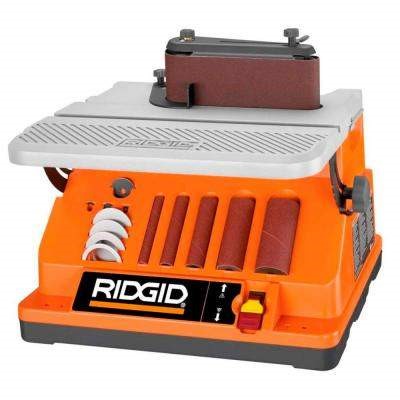
The belt attachment is what makes it far superior to an ordinary spindle sander. Belts have a far greater working area than the small cylinders most spindle sanders have. They last longer and are cheaper to replace, and are available in a wider variety of grits. The #36 belt is ideal for removing material to make a rough shape, then clean up with a #80. The big end of the belt drive is a 2-1/2" diameter, which turns out to be by far the most useful part of the machine, and exactly matches many of the curves on a Fender neck. Of course, there are smaller spindles all the way down to 1/2" for tight spots. The flat on the belt will cut reasonably straight for small parts that fit entirely in it, but anything that overhangs the ends is going to be gouged by the rollers unless you are very careful - light touch and always moving the workpiece. It's good exercise.