Doing Things Wrong

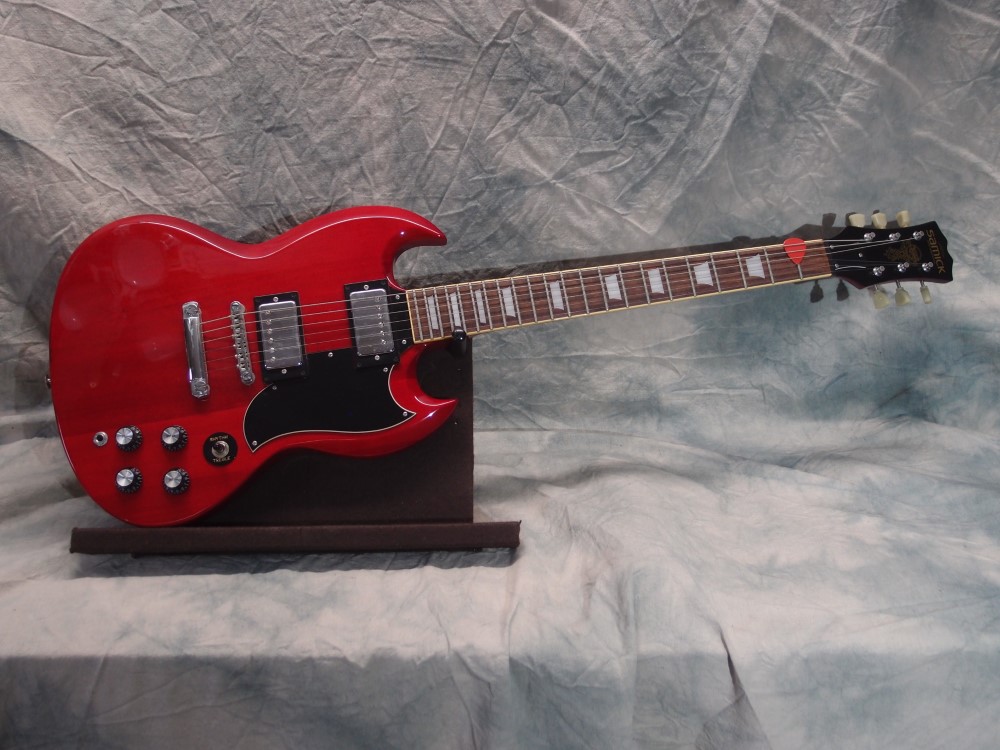
Samick Artist Series SG450 (2/2)
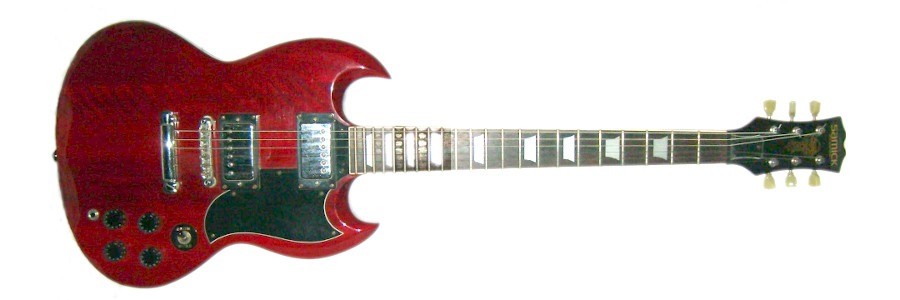
This is what it would have looked like originally, with the ugly speed knobs

I found these specs online:

Body:

  • Beveled, solid Alder body
  • Thin Polyurethane finish

Neck:

  • Set-in Nato neck
  • Slim profile
  • Medium-long tenon
  • Rosewood fretboard with acrylic trapezoid inlays
  • Deluxe headstock
  • Silk-screened Artist logo
  • 14headstock pitch
  • 22 frets
  • 24.75" scale
  • 1 5/8" nut width

Binding:

  • Single-ply, neck

Electronics:

  • Two ceramic humbuckers (~8K Ohms D.C.)
  • 3-way switch
  • 2 Vol, 2 Tone

Hardware:

  • Chrome hardware
  • Gotoh tulip style tuning machines
  • Headstock-matching truss rod cover
  • Black Speed knobs
  • Tune-O-Matic bridge with stopbar tailpiece

Finishes:

  • Cherry (CH) ***
  • Metallic White w/ color-matched headstock (MWH)
  • Black (BK)

Also branded as:

  • JB Player JBP Artist
  • Vantage VG-405

source

 1 2  

Comments on Samick Artist Series SG450

Questions or Inquiries?

Just want to say Hello? Sign the .

Submit a Comment

Your email address will not be published. Required fields are marked *


Click image to replace if unable to read.

Enter the digits from the image above, except for the last one:

This site uses Akismet to reduce spam. Learn how your comment data is processed.


image

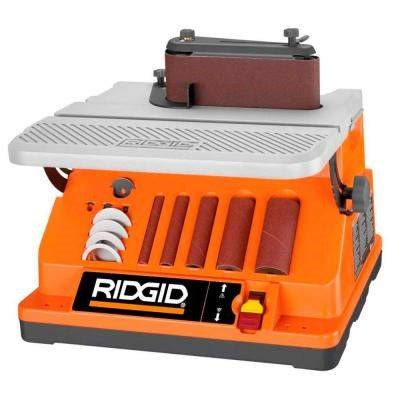
The belt attachment is what makes it far superior to an ordinary spindle sander. Belts have a far greater working area than the small cylinders most spindle sanders have. They last longer and are cheaper to replace, and are available in a wider variety of grits. The #36 belt is ideal for removing material to make a rough shape, then clean up with a #80. The big end of the belt drive is a 2-1/2" diameter, which turns out to be by far the most useful part of the machine, and exactly matches many of the curves on a Fender neck. Of course, there are smaller spindles all the way down to 1/2" for tight spots. The flat on the belt will cut reasonably straight for small parts that fit entirely in it, but anything that overhangs the ends is going to be gouged by the rollers unless you are very careful - light touch and always moving the workpiece. It's good exercise.