All Built (2/2)
Instruments built entirely from scratch.
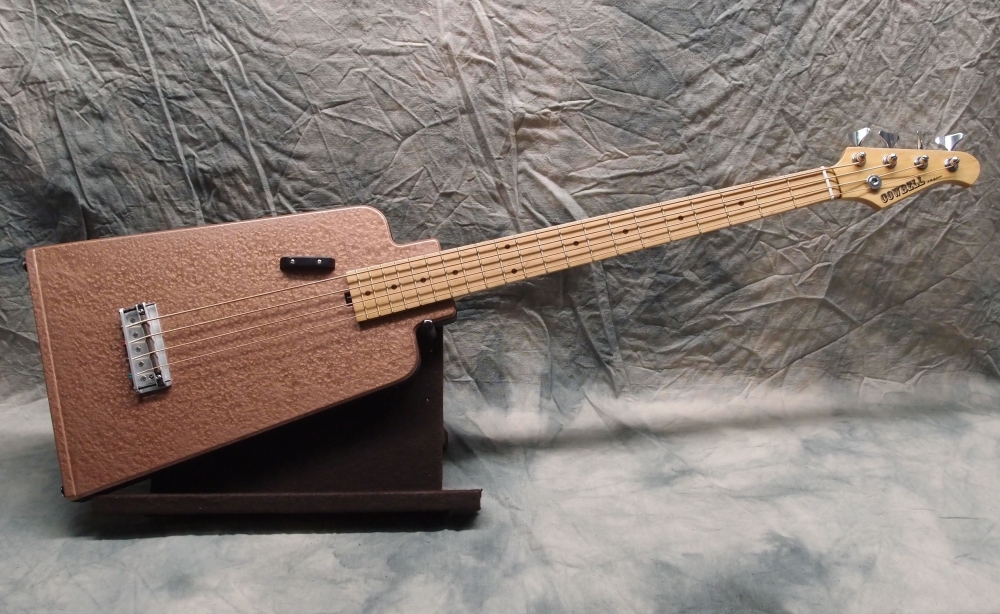
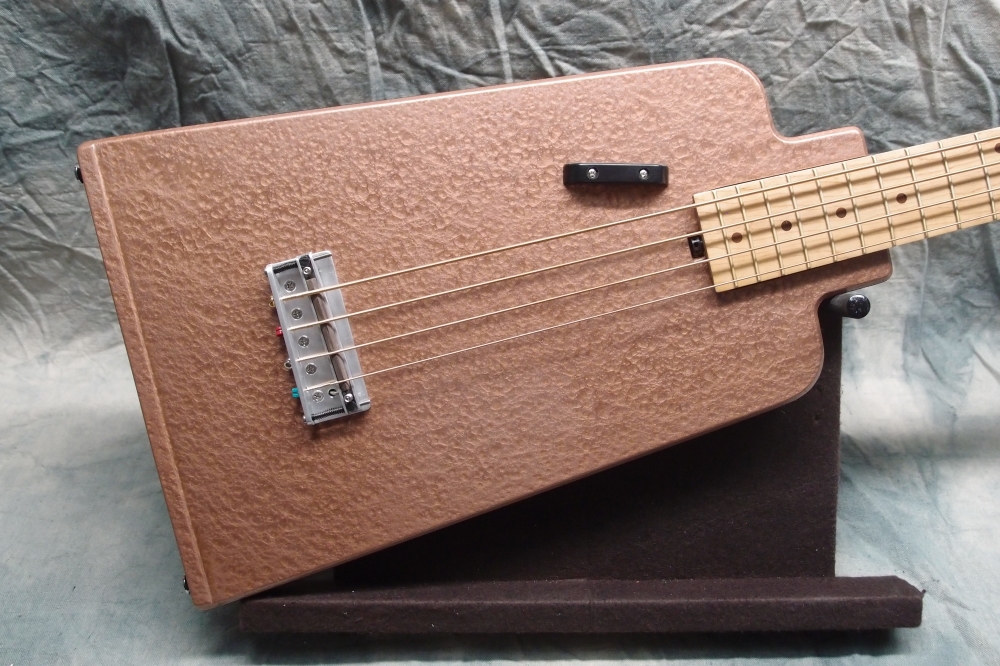
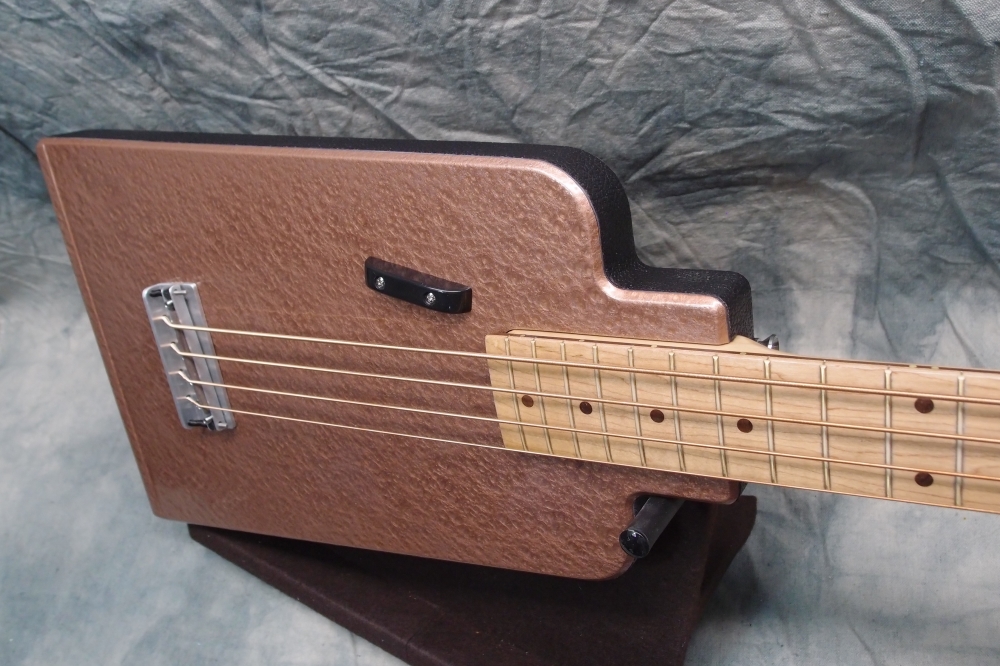
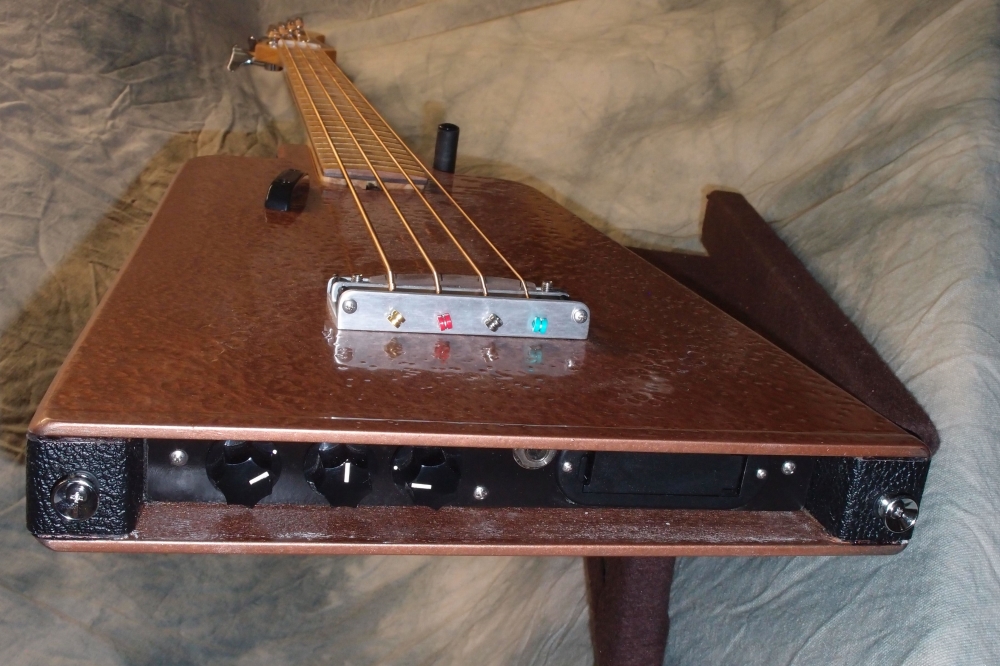
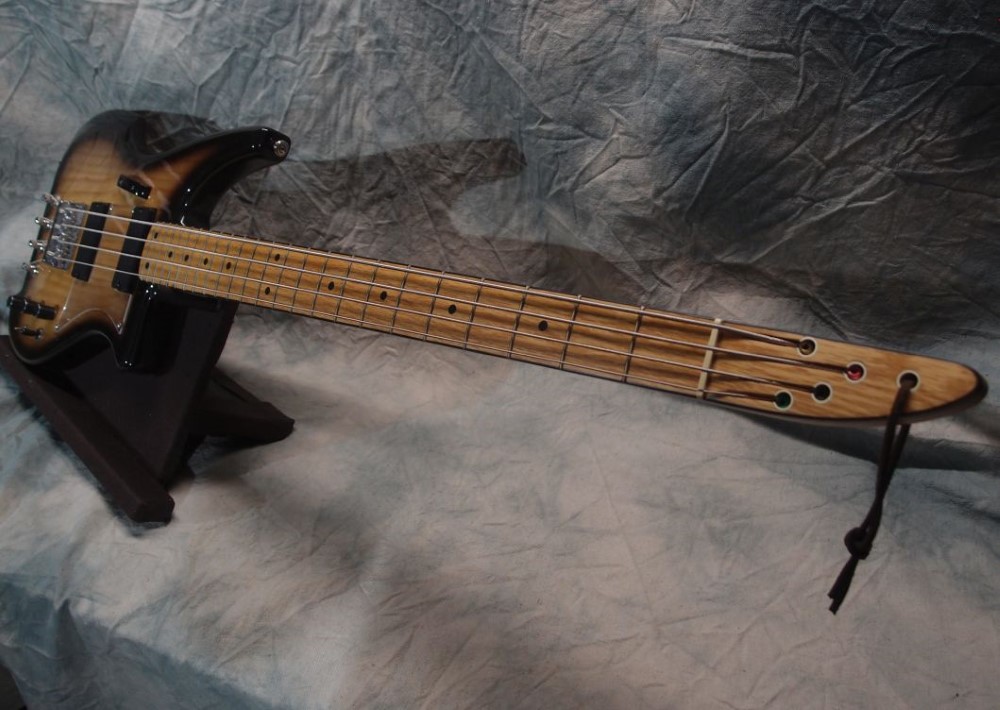
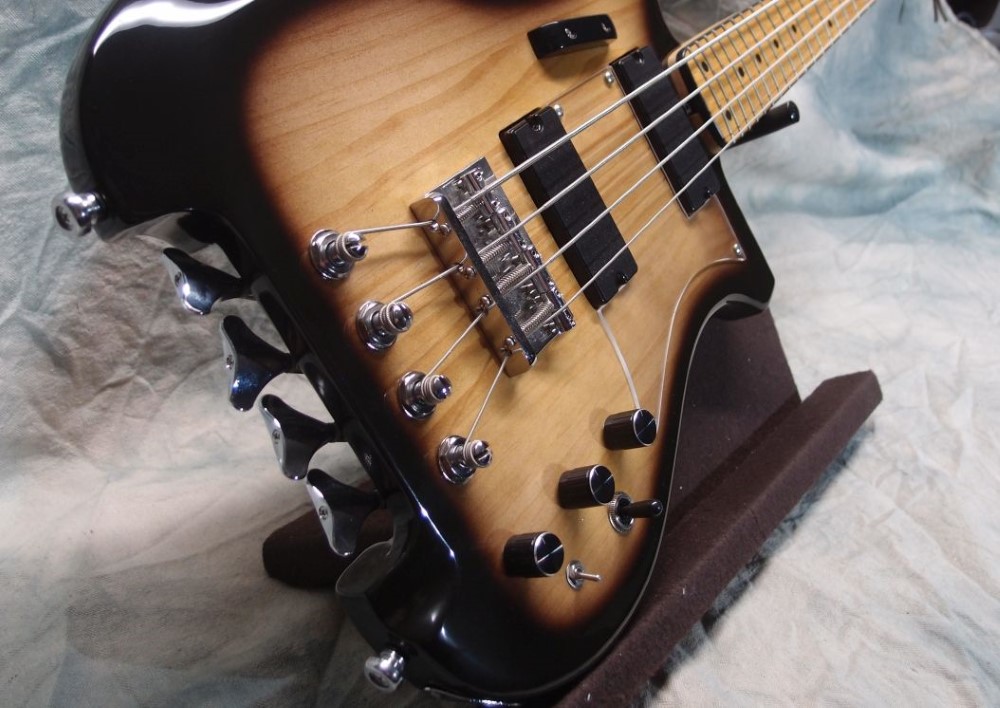
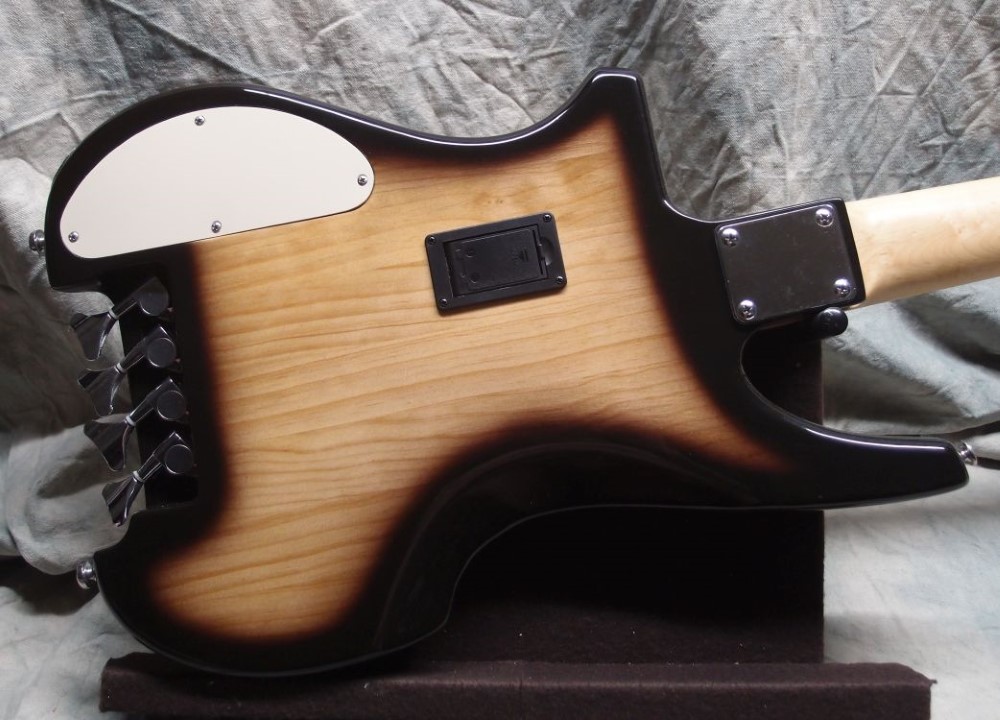
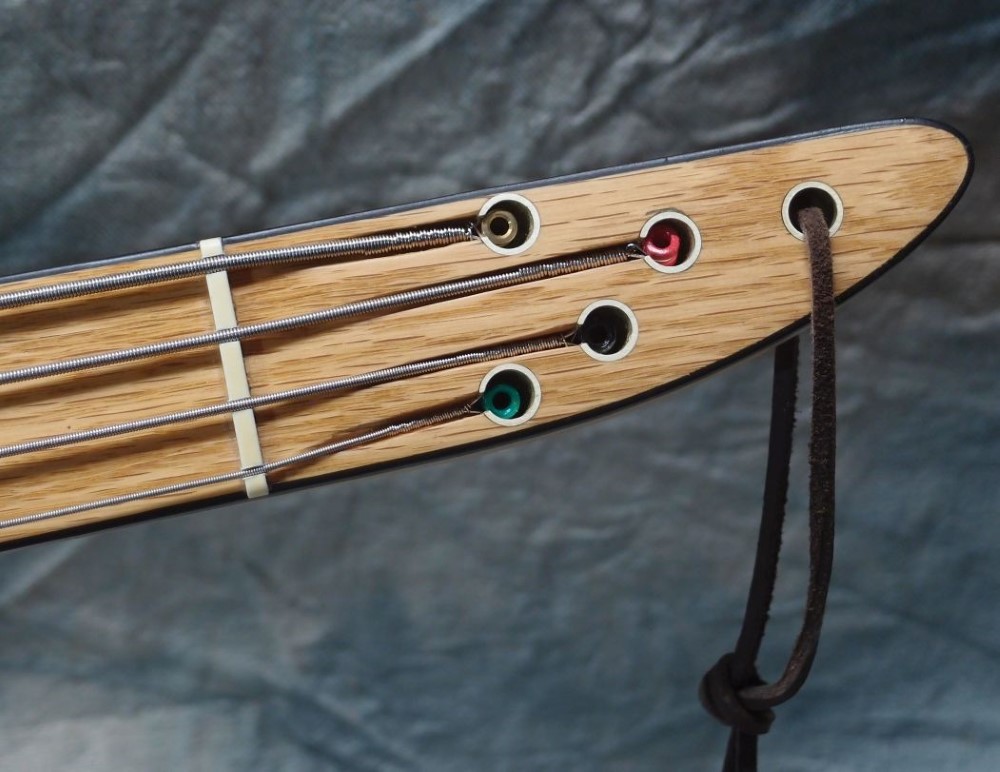


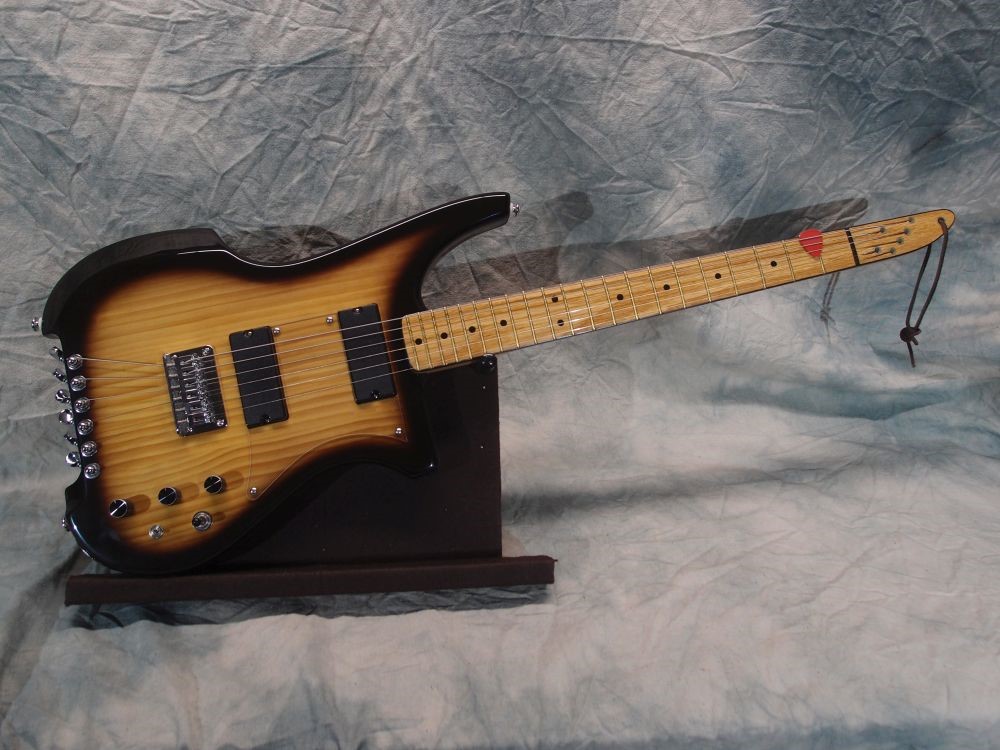
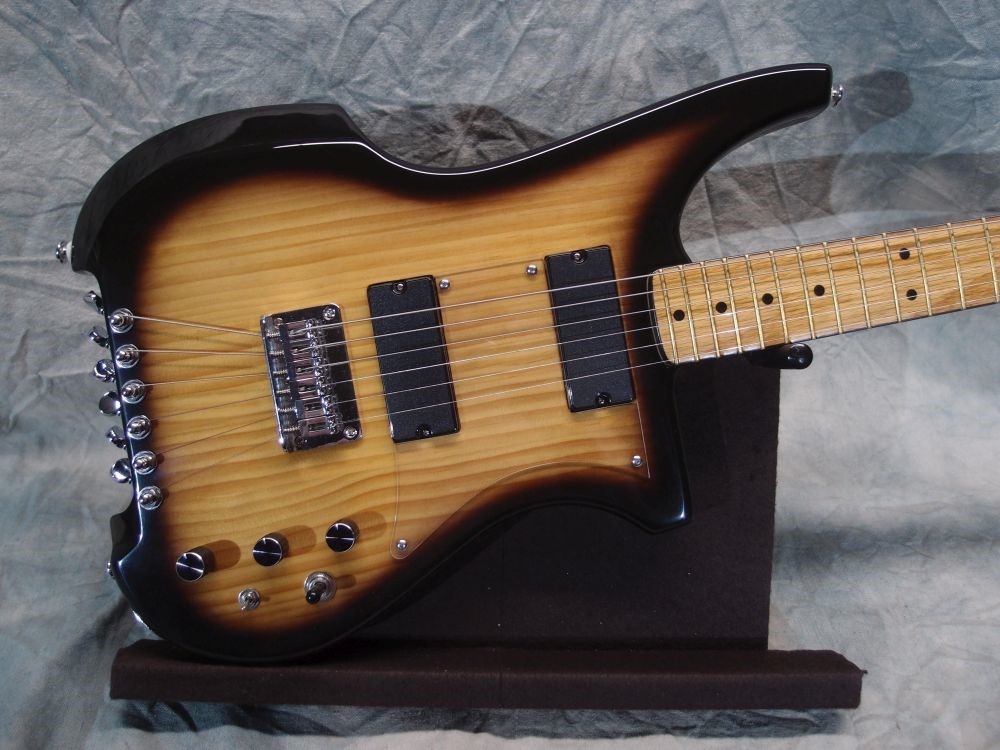
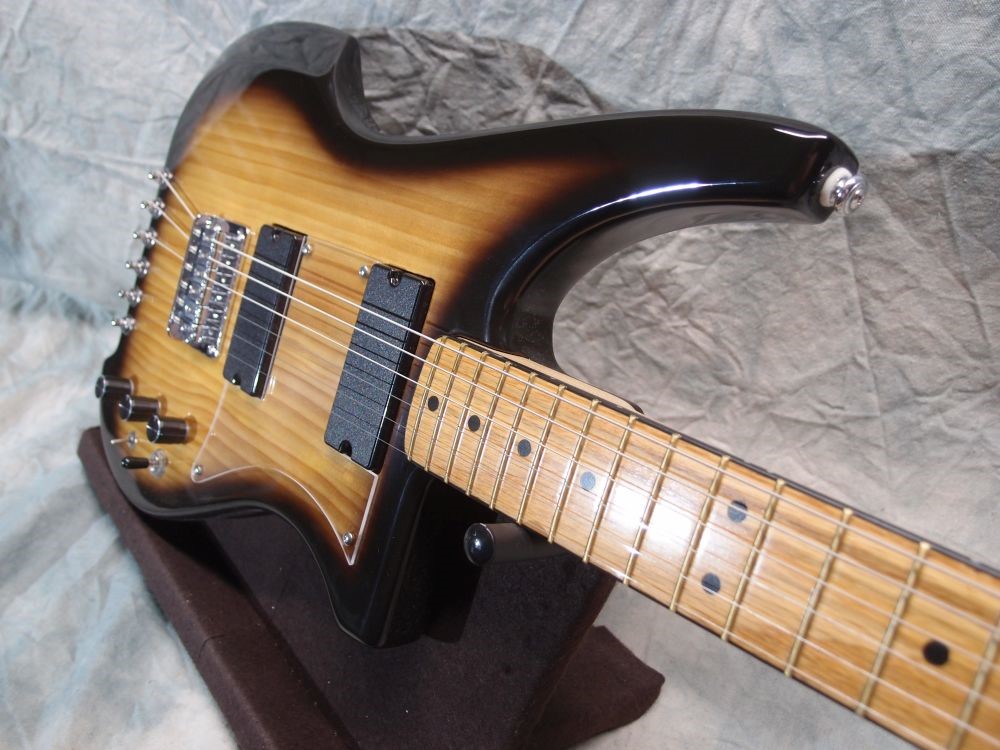
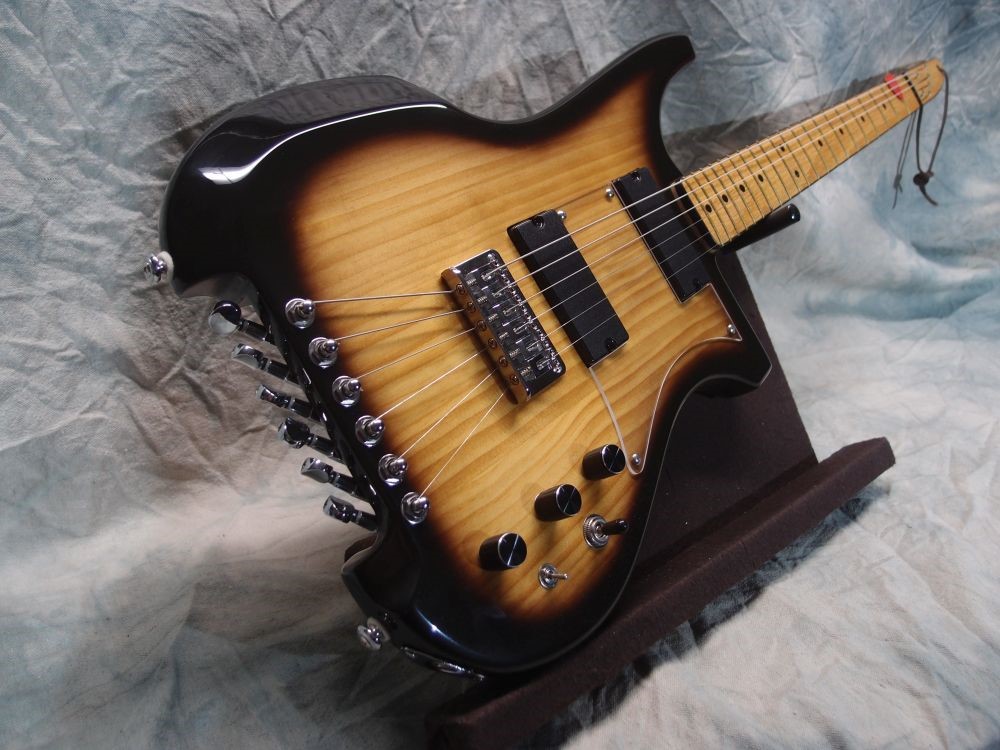
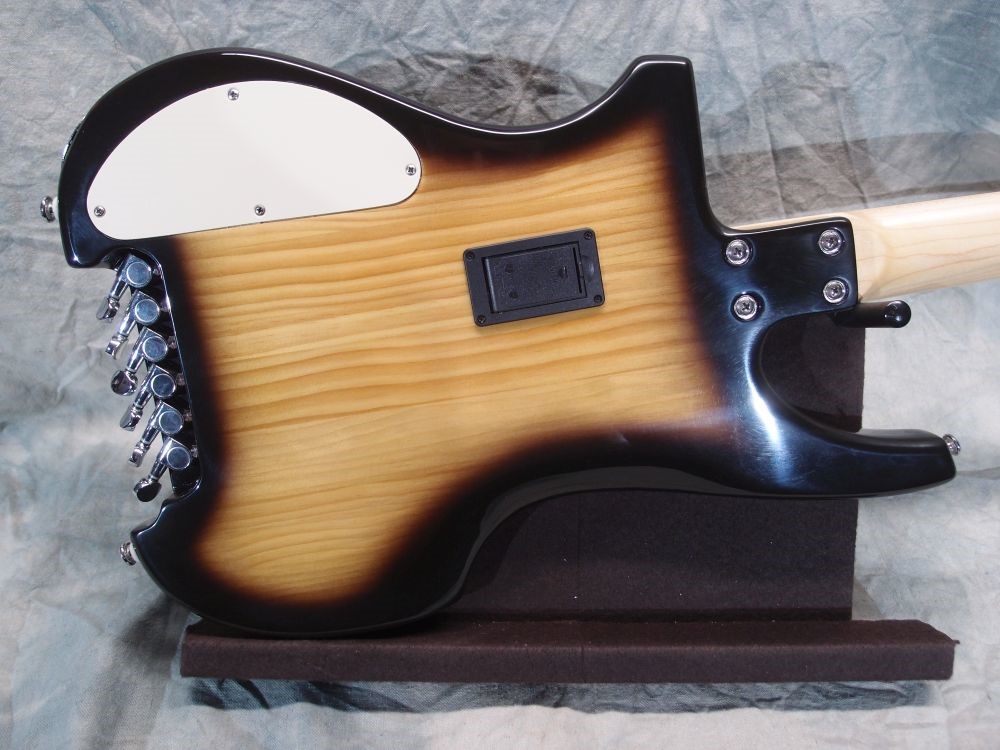
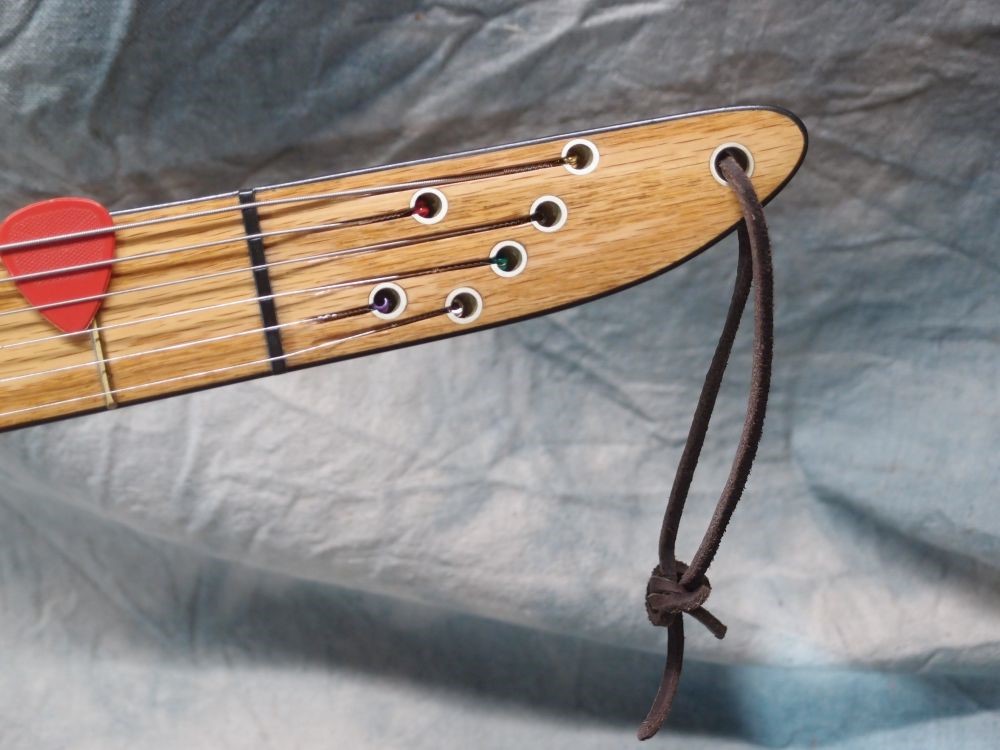
I was so pleased with the bass that I thought I'd try a guitar. This is a little more complicated, as there are six tuners rather than four, but it worked out well. The battery is for an Artec tone control that I wanted to try. More later ...
More: Kubicki Factor Guitar ...
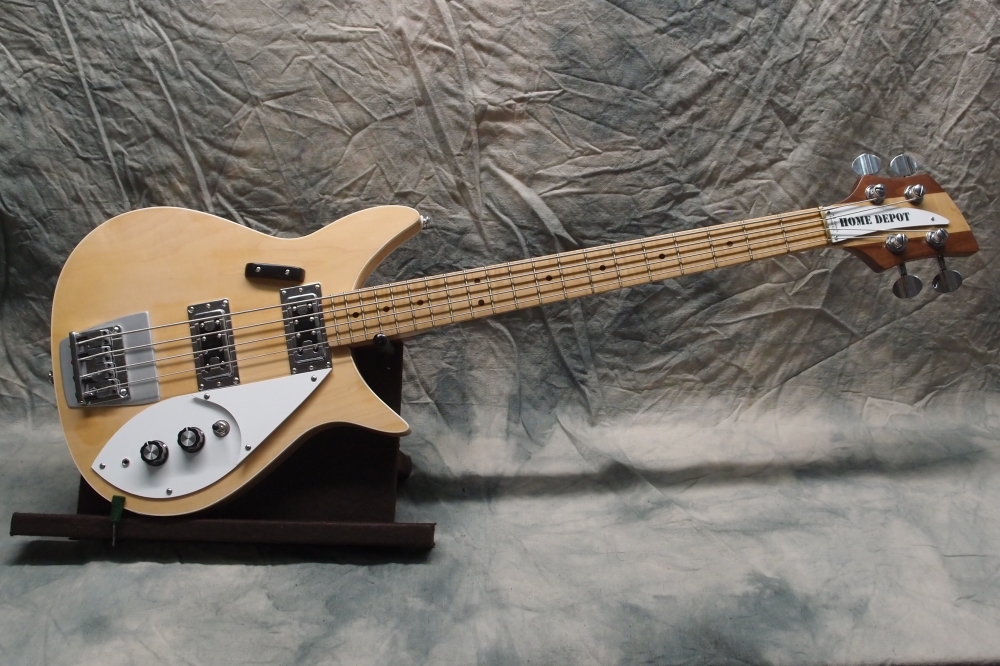
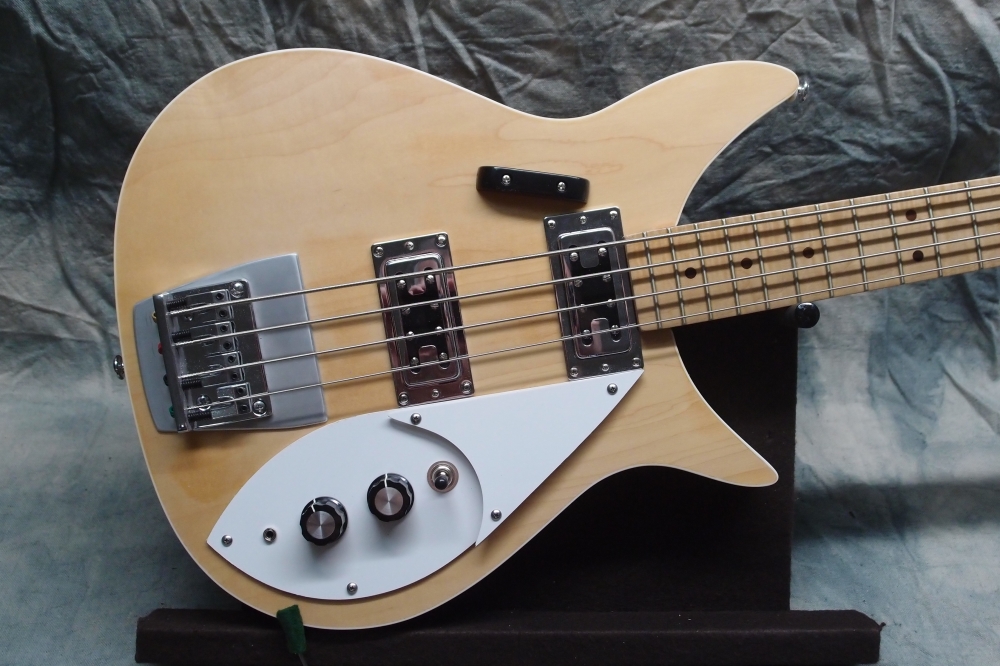
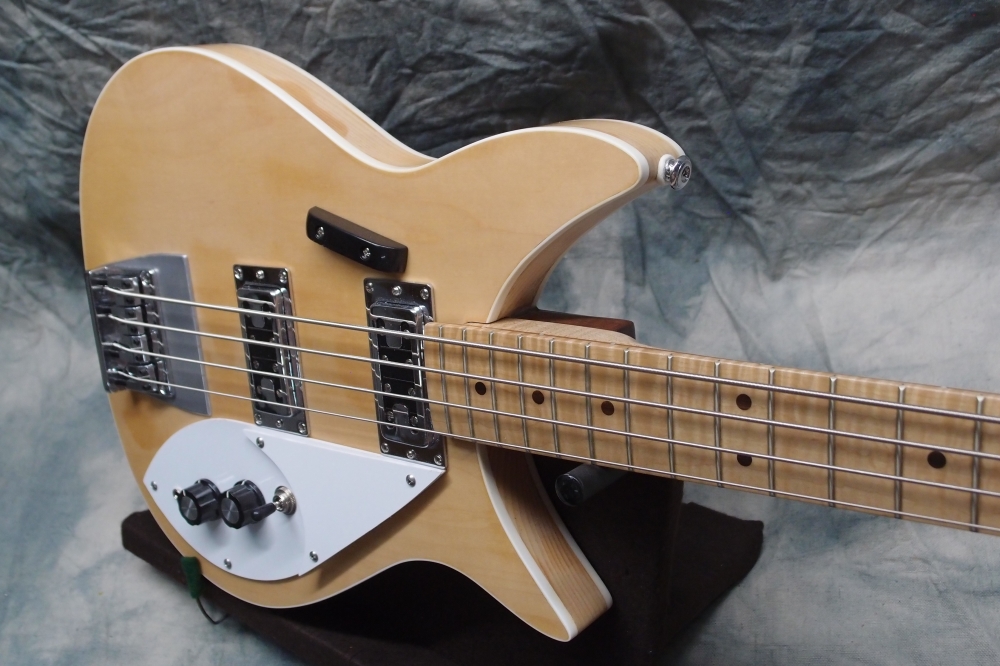
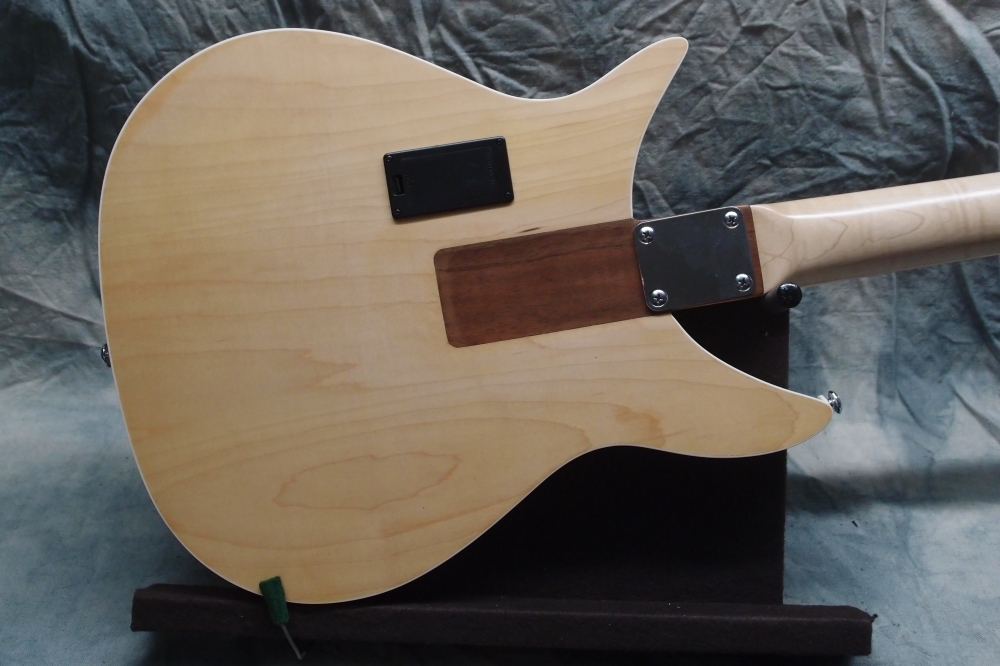
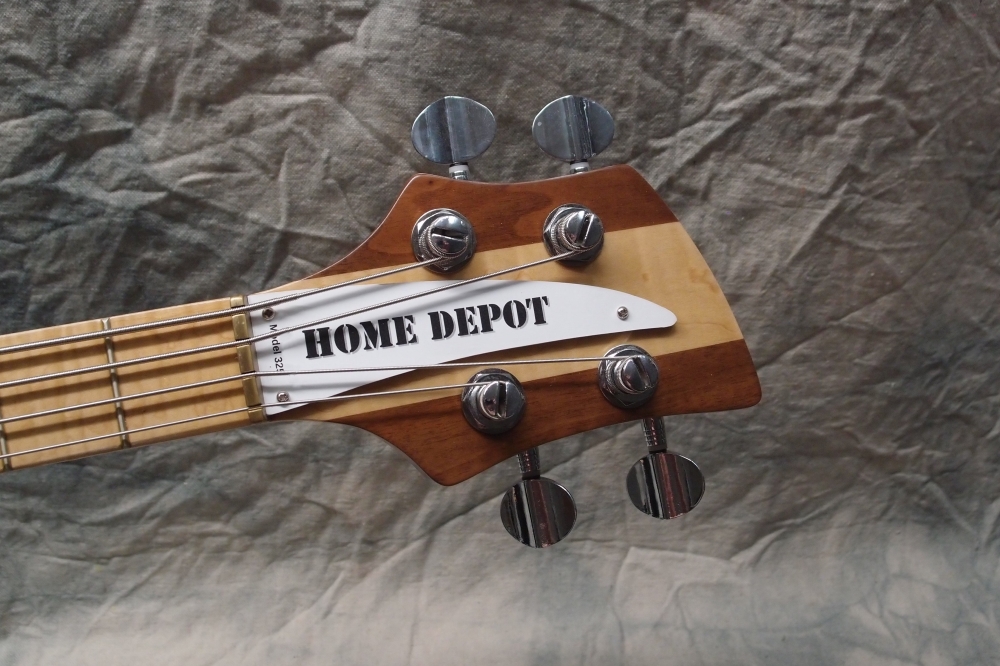
These were my first two tries at a 325 bass. Both are plywood over pine hollow-bodies. The one on the left - #1 - used an experimental neck mounting that I didn't like. The one on the right - #2 - suffered a router mishap. I took all the good parts and built the solid-body, and both of these spent years on the scrap heap.
More: Rickenbacker 325 Bass 1 ...
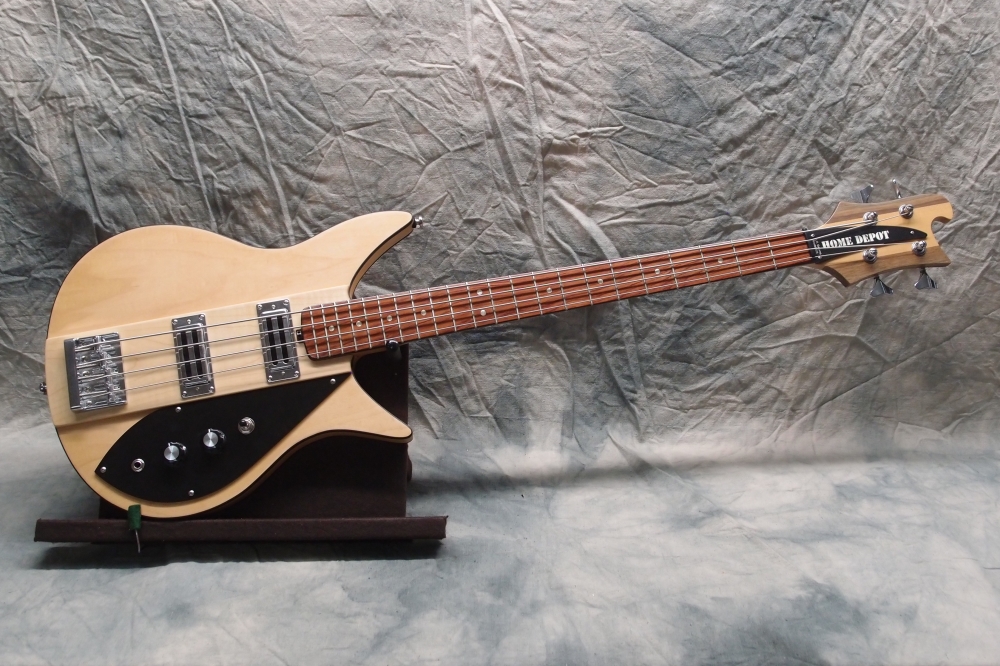
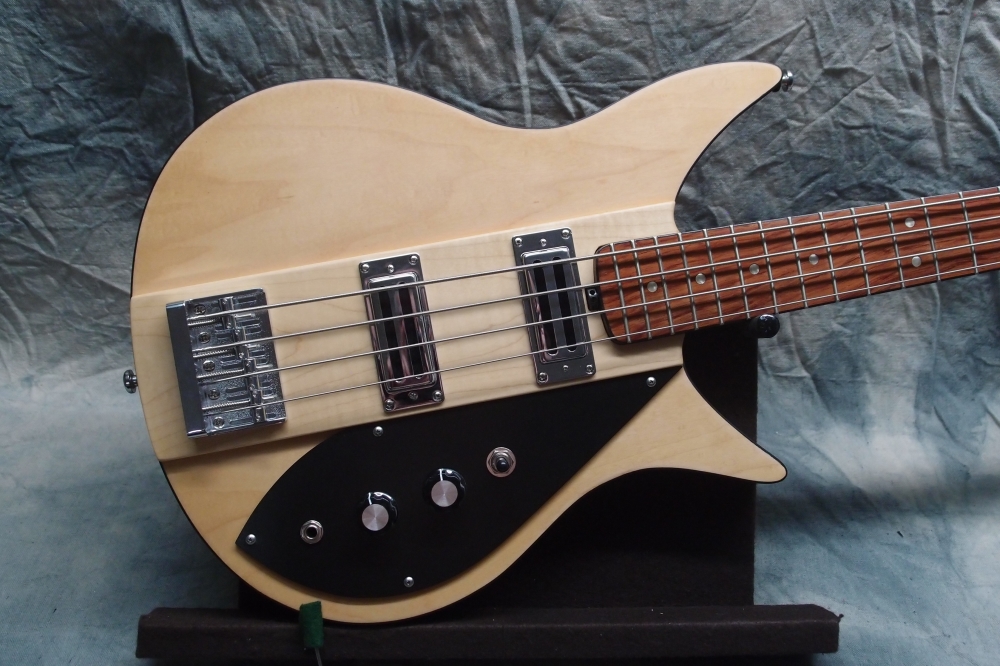
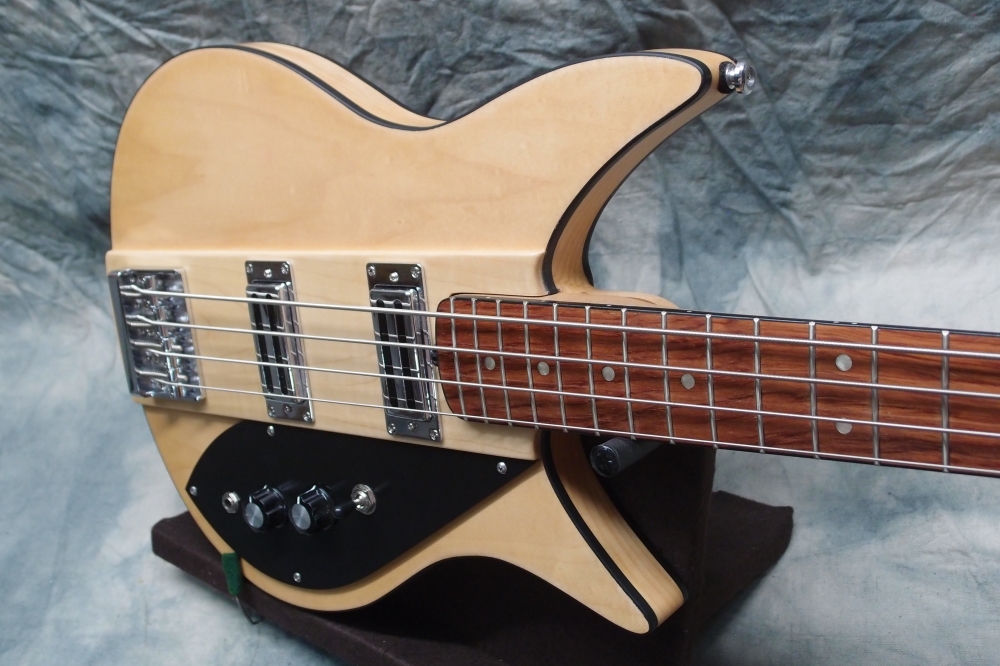
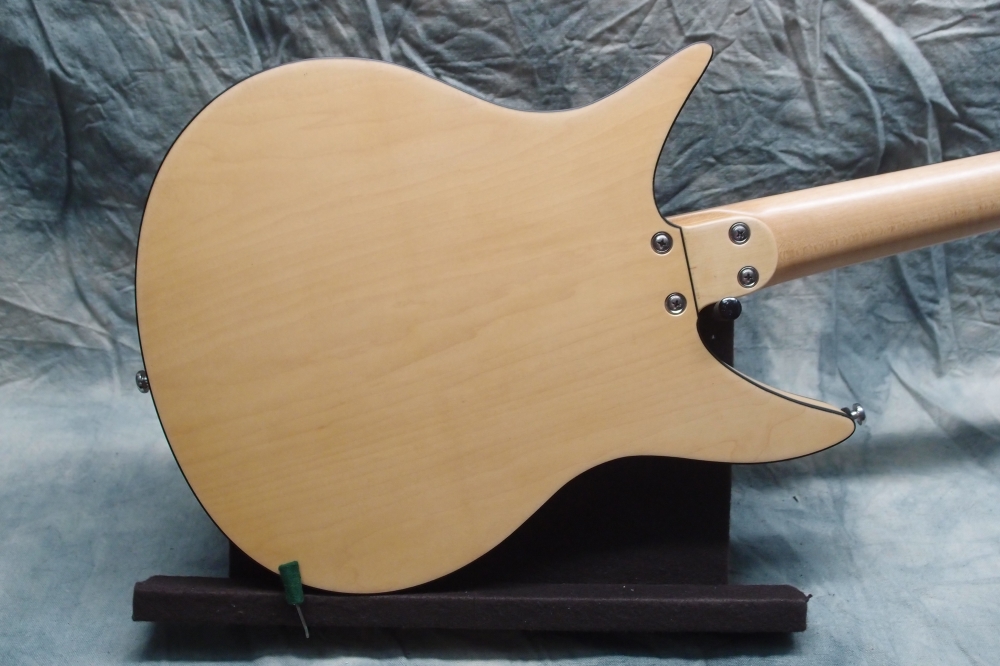

These were my first two tries at a 325 bass. Both are plywood over pine hollow-bodies. The one on the left - #1 - used an experimental neck mounting that I didn't like. The one on the right - #2 - suffered a router mishap. I took all the good parts and built the solid-body, and both of these bodies spent years on the scrap heap.
More: Rickenbacker 325 Bass 2 ...
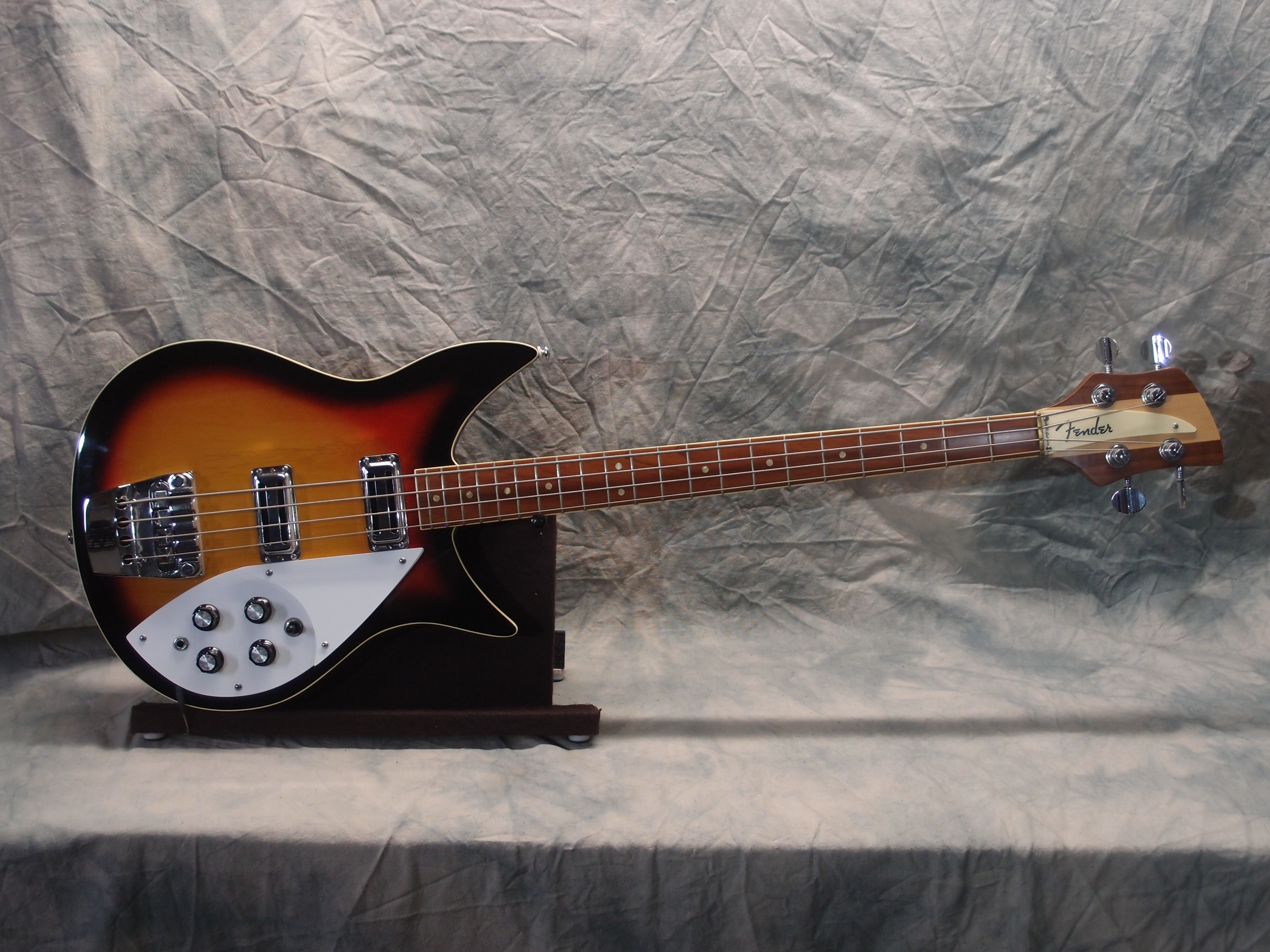
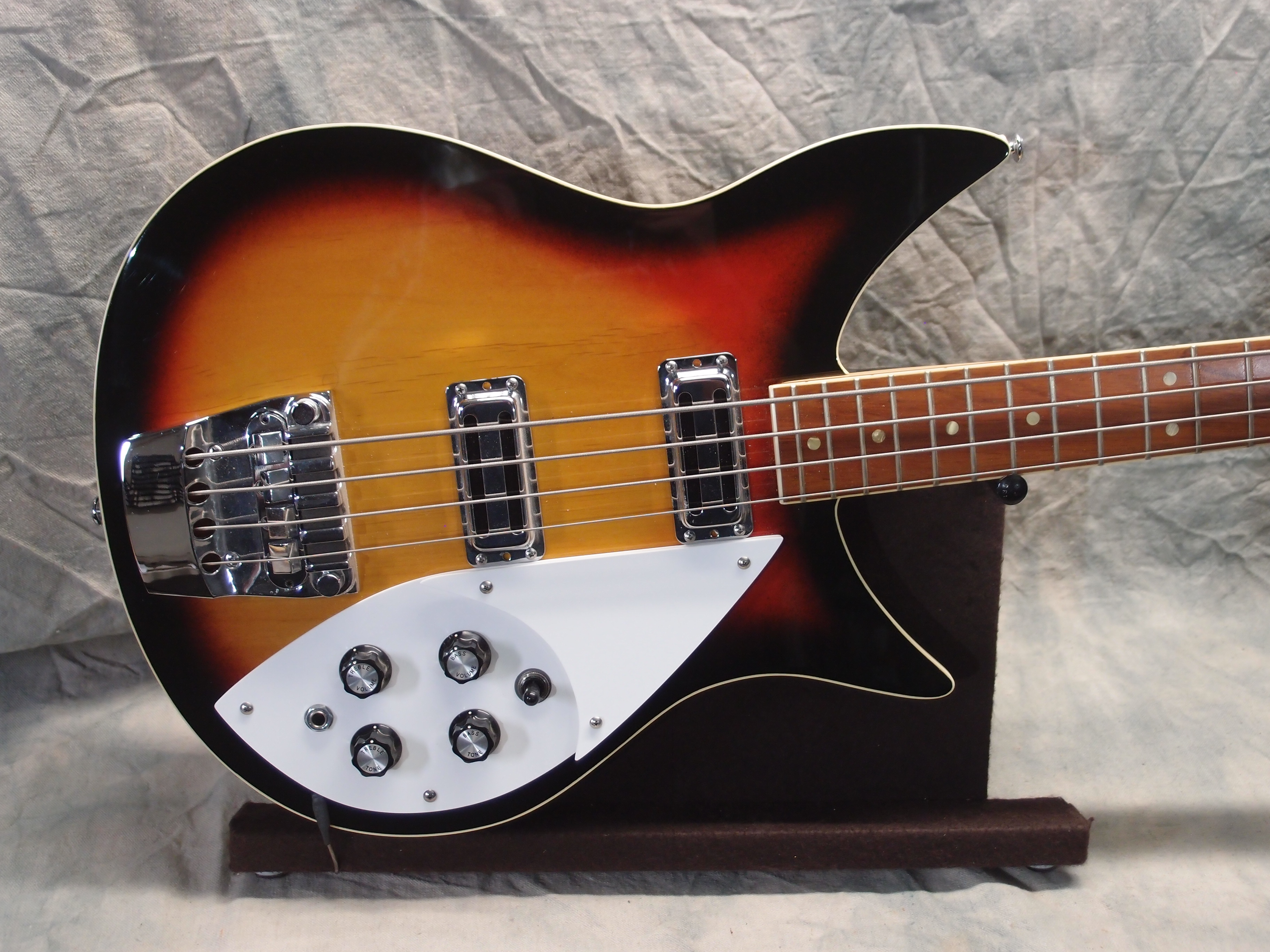
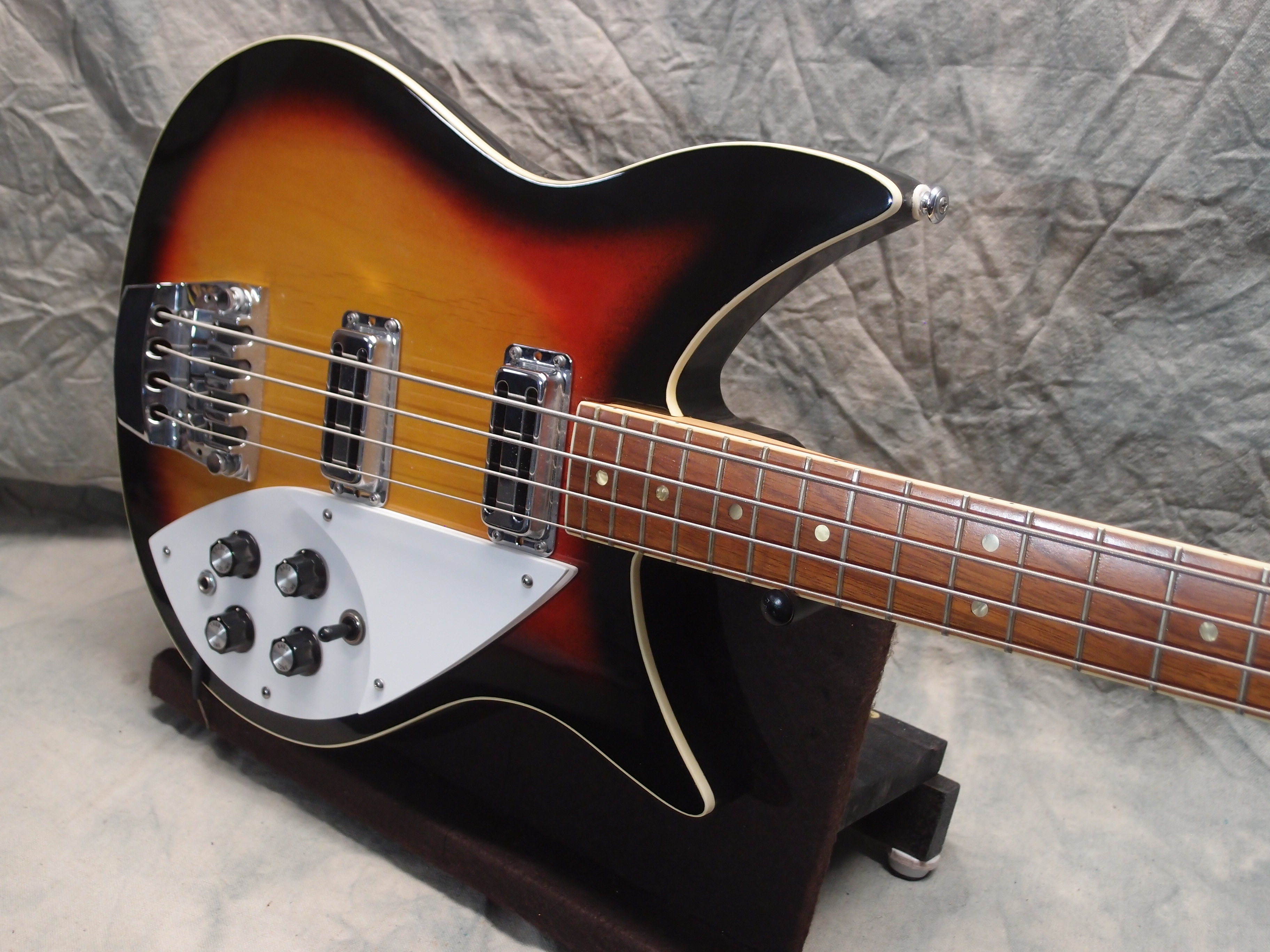
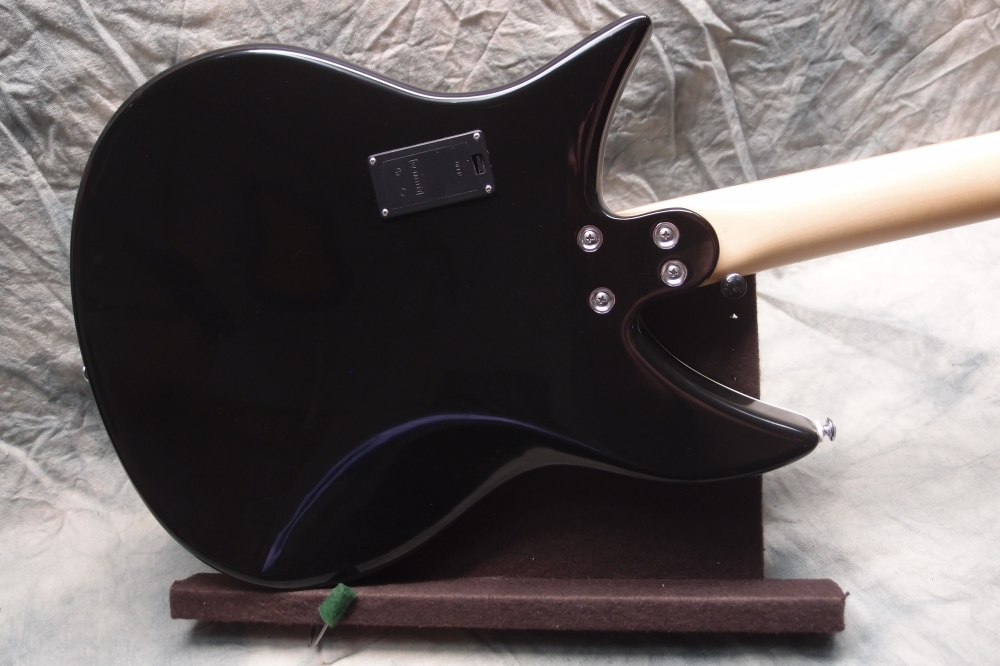

This was my third go at a 325 bass. The first one was unbalanced with this long neck, and the second suffered a router mishap. Eventually, I salvaged both of those, but first I took all the good parts and did this. Fender-type alder body with 3-tone sunburst, single binding. Surface-mounted pickups, active electronics. Finished entirely in polyurethane.
More: Rickenbacker 325 Bass 3 ...
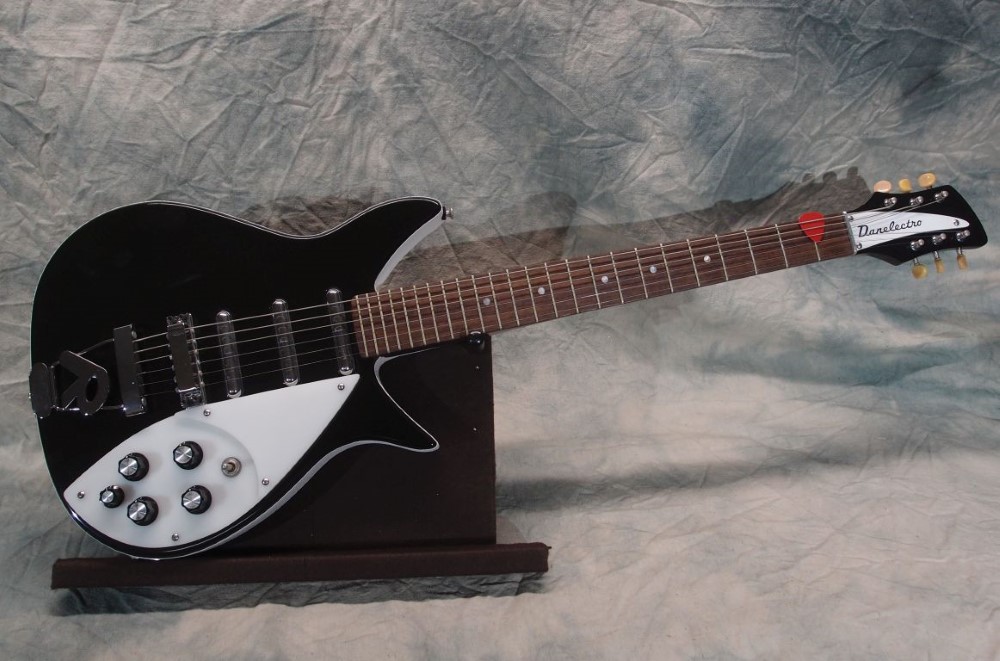
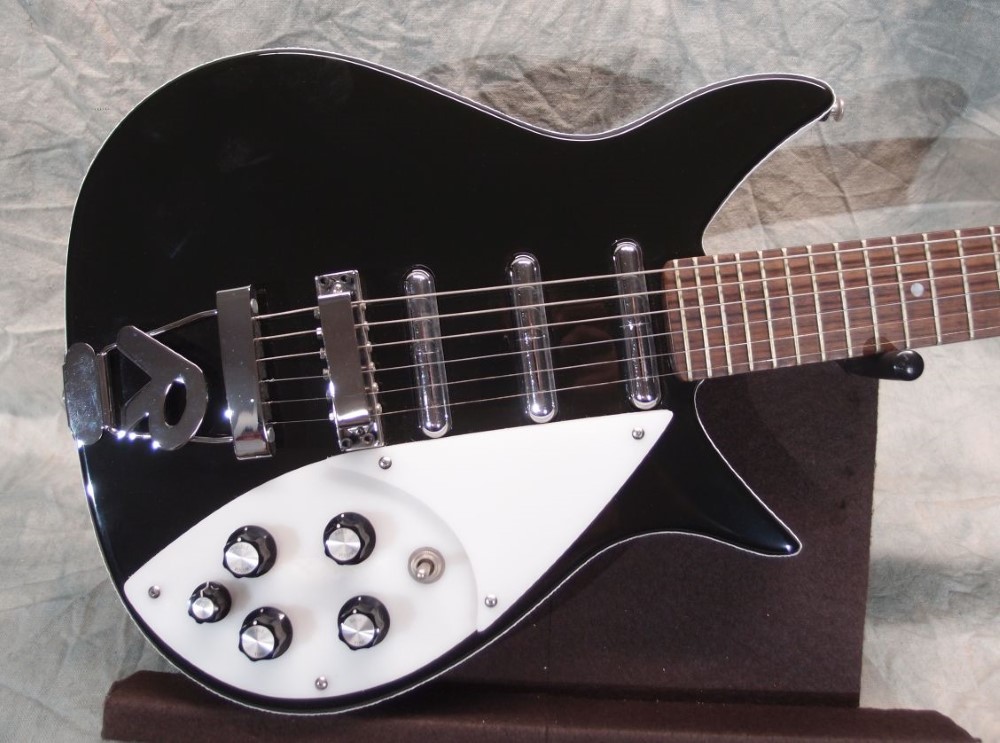
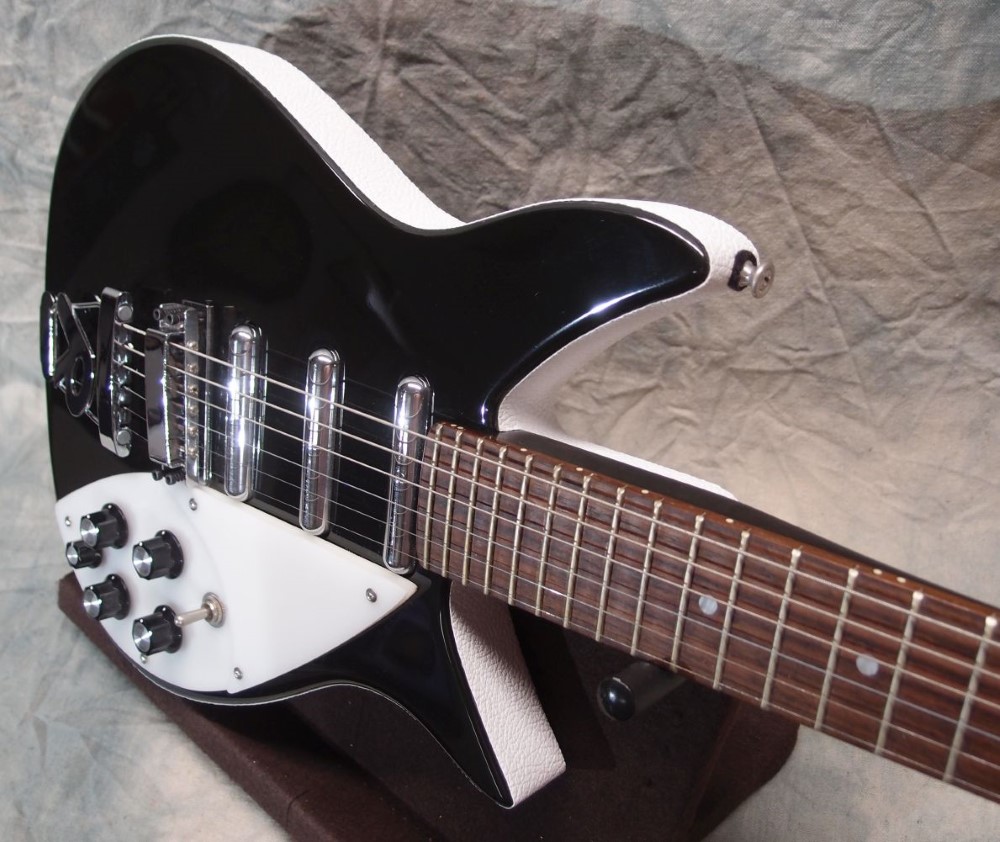
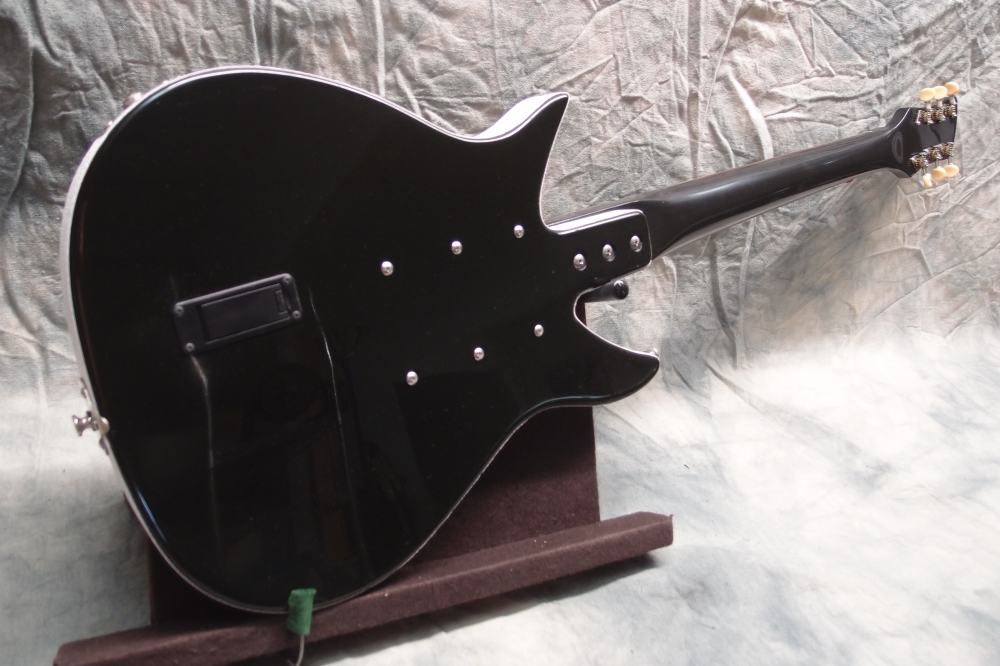
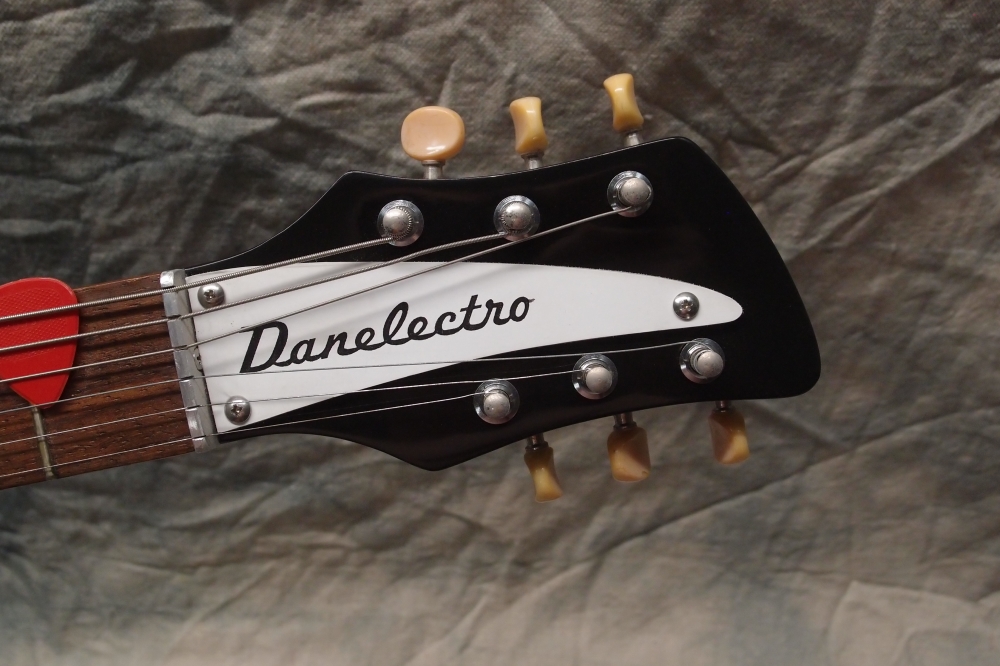
A faithful reproduction of John Lennon's Rickenbacker, but built as a Danelectro. Masonite over hollow plywood body. Poplar neck. Passive electronics with active distortion on the fifth knob.
More: Rickenbacker 325 Guitar ...
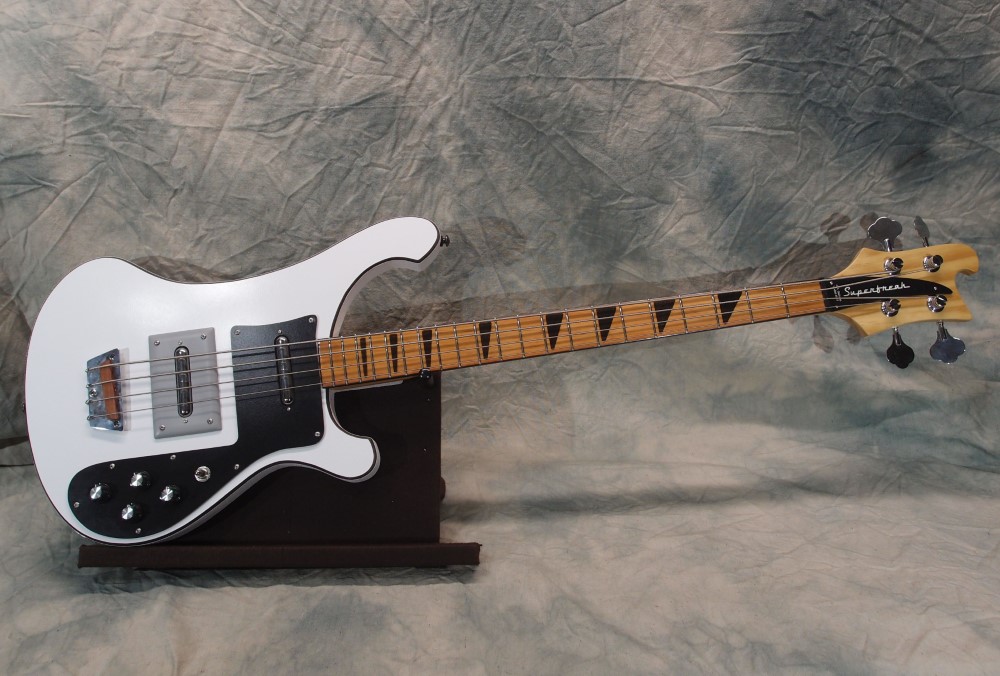
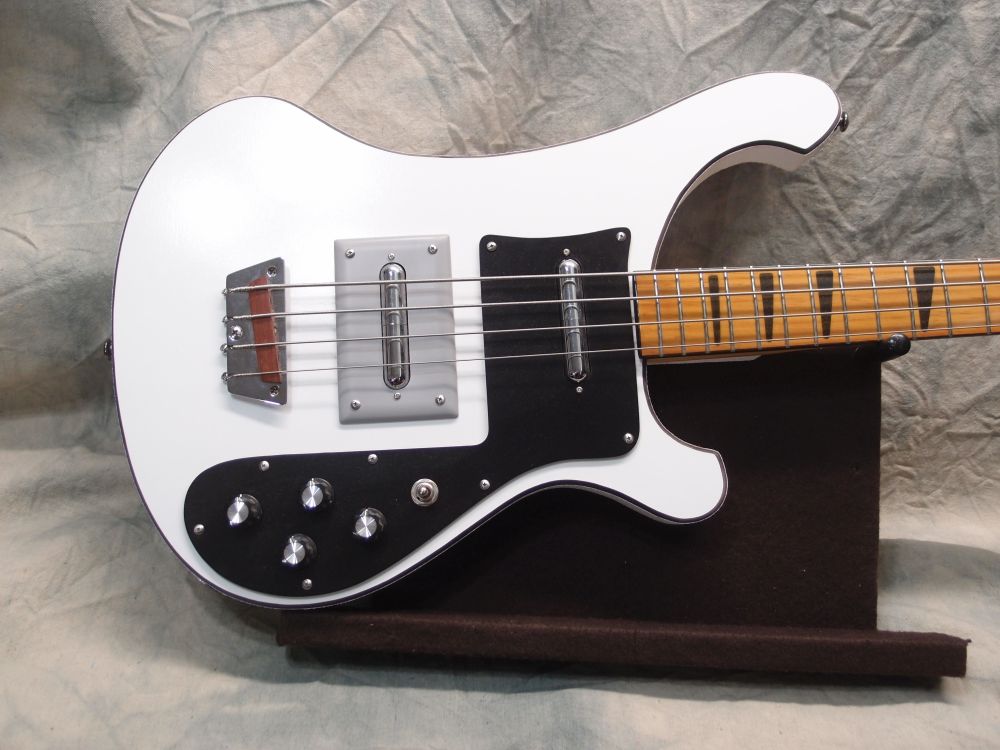
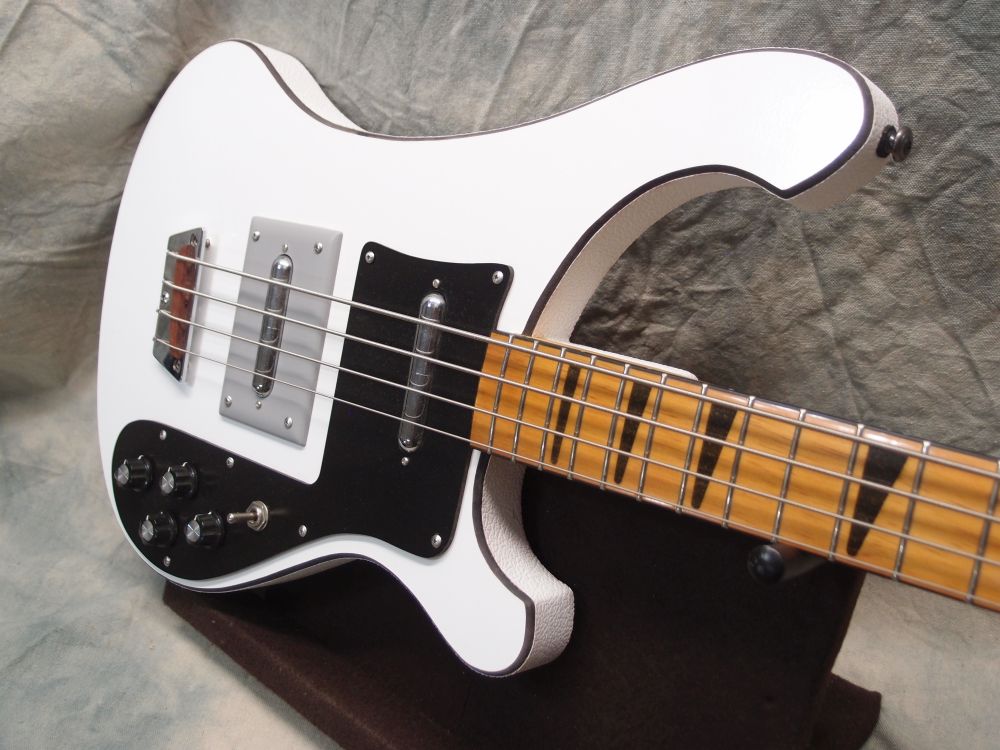
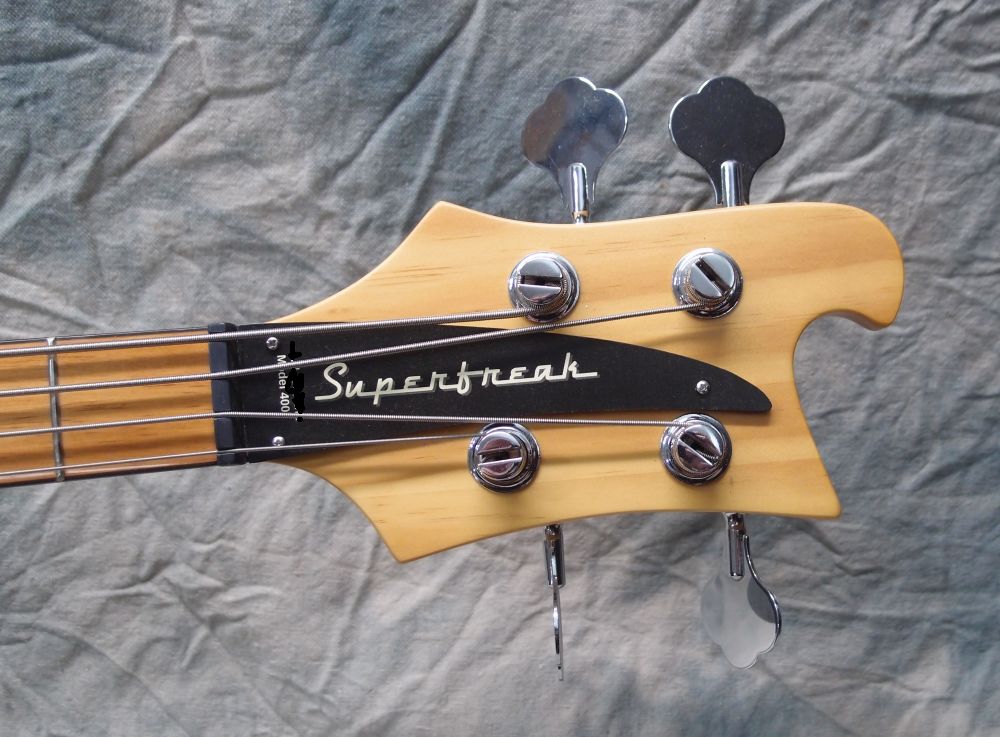
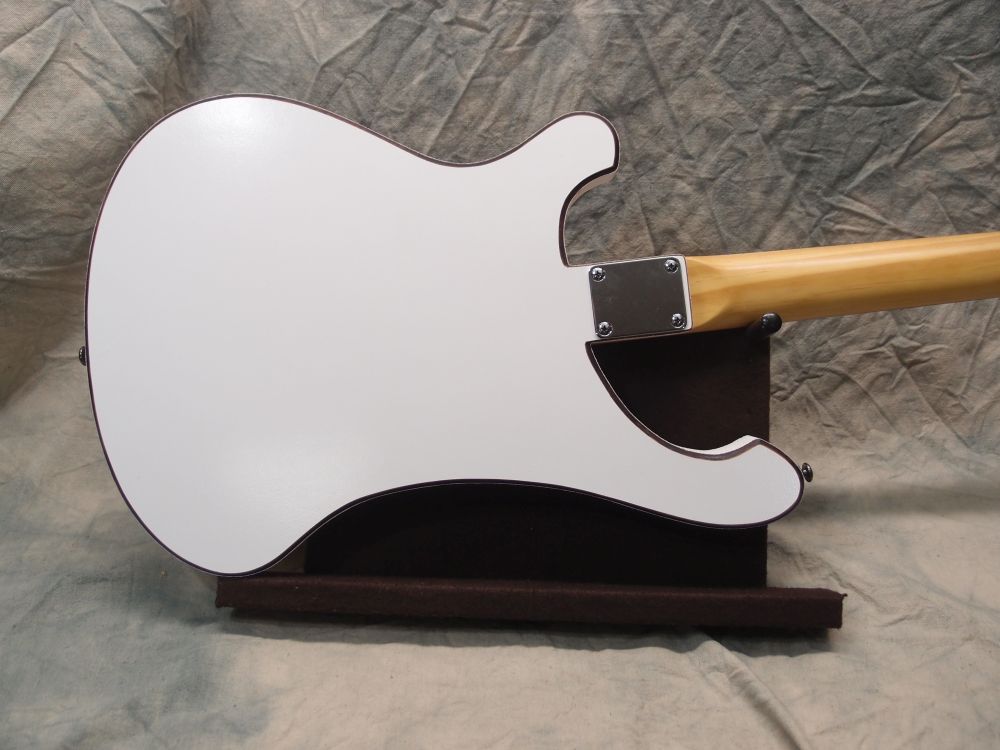
This one is kind of a joke and an experiment in just how cheap you can build a guitar. The body is dry-erase board over plywood - no finish - with Tolex side binding. Dry-erase board is Masonite covered with Melamine. The neck is 100% Radiata pine, even the fretboard. The "inlays" are glitter and CA glue. The pickguard is the other side of the dry-erase board - 'chalkboard'. The pickup mount is a 57 cent switch plate.
More: Rickenbacker 4001 Bass 1 ...