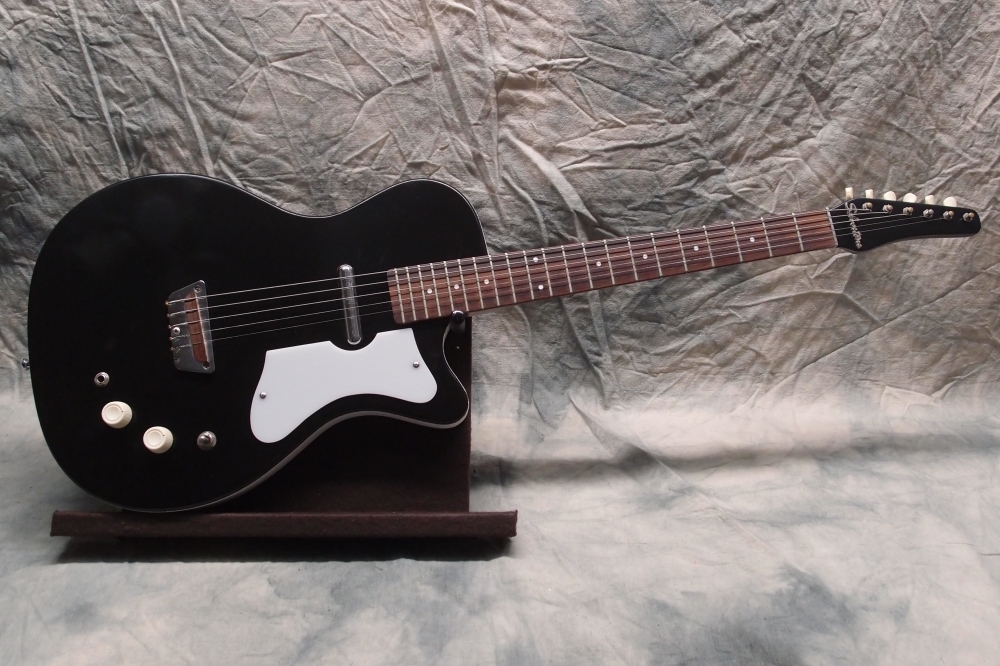
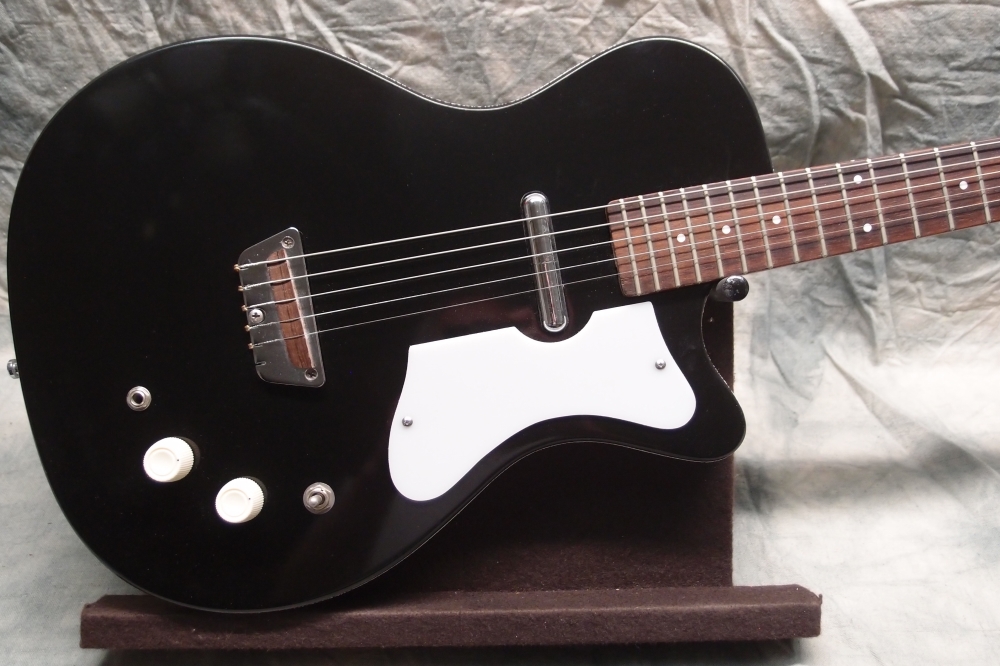
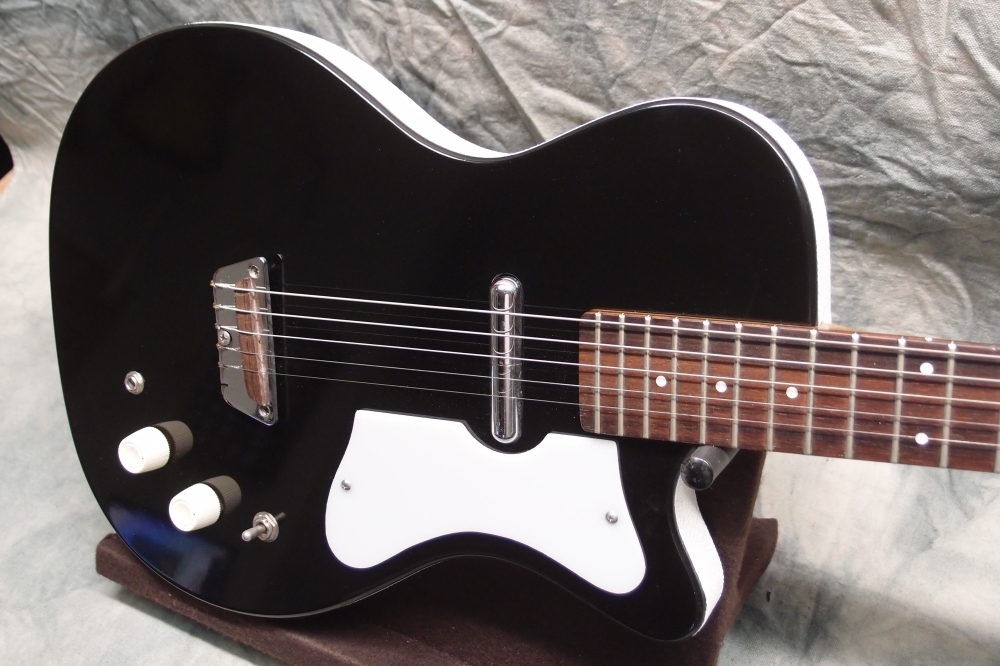
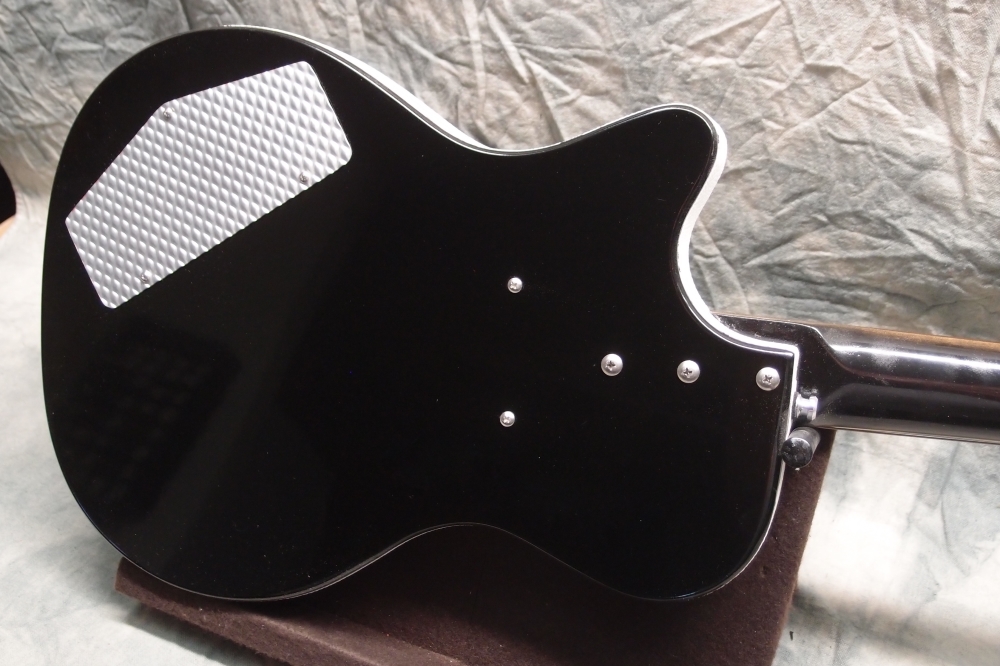
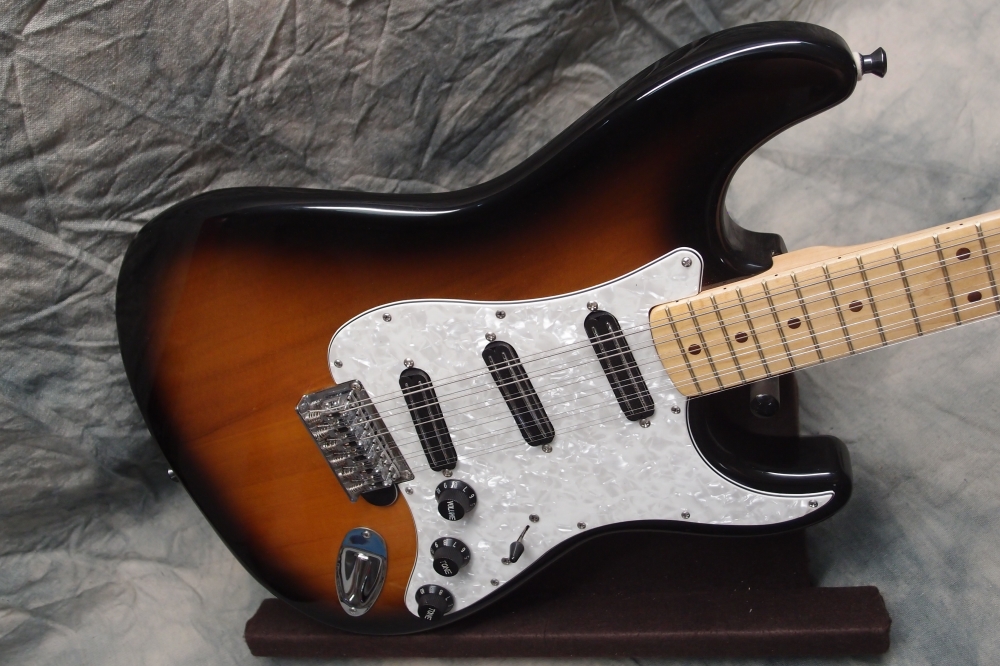
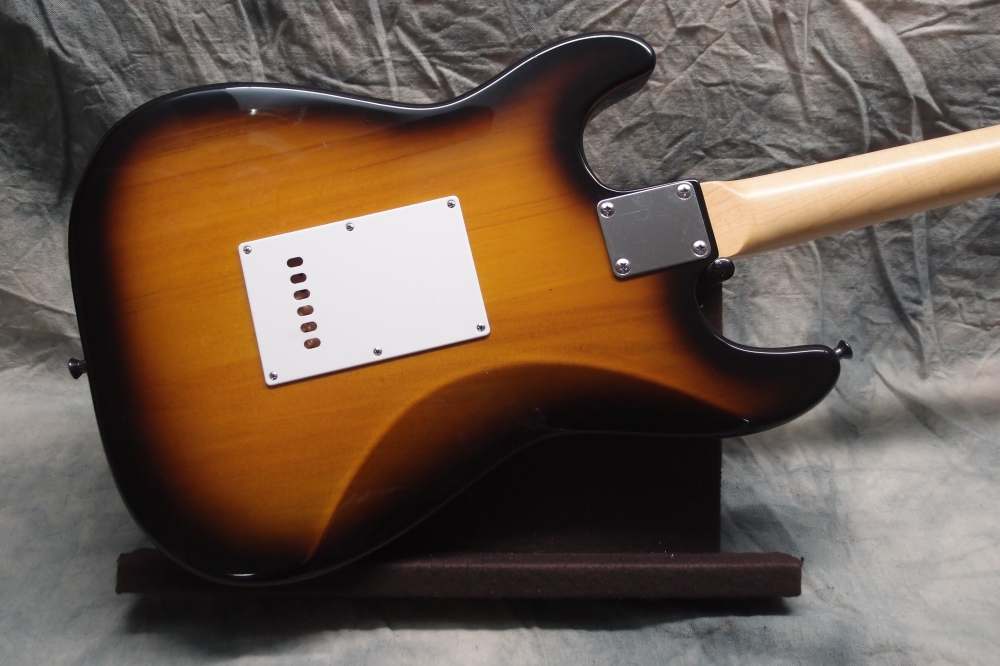
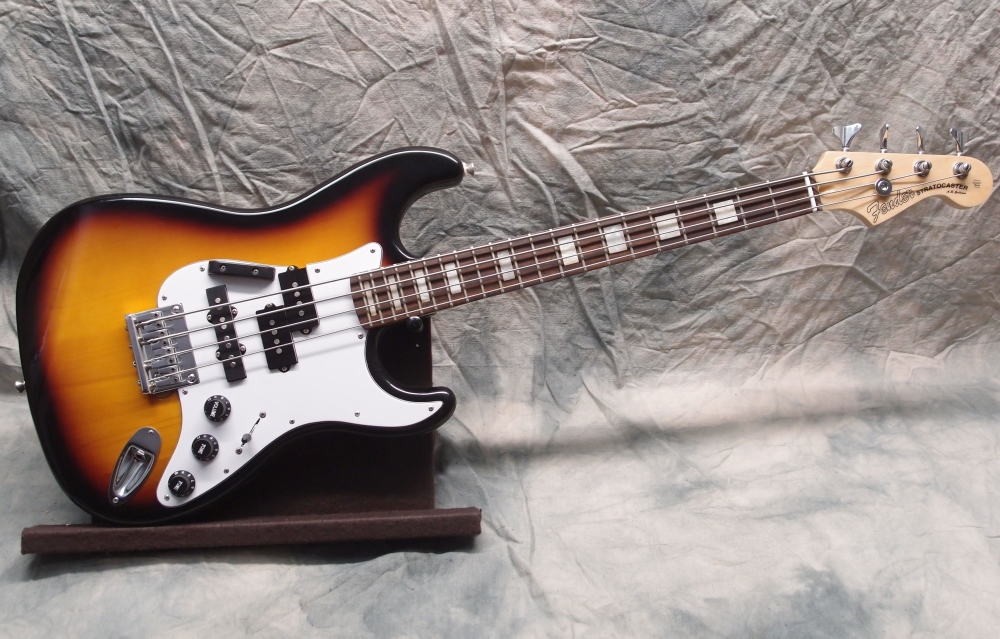
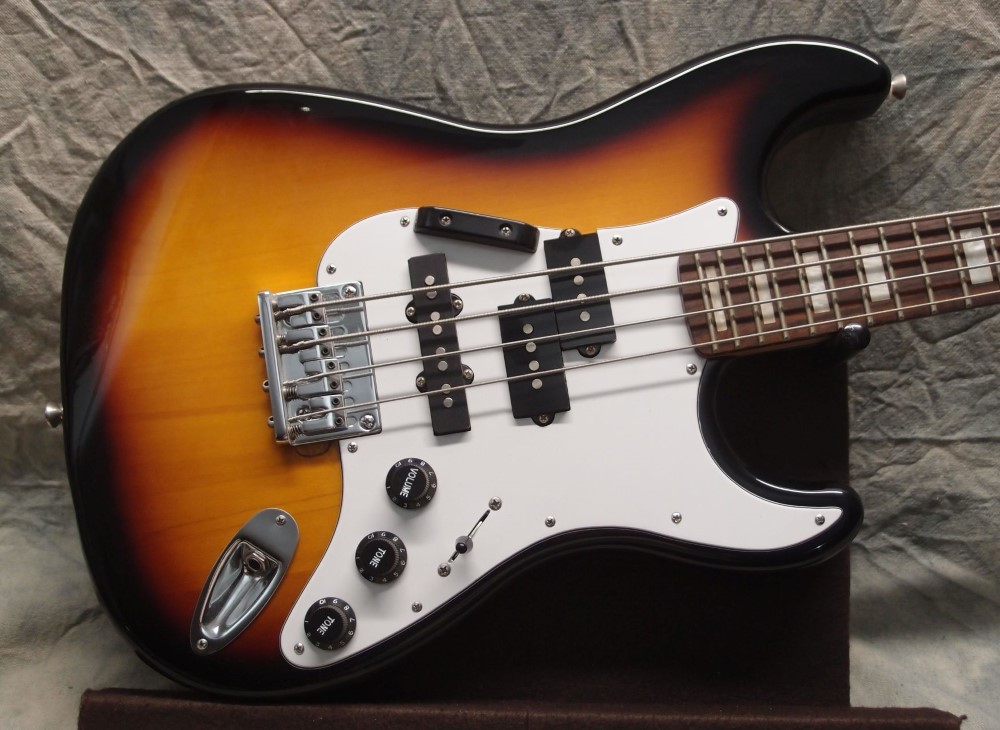
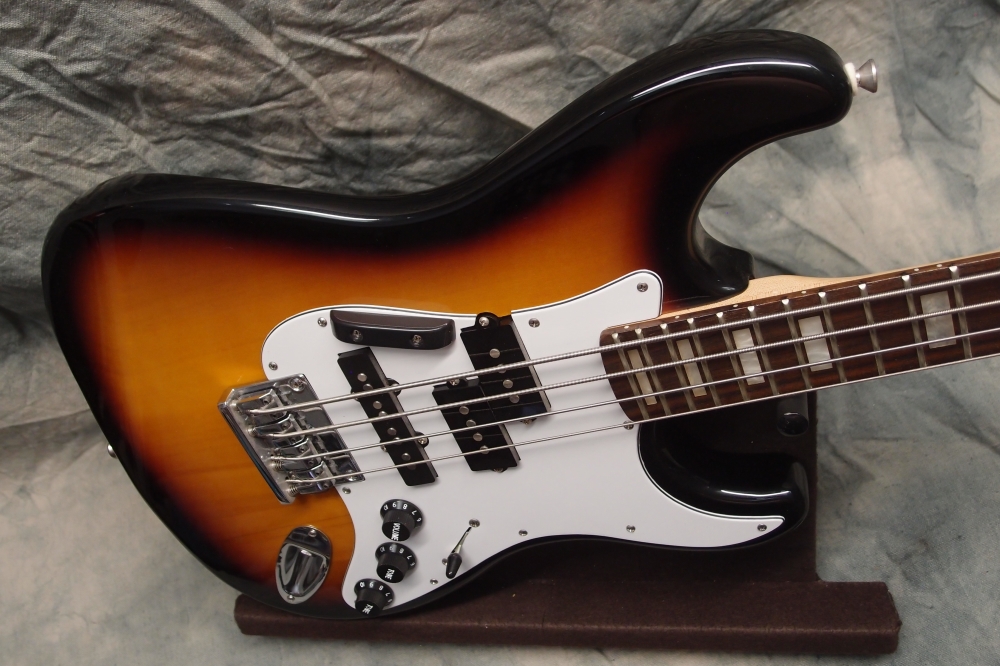
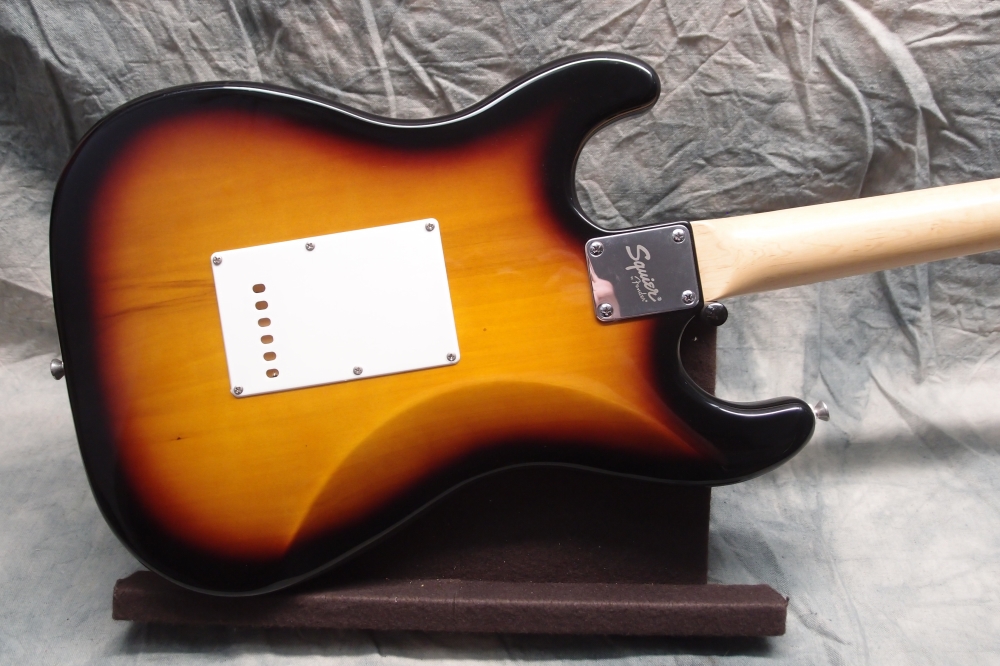
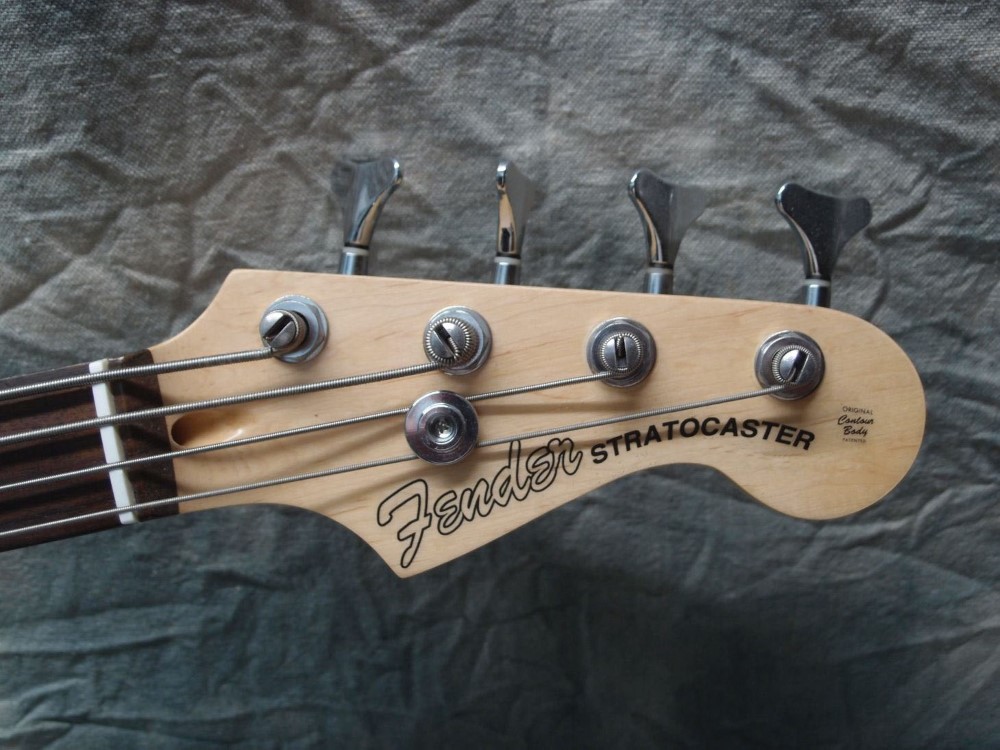
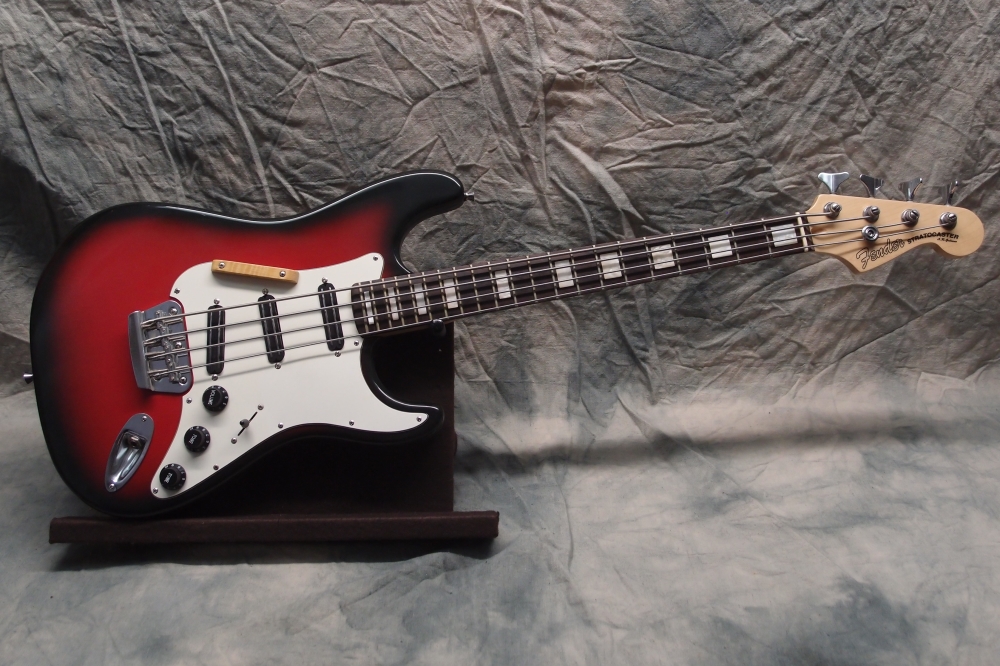
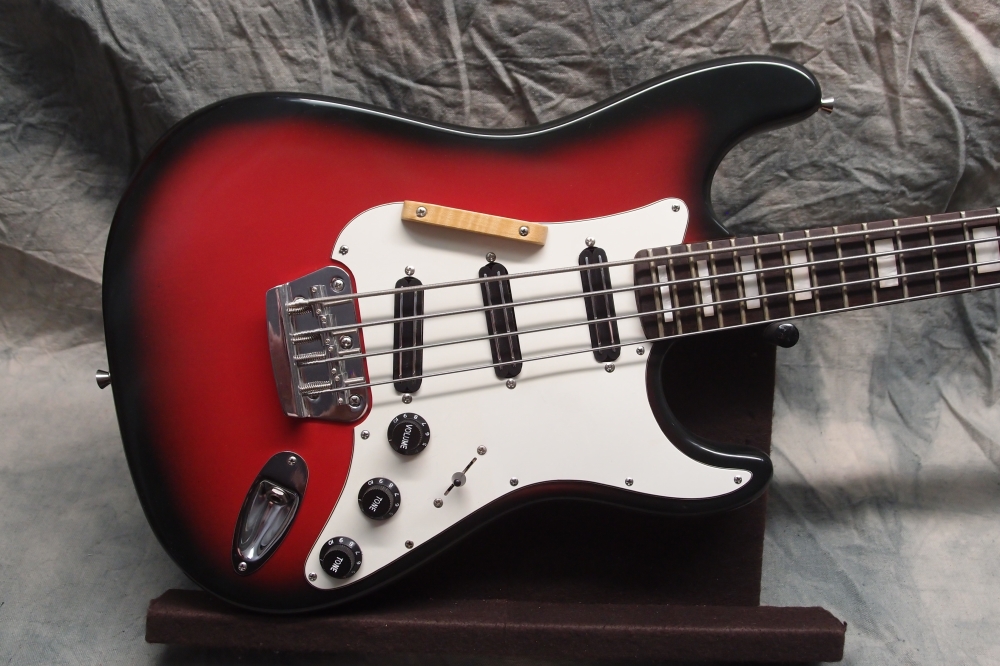
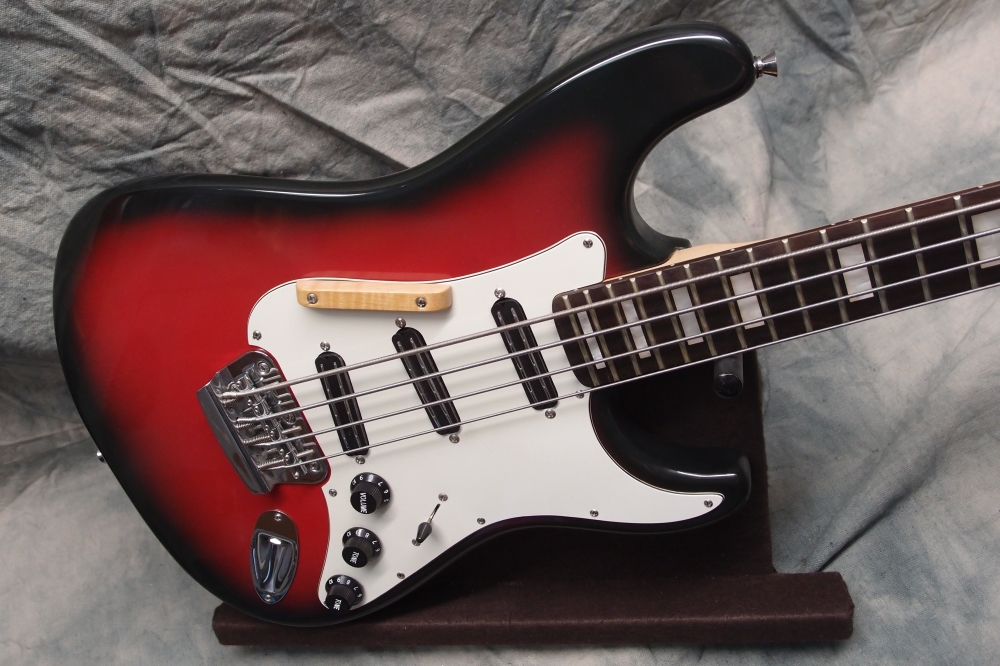
Classic battery-less passive electronics.
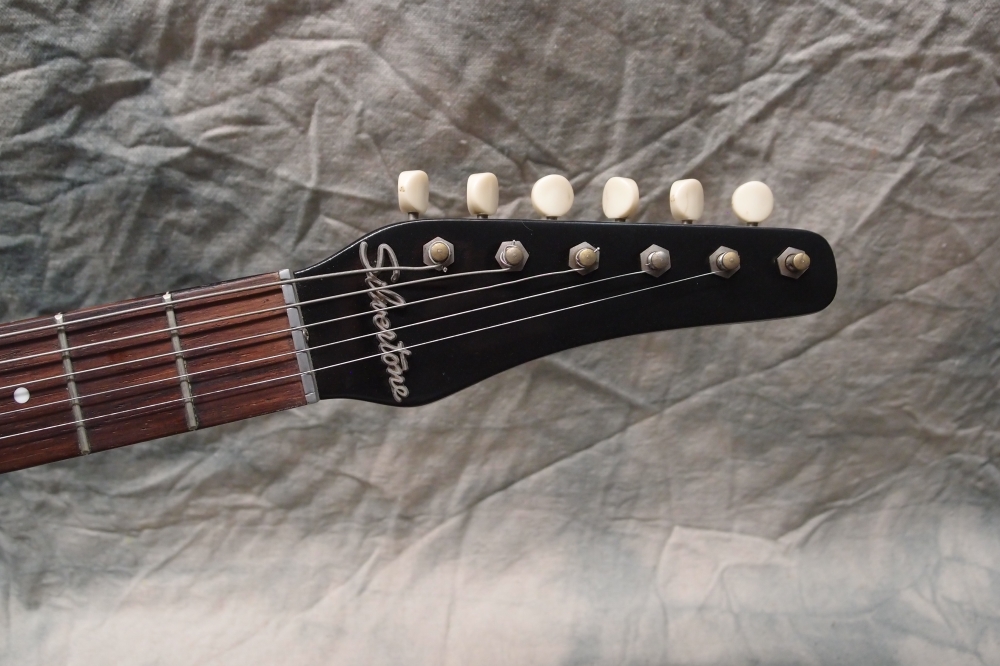
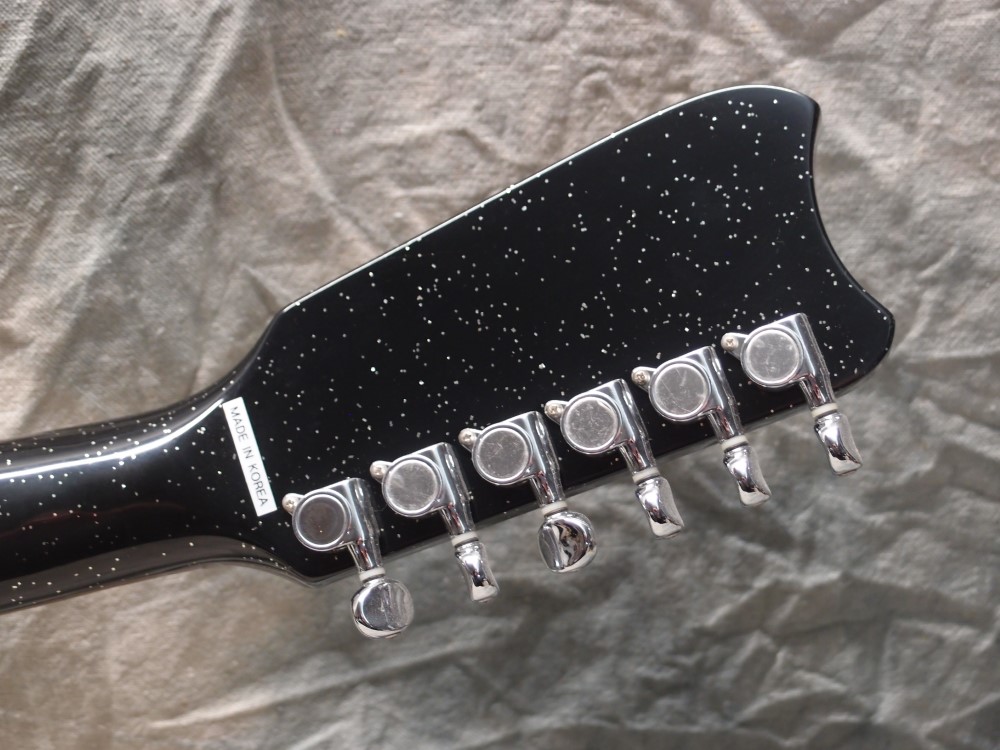
This started as a vintage neck that I got on eBay. I built a reproduction body and hunted-down old-style parts to rebuild this as authentically as possible. The finish is black nitro, which is accumulating nitro damage just from existing. Someday I should strip that garbage off and re-shoot it in polyurethane.
More: Silvertone U-1 "Dolphin" Guitar ...
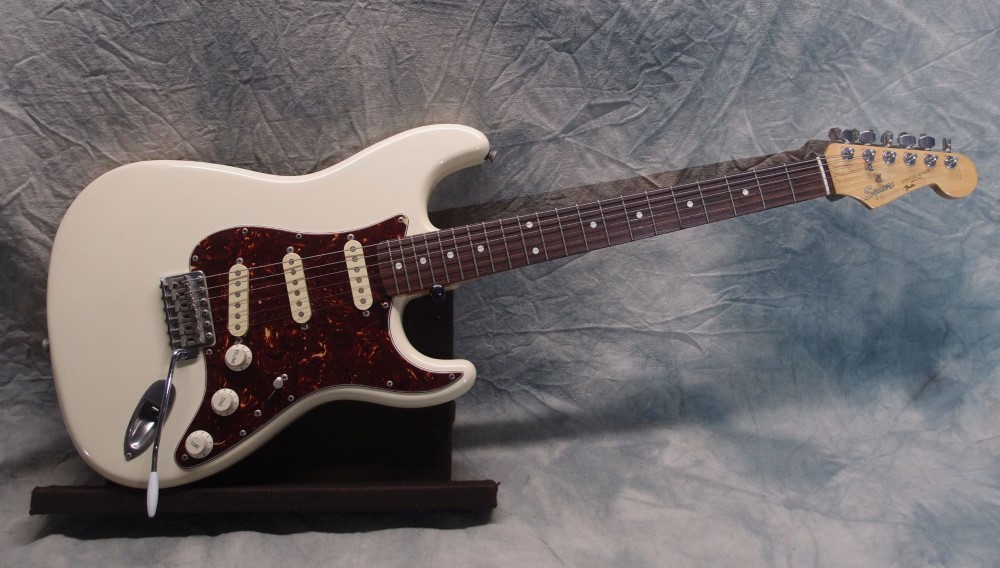
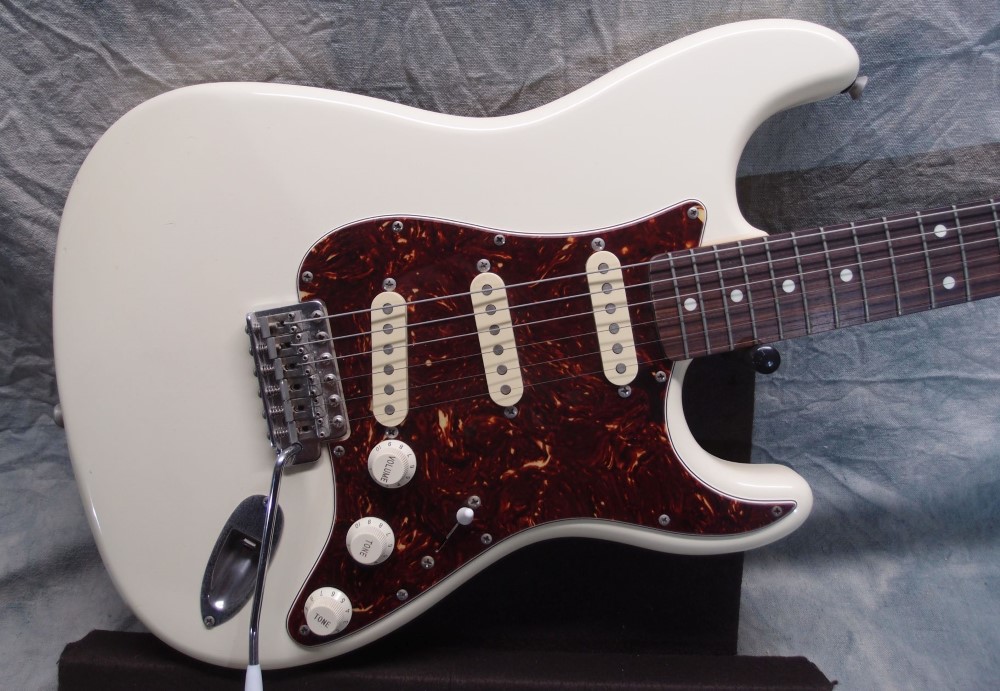
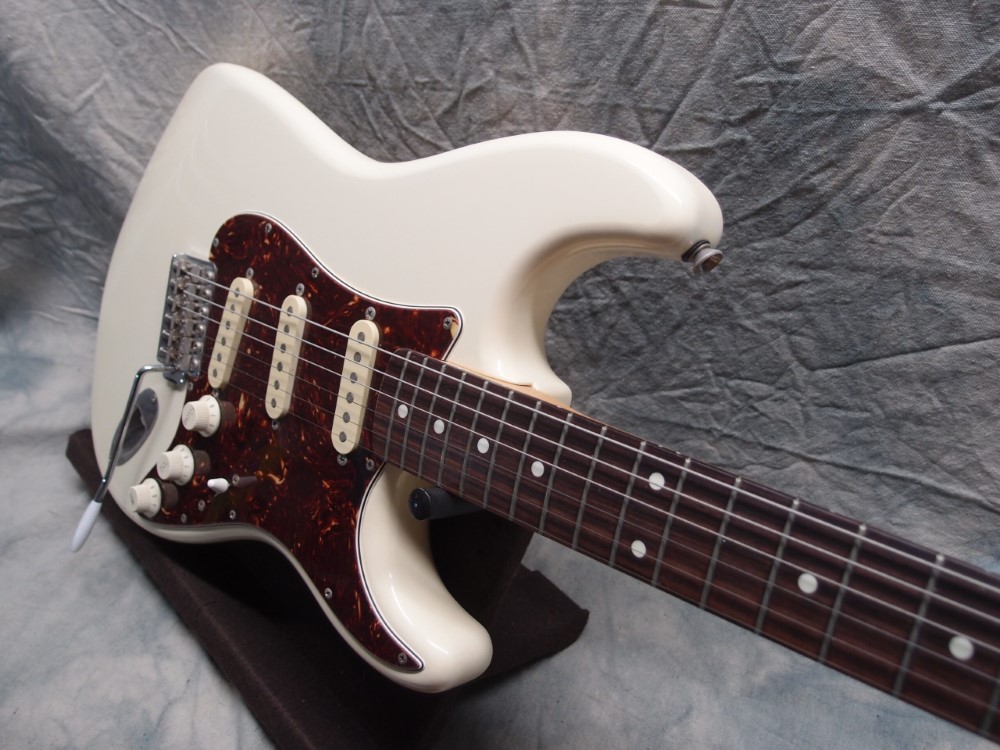
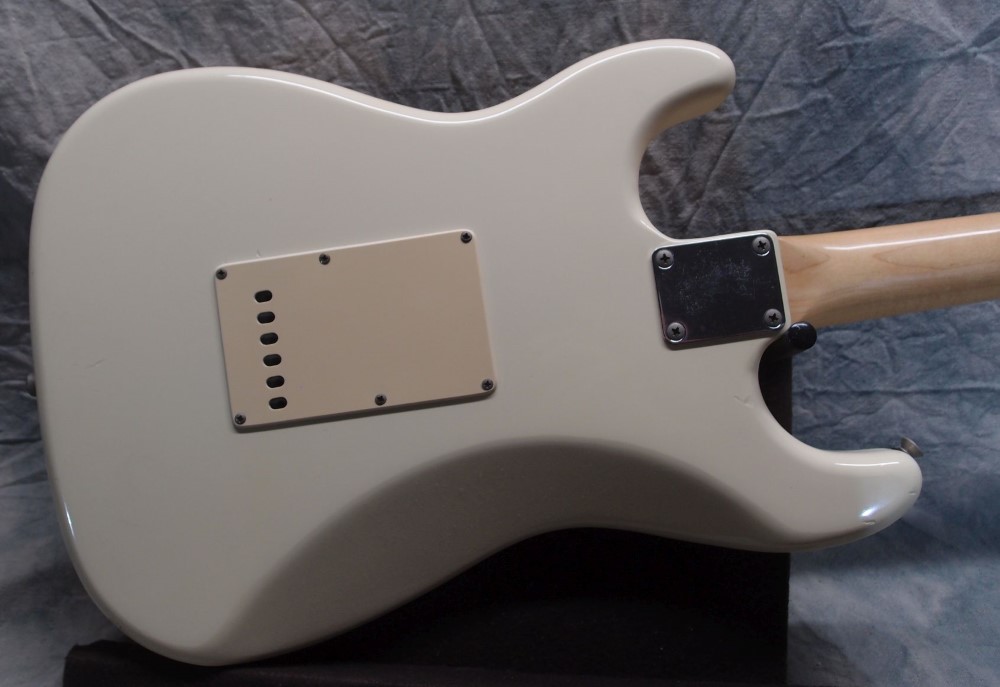
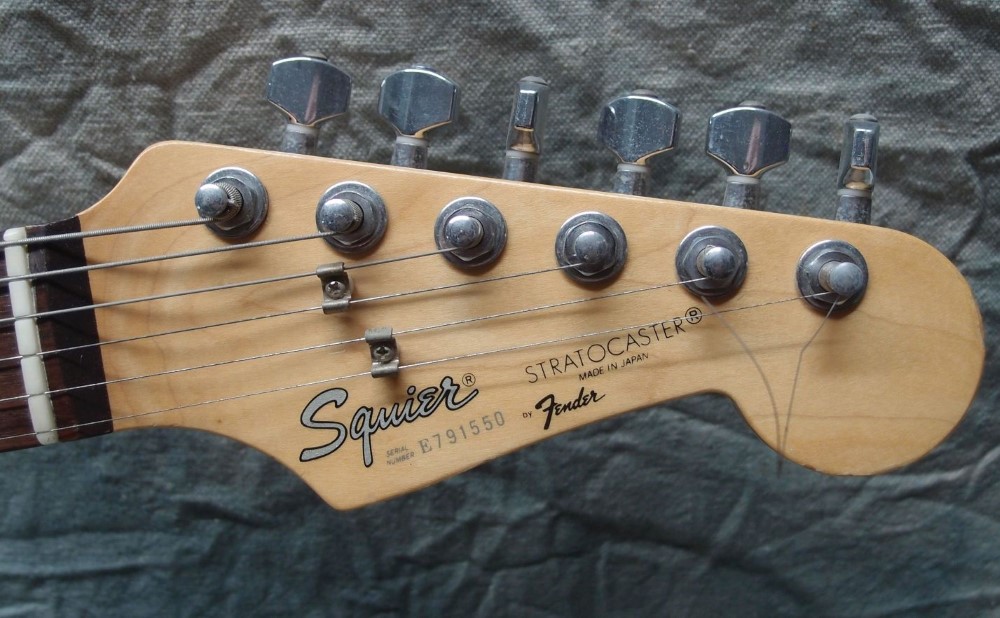
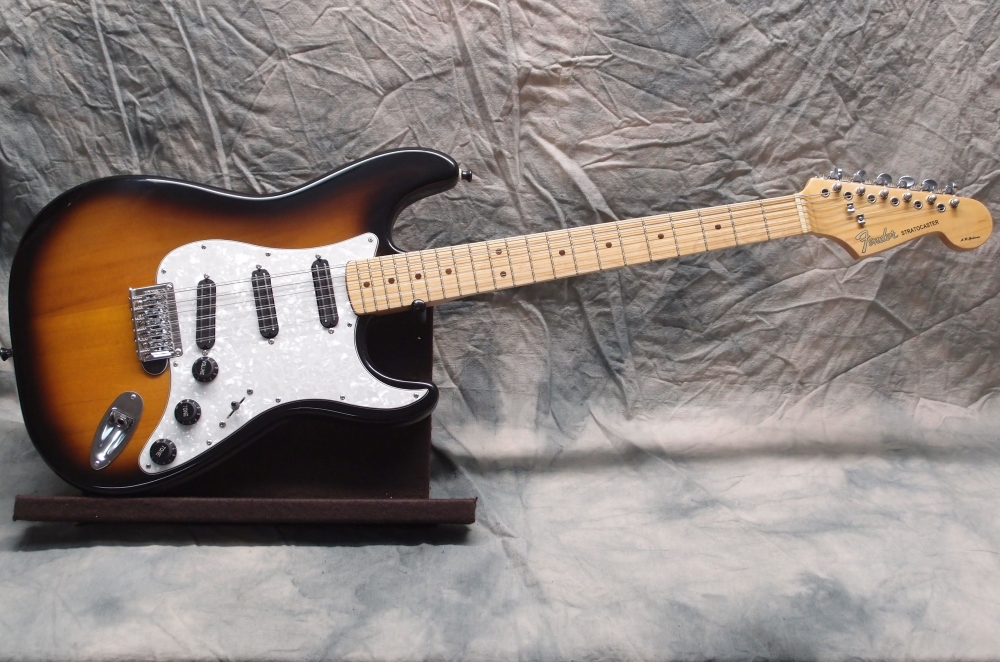
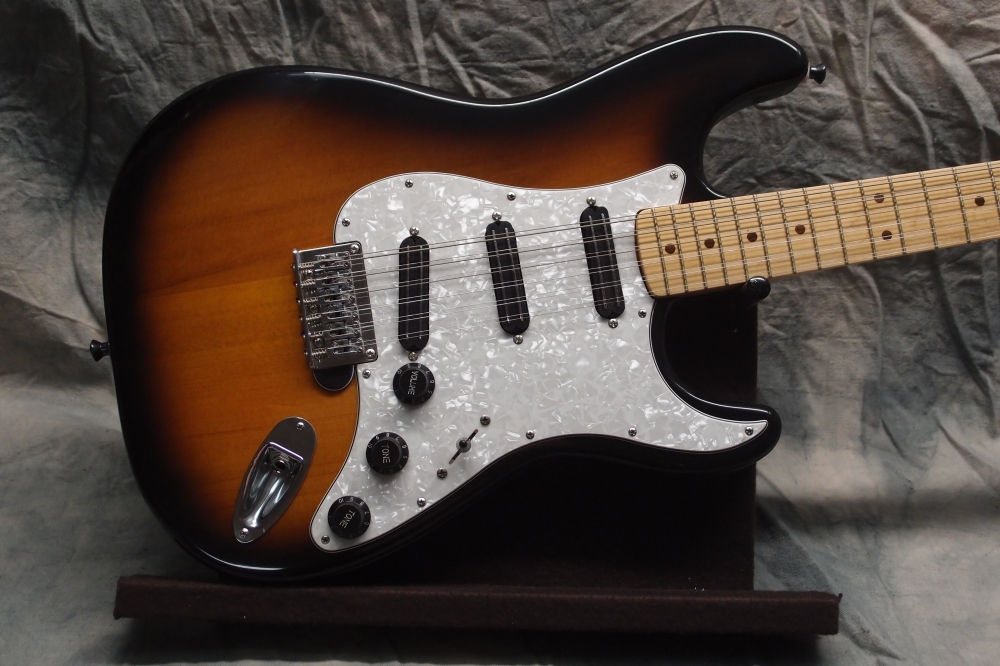
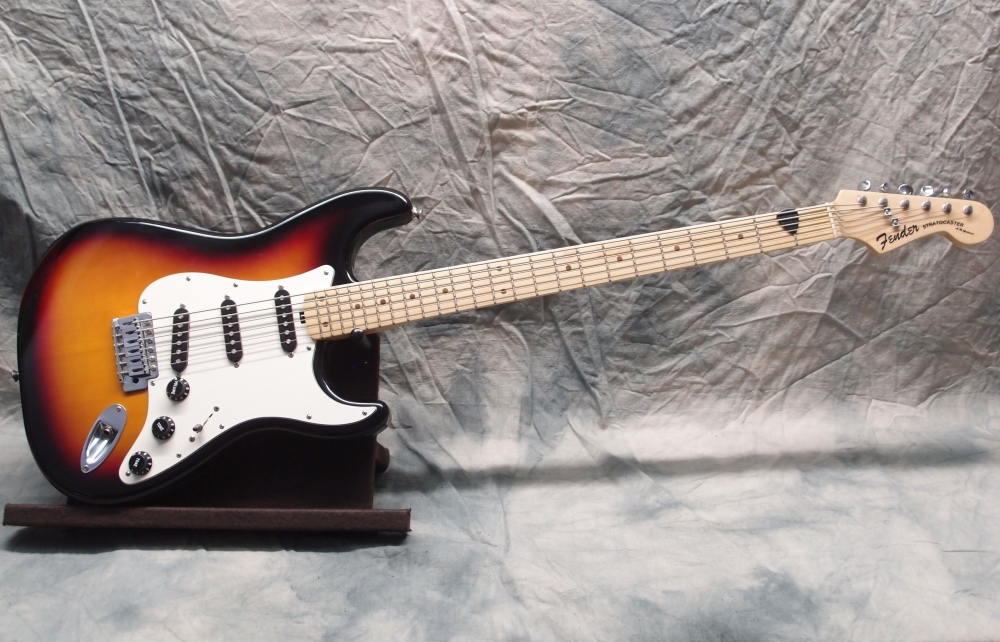
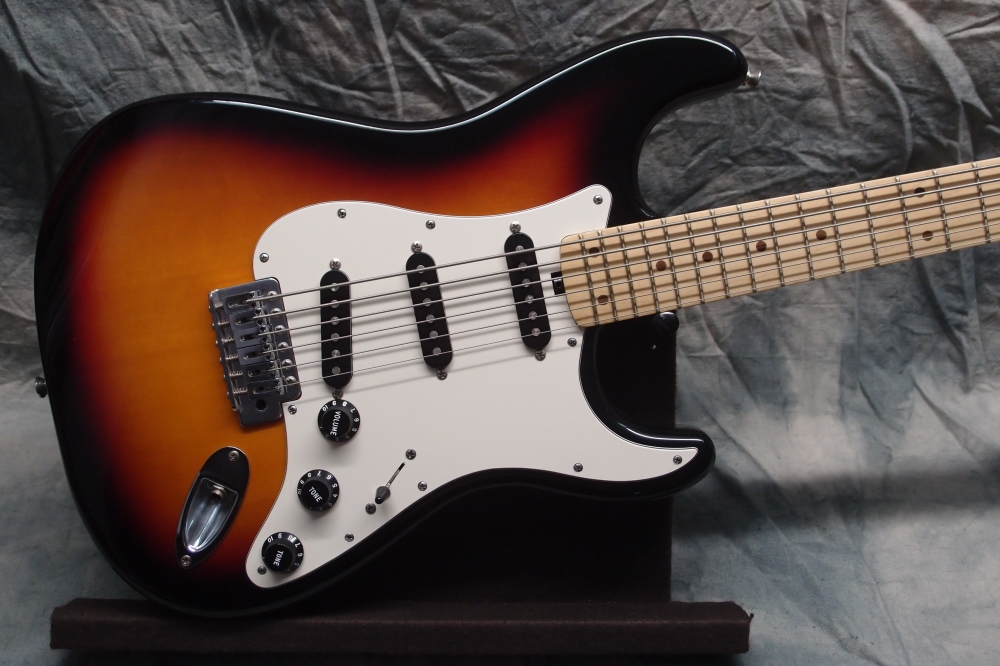
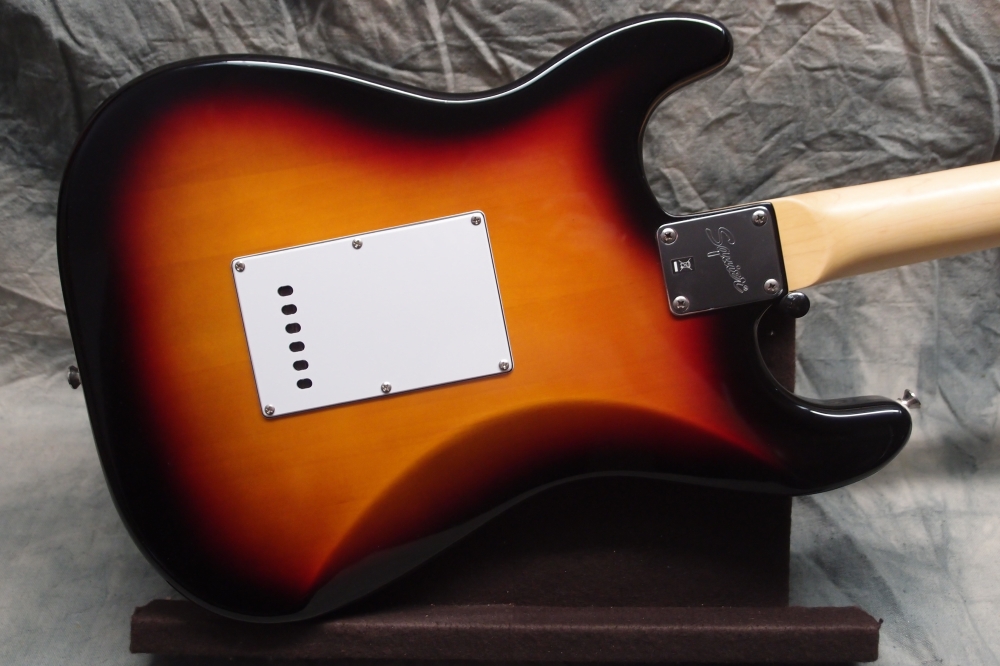
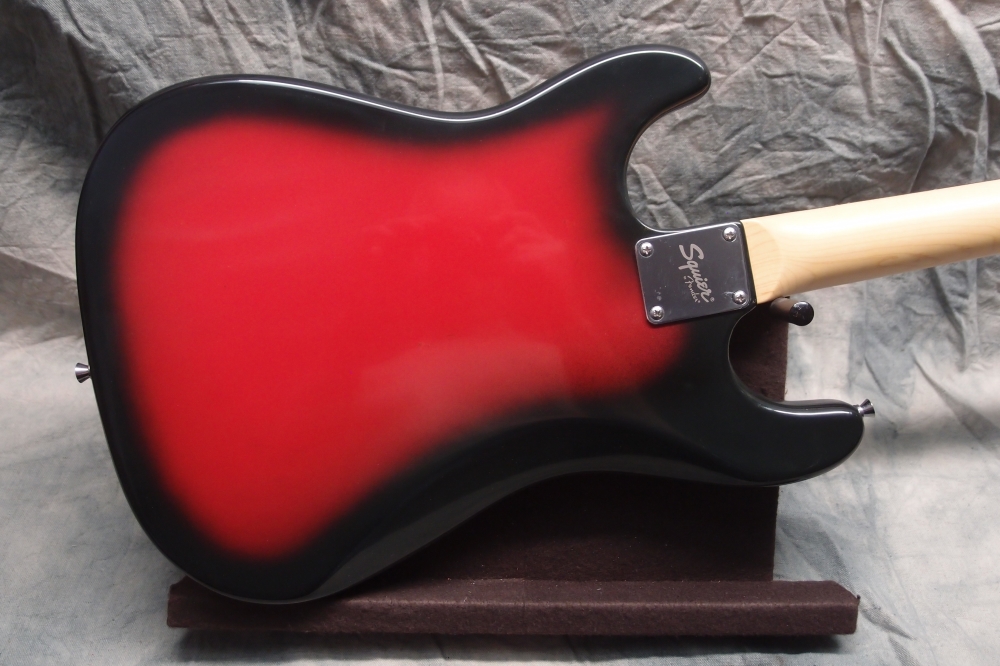
This is my reference for guitar setups - a Japanese "E-series" Squier Stratocaster from the early '80s. This was an era when Fender-America was not doing their best work, while the Japanese models were superb.
More: Squier '62 Stratocaster ...
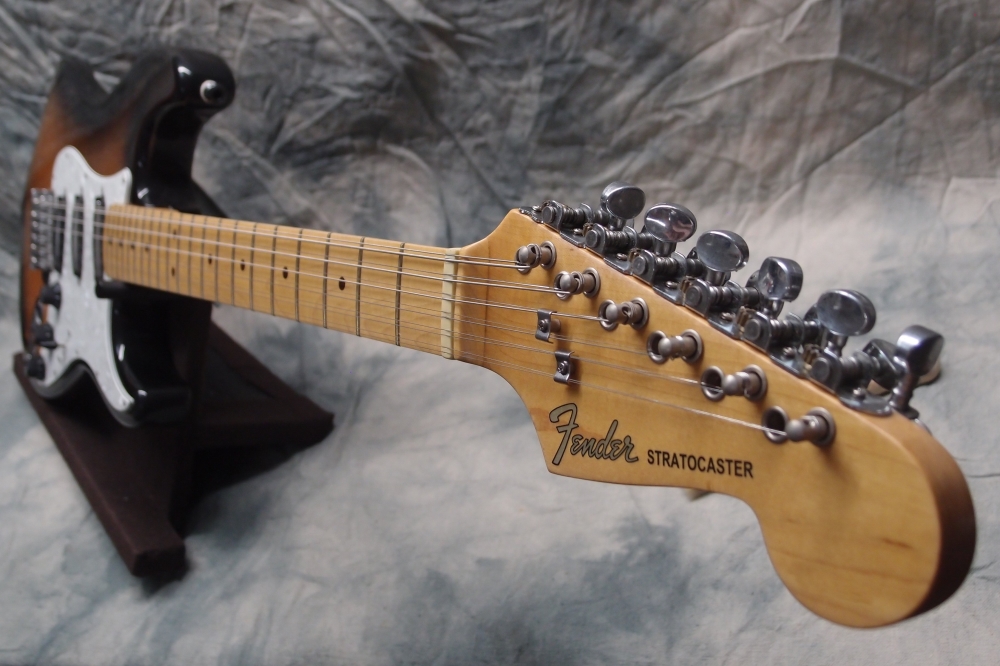
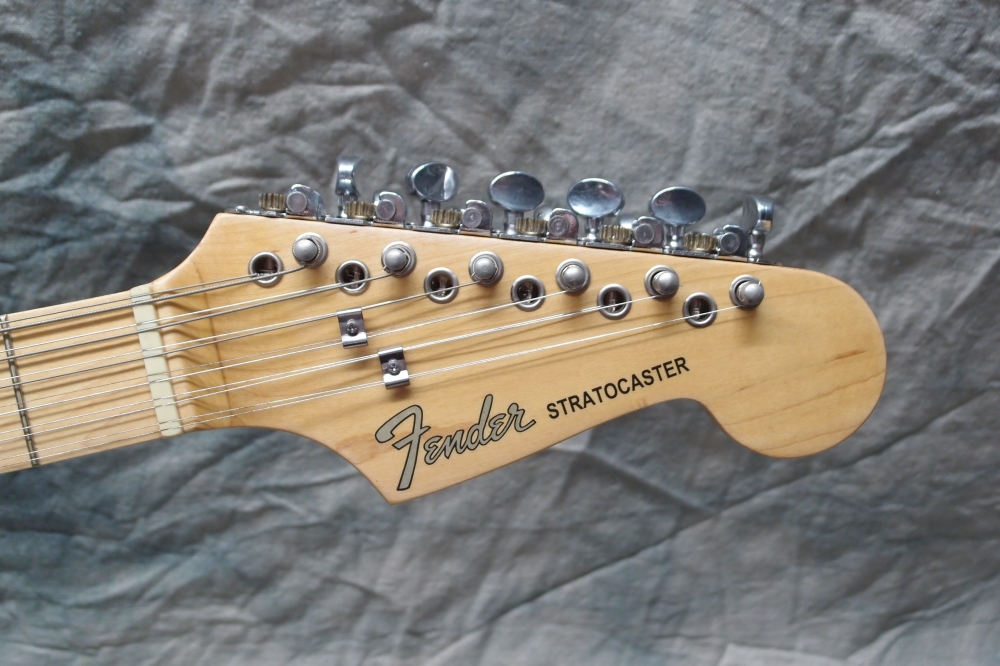
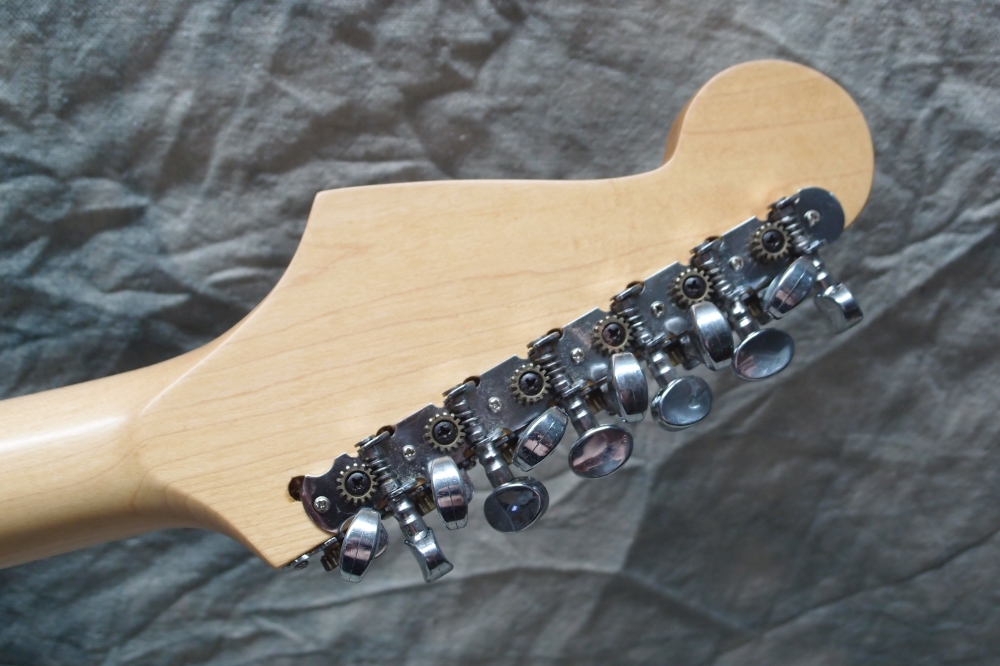
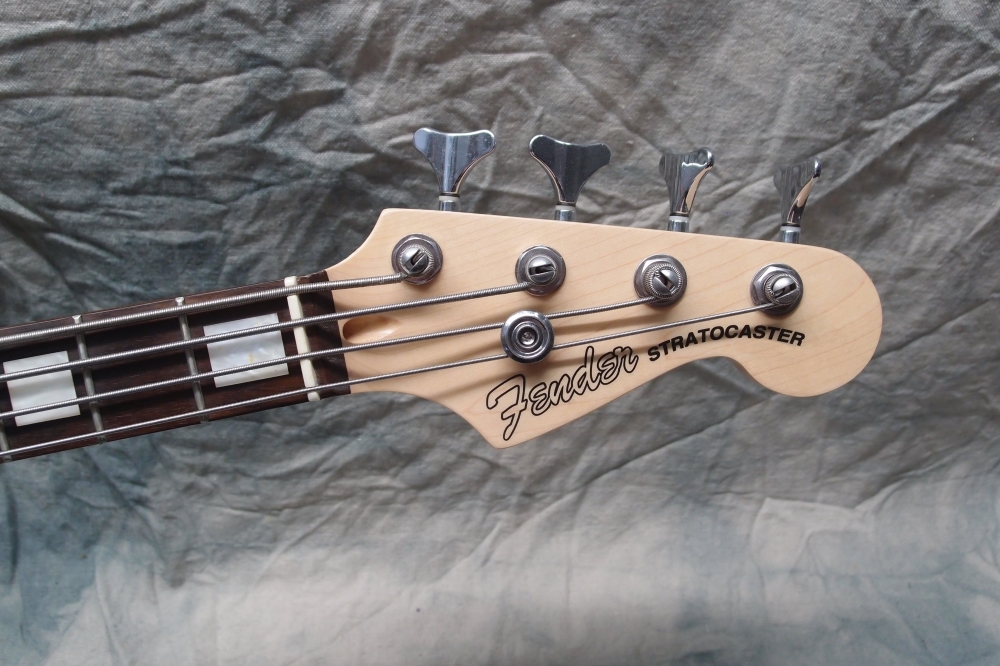
Fender Stratocaster 12-string Guitar
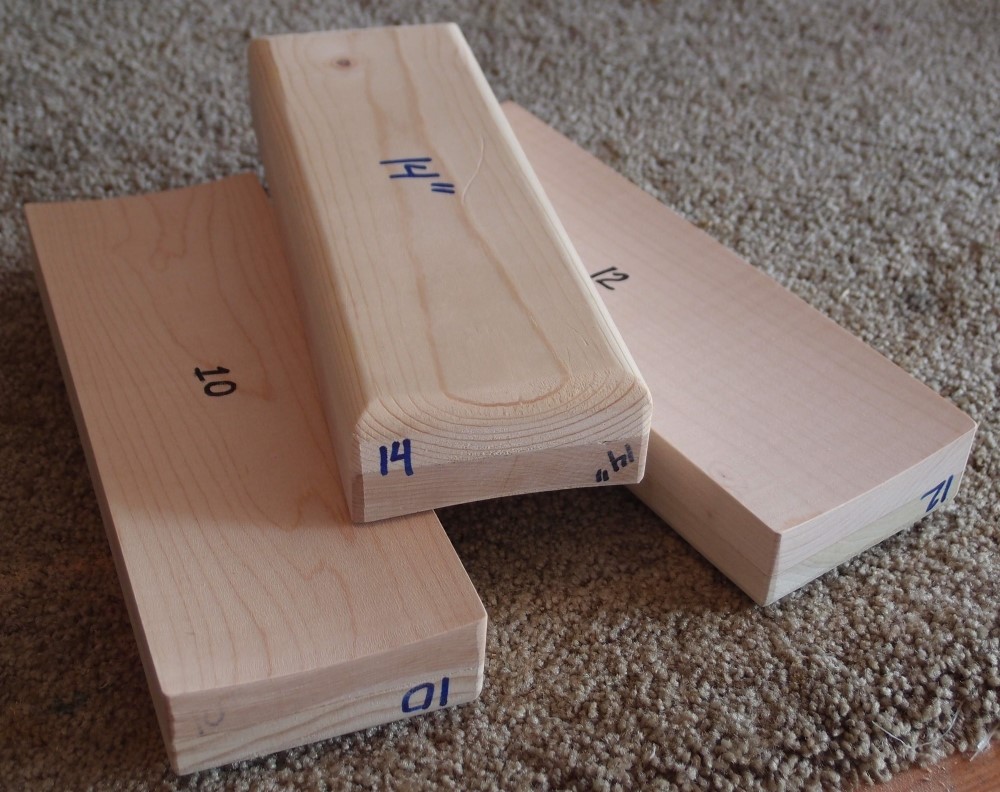
Extended headstock with all tuners interleaved on one side. Strip tuners gave tight spacing, but required very precise drilling. EBay body. Home Depot neck.
More: Stratocaster 12-String Guitar ...
The Fender Bass VI was a bass for guitarists. It was basically a Jazzmaster body with a 30" short-scale bass neck and six mid-weight strings tuned EADGBE one octave below a guitar, or the same as a bass. The string spacing is such that it can only be played with a pick. You can look up the rest of the details. Danelectro actually invented the Bass VI, they were always willing to try new things while Fender and Gibson were just determined to deepen the rut they were in. Rickenbacker's rut is so deep they can't even see out of it.
More: Stratocaster Bass VI ...
Eden paddle-head guitar neck converted to bass. Strings are lower four of 5-string set, unwound to fit 25" scale.
More: Stratocaster Micro Bass 1 ...
Originally all red, refinished in black burst. Eden paddle-head guitar neck converted to bass. Strings are lower four of 5-string sets, unwound to fit 25" scale.
More: Stratocaster Micro Bass 2 ...
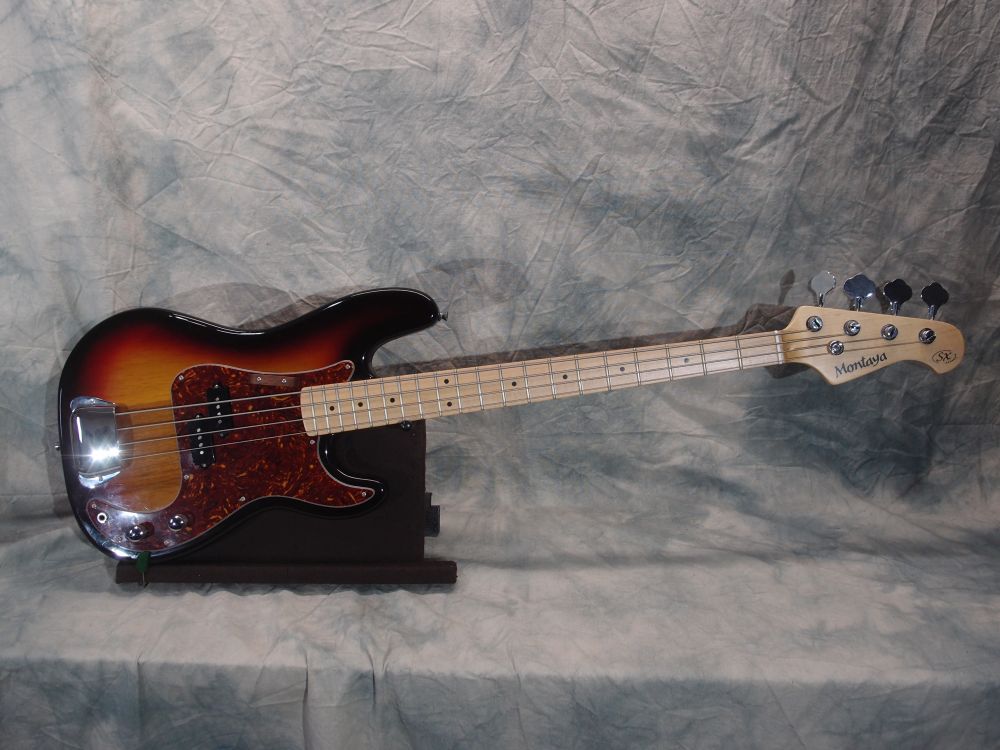
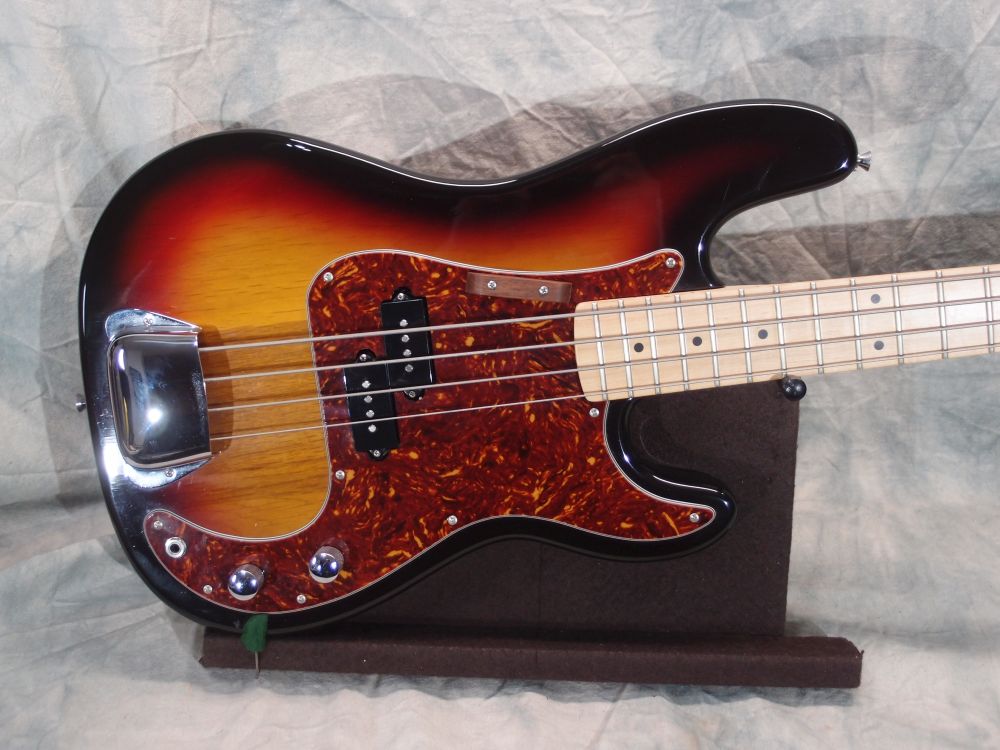
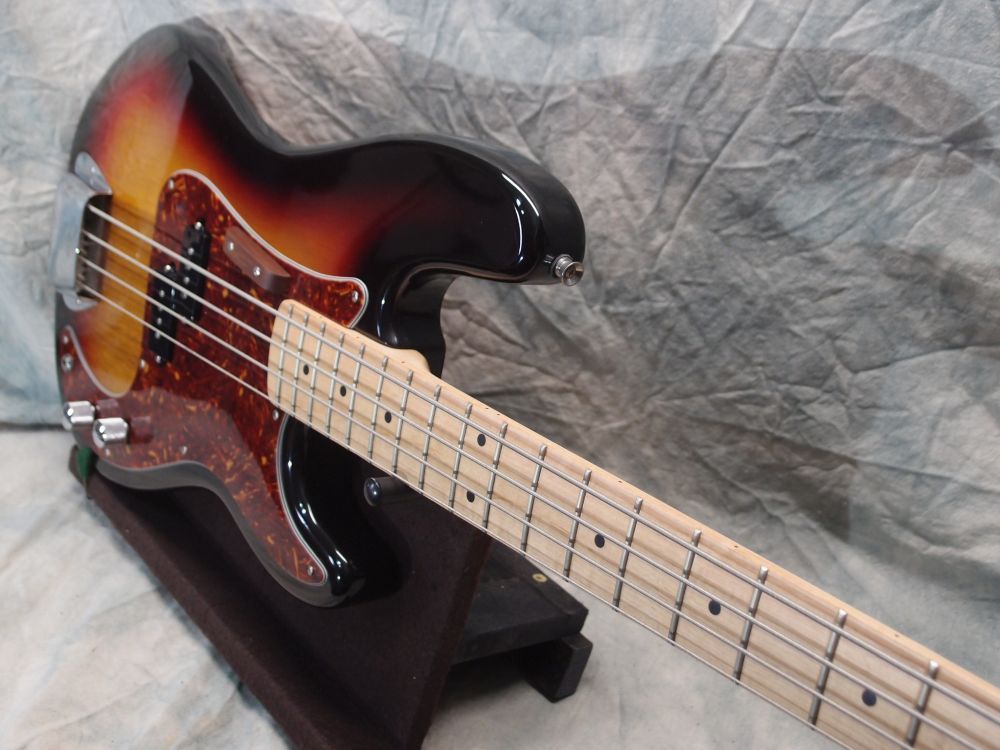
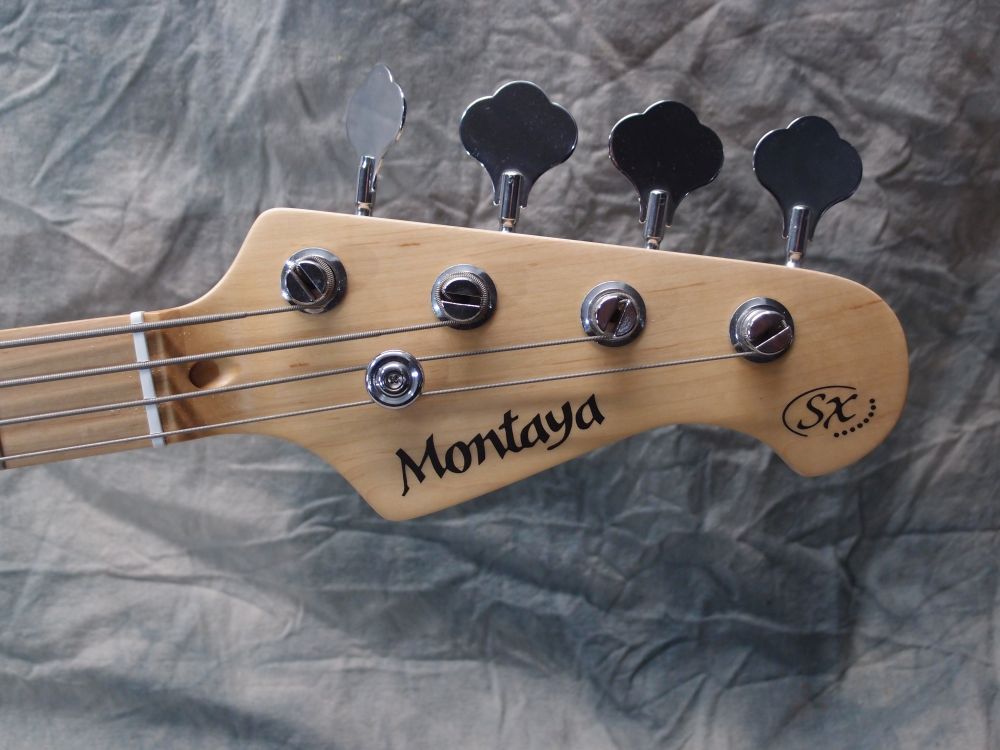
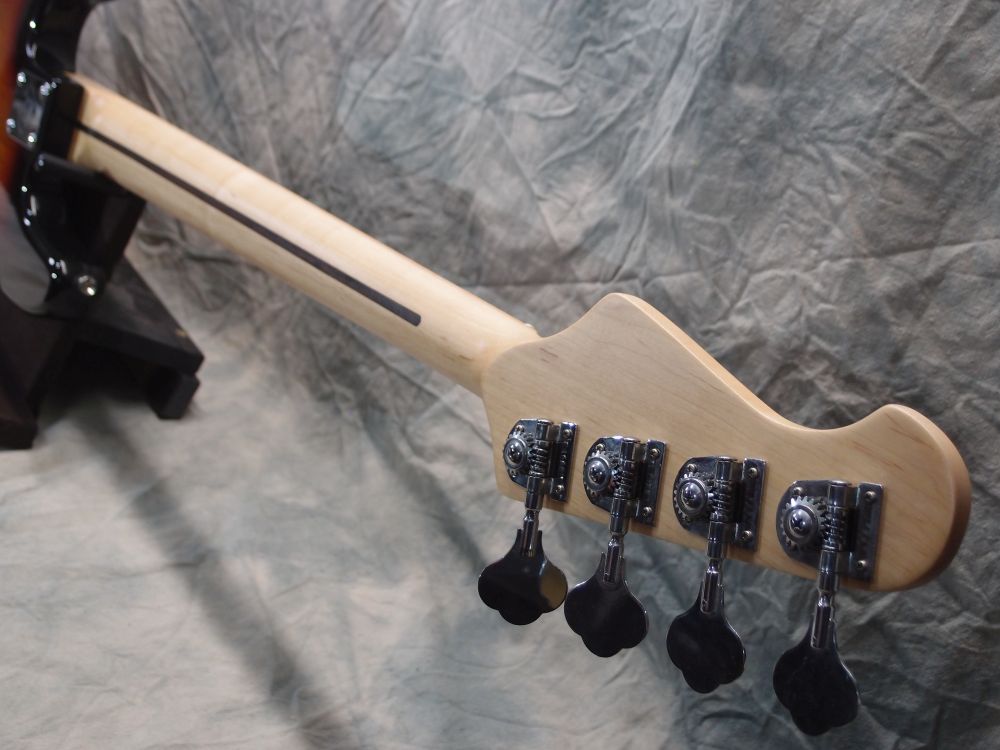
This is my attempt to recreate my very first bass, a "Montaya", as well as one of my first ventures into 'modding'. These SX's are great instruments. For 109 bucks you get an alder body with a beautiful 3-tone sunburst, a decent neck, functional bridge & tuners, and a flawless finish. What you don't get is any kind of useable pickups or strings. On this one, I installed a USA Fender pickup, my favorite d'Addario strings, and gave it a careful fret dressing and setup. I also added the tortoise pickguard, rosewood thumbrest, and ashtray for the looks only. At the time, I was going purely from memory, but I later found a picture of the original, and I got it dead right.
More: SX SPB-57 Precision Bass ...
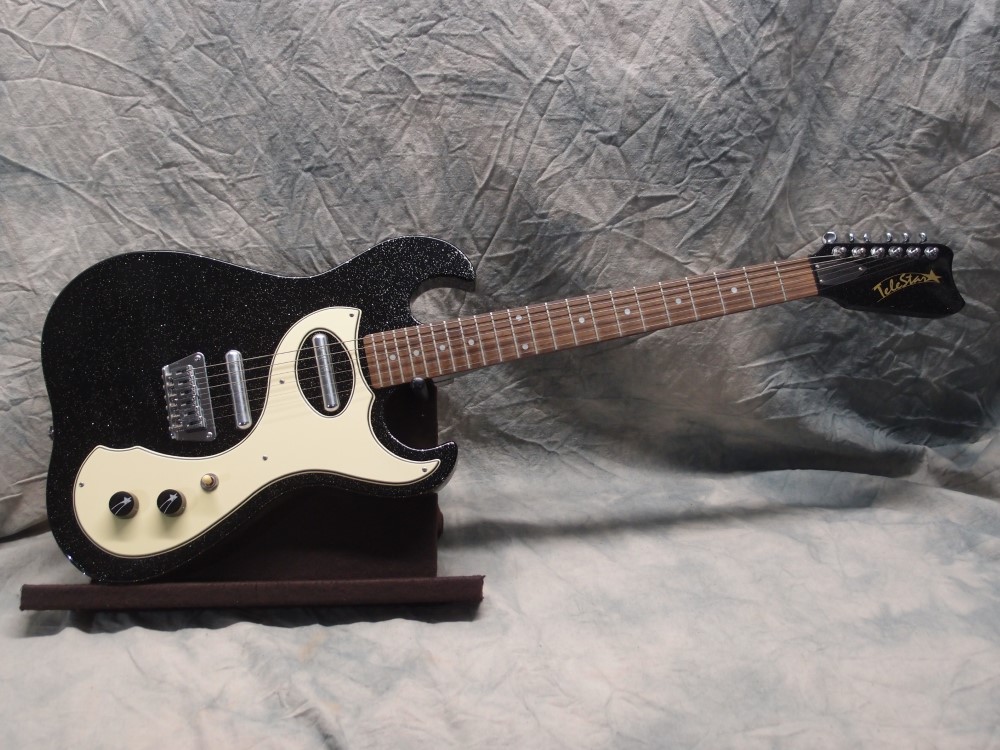
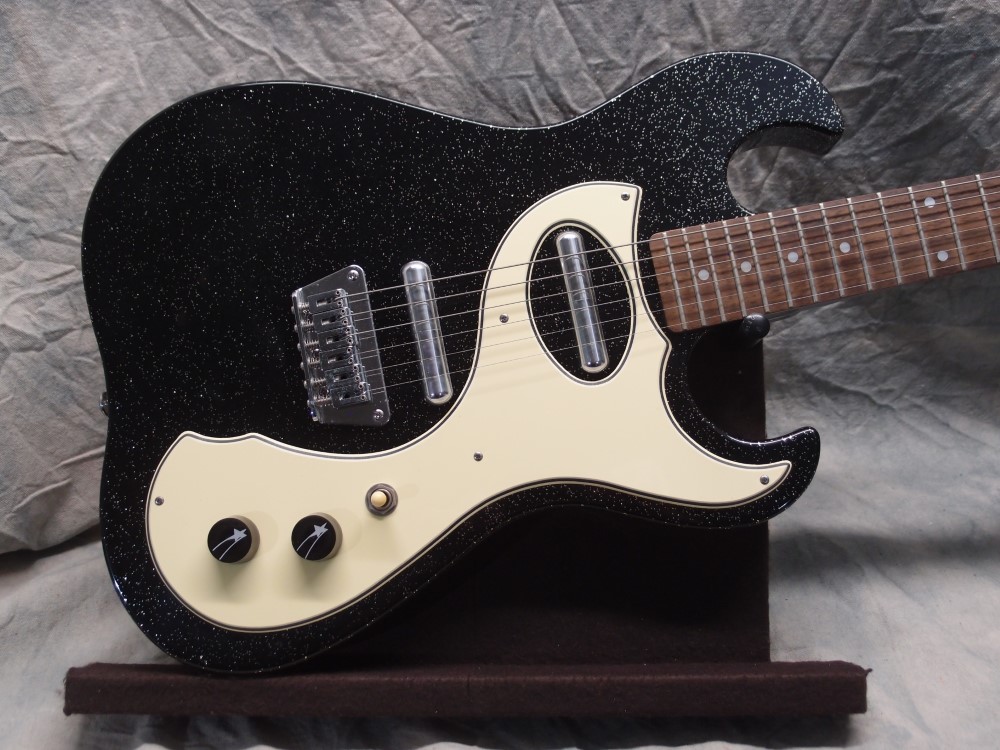
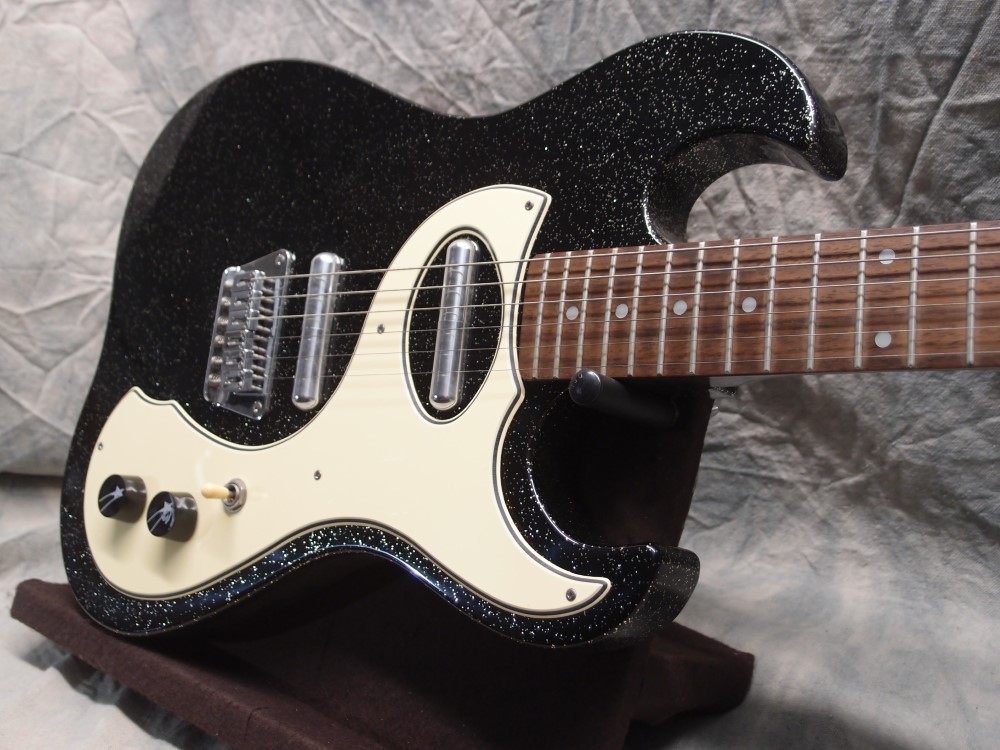
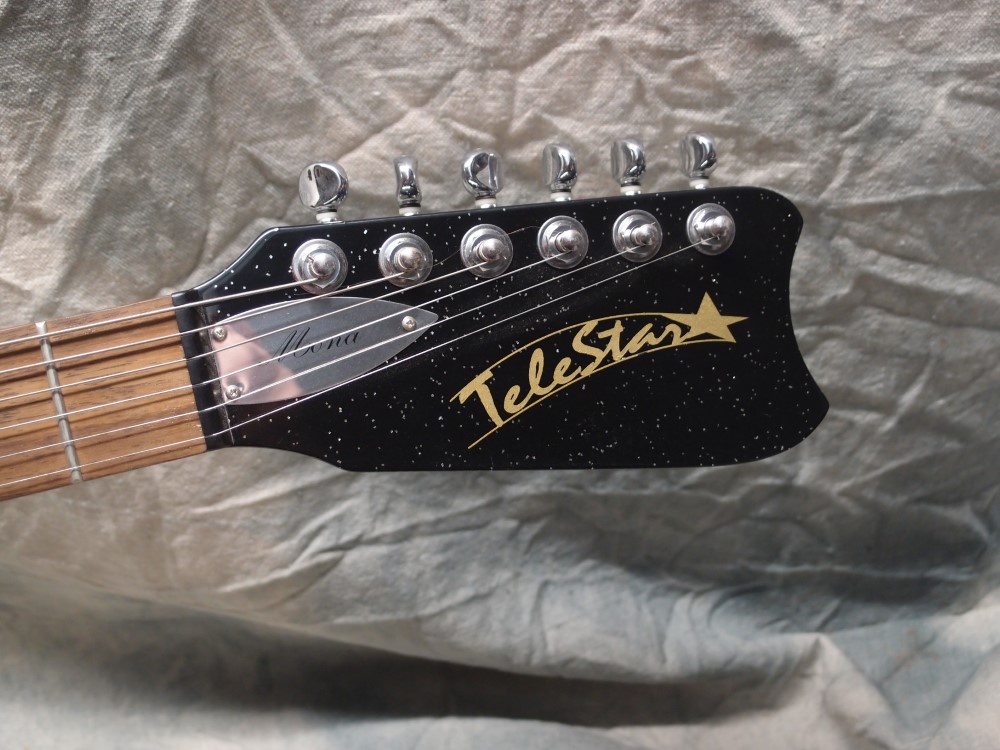
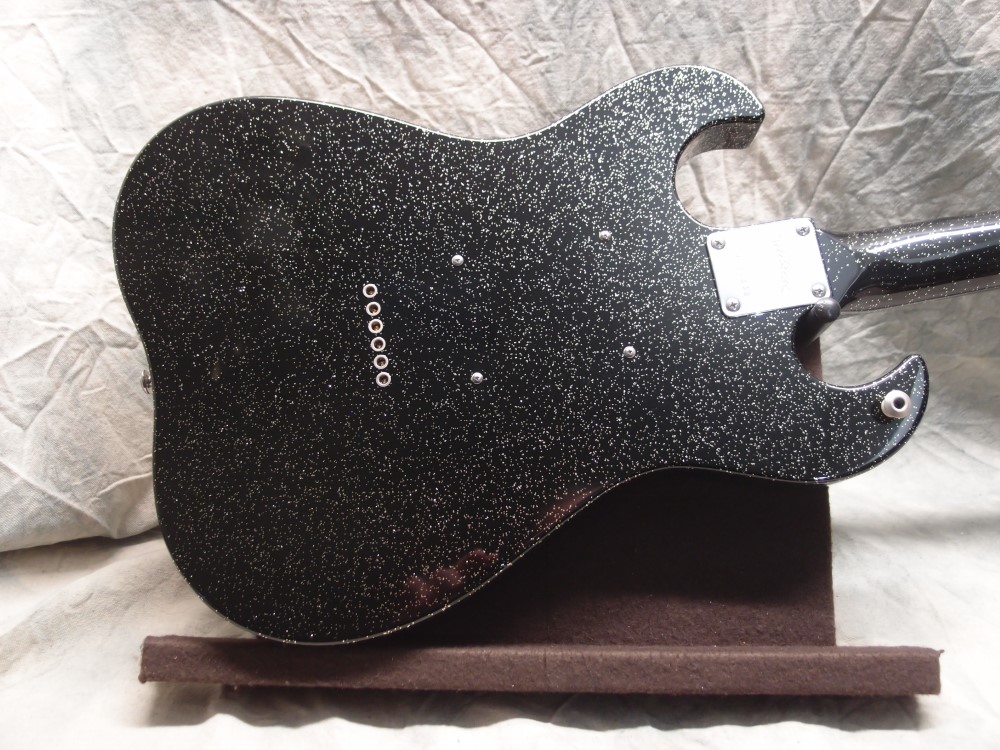
Around the time that Evets was putting out their first round of Danelectro reissues in the late '90s, several disaffected Gibson employees started their own company, and put out two models - 'Mona' and 'Lisa'. The Mona is a copy of the Danelectro 1457 from the 1960s. It is a mix of old and new. The body is classic masonite over a hollow core, but lacks the Tolex edge binding of the original. While it has the speckles of the original, the finish is modern polyurethane. The pickups are true lipsticks, wired in series, but the pickguard is bevel-edged plastic, and the bridge is basically a Fender. The headstock is the right shape, but bent down to lessen the awkward string angles.
More: Telestar Mona ...