December 18, 2019
Finally Some Real Work
December 18, 2019
I've actually been having fun doing some programming - behind-the-scenes stuff to make the site easier to administrate. WordPress is ok with even a few dozen pages, but when it gets up into the hundreds, administering everything becomes very cumbersome. Now it is easy. Some of it I did just to figure out how to do it.
But today something neat came in the mail from China.
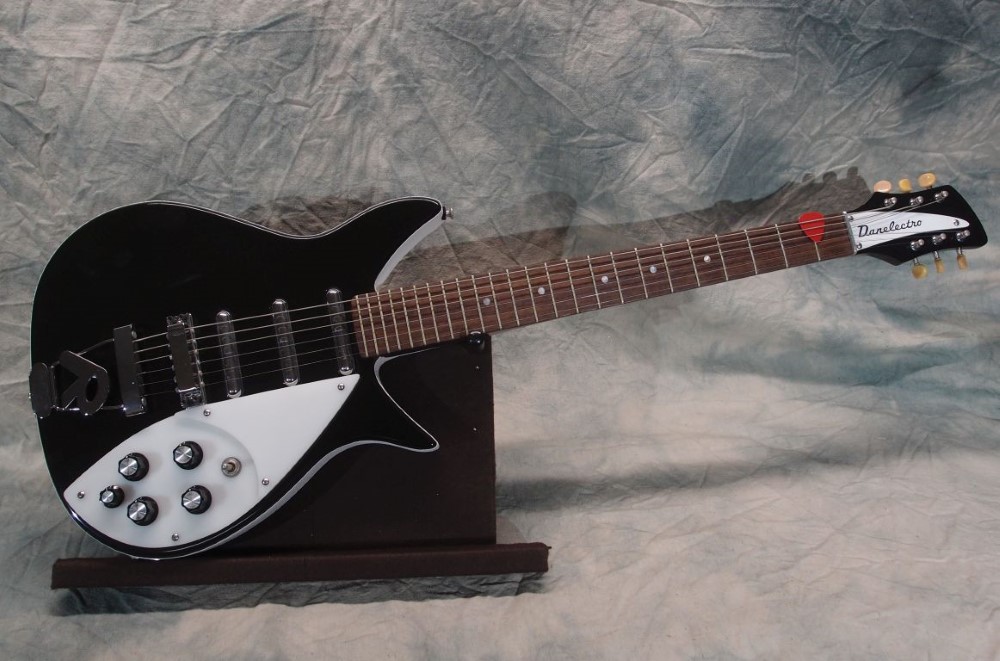
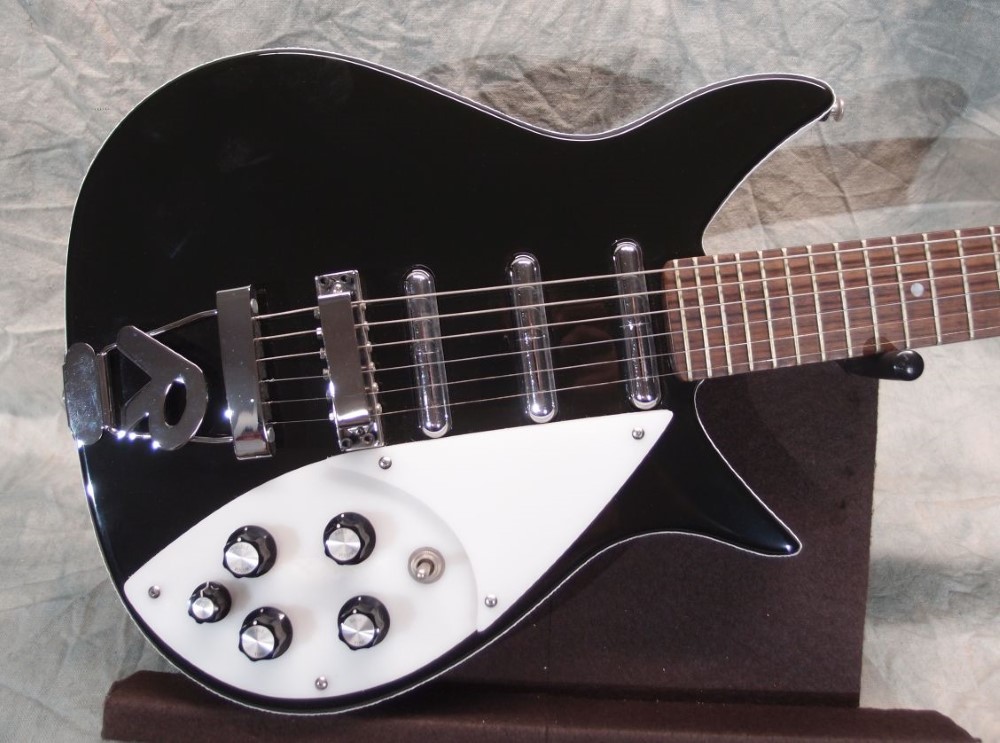
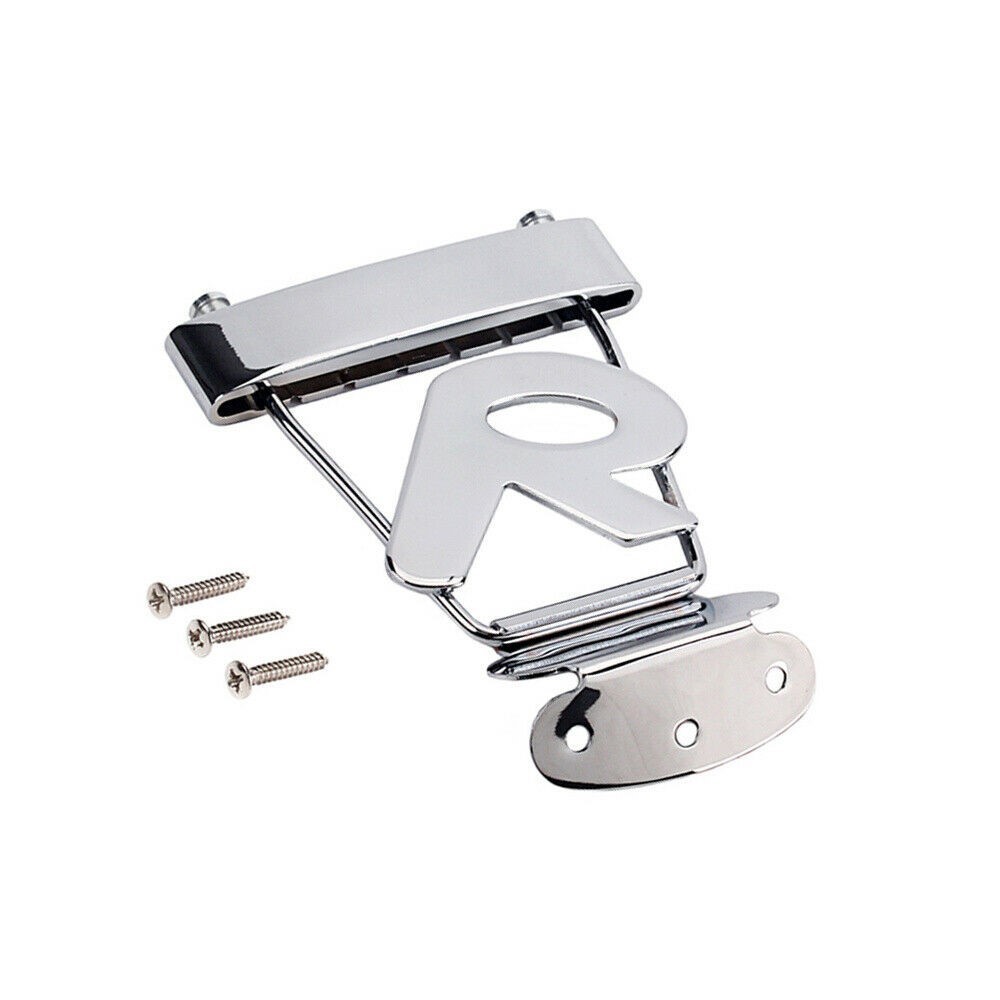
I got a new tailpiece for one of my oldest projects - the Danobacker 325 "John Lennon" guitar. The old tailpiece was pretty plain, and the nickel was starting to look shabby. These "R" tailpieces have been around for a while, but up til now only in gold. The R stands for ... ummm ... Retro.
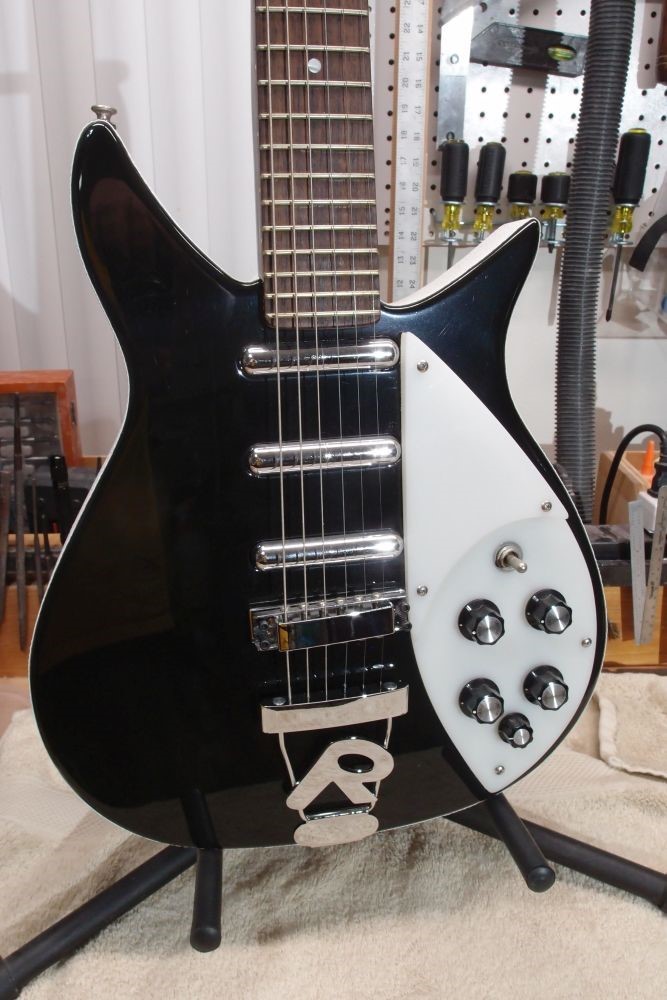
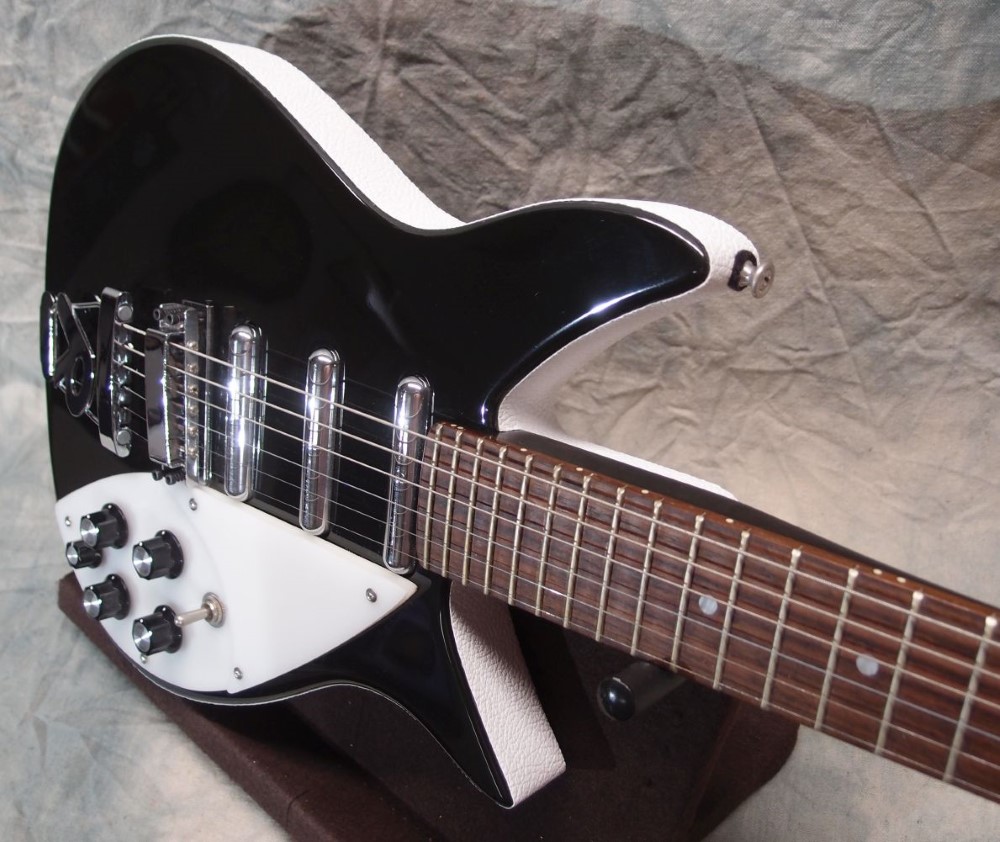
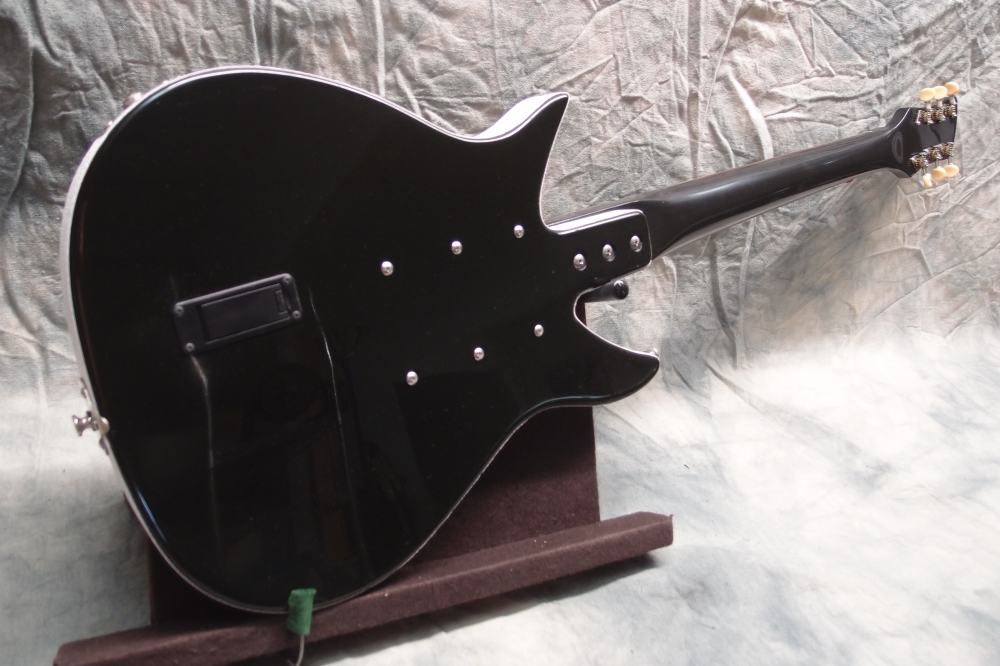
This guitar has gone through a lot of changes. This is the second neck, and I refinished it from crappy lacquer to polyurethane. I also cut new notches in the bridge saddles for Fender spacing, rather than unplayable Ric spacing. I have re-wired it several times, and replaced the binding twice. And now this.
This has been a testbed for all sorts of things, and yet somehow, it is still gorgeous.
Here's the whole thing, on The Slab (TM). The new part really dresses up the old girl. Just one old screw hole shows, but eventually the flexible Tolex binding will close up around it, it is already very small. I could fill it with white spackle too. To install the new tailpiece, I put a capo on the neck to hold the strings in place, and then loosened them until they would pull out of the notches.
A really nice $12 upgrade from eBay.