Routers
If you don't already have a router, I recommend you get a small one like this:
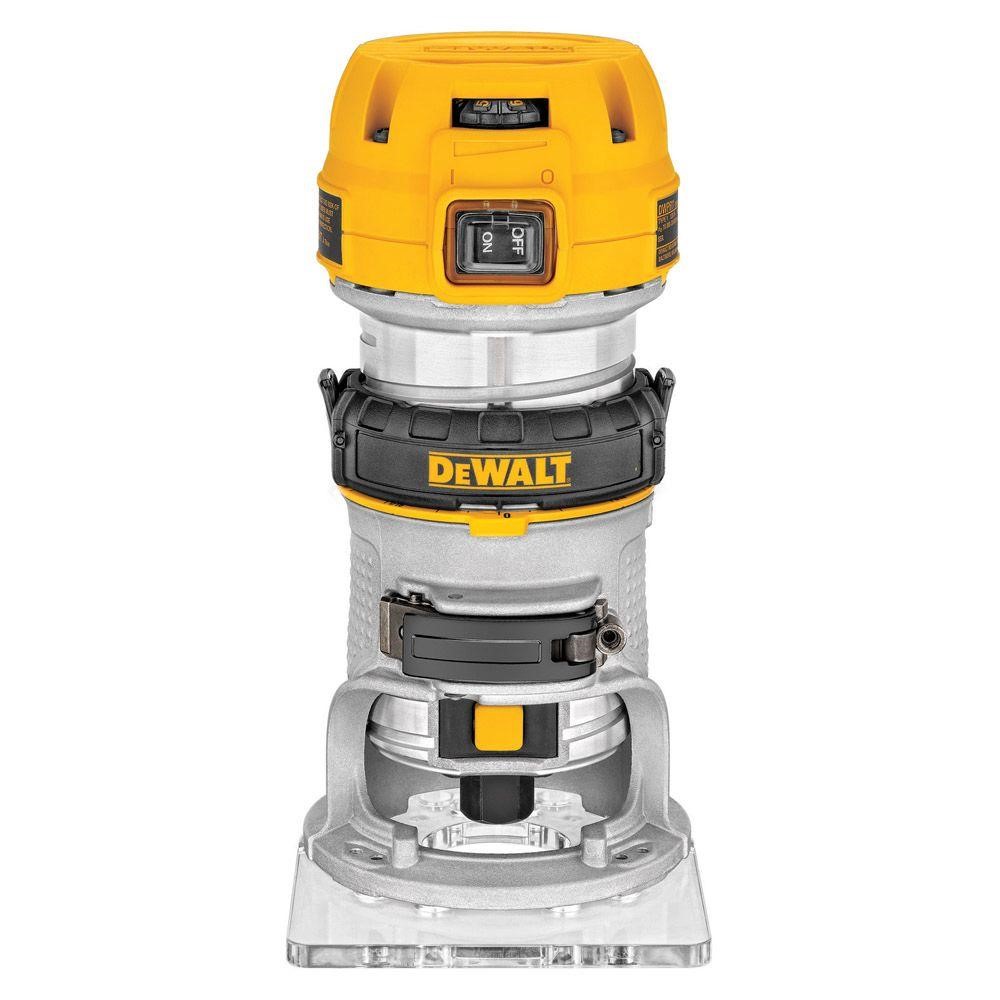
I have two of these, and a couple of the old two-fisted full-sized variety. Since I got the first mini-router, I have never touched a big one again.
These are also known as "laminate trimmers", but don't be fooled, they have plenty of power to do any task required for luthiery and many other things. The great advantage is one-handed controllability. The disadvantage of these small routers is that they only take 1/4" shaft bits.
A problem with any router, but especially a small one, is that the base is narrow and unstable. That is easily fixed. Get a piece of 1/4" phenolic or clear polycarbonate, and you can make any sort of router base you want. For example:
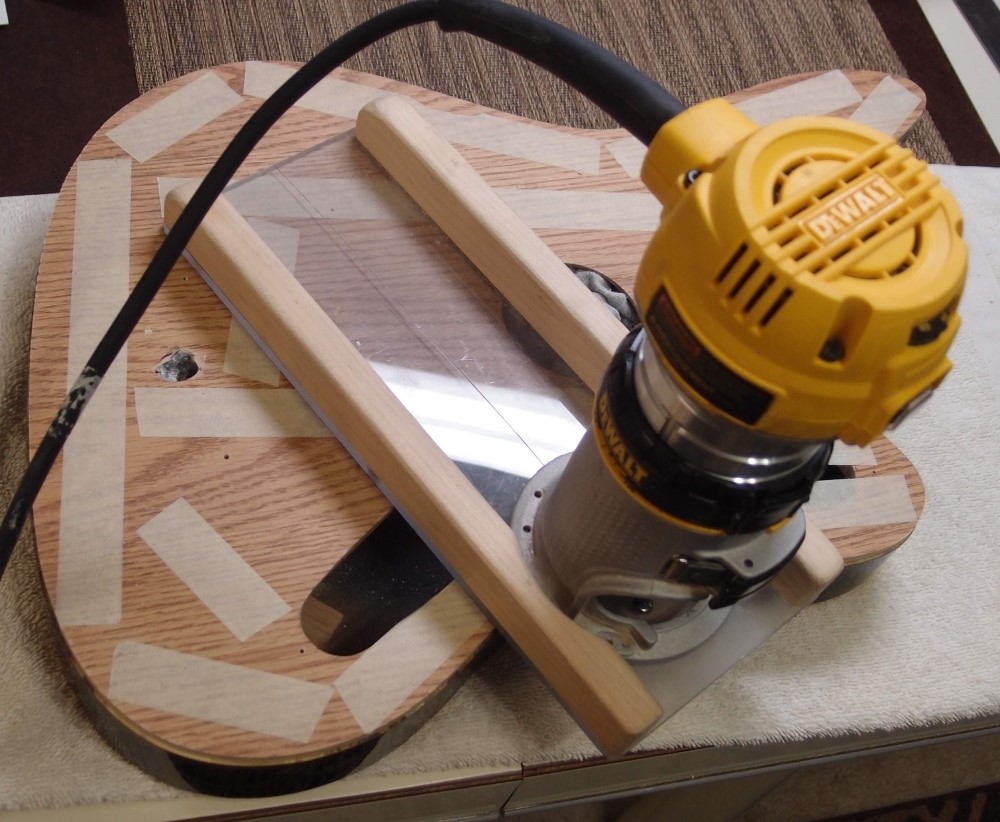
Notice how much of the router base rests on the workpiece, for absolute stability.
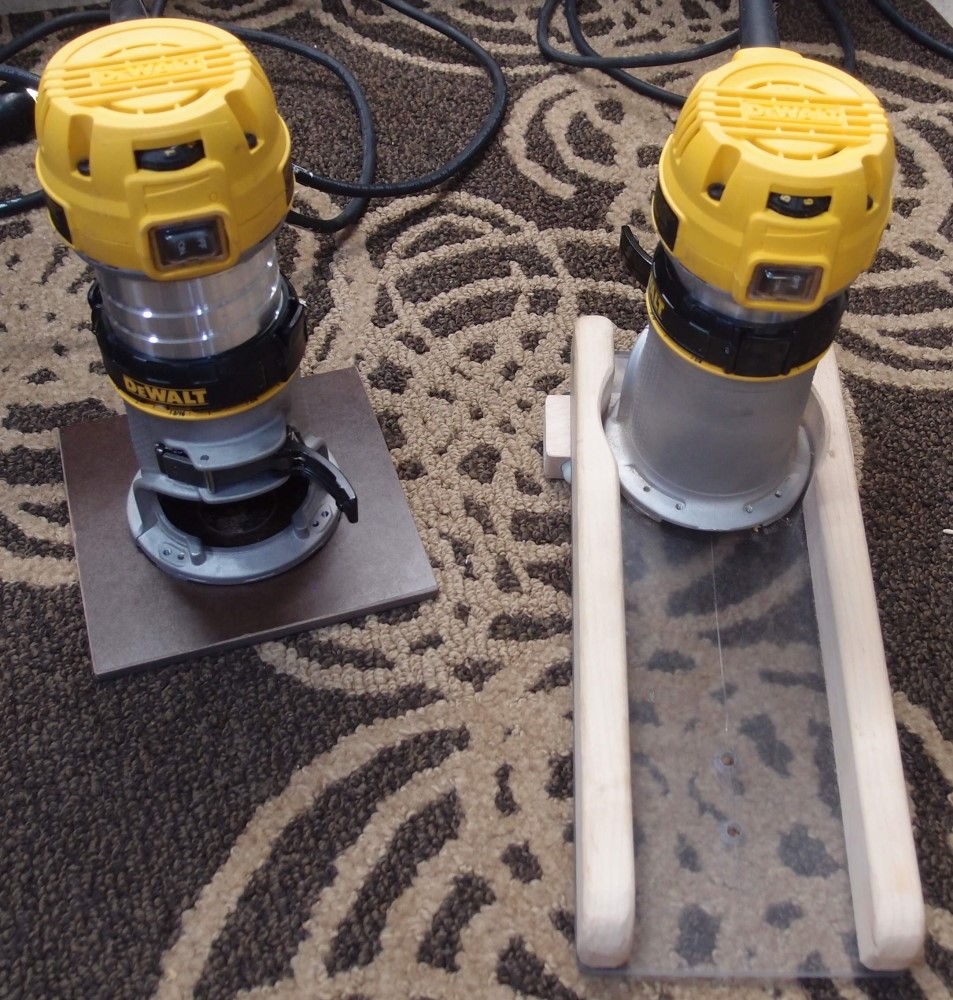
I keep these two routers in the same box, hoping they'll mate and produce a litter of Dremels. So far, no luck.
I have a lot of other router plates and adapters listed in Jigs and Templates.
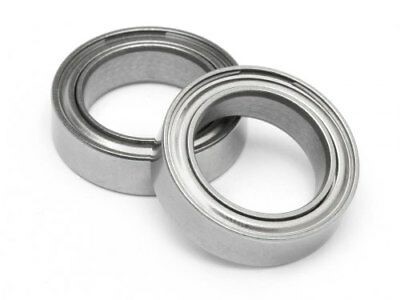
On a related note, these are the incredibly tiny bearings you need to nip out the corners of a squared-off Telecaster or Danelectro neck pocket with a 3/8" bit. Subtract the 1/4" shaft, and divide by two, and these bearings are just 1/16" thick. The balls inside must the like grains of sand. I can't imagine these things have a very long life expectancy - only use them for the corners, do the rest of the job with a 1/2" bit.
Questions or Inquiries?
Just want to say Hello? Sign the .