August 28, 2020
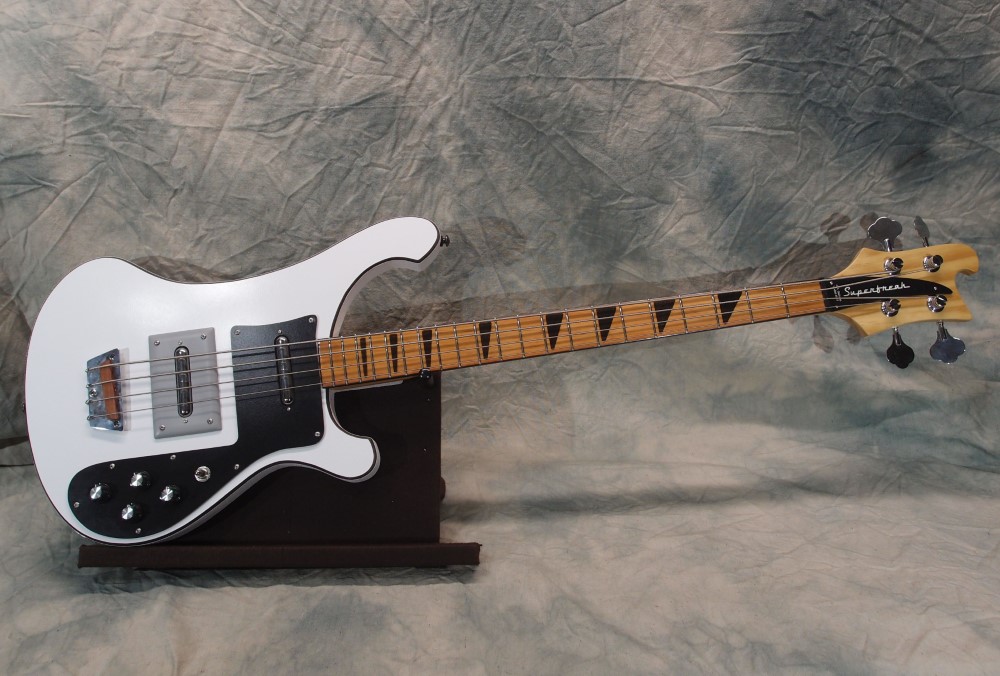
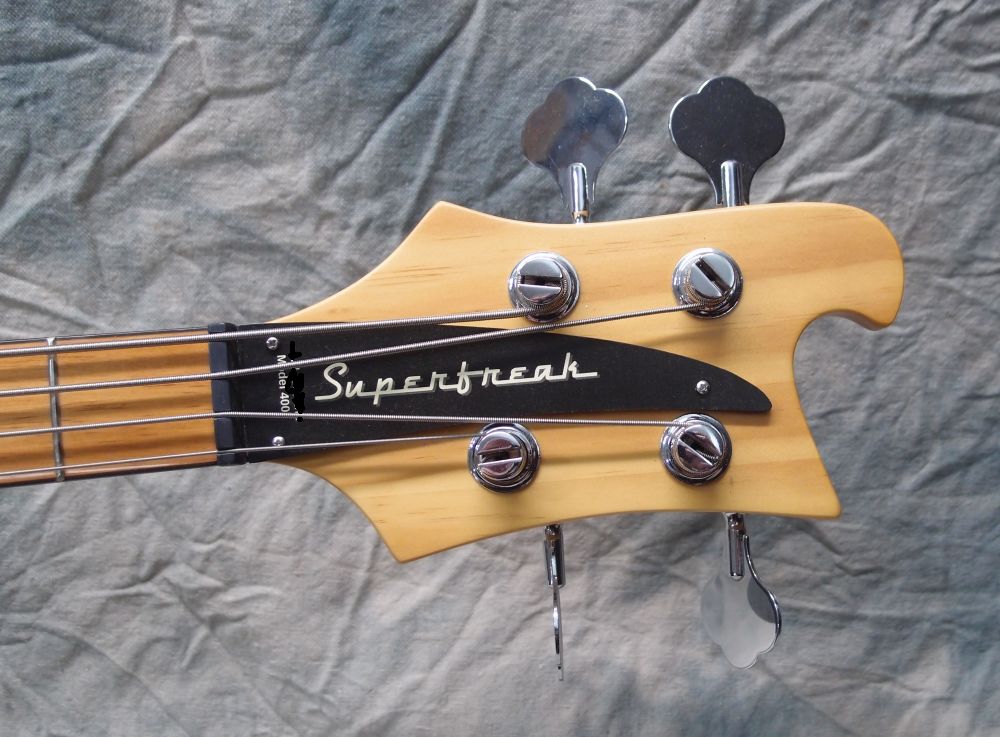
Freakenbacker Back Together
August 28, 2020
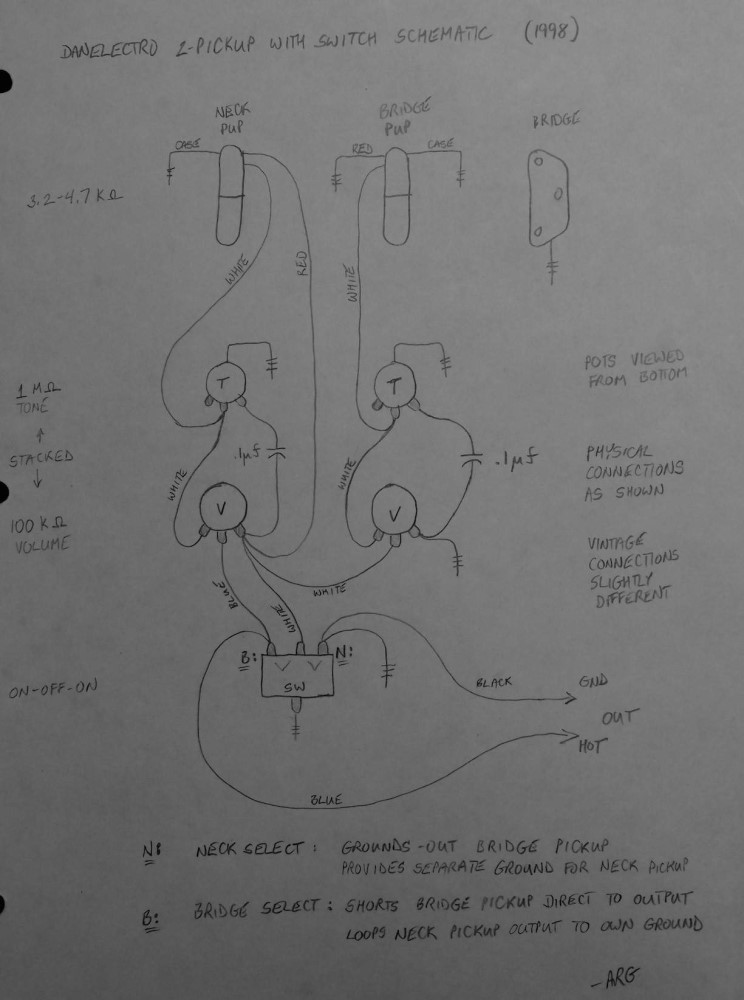
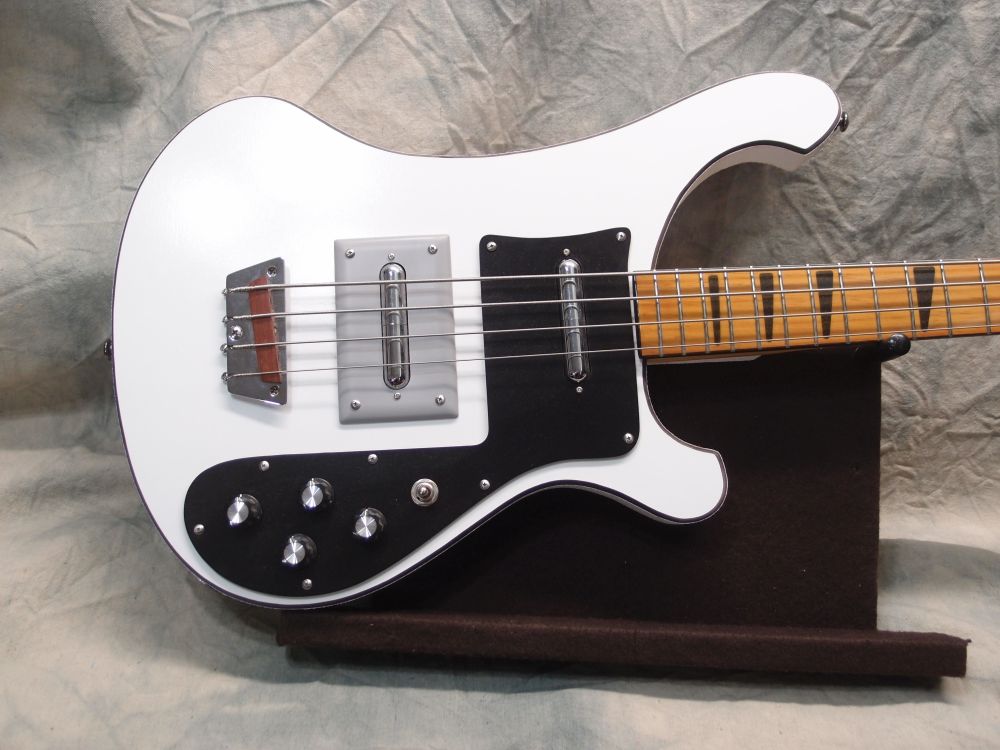
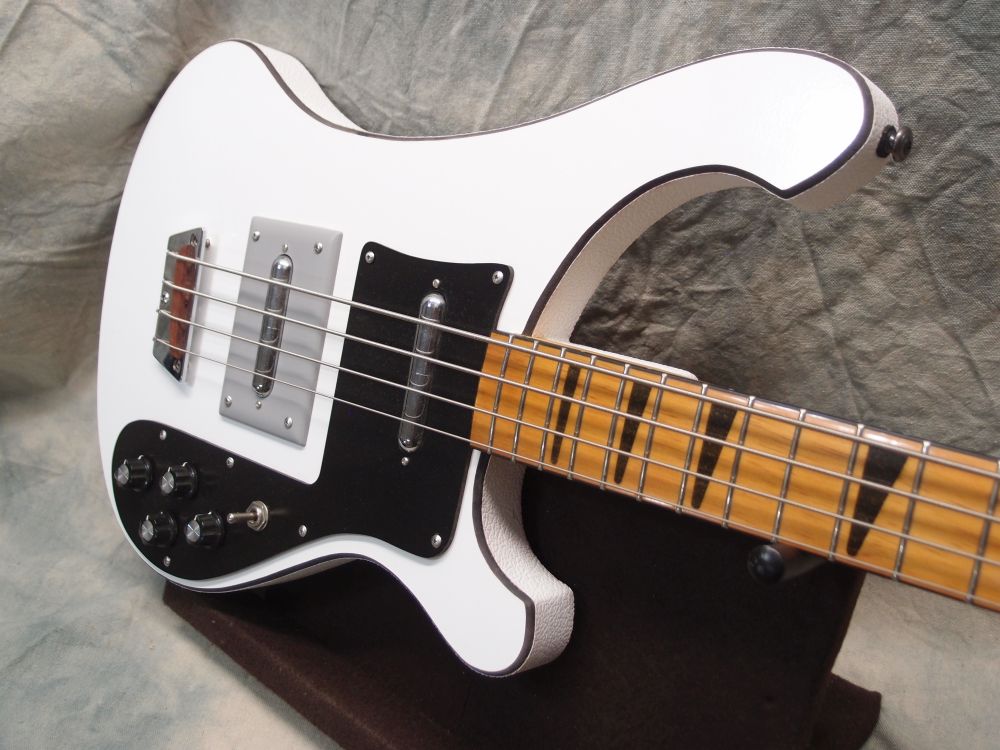
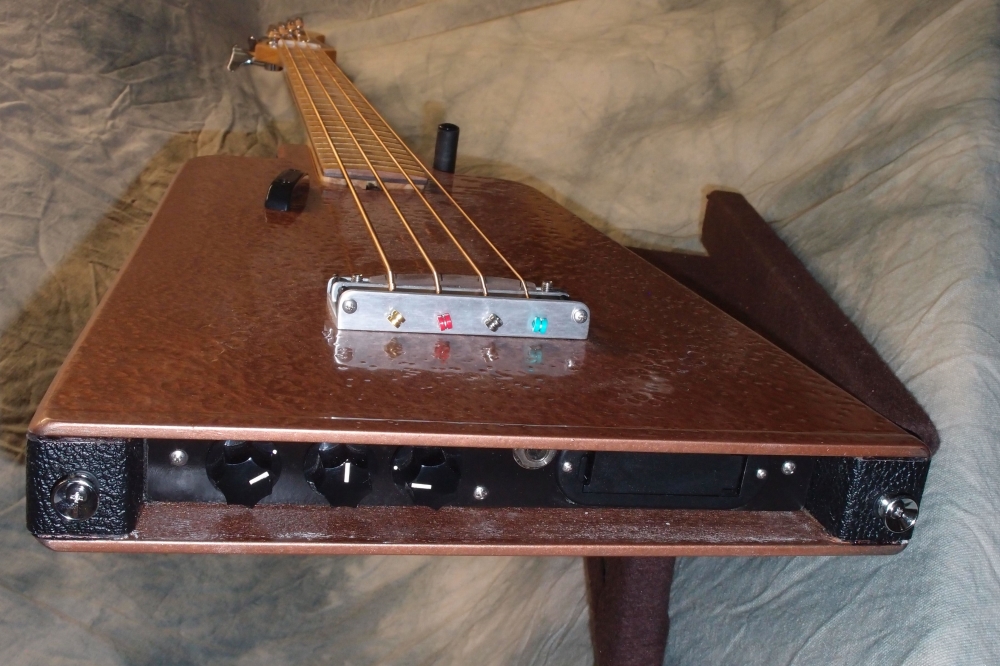
The new A500 pots came today USPS a day early - so never say bad things about them. I pulled up the diagram above, heated up the soldering iron, and Presto-Change-o !!! Then I tried to put the pickguard back, and it didn't fit, because, of course. The old mini pots barely cleared the body wall, and the new full-sized ones didn't. So I had to delve back into woodwork and make clearance for them. I had to razor and dremel away about a quarter of an inch, without messing up the 'finish'.
So it's all back together now and cleaned up, and believe it or not, I can wait until tomorrow to try it out. I did do some testing by tapping on the pickups with a piece of metal, and everything works as ordered, with a much better sweep on the volumes. No more B-pots for me !!!
That diagram is drawn from a classic Danelectro and shows Danelectro values for the pots and caps. I used more like Fender values. It's not that critical. I'm not sure if Danelectro used linear or audio taper pots, they're not usually marked. I would guess that they are linear, or "B", probably the same parts you'd find in a 1960s TV or radio.