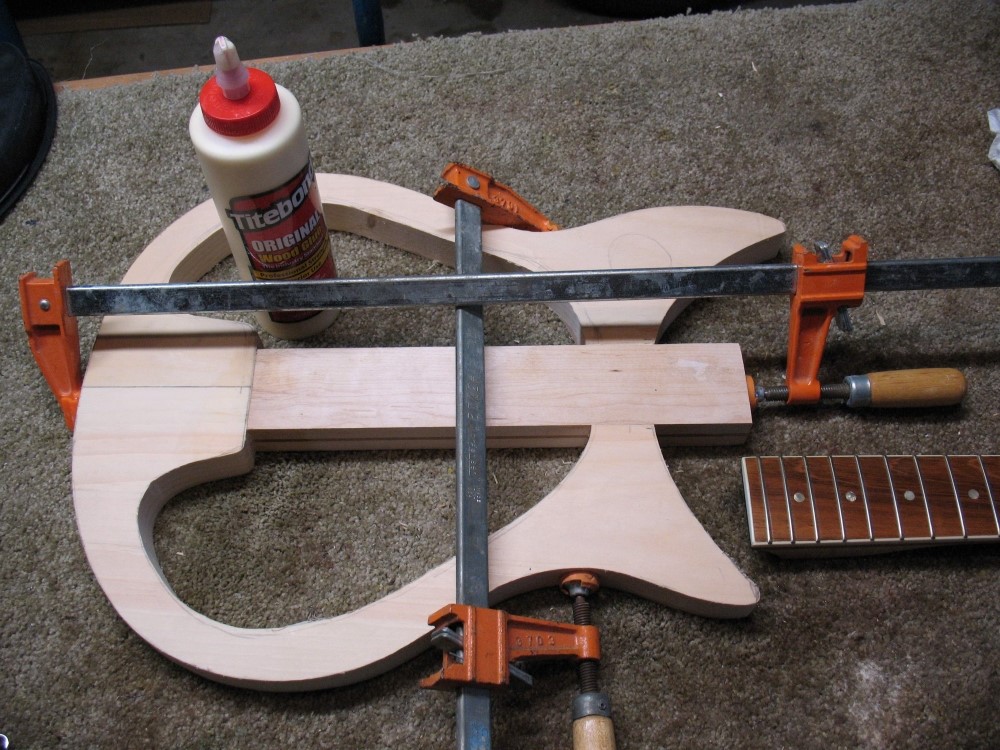
Gluing up a white pine body core with a maple center block
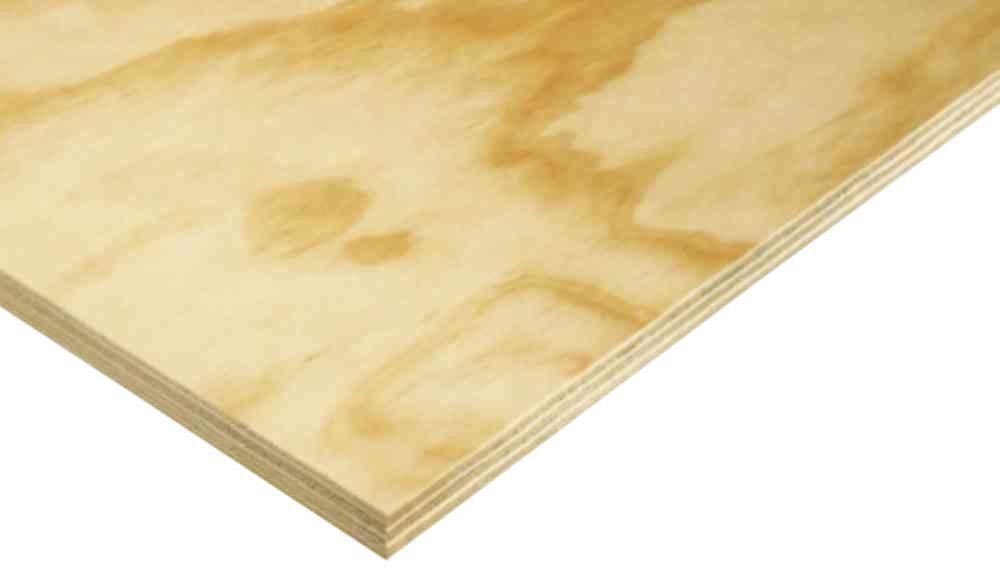
White pine is the low-grade cheap stuff you find at most home centers. Although strong enough for most things, it is very soft and prone to surface damage. White pine is also prone to dark marks from pitch. These can turn up inside pieces that otherwise looked clean.
I have done a couple of projects using true 1" white pine as a core sandwiched between two pieces of finish-grade plywood. These worked out well, but since I discovered Radiata, I have discontinued all use of white pine.
Here at Luthiery Labs, we're only interested in woods that are reasonably priced and locally available.
Wood Notes:
Since the gubment made rosewood illegal, ** despite the fact that there is no real definition of what rosewood is, alternative fretboard woods are going to become more mainstream in loothery. Bubinga is also illegal now, but that's no great loss.
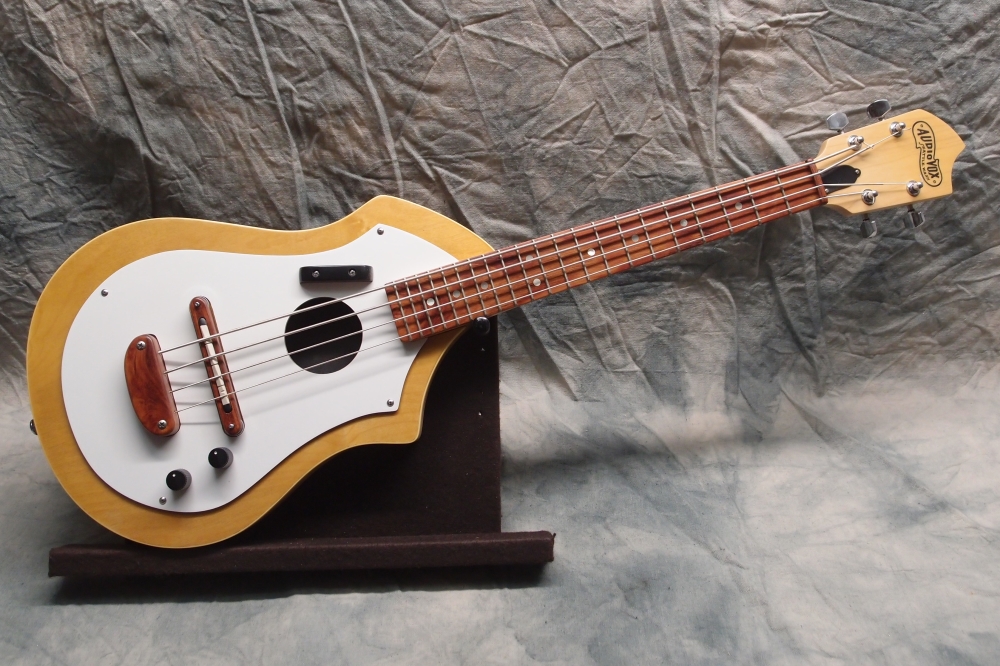
This bass is a 21" scale, with a piezo saddle mounted in an adjustable bridge. The soundhole is just for looks. The strings are metal-wound Kalas. The fretboard is cut out of the ugliest piece of wood I ever received. For such a small neck, I managed to cut around most of the ugly, and the result isn't half bad.
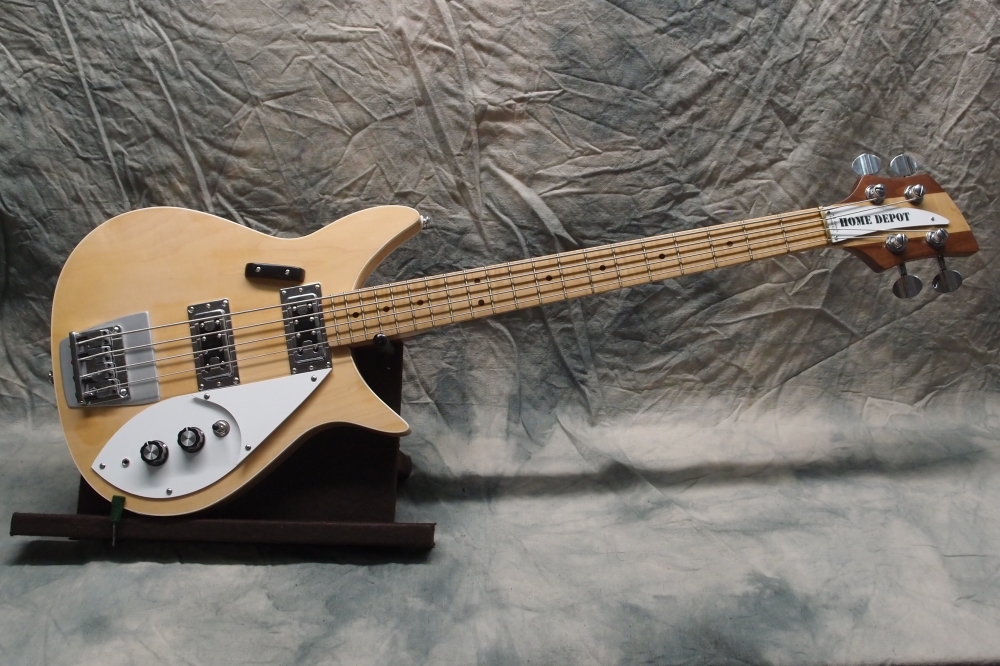
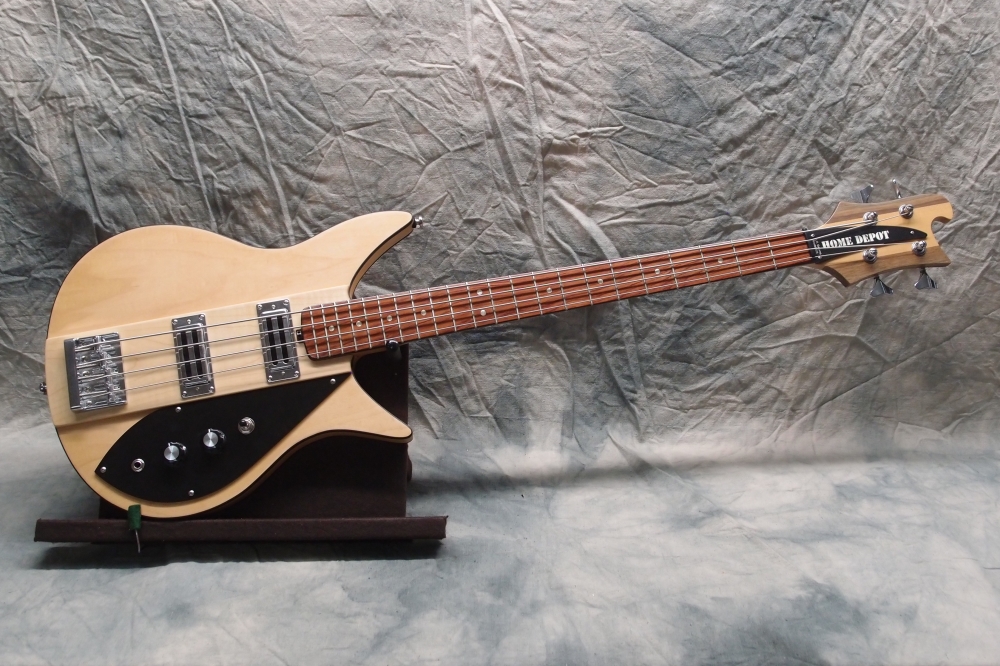
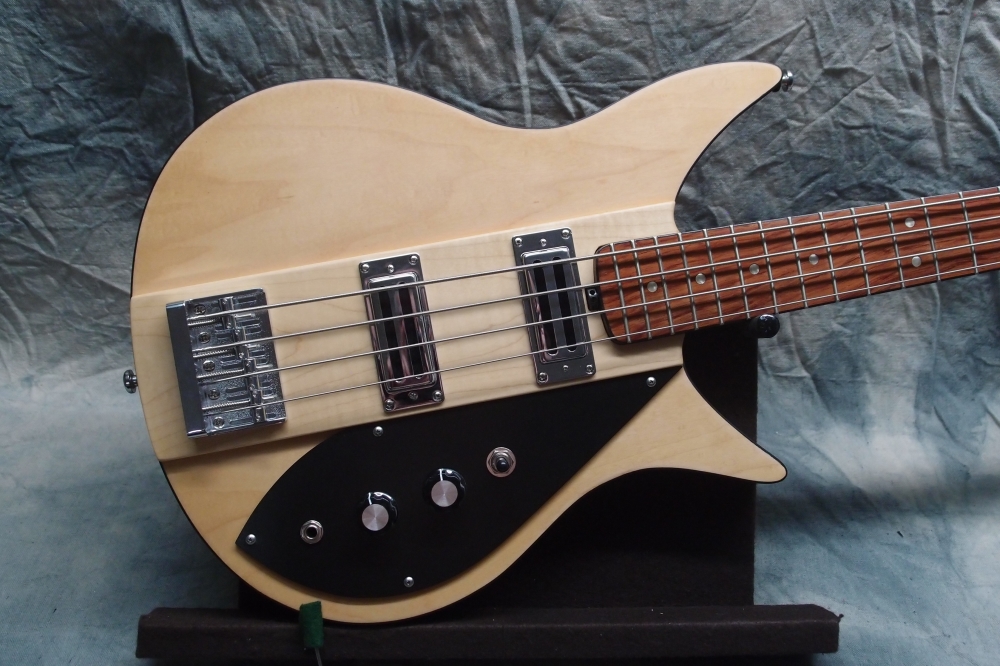
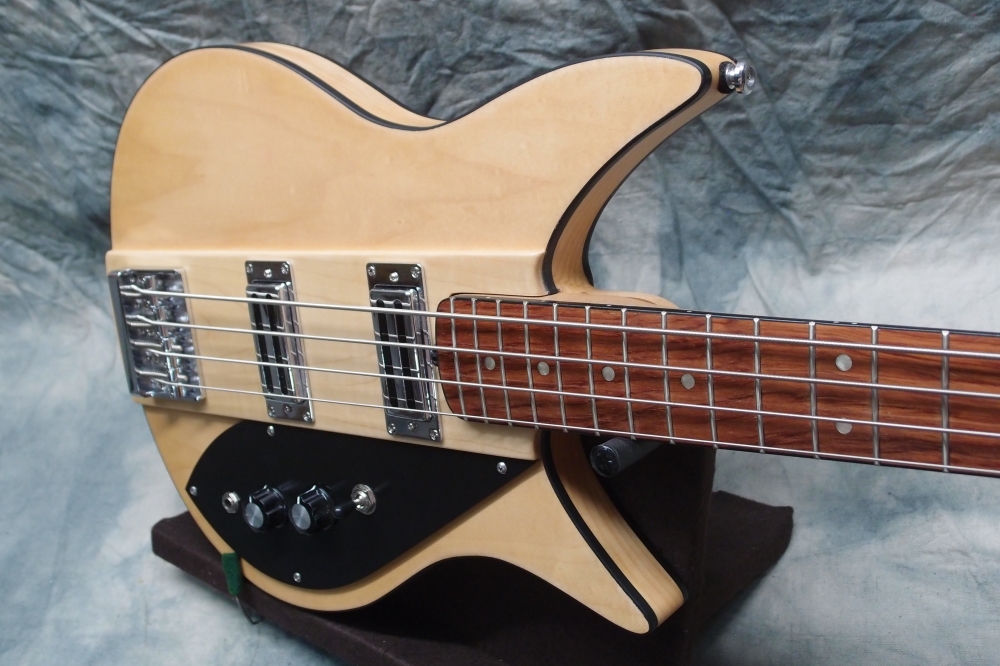
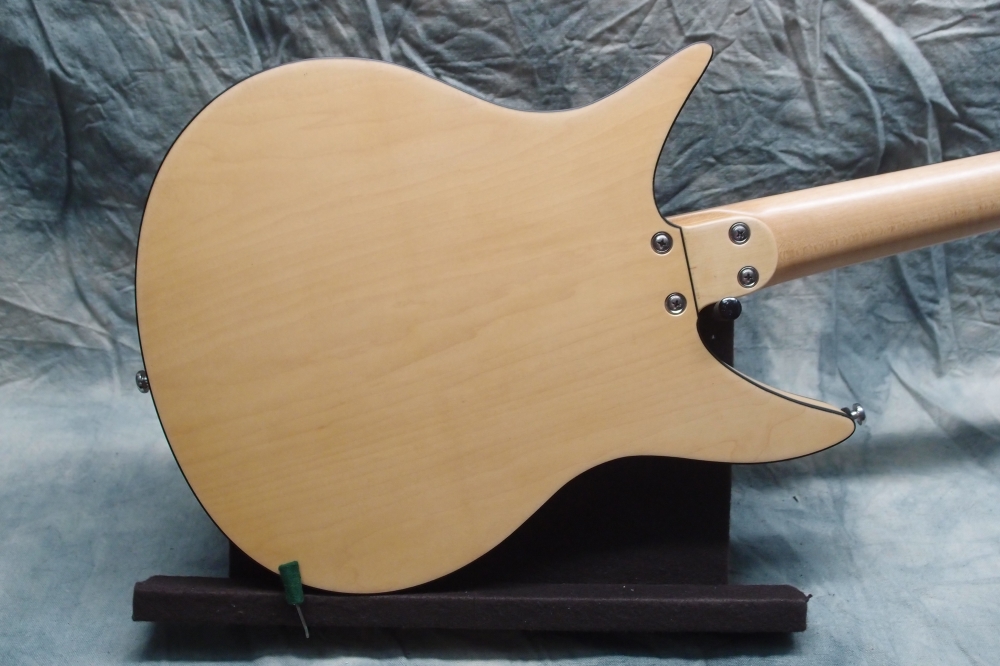
These were my first two tries at a 325 bass. Both are plywood over pine hollow-bodies. The one on the left - #1 - used an experimental neck mounting that I didn't like. The one on the right - #2 - suffered a router mishap. I took all the good parts and built the solid-body, and both of these spent years on the scrap heap.
These were my first two tries at a 325 bass. Both are plywood over pine hollow-bodies. The one on the left - #1 - used an experimental neck mounting that I didn't like. The one on the right - #2 - suffered a router mishap. I took all the good parts and built the solid-body, and both of these bodies spent years on the scrap heap.





Questions or Inquiries?
Just want to say Hello? Sign the .