Doing Things Wrong

Maple

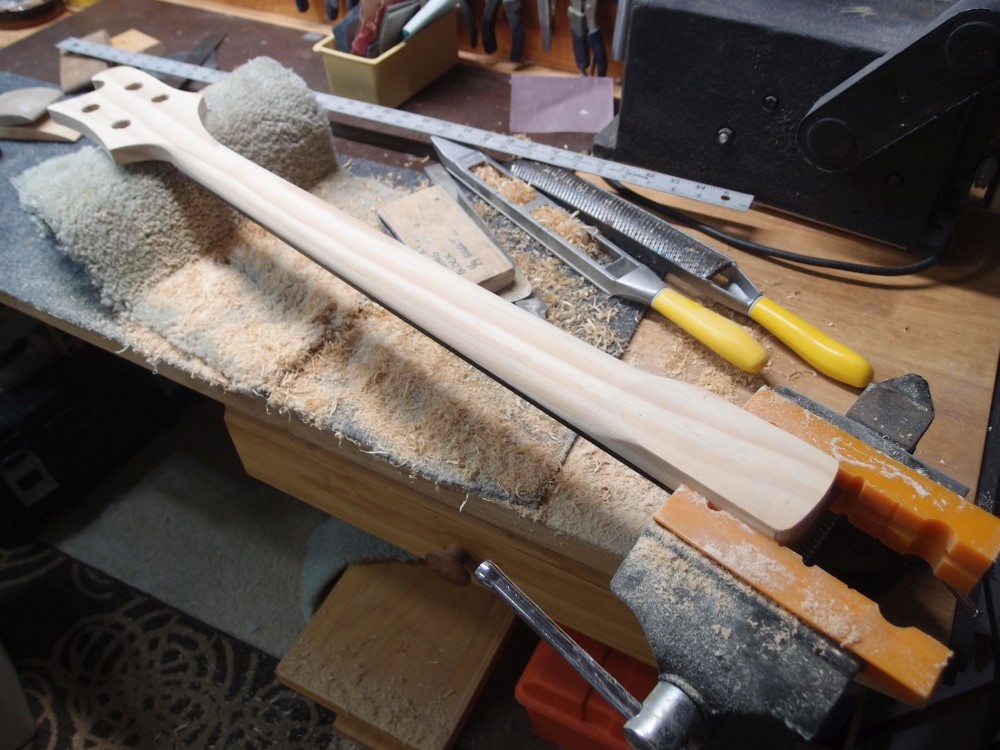
Maple is a hard heavy wood that is your best choice for necks and small parts. The best maple is eastern "rock" or "sugar" maple. In much of the country, this is what is stocked at your local home center, just go there and pick out a nice straight piece. I the west, you will instead find locally grown maple, which is not as good, but probably good enough.

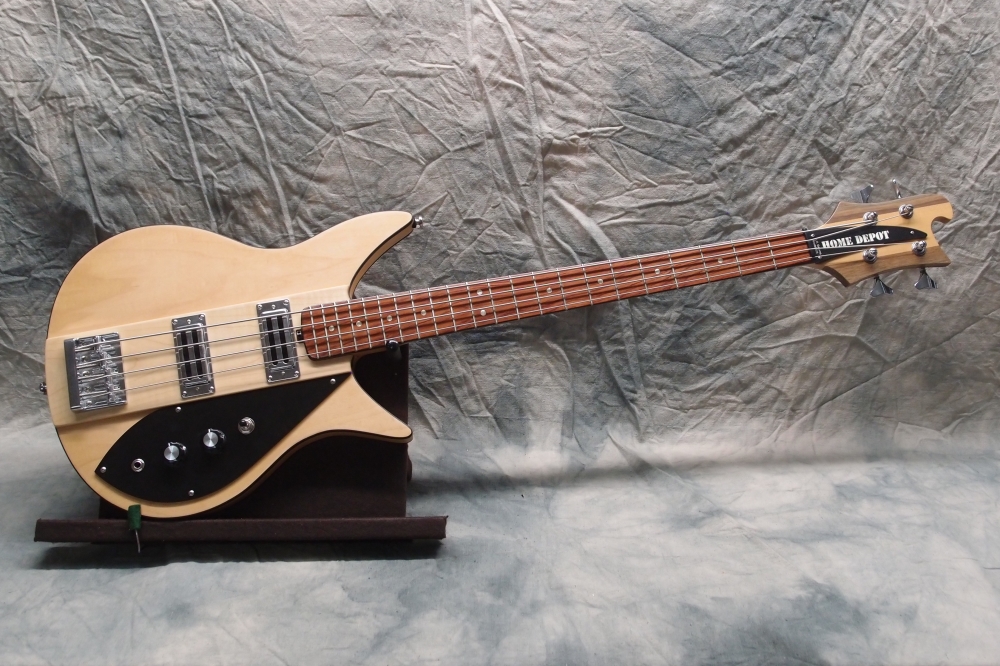
If you hunt through the pile at the store or lumberyard, you can often find fancy wood being sold at ordinary prices. I regularly find flames and birdseye. This is much better than mail-ordering "luthier-grade" wood that is in all likelihood inferior to what you could have hand-picked at Home Depot.

Maple, like all hardwoods, has problems with routing. Routing outside edges is guarantied to result in chip-out and a ruined piece. Instead, do your edge shaping with a sander, files, and rasps, and whatever else you have besides the router. Interior cuts like cavities and truss rod slots work better, especially when using small ( ~ 1/4" or less ) bits. Spiral bits also reduce chip-out. Minimize routing by drilling out as much material as possible first with Forstner bits.

Binding slots leave no choice but to use a router. For these, don't try to make the full cut in one pass, instead, go over and over it very lightly until you have it.

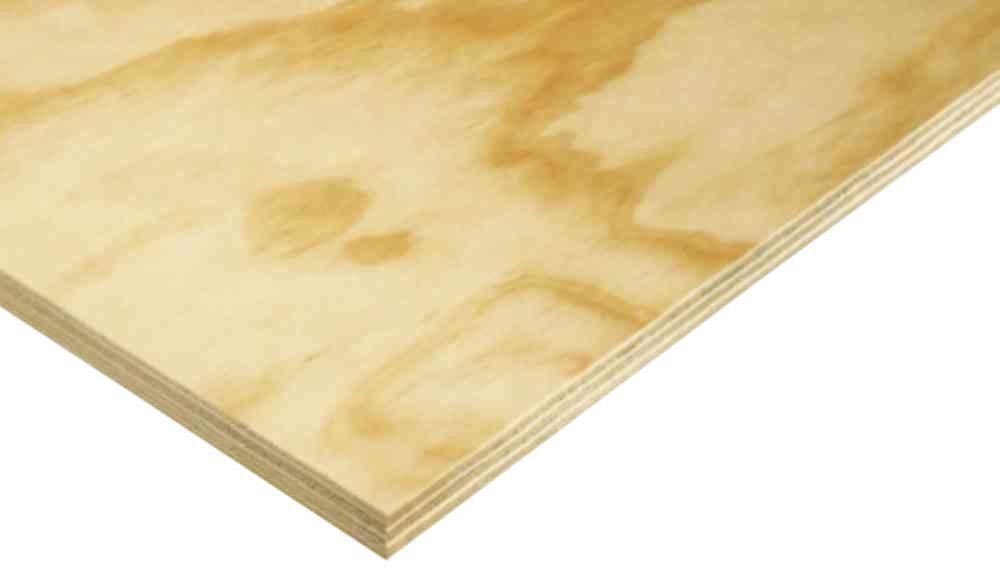
While maple is ideal for necks, it is really too heavy to make a solid body from. Cabinet-grade maple plywood over a hollow core is a better choice, again, from the home supplies store.

Maple takes colored stains poorly but takes on a nice amber color under polyurethane. It has a tight grain that requires no filling prior to finishing.

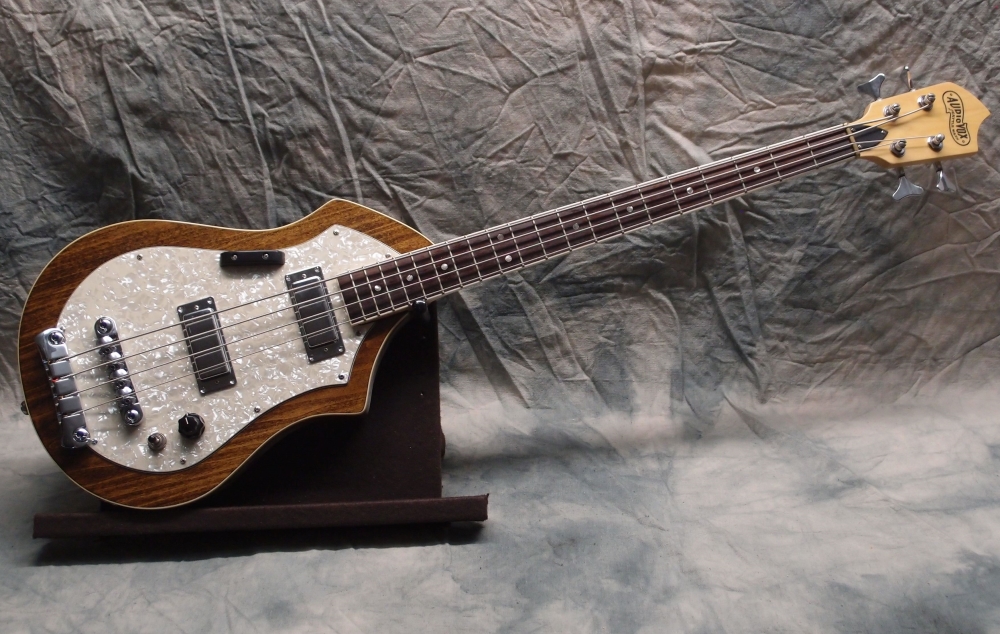
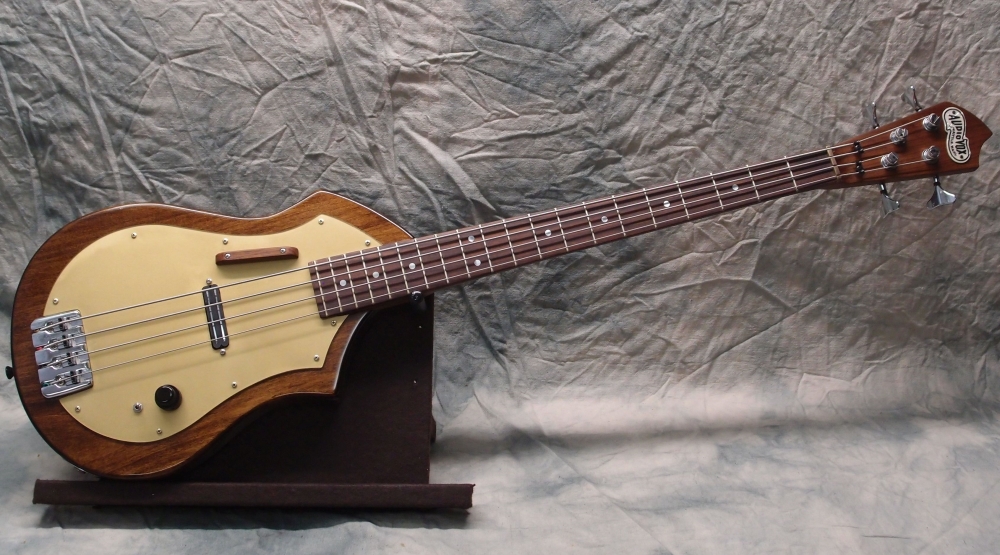
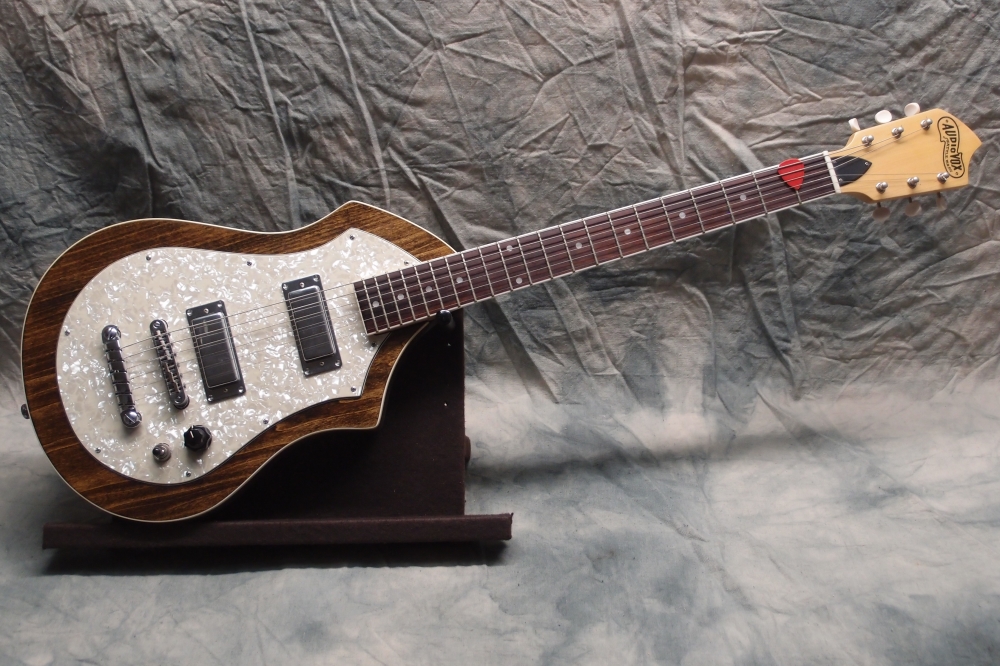
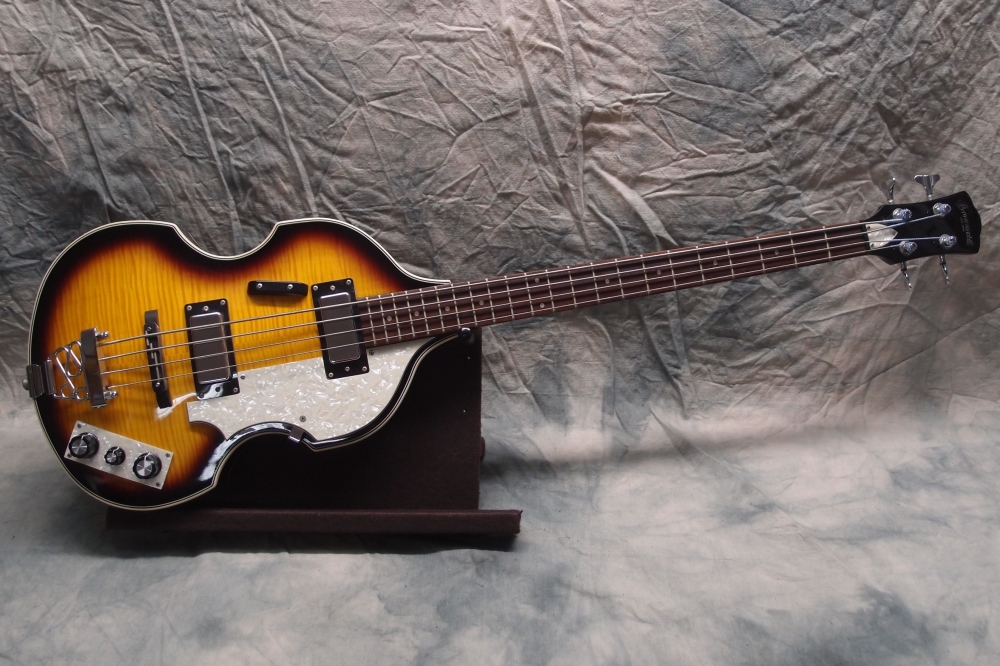
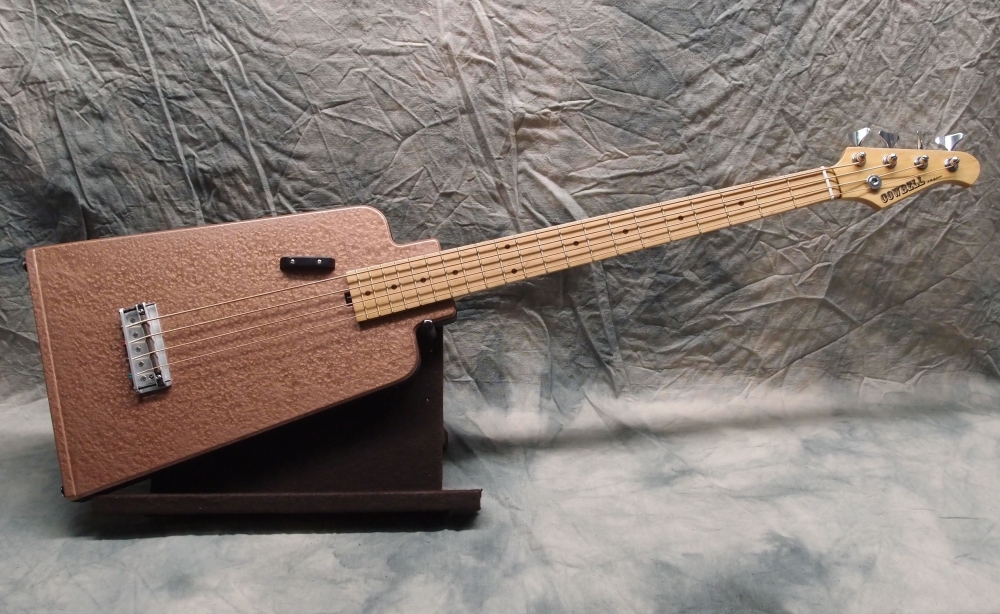
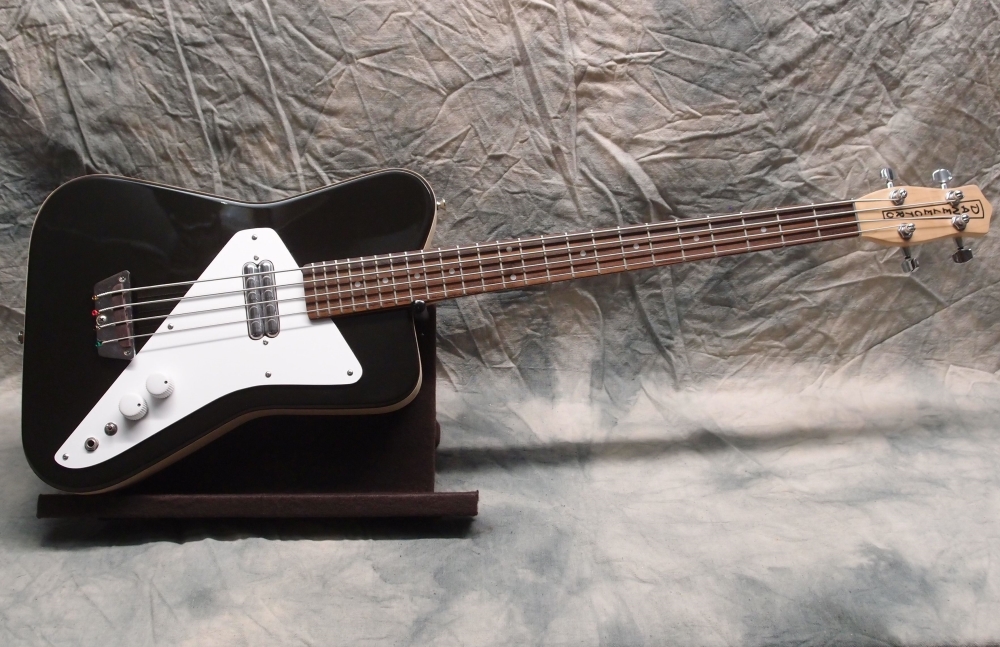
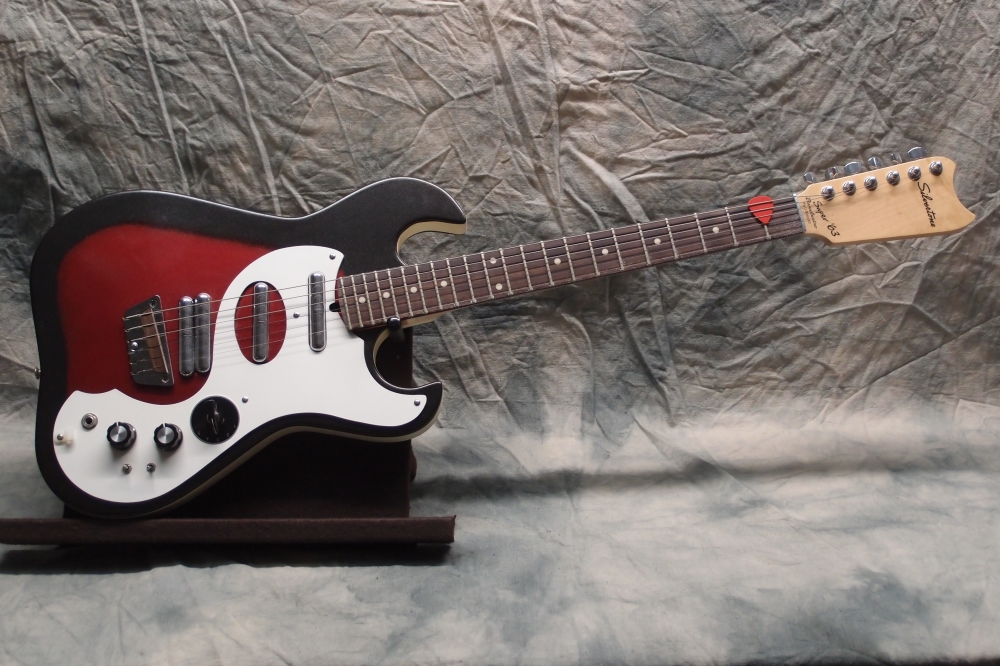
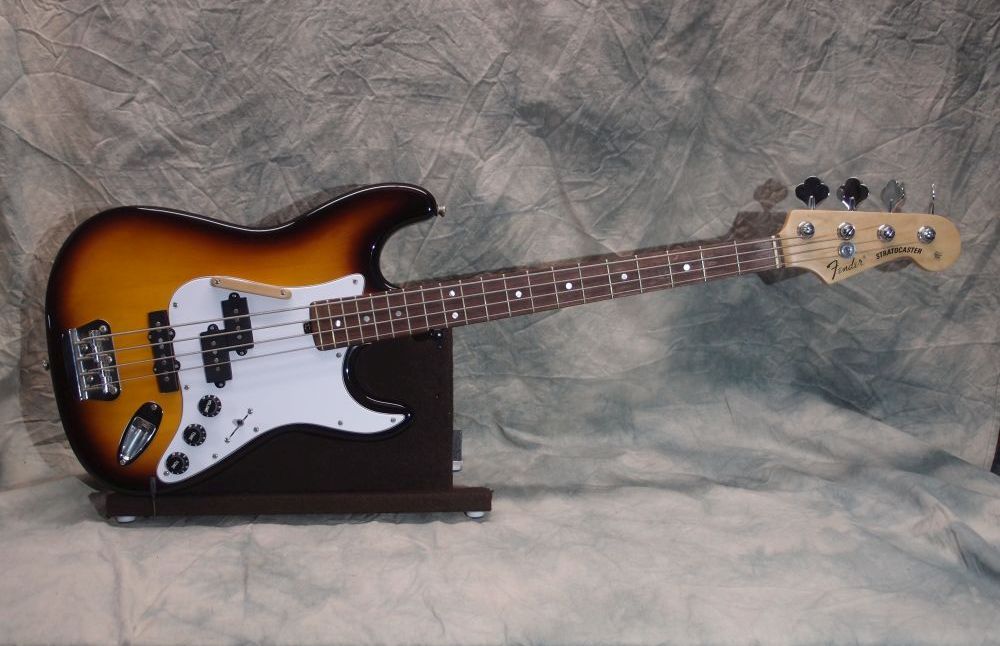
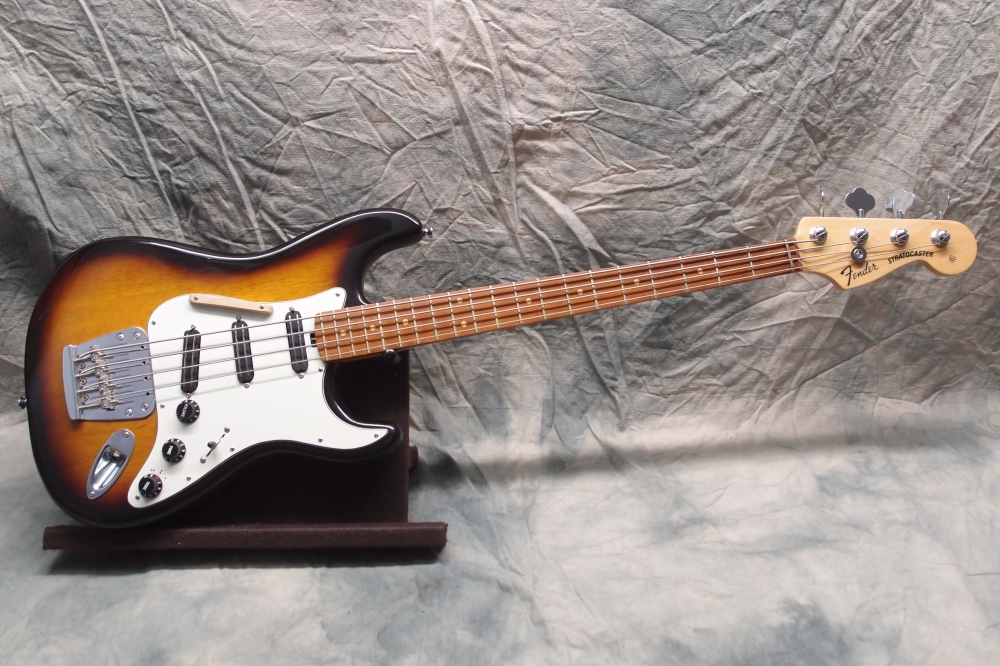
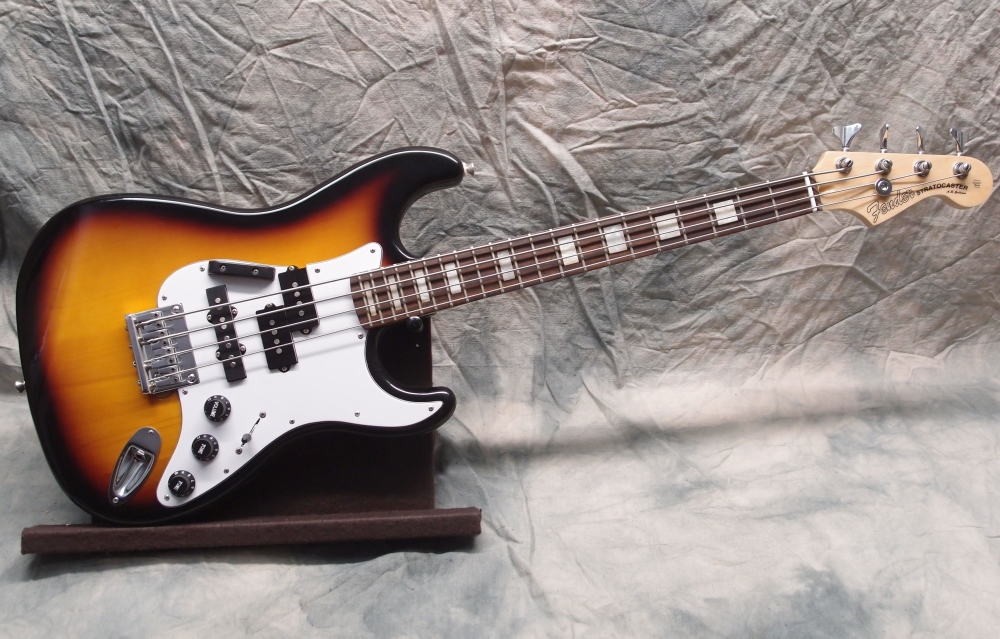
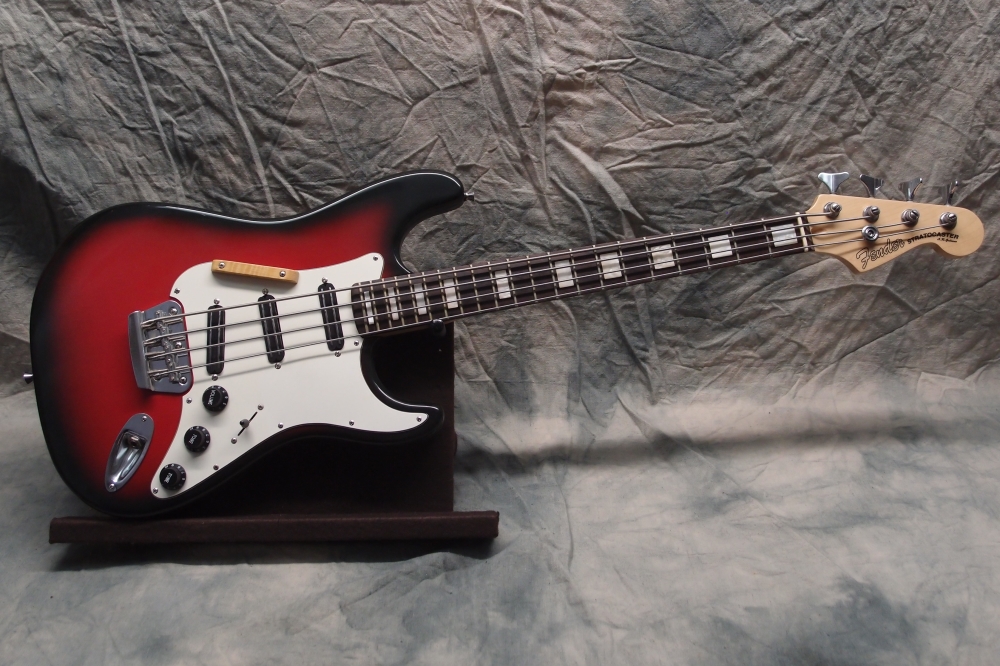
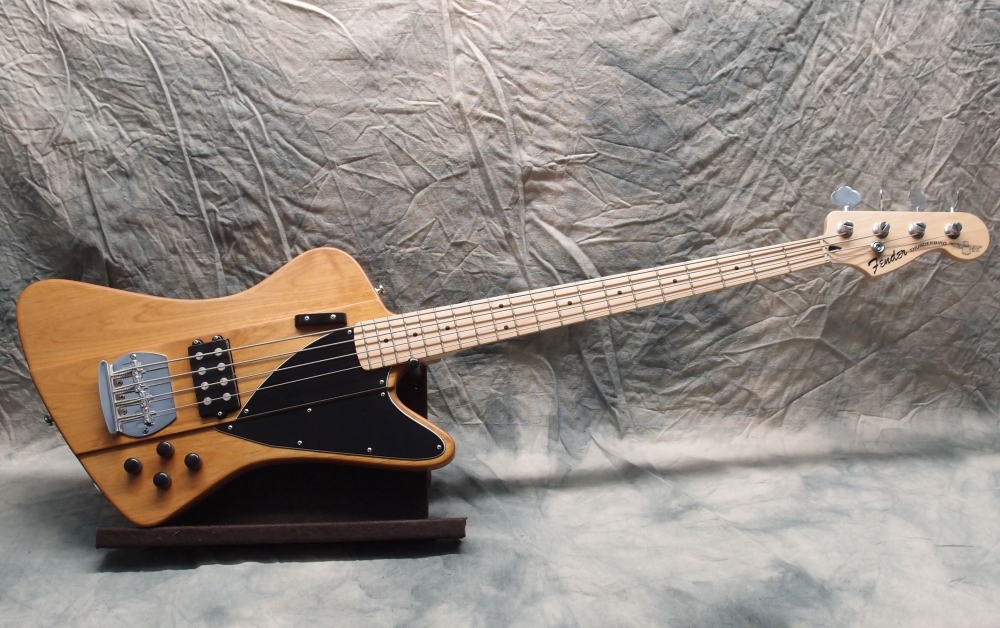
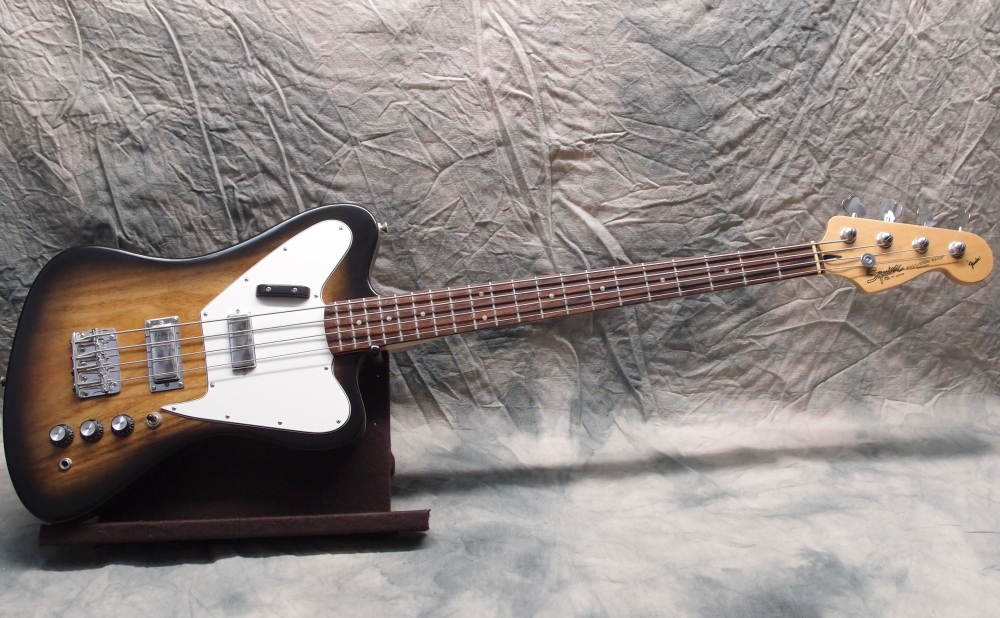
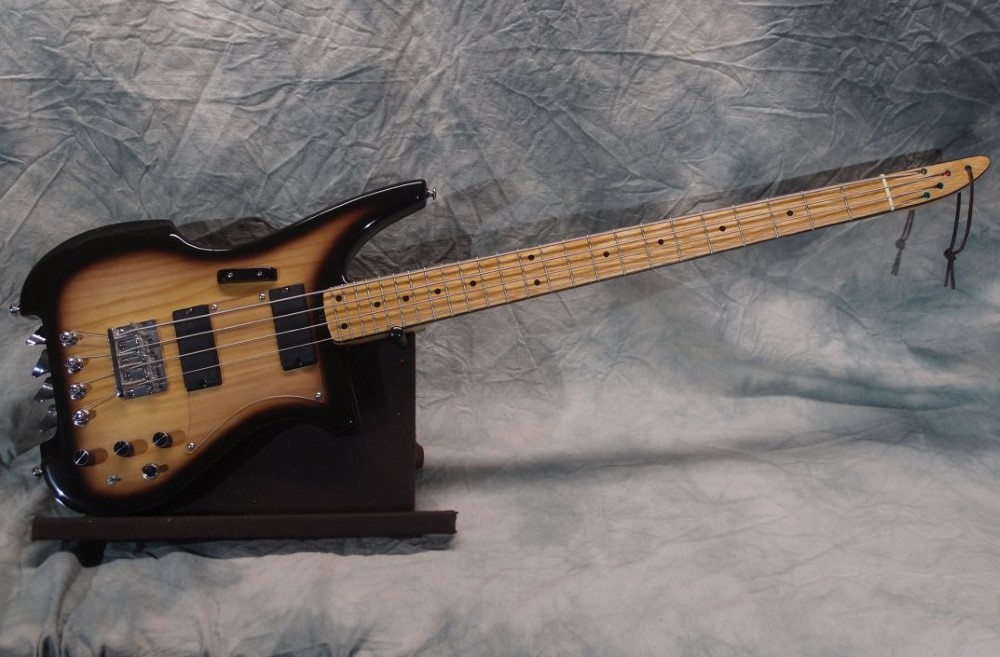
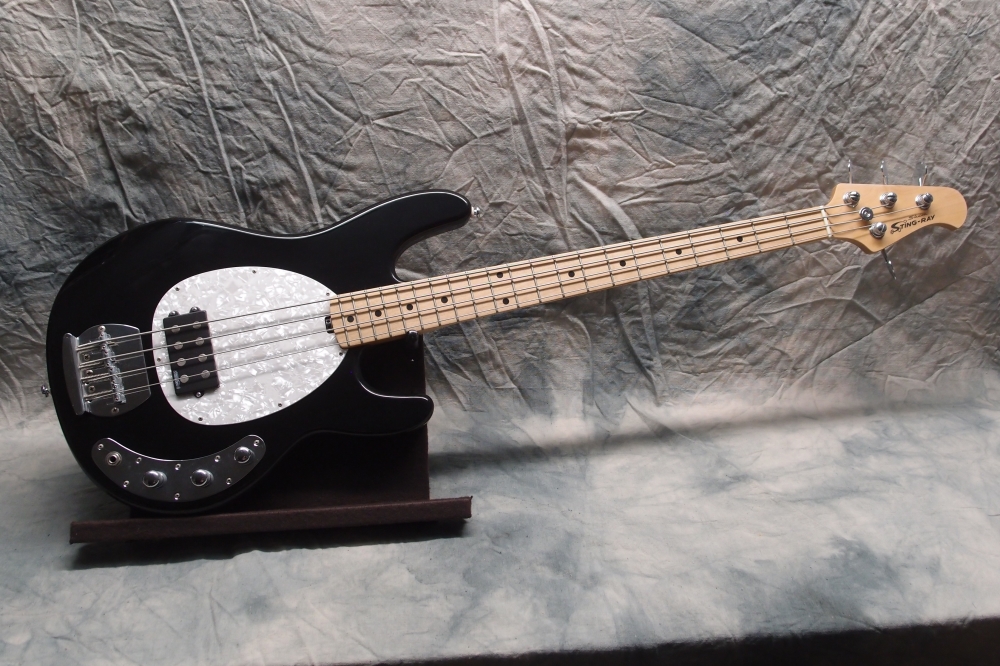
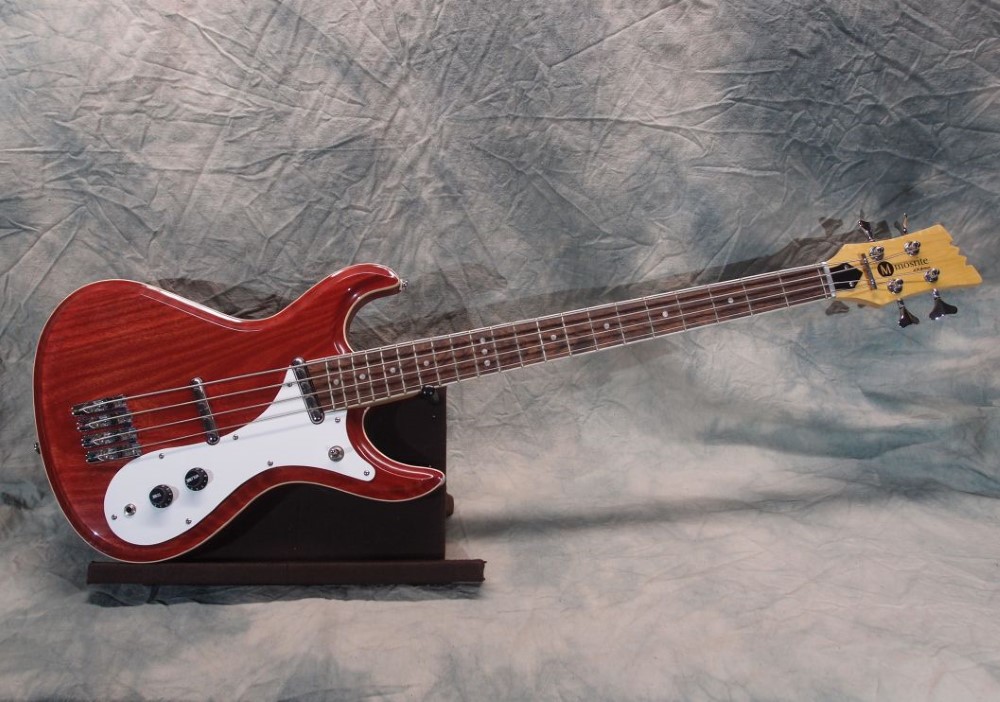
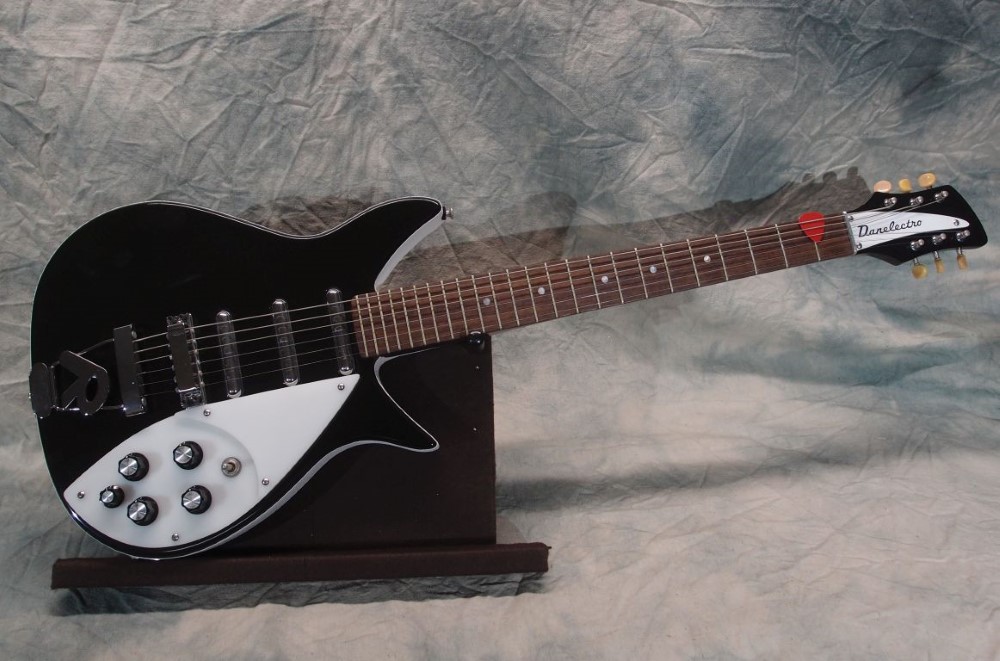
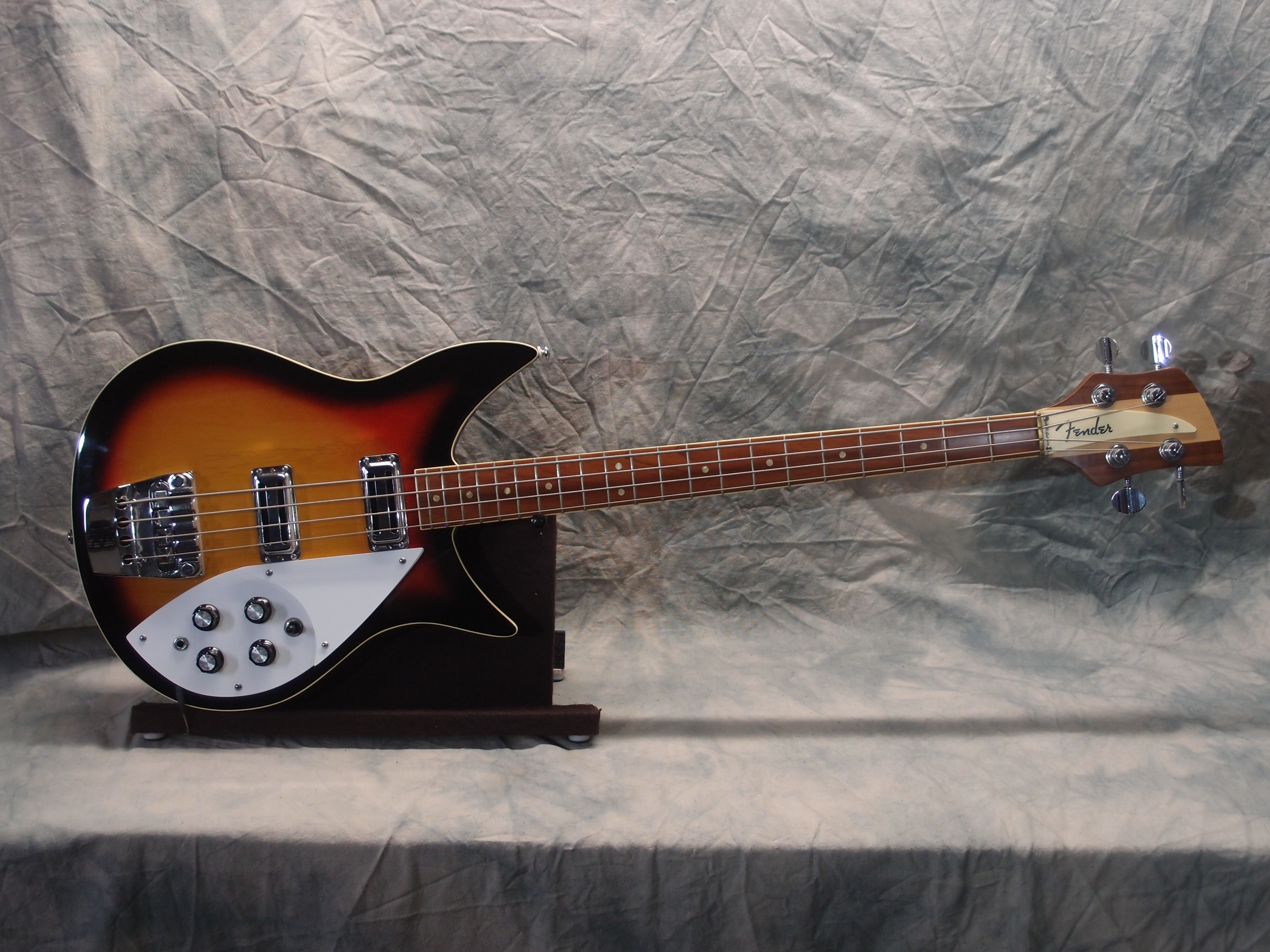
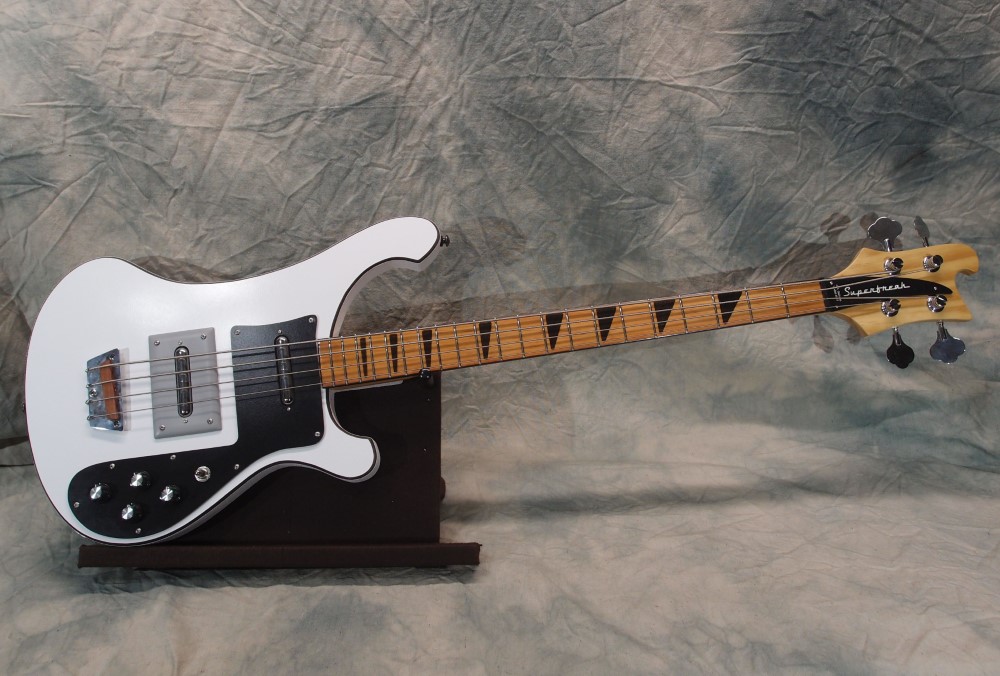
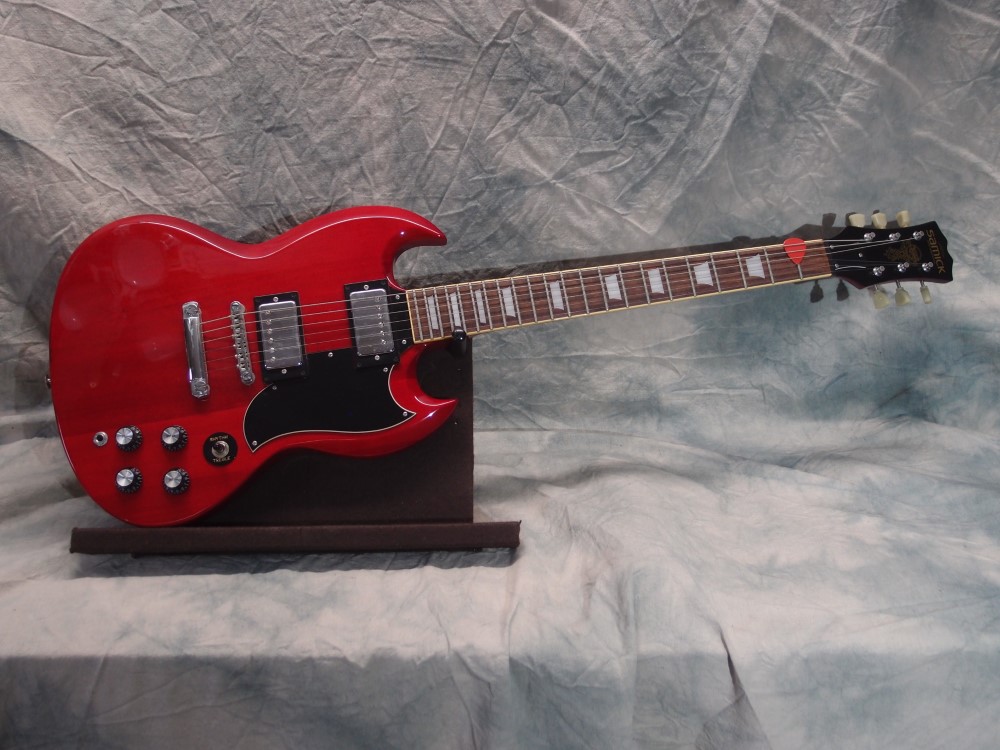
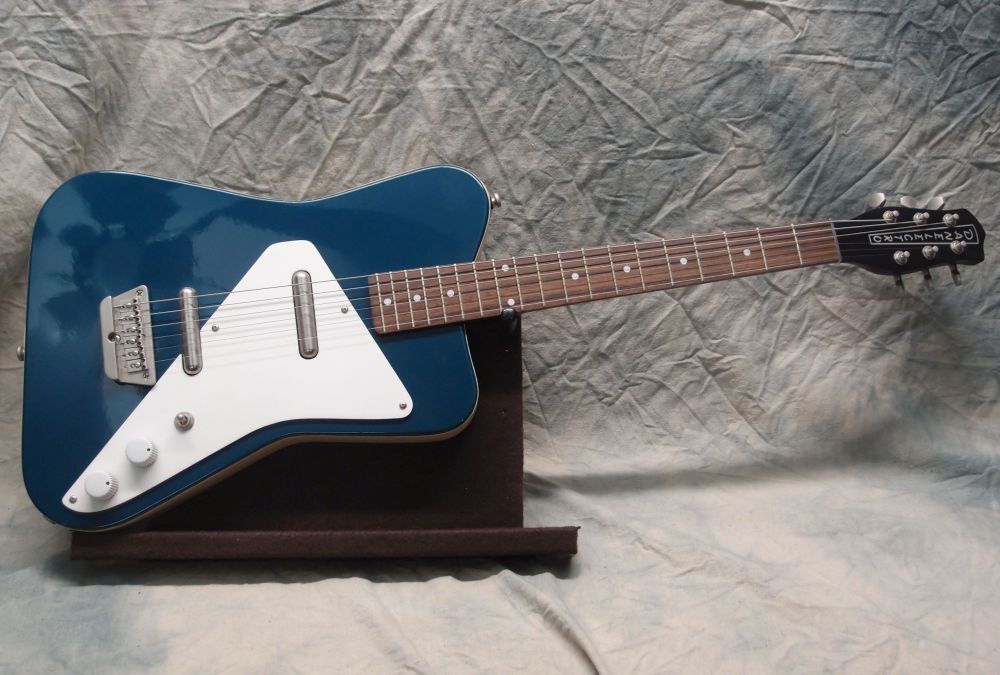
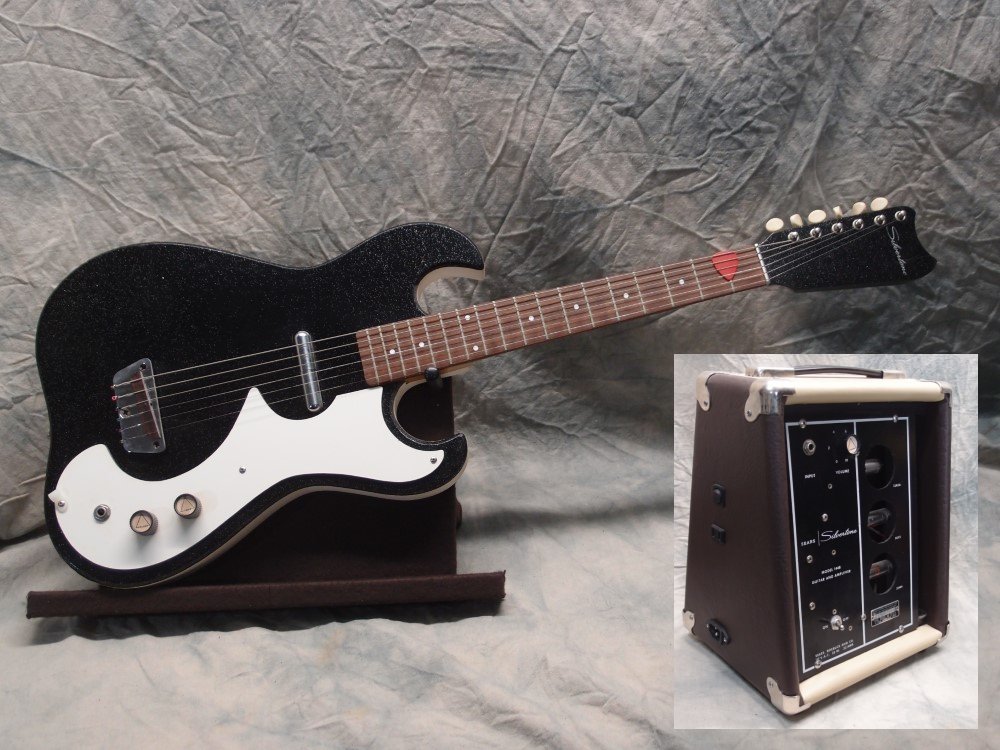
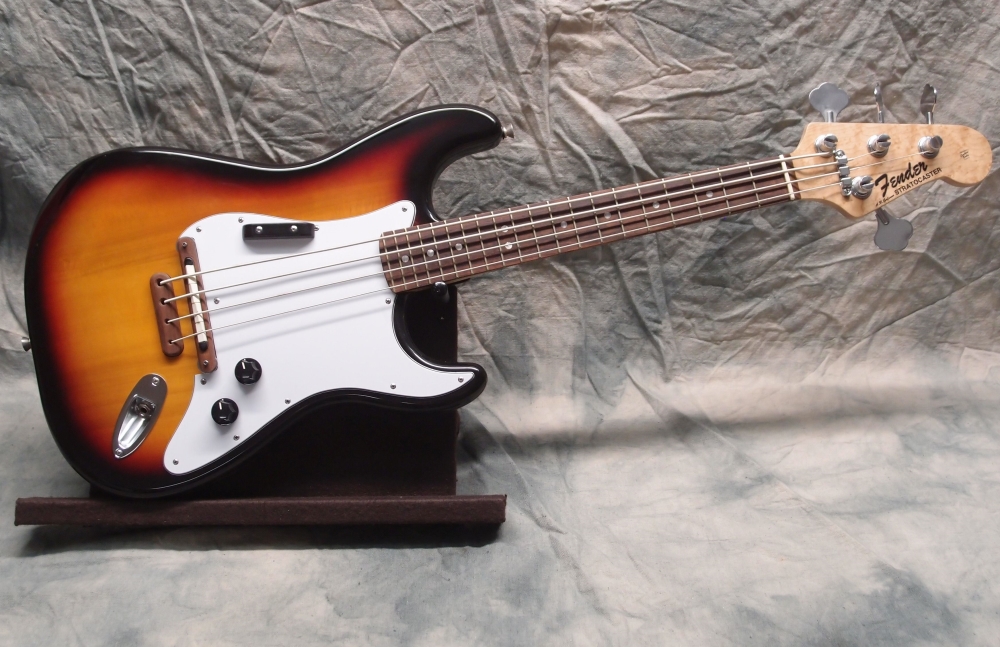
Some maple plywood projects:

Comments on Maple

Questions or Inquiries?

Just want to say Hello? Sign the .

Submit a Comment

Your email address will not be published. Required fields are marked *


Click image to replace if unable to read.

Enter the digits from the image above, except for the last one:
This site uses Akismet to reduce spam. Learn how your comment data is processed.


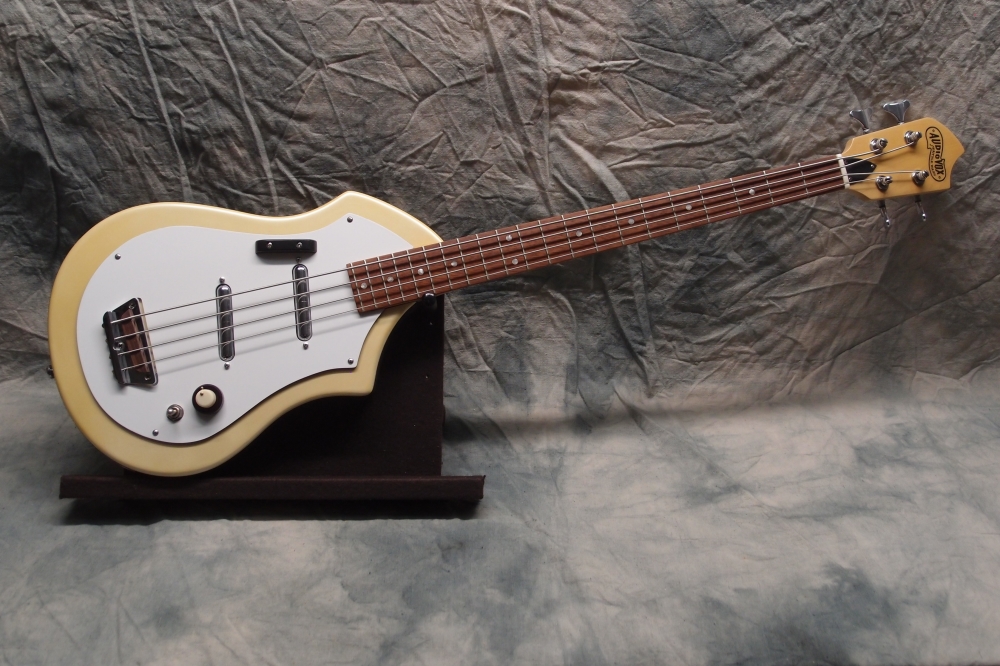
Audiovox Gibson-style Bass
Audiovox 736 Replica Bass
Audiovox Gibson-style Guitar
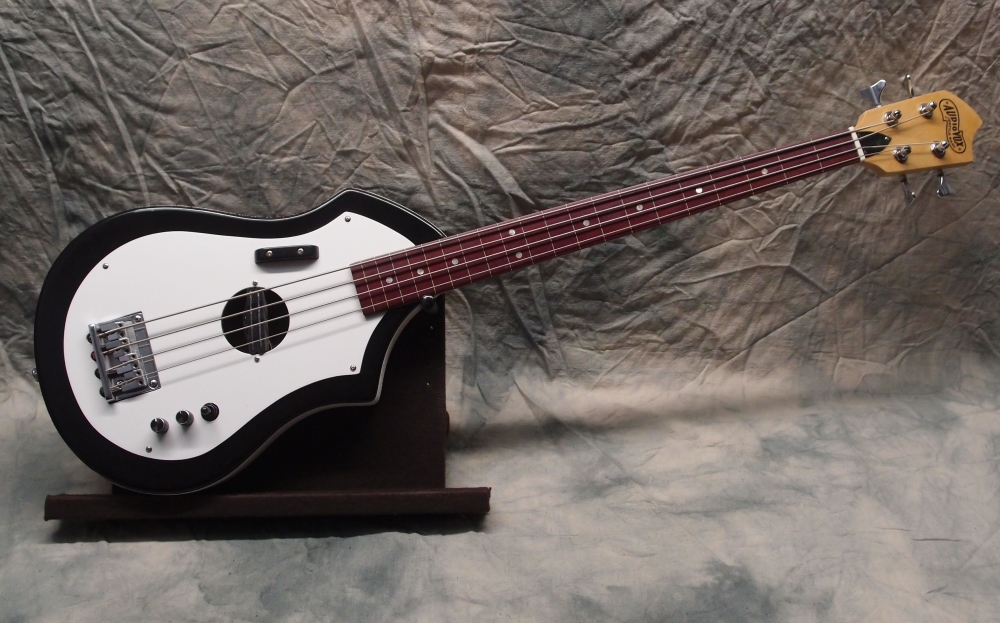
Audiovox Danelectro-style Bass
Audiovox Fretless Bass
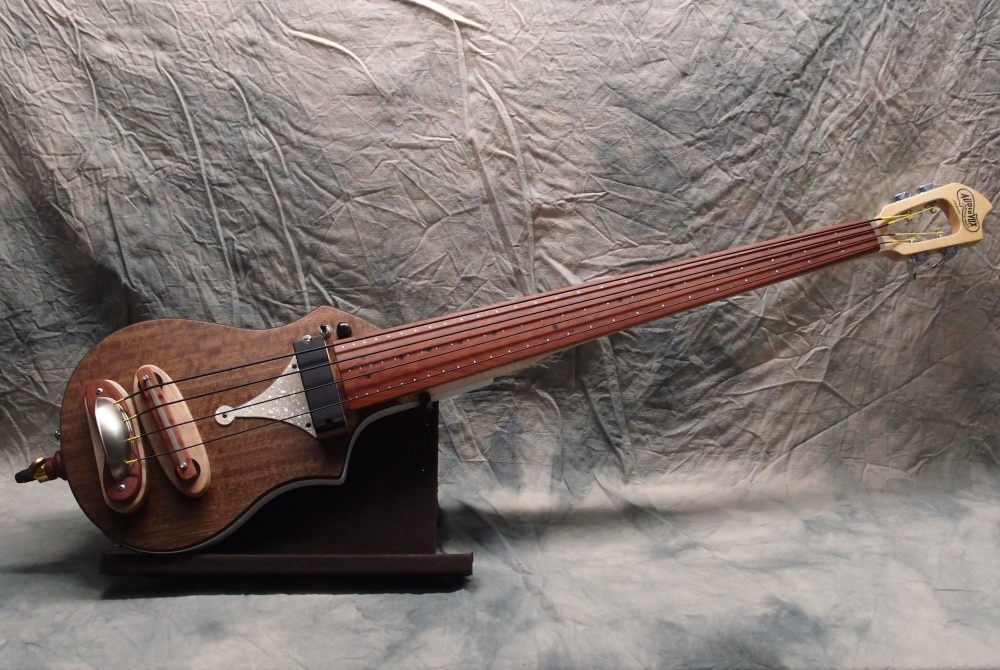
Audiovox Electric Upright Bass
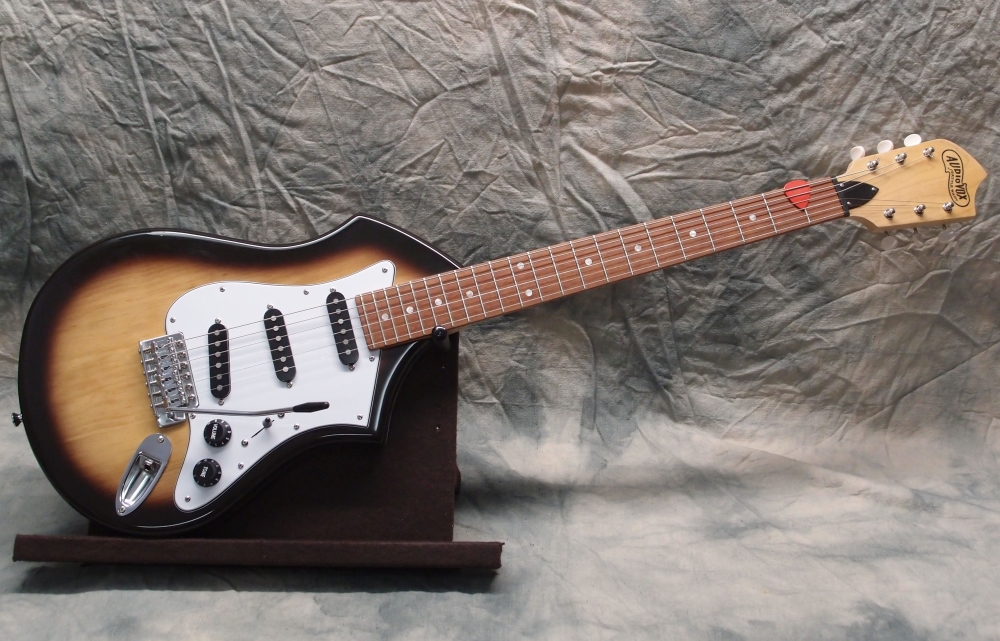
Audiovox Strat-style Guitar
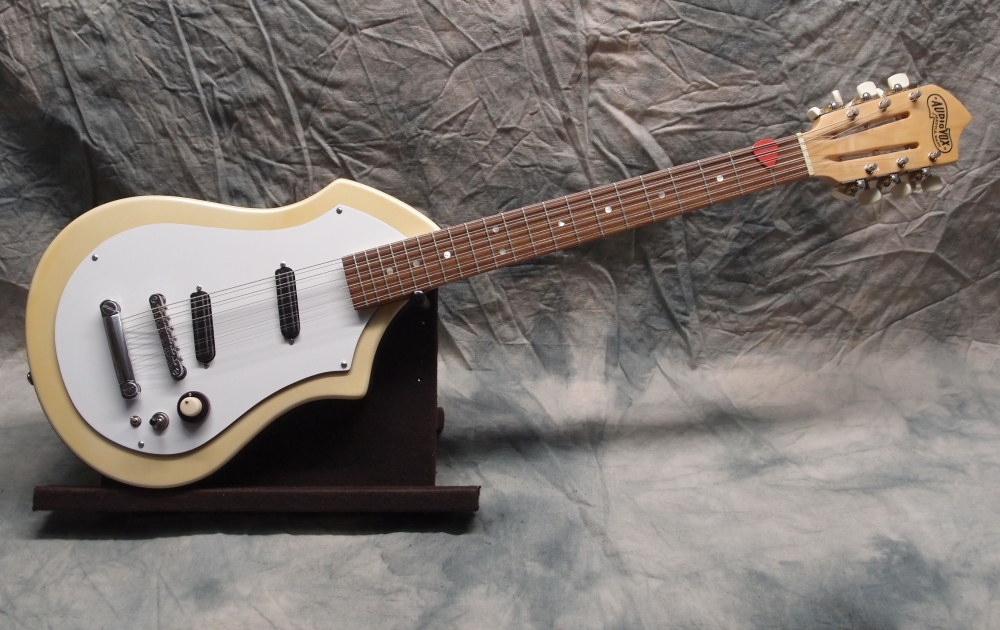
Audiovox 12-string Guitar
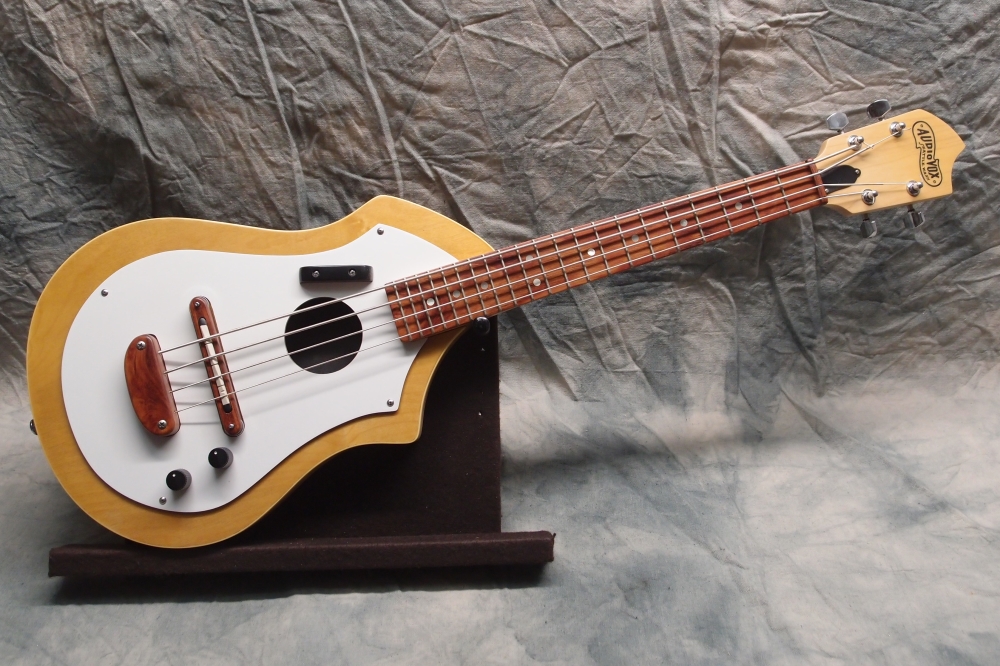
Audiovox Ukulele Bass
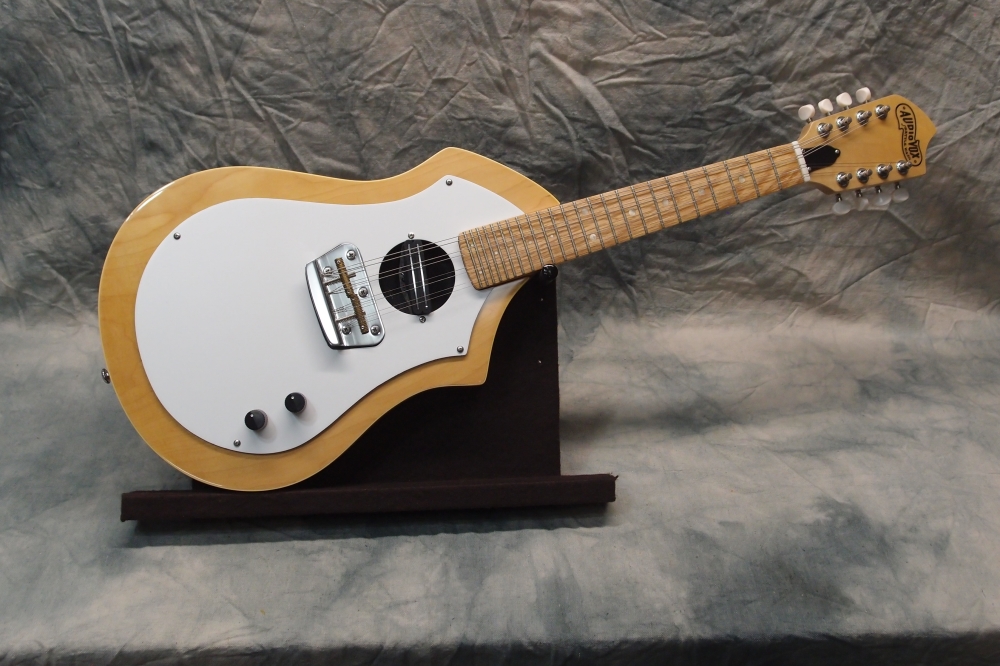
Audiovox Mandolin
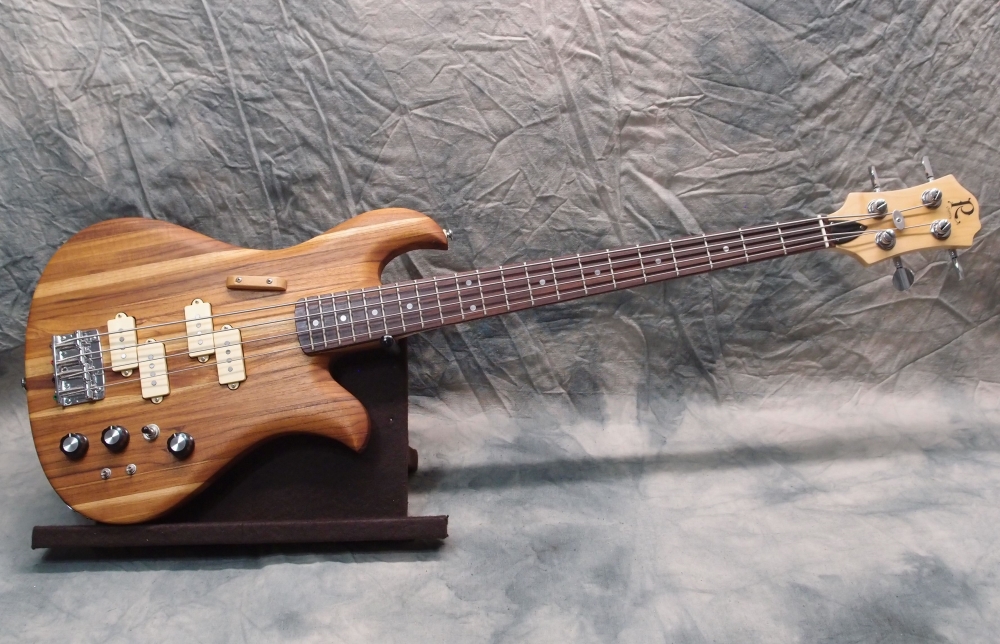
BC Rich "Osprey" Bass
Brownsville Violin Bass
Cowbell Bass
Danelectro Pro-1 Bass
Danelectro "Super-63" Guitar
Danelectro Silvertone 1457 Rescue Guitar
Danelectro Longhorn Guitar
Danelectro Silvertone U-1 Guitar
Danelectro Companion Guitar
Danelectro Silvertone 1443 Bass
Danelectro '67 Hornet Guitar
Fender Jazzmaster Bass 1
Fender Jazzmaster Bass 2
Fender Jazzmaster Bass 3
Fender Stratocaster Bass 1
Fender Stratocaster Bass 2
Fender Stratocaster Micro Bass 1
Fender Stratocaster Micro Bass 2
Fender Stratocaster Fretless Bass
Fender Stratocaster Bass VI
Fender Stratocaster Bass IV
Fender Stratocaster 12-string Guitar
Fender Stratocaster Uke Bass
Fender Squier Stratocaster Guitar
Fender Telecaster Bass
SX Precision Bass
Gibson Fenderbird Bass 1
Gibson Fenderbird Bass 2
Gibson Reverse Fenderbird Bass
Kubicki Bass
Schwinn Stingray Bass
Mosrite Bass
Rickenbacker 325 Guitar
Rickenbacker 325 Bass 1
Rickenbacker 325 Bass 2
Rickenbacker 325 Bass 3
Rickenbacker 4001 Bass 1
Samick SG450 Guitar
Danelectro Pro-1 Guitar
Danelectro Silvertone 1448 Guitar
Danelectro '63 Guitar
Danelectro Silvertone 1457 Guitar
Harmony H617 Bobkat
Danelectro Silvertone 1450 Guitar
Harmony Silvertone 1478
Danelectro Silvertone 1472 Amplifier
Danelectro Longhorn Bass

A while ago I said I couldn't find where the new Nivo Slider slideshow plugin (above) keeps its data. That's because it doesn't keep it anywhere. It generates each slideshow on the fly from scratch, with lord-knows how many database calls. I suspected that it was grossly inefficient, and I was right.