Maple
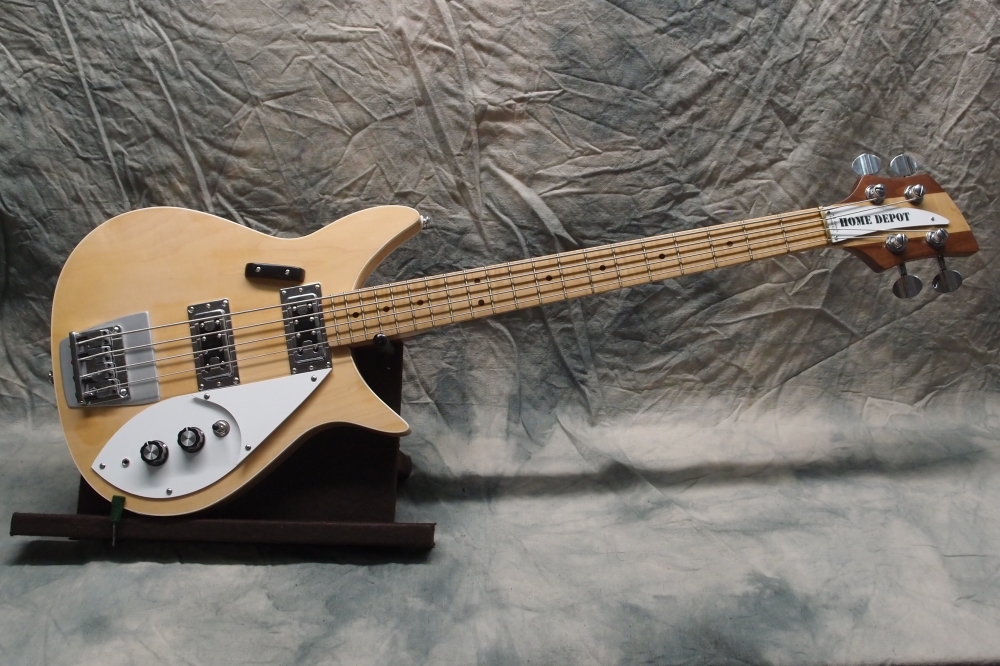
Maple is a hard heavy wood that is your best choice for necks and small parts. The best maple is eastern "rock" or "sugar" maple. In much of the country, this is what is stocked at your local home center, just go there and pick out a nice straight piece. I the west, you will instead find locally grown maple, which is not as good, but probably good enough.
If you hunt through the pile at the store or lumberyard, you can often find fancy wood being sold at ordinary prices. I regularly find flames and birdseye. This is much better than mail-ordering "luthier-grade" wood that is in all likelihood inferior to what you could have hand-picked at Home Depot.
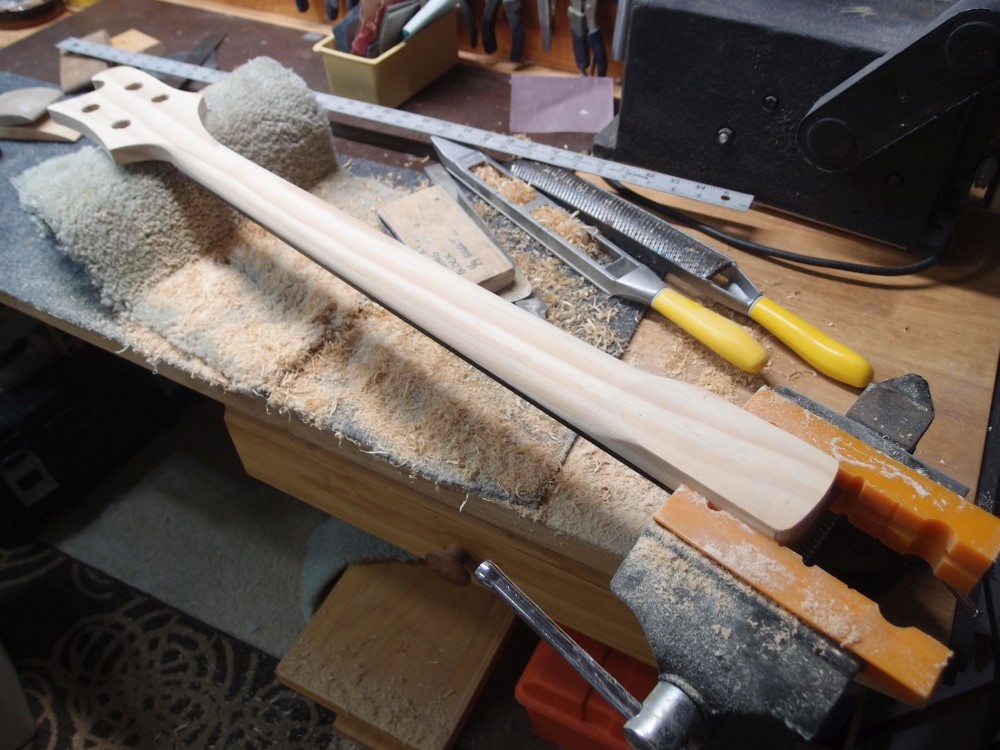
Maple, like all hardwoods, has problems with routing. Routing outside edges is guarantied to result in chip-out and a ruined piece. Instead, do your edge shaping with a sander, files, and rasps, and whatever else you have besides the router. Interior cuts like cavities and truss rod slots work better, especially when using small ( ~ 1/4" or less ) bits. Spiral bits also reduce chip-out. Minimize routing by drilling out as much material as possible first with Forstner bits.
Binding slots leave no choice but to use a router. For these, don't try to make the full cut in one pass, instead, go over and over it very lightly until you have it.
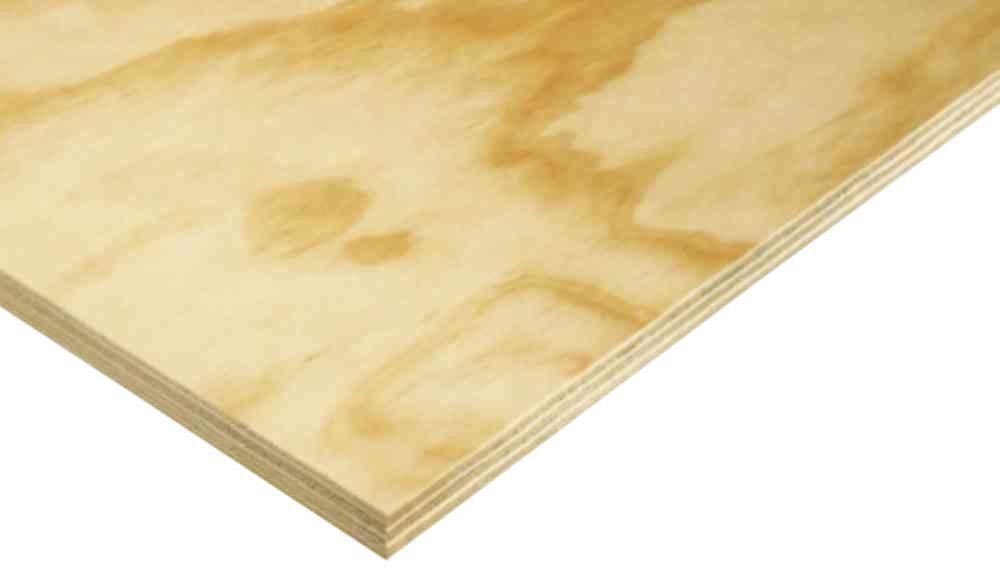
While maple is ideal for necks, it is really too heavy to make a solid body from. Cabinet-grade maple plywood over a hollow core is a better choice, again, from the home supplies store.
Maple takes colored stains poorly but takes on a nice amber color under polyurethane. It has a tight grain that requires no filling prior to finishing.
Some maple plywood projects:

Questions or Inquiries?
Just want to say Hello? Sign the .