June 3, 2020
COVID-19 Update
June 3, 2020
It's been a while since I did any loothering, let alone posting, but here is an update in the middle of this terrible pandemic.
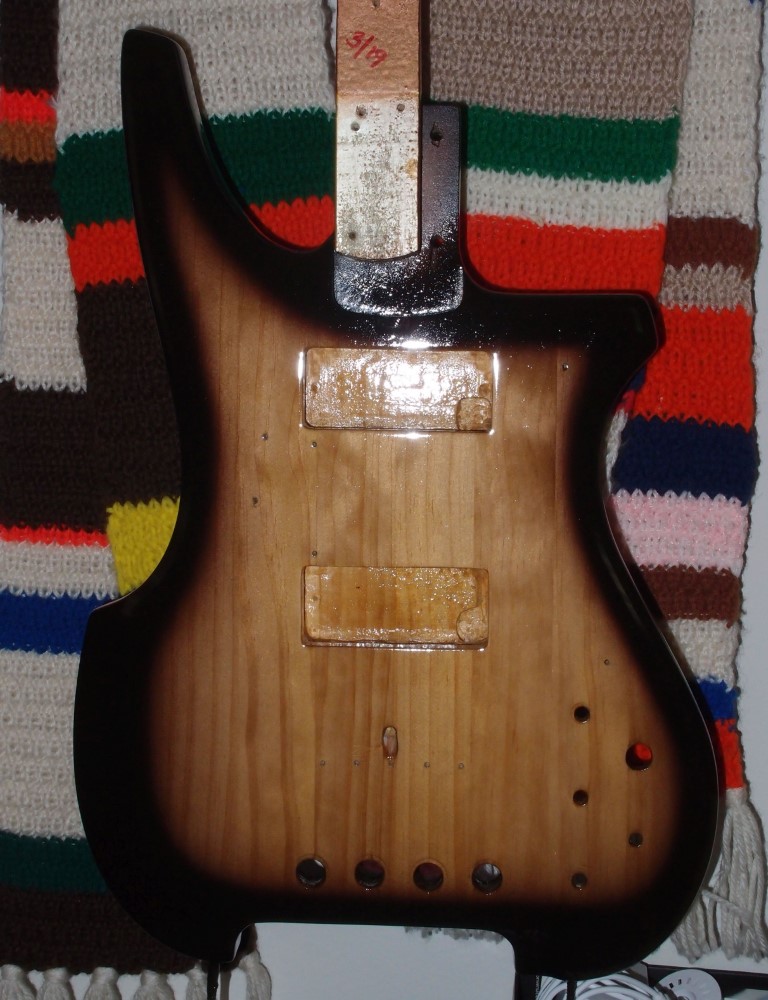
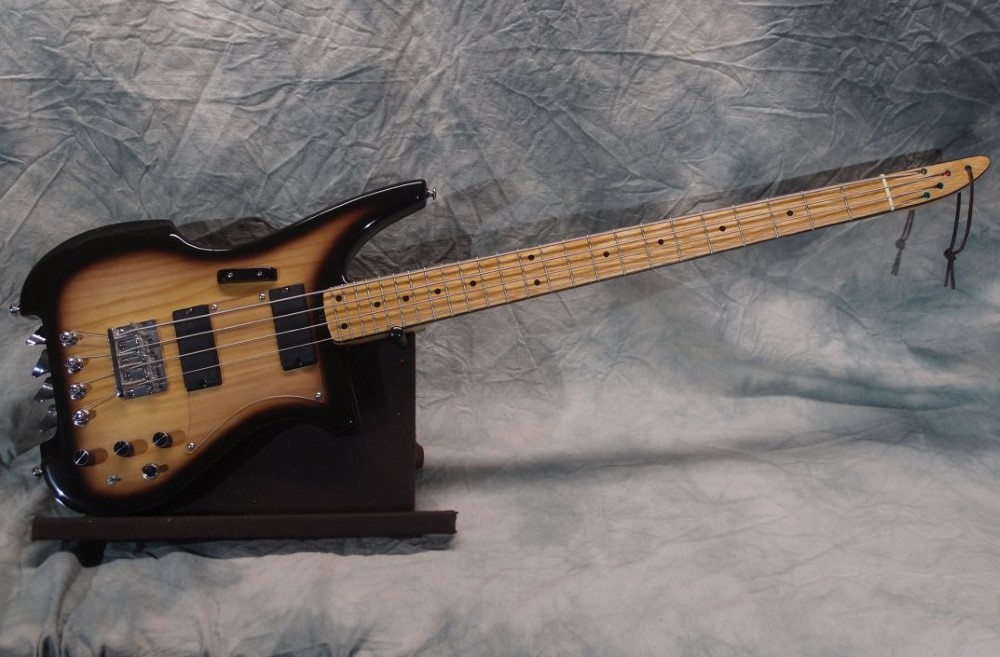
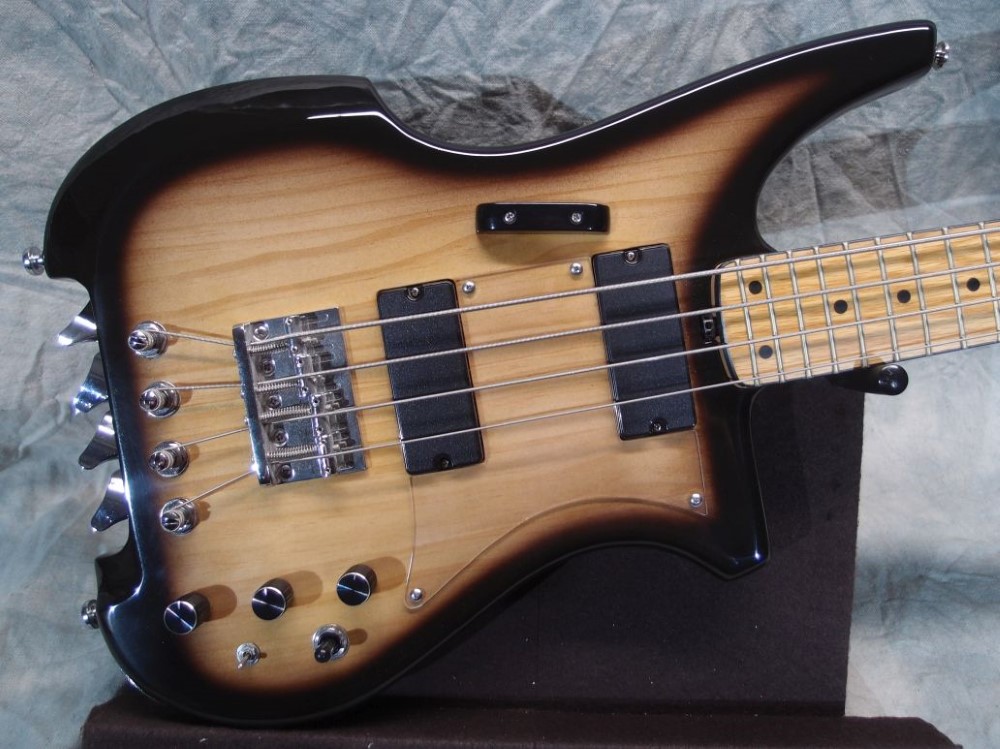
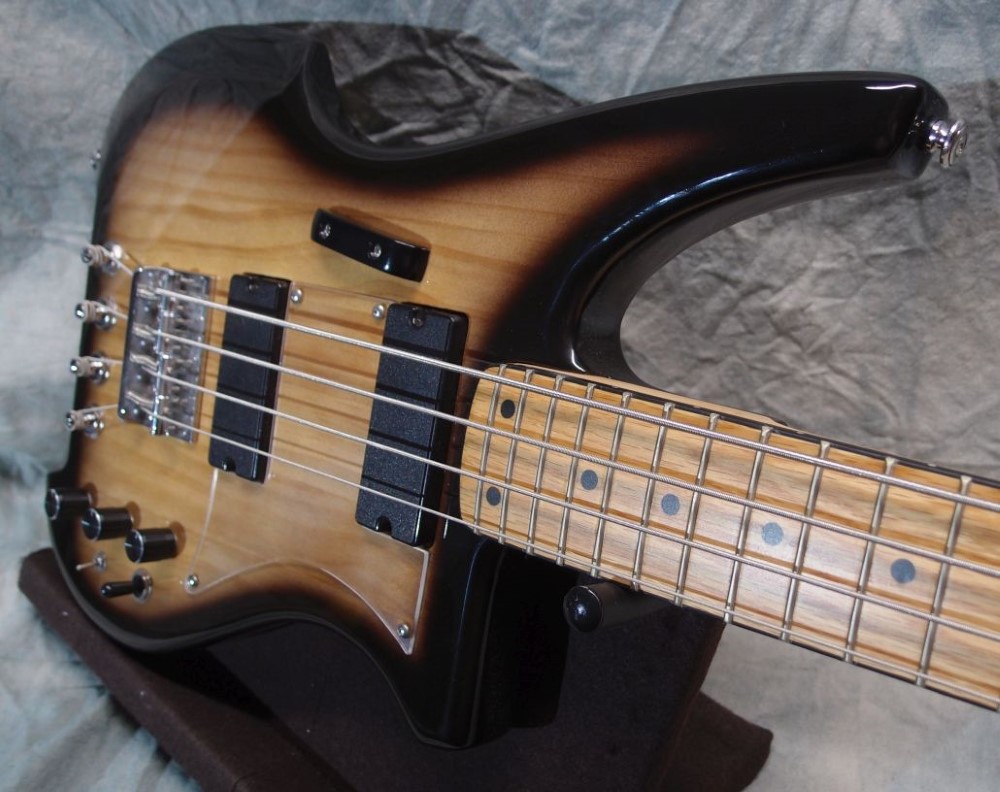
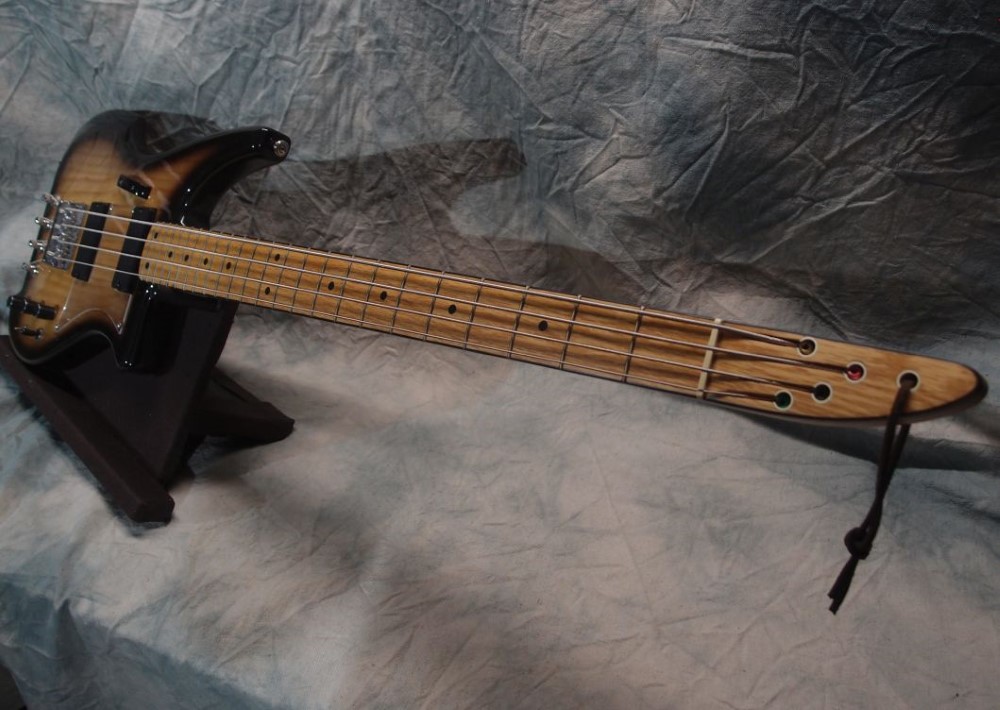
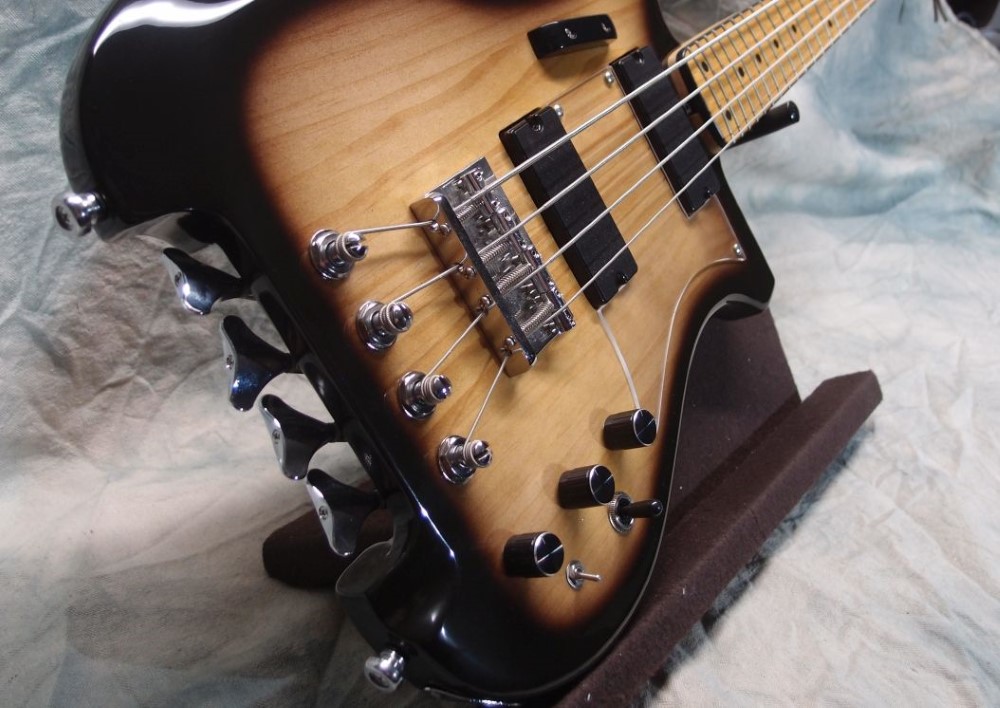
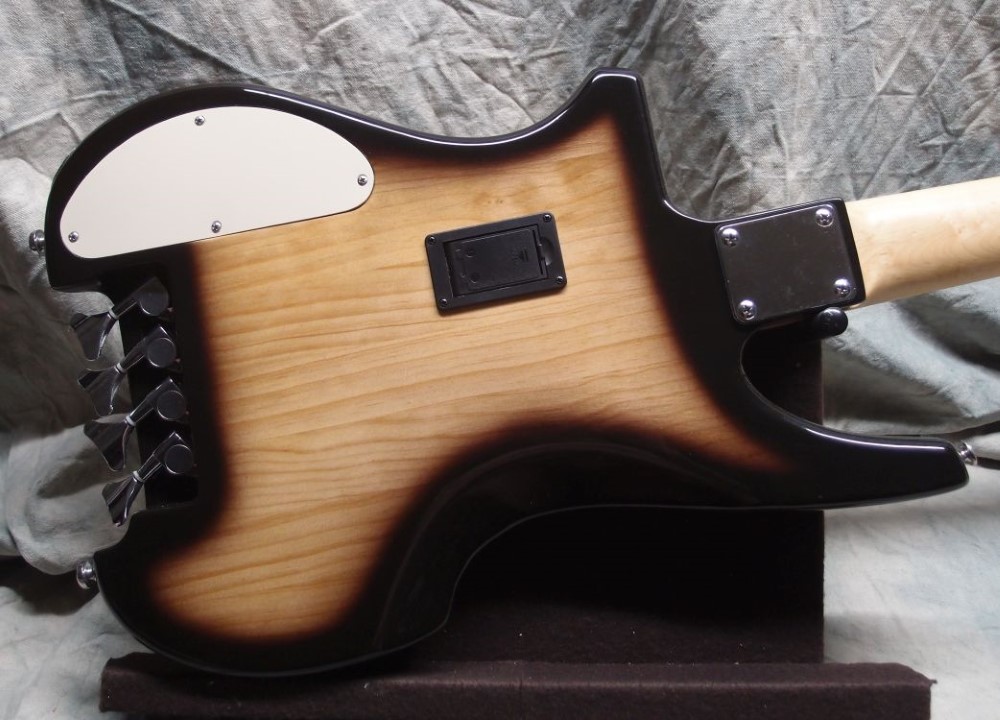
I shot a coat of poly over the Factor bass body and hung it up for what is now about two months, so it should be good and hard for final polishing.
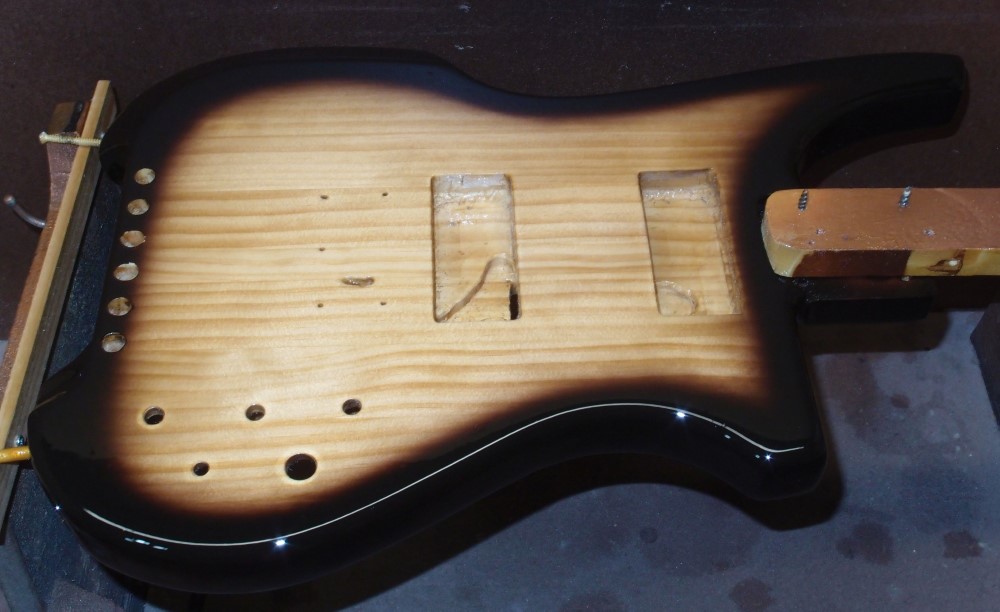
I did the same on the guitar about a month ago.
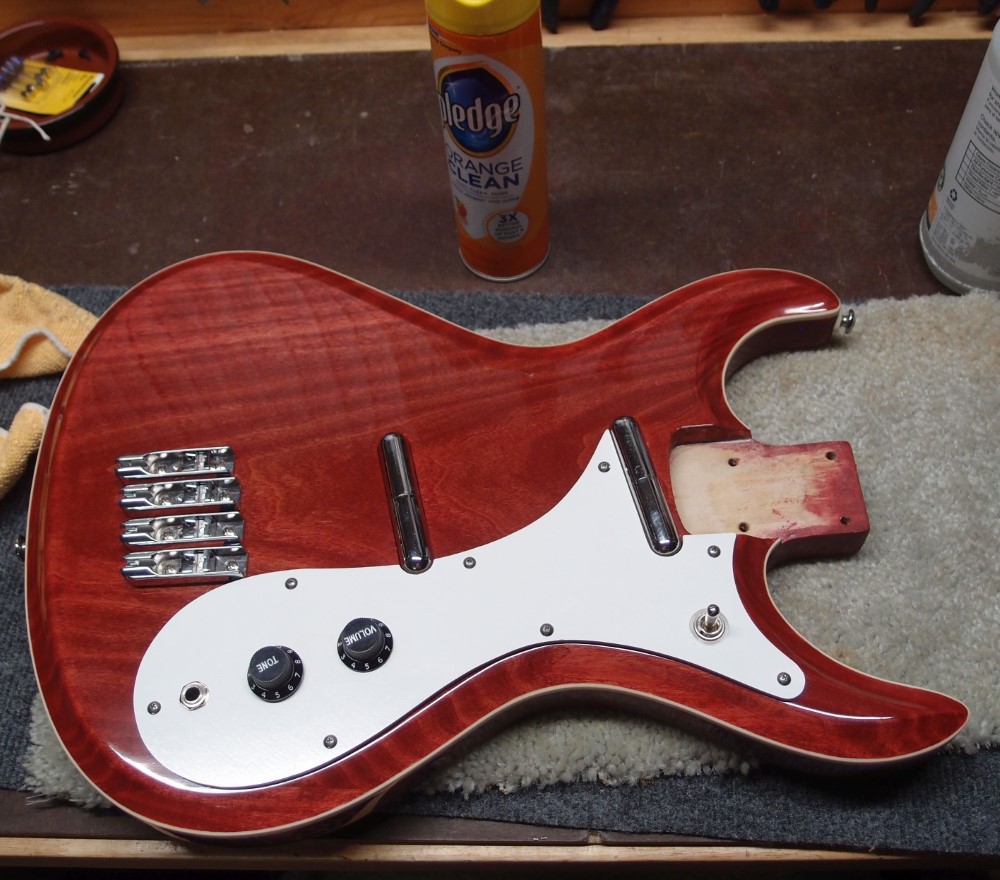
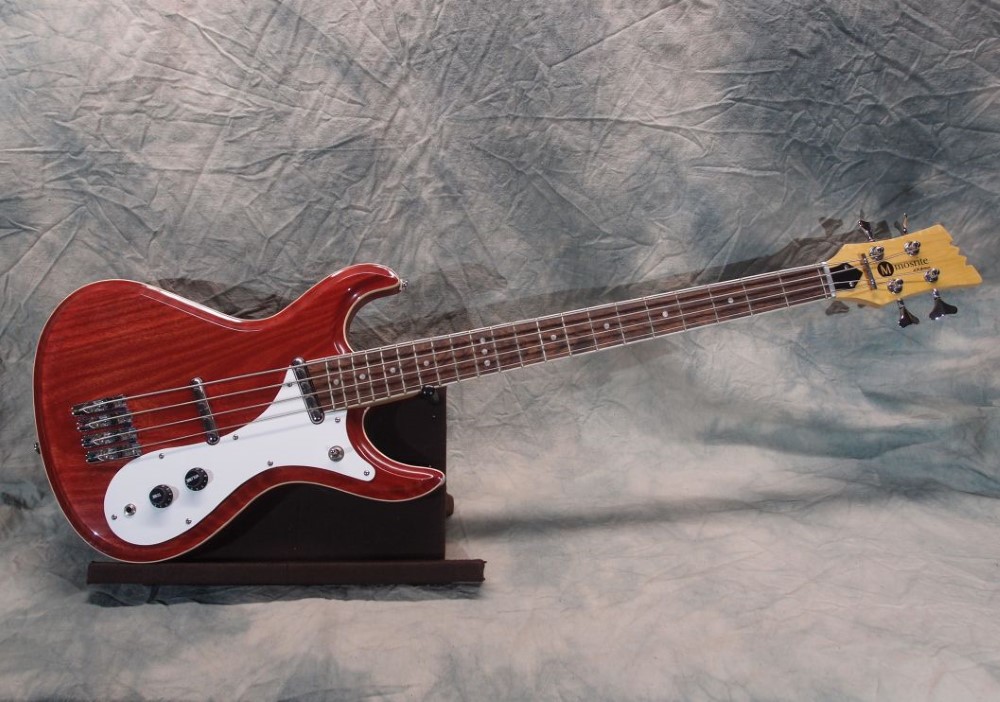
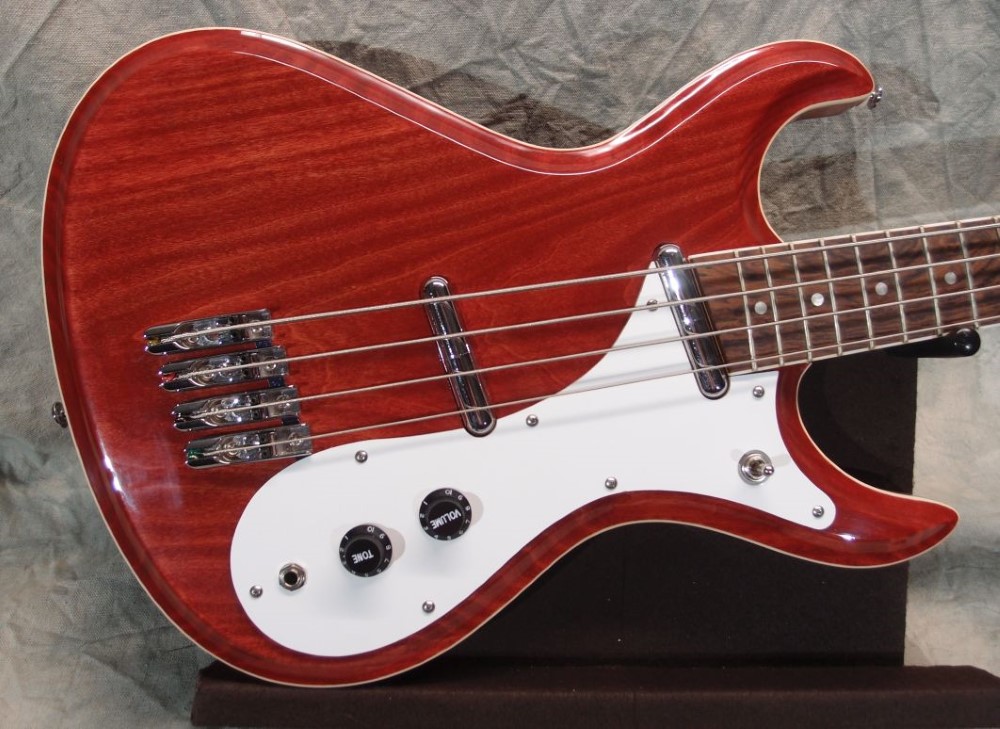
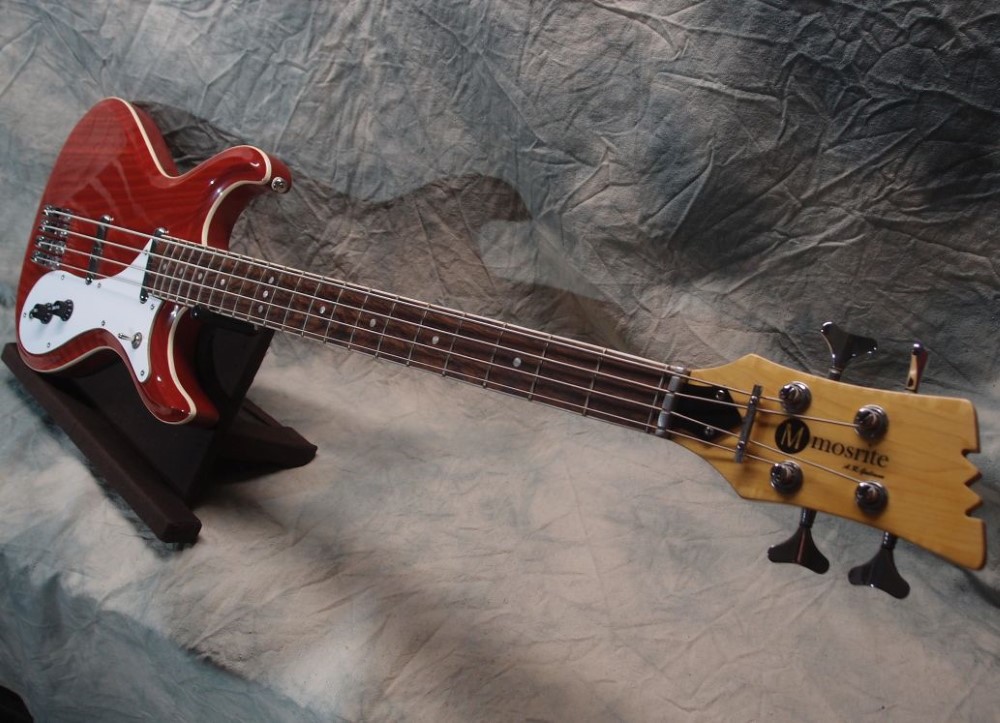
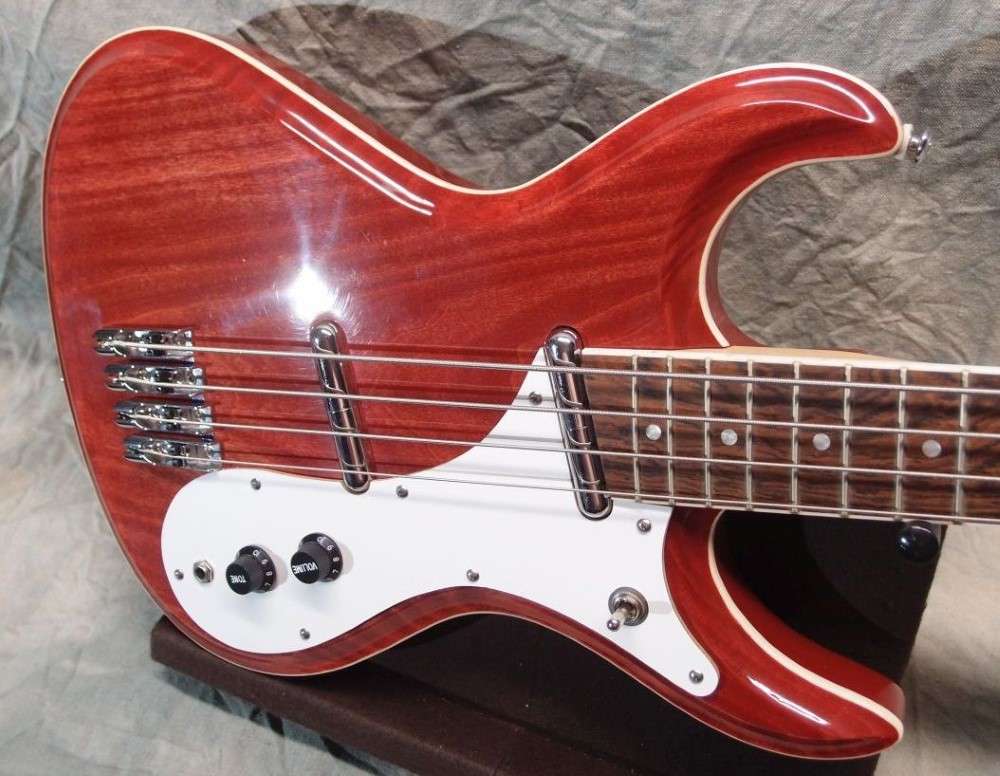
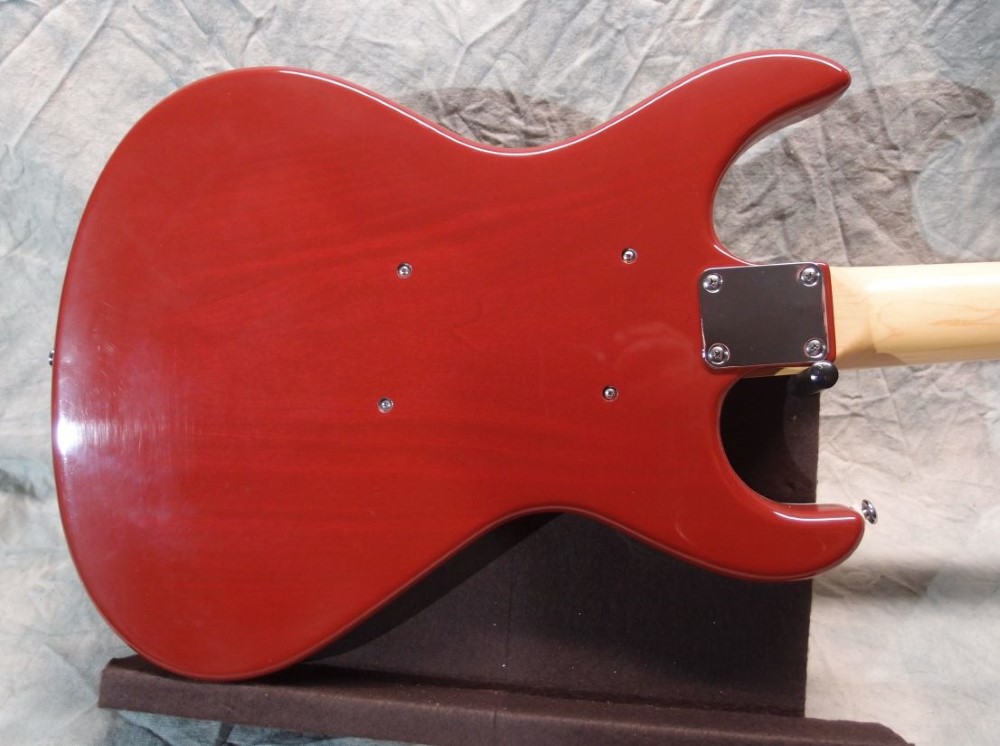
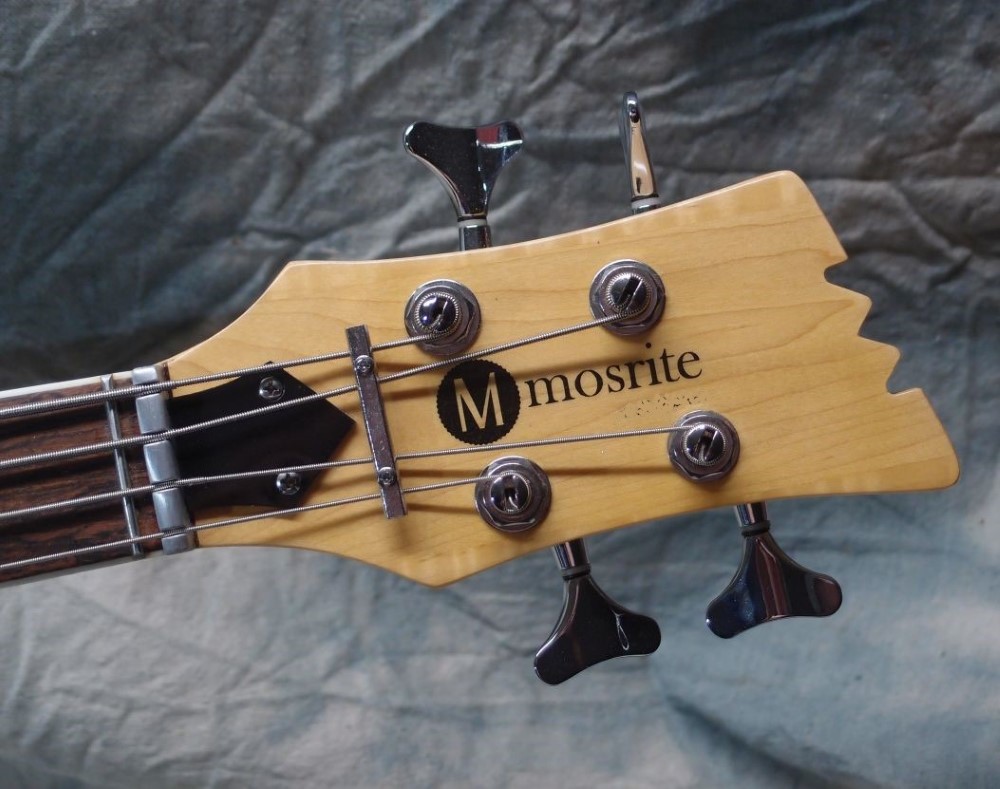
Today I put a final polish on the Mosrite body, hand-rubbed with Meguiar's. The initial polish was with my cloth wheel setup. Very shiny now, and ready for final assembly.
Here's a hint: dump your Meguiar's (or anything else) in a wide-mouthed jar and daub it out with a rag when you use it. Slit the bottle lengthwise and scoop out everything that would otherwise go to waste.
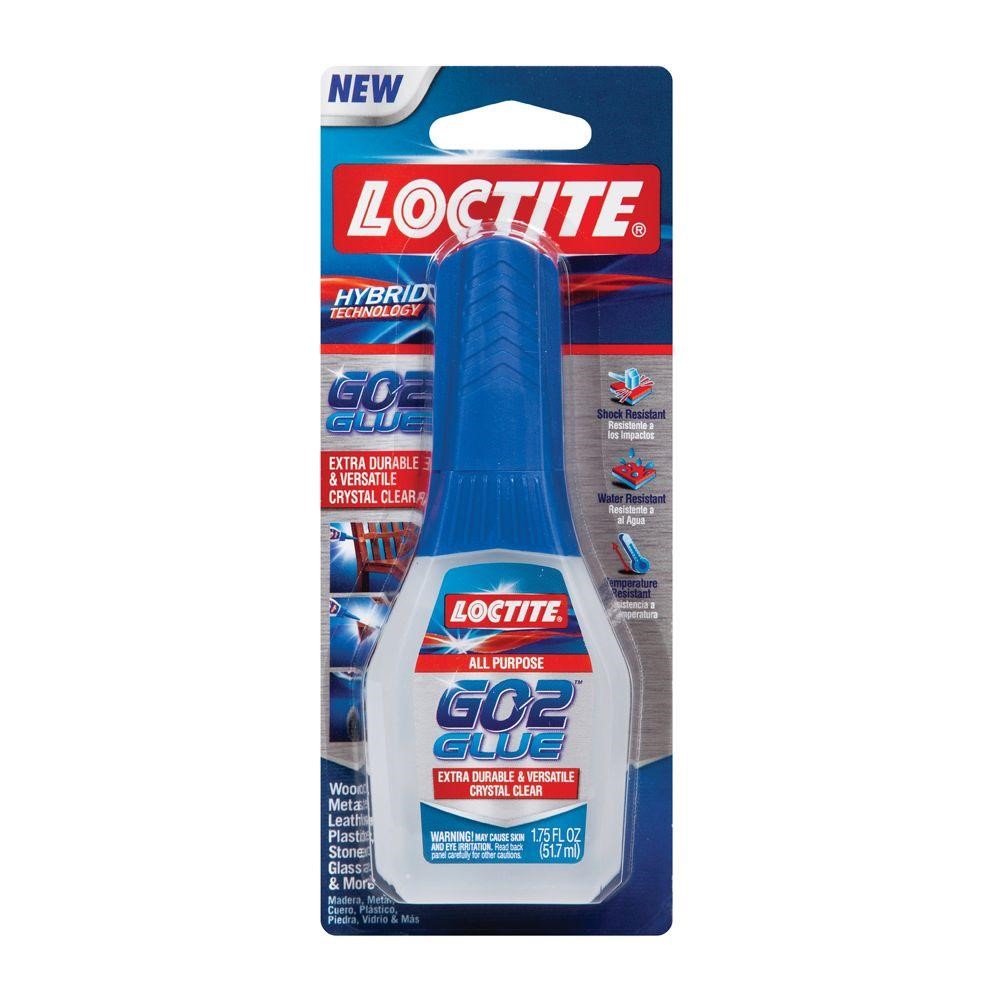
The worst packaging I have ever seen is Loctite Go2 Glue. You can get only about 10% of the glue out of the bottle, then the rest is just stuck. Not dried-up, but impossible to squeeze out. It's a pity, because it is actually pretty good stuff, just horrible packaging.