Doing Things Wrong

"Tonewood"

This really puts a dent in the whole tonewood argument.

I doubt there is anything very special about those piezos. My experience is that you need the right mounting and electronics to make a piezo sound good, and it has very little to do with the sensor itself, which is just a little bit of semiconductor.

To sound good, a piezo needs to be incorporated directly in the physical support of the strings. And it requires a very high output impedance, otherwise, it turns into a high-pass filter. Both of these are especially true on a bass.

I have to wonder where he got such a great-sounding brick. Home Depot, or Lowes? Or do you have to get your rock-tone from some specialty loothery supplier?

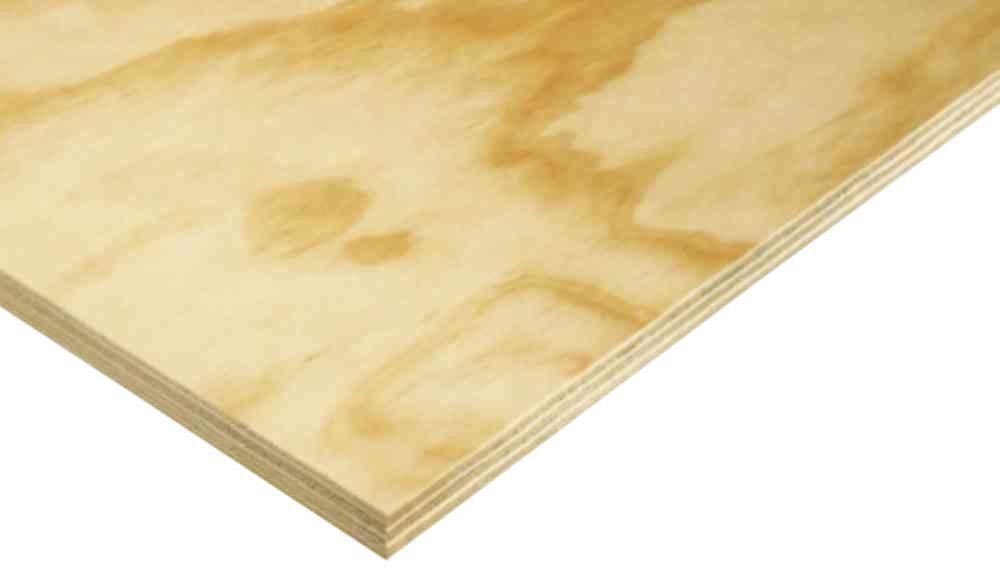
When I run out of plywood and masonite, I'm going down to Loothery Depot and pick up a 50-pound bag of ToneCrete. I will experiment with different mixes, aggregates, and colors, always testing in the most subjective and un-repeatable manner possible, as is luthiery tradition. As always, I will report my results here in Luthier's Corner.

I'll save you some time ... they all sound the same.

I want to see a comparison of different shirt materials, straps, belt buckles, and beer guts.

Either you believe in tonewood, or you don't.

Tonewood is marketing nonsense.


Comments on "Tonewood"

Questions or Inquiries?

Just want to say Hello? Sign the .

Submit a Comment

Your email address will not be published. Required fields are marked *


Click image to replace if unable to read.

Enter the digits from the image above, except for the last one:

This site uses Akismet to reduce spam. Learn how your comment data is processed.


image

In addition to my alternative marker dots, I'm also looking for 'non-luthier' alternatives to side markers, and here is one. These are bits of 3/32" brass rod, set in a piece of scrap maple as a test. Foot-long lengths of 3/32" and 1/16" rod are available from hobby shops for around a buck; they are used by model builders. I pre-drilled the holes, tapped the rod in like a nail, and cut it off slightly proud. Working the brass is just like dressing fret ends, in fact, you could do it at the same time. I also found some aluminum rods on eBay. At the size of a dot, aluminum should come out looking just like pearl. This is like Danelectro used to do back in the '60s. Steel would be much harder to work, and also prone to corrosion, so I wouldn't use ordinary nails, but small brass ones would work. Always pre-drill hardwoods. I pushed in a dimple with a pointed scribe, then deepened it with a spring punch before drilling. Chuck the drill bit so just a 1/4" protrudes. That will keep it from flexing, which can be a problem at these sizes.